
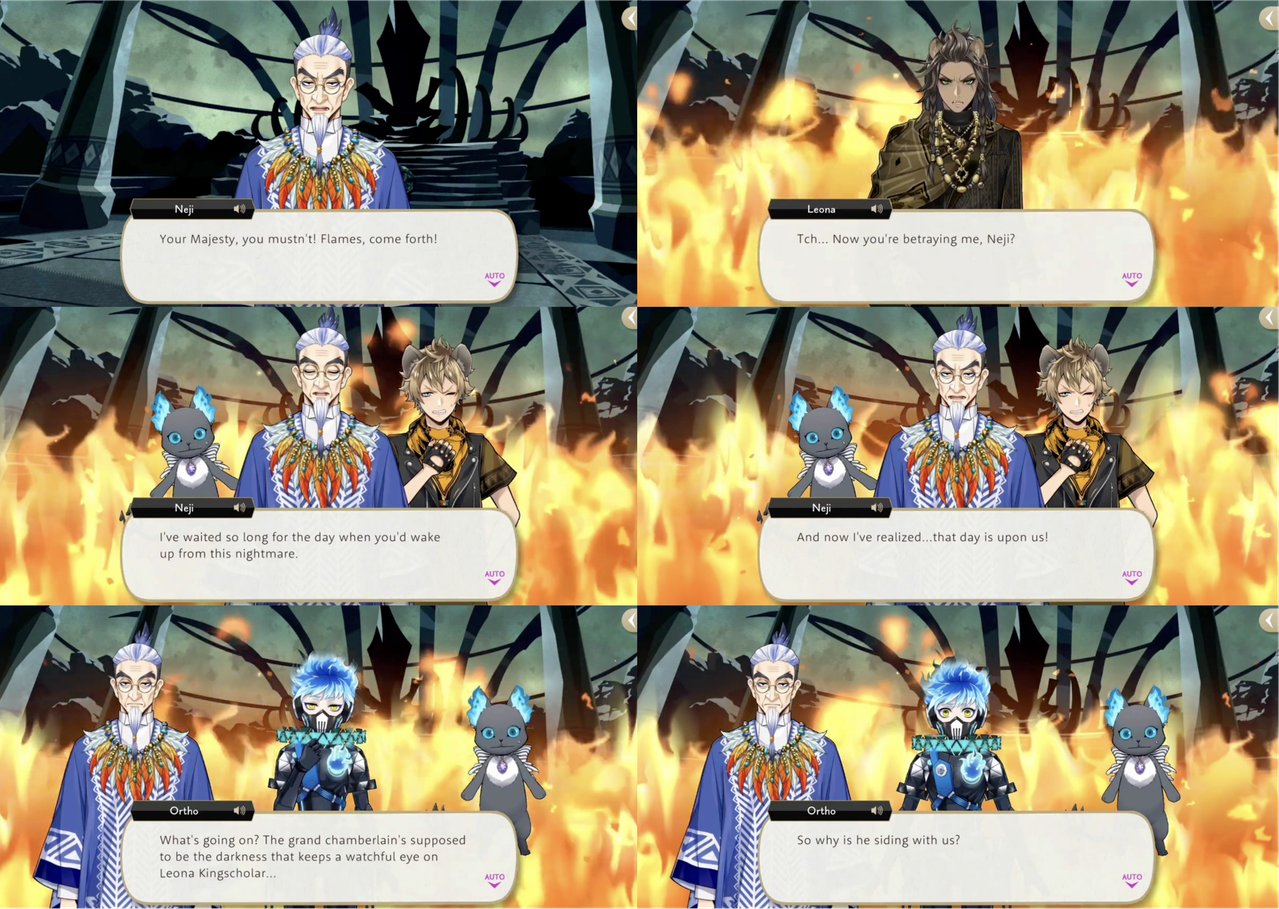
Kifaji is a unique presence in Leona’s dream: a creation of Leona’s own mind that knows he is dreaming and wants him to wake up. Ortho observes that the dream-Kifaji is possibly representing what Leona’s perceptions and/or wishes are, and Kifaji’s dialogue is fascinating when viewed through the lens of Leona reprimanding himself:
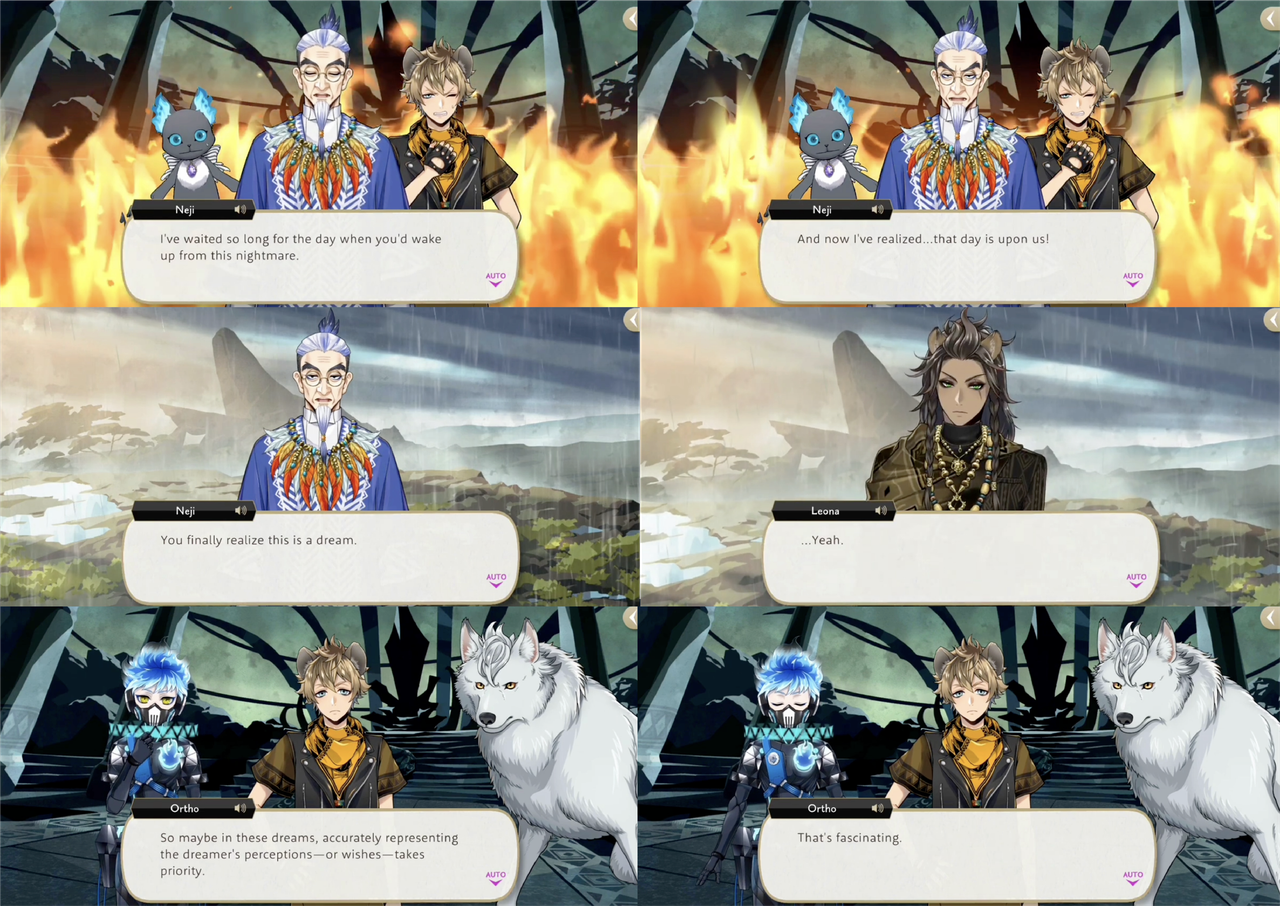
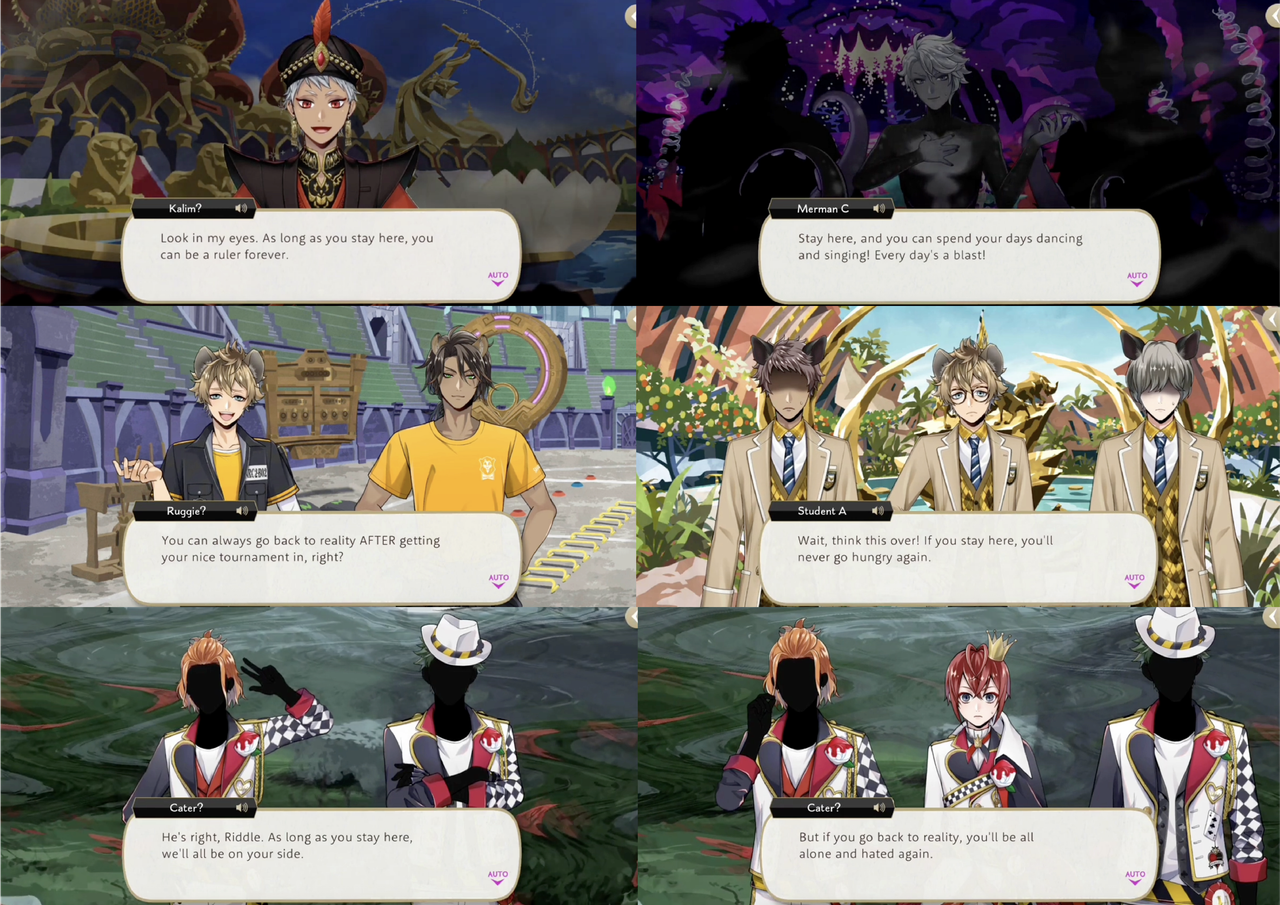
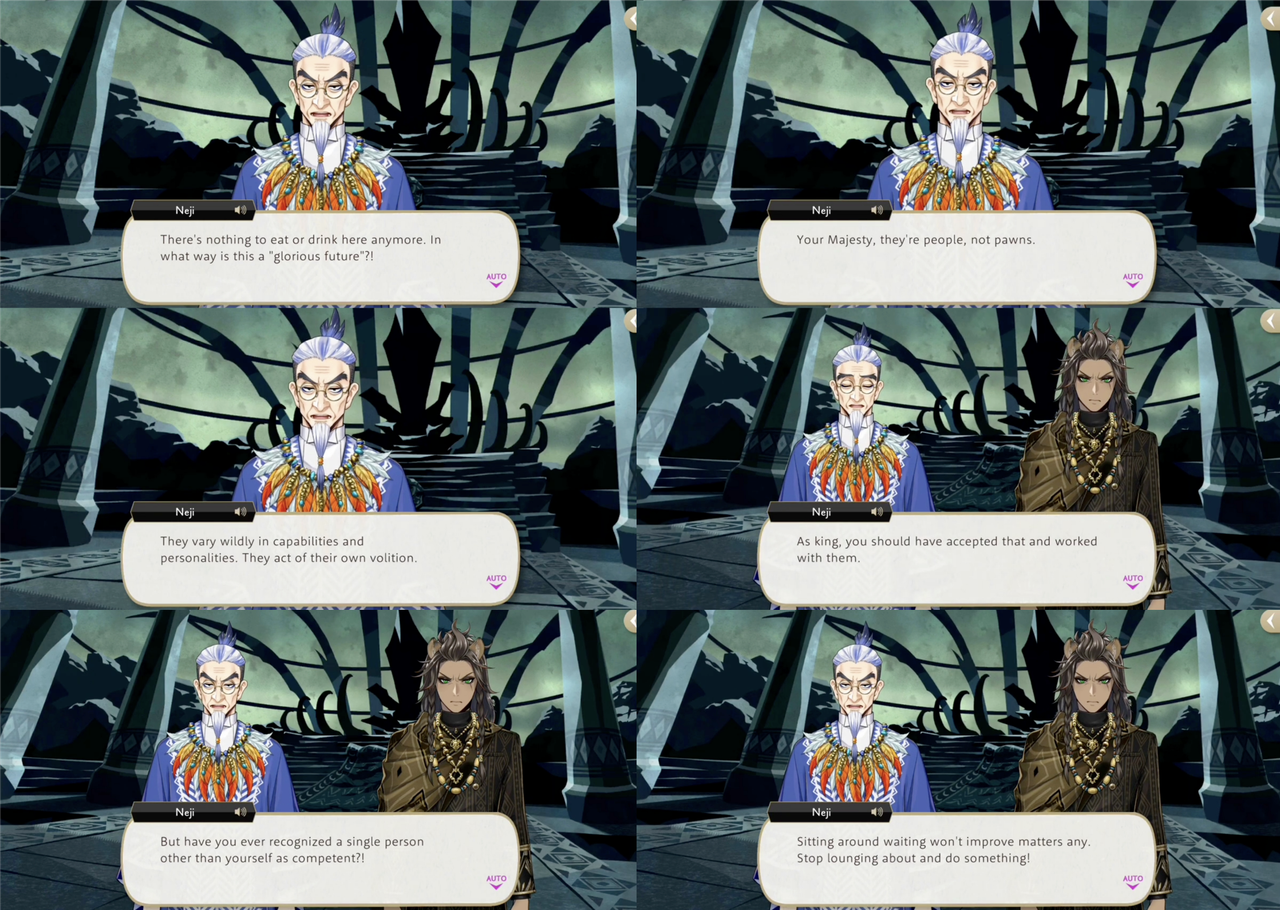
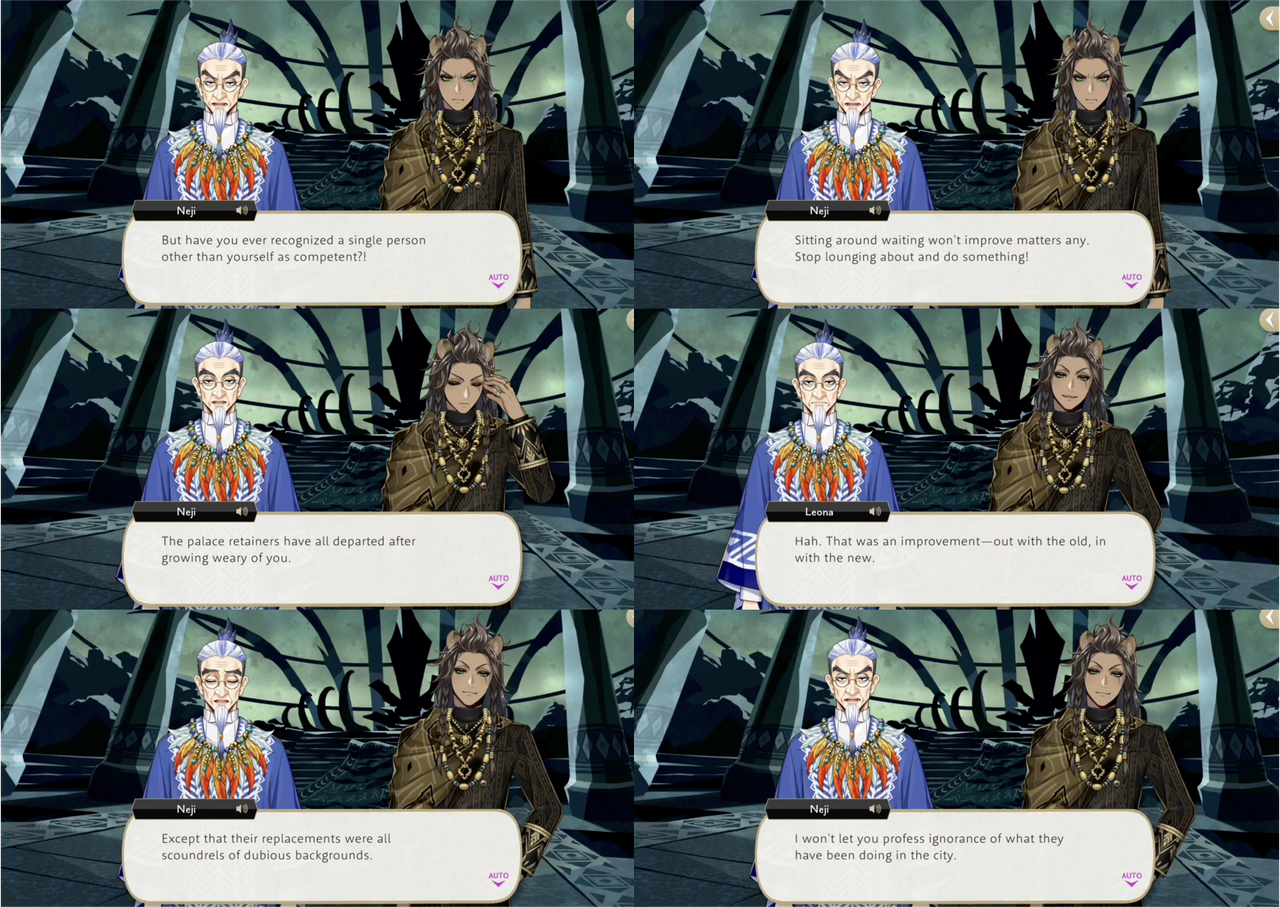
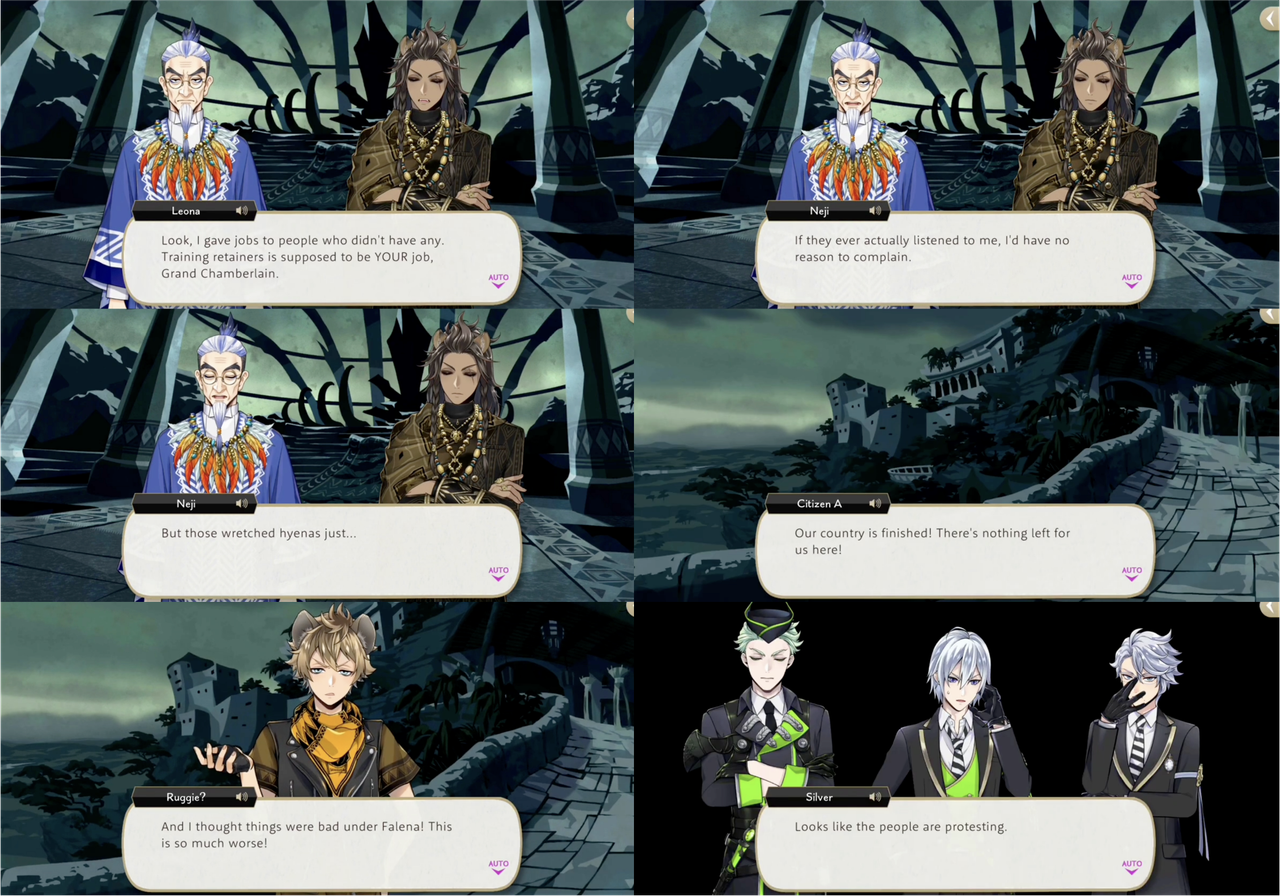
Leona’s dream becomes Leona shaming himself for his failure to realize a prosperous future for his country, for treating people as pawns, for failing to work with those around him, for never recognizing anyone but himself as competent, for not taking action, for his retainers growing weary of him, for even Ruggie preferring Falena, etc.: Leona reprimanding himself.
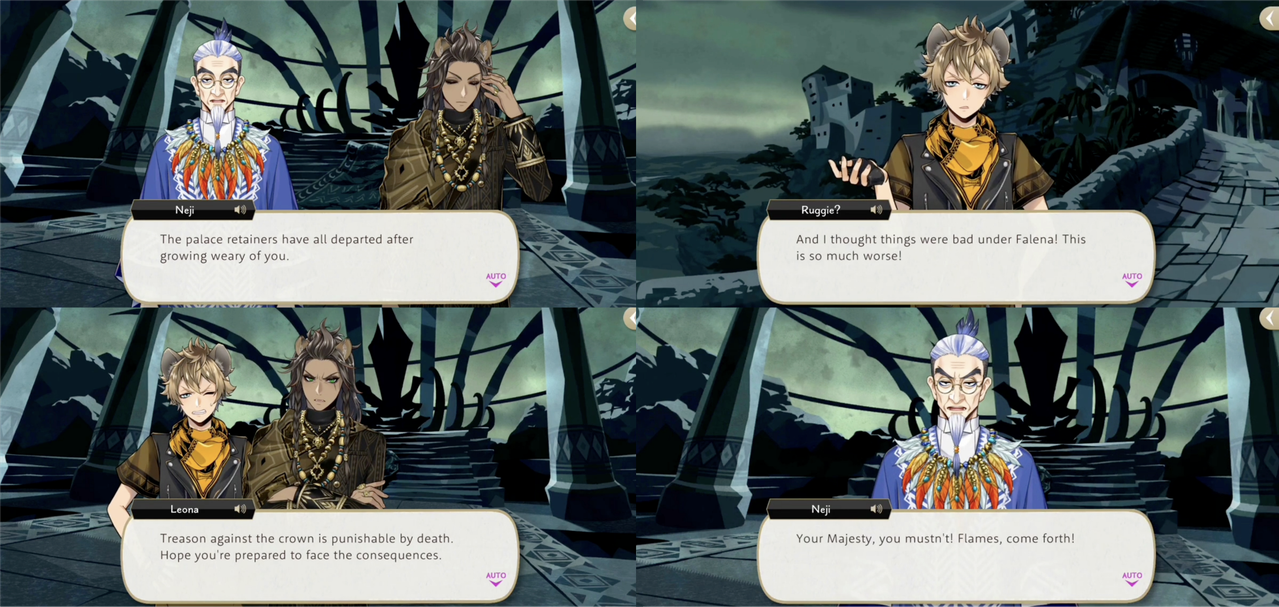
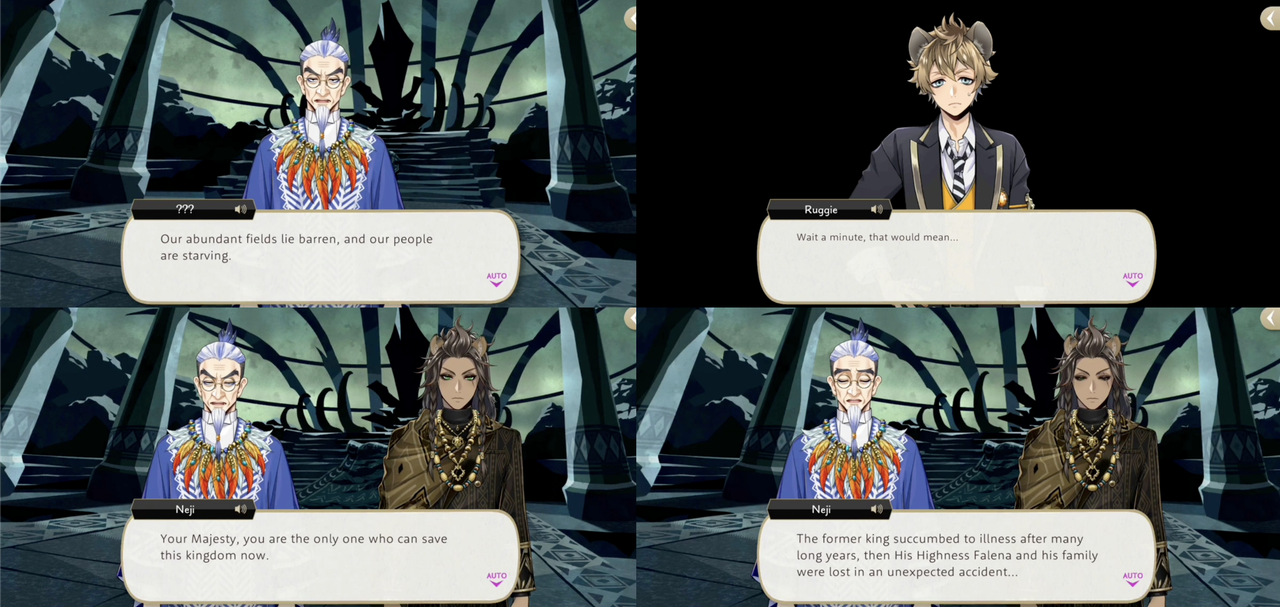
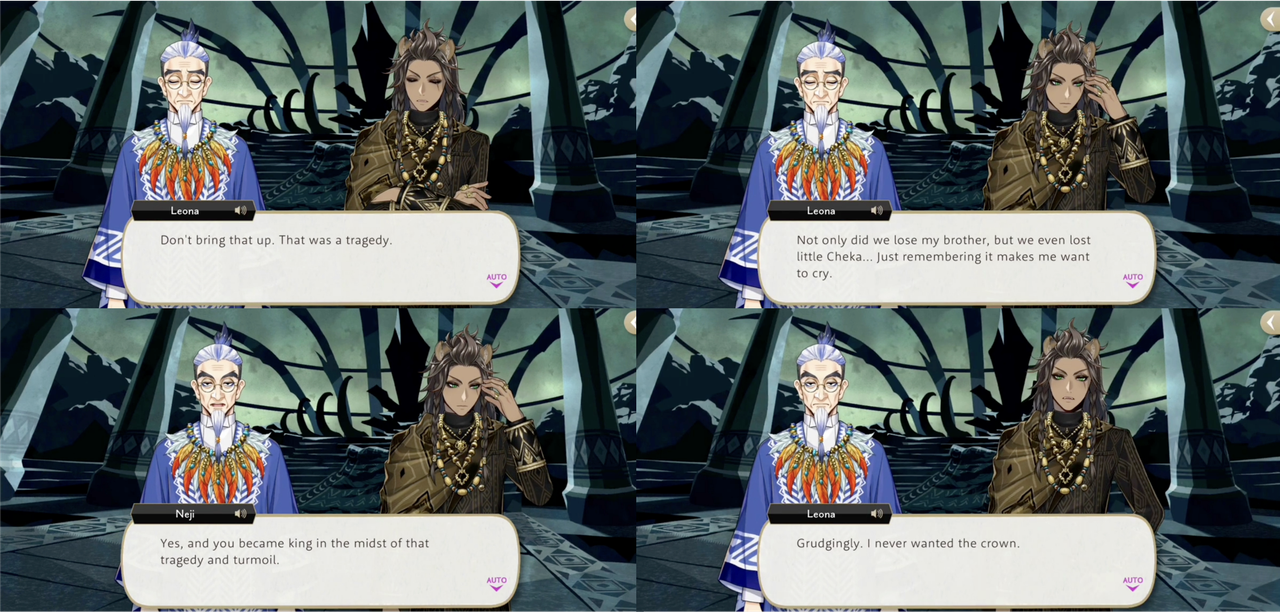
When Leona attacks Ruggie in his dream in a recreation of Book 2 it is also Leona who saves Ruggie from himself, in the form of dream-Kifaji.
By the time the dream-infiltration group arrives in Leona’s dream his family is dead. Leona explains the efforts he took to develop the kingdom he “grudgingly” inherited (“I never wanted the crown”), only for his every explanation to be met with a reprimand by the Kifaji of his own mind, calling himself out for his own failures.
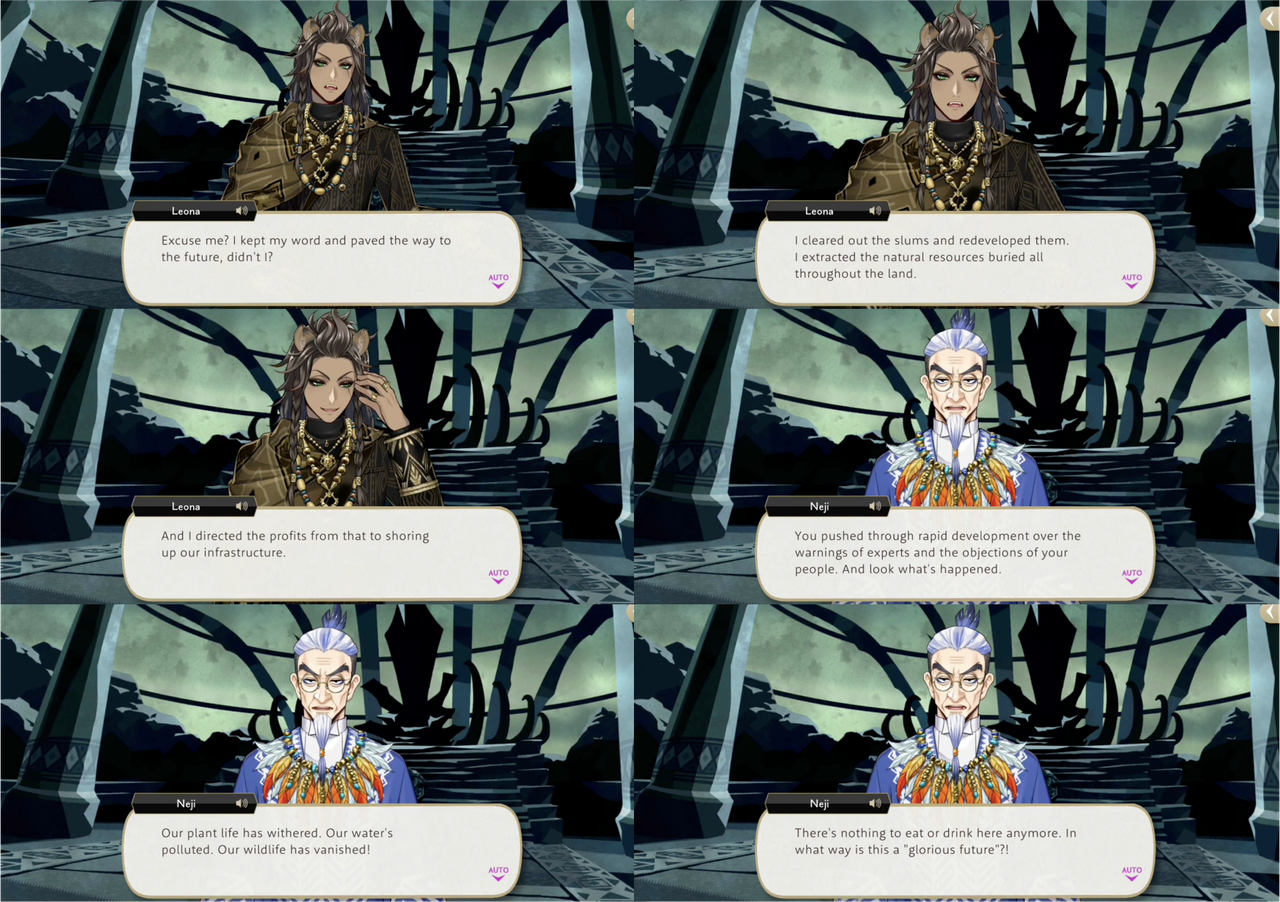
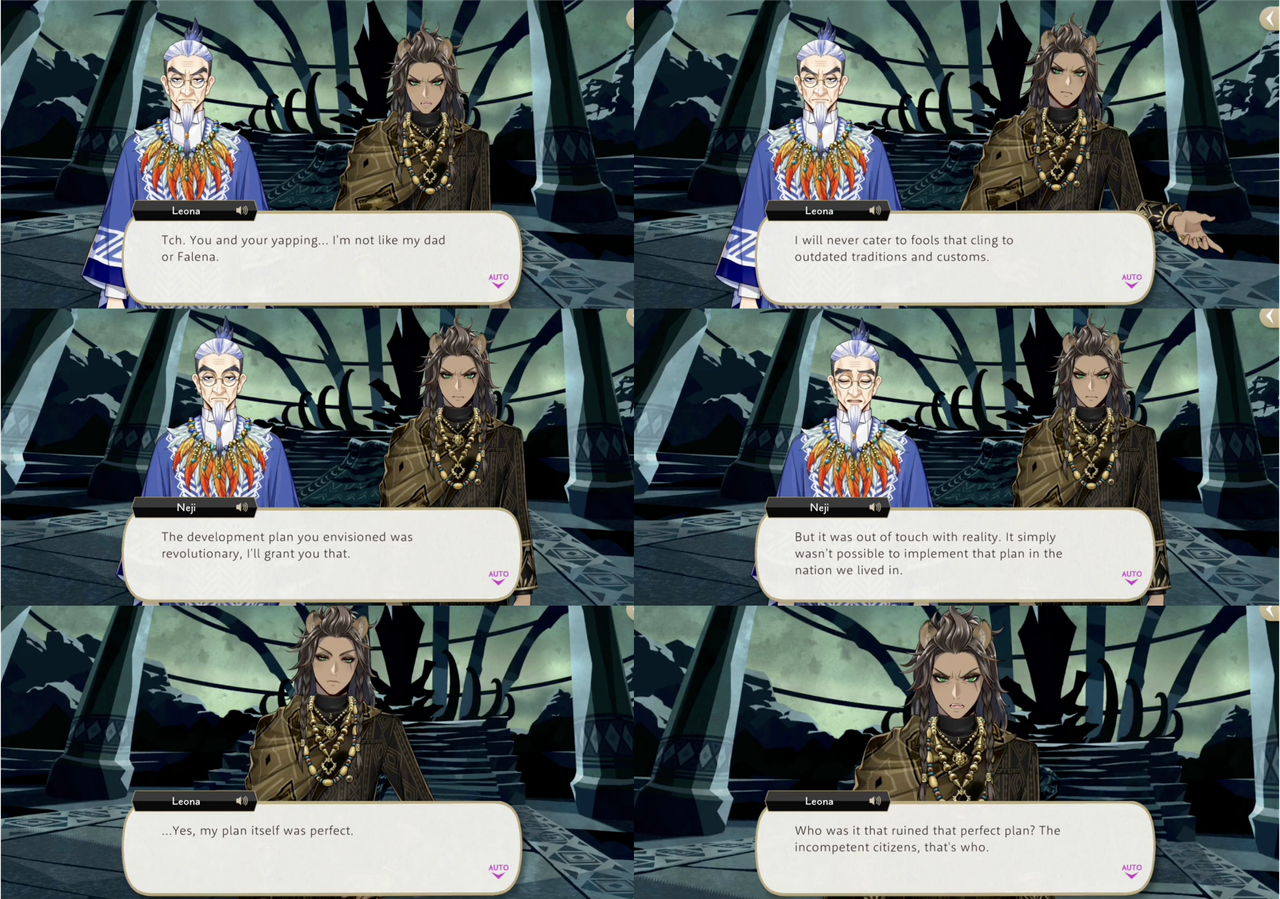
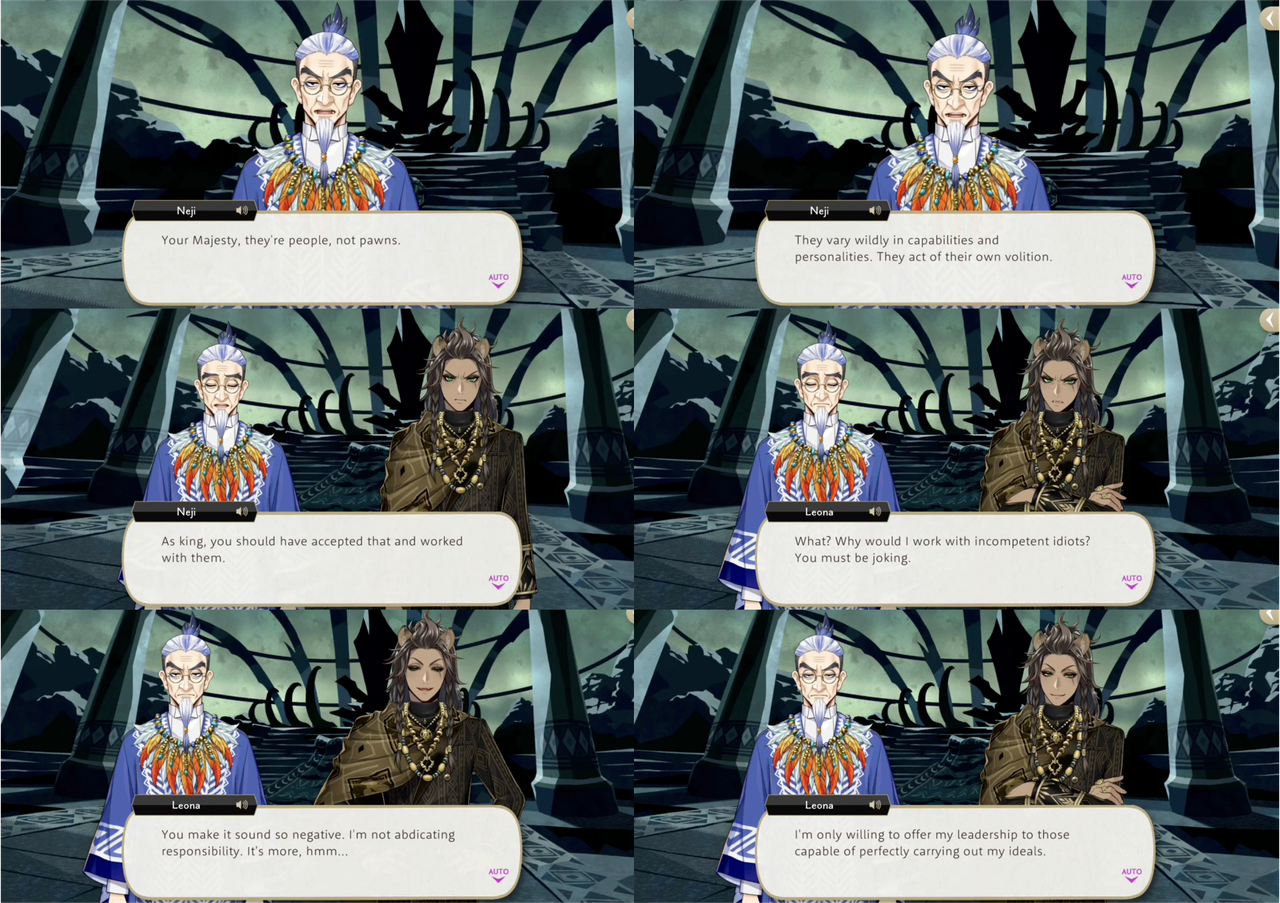
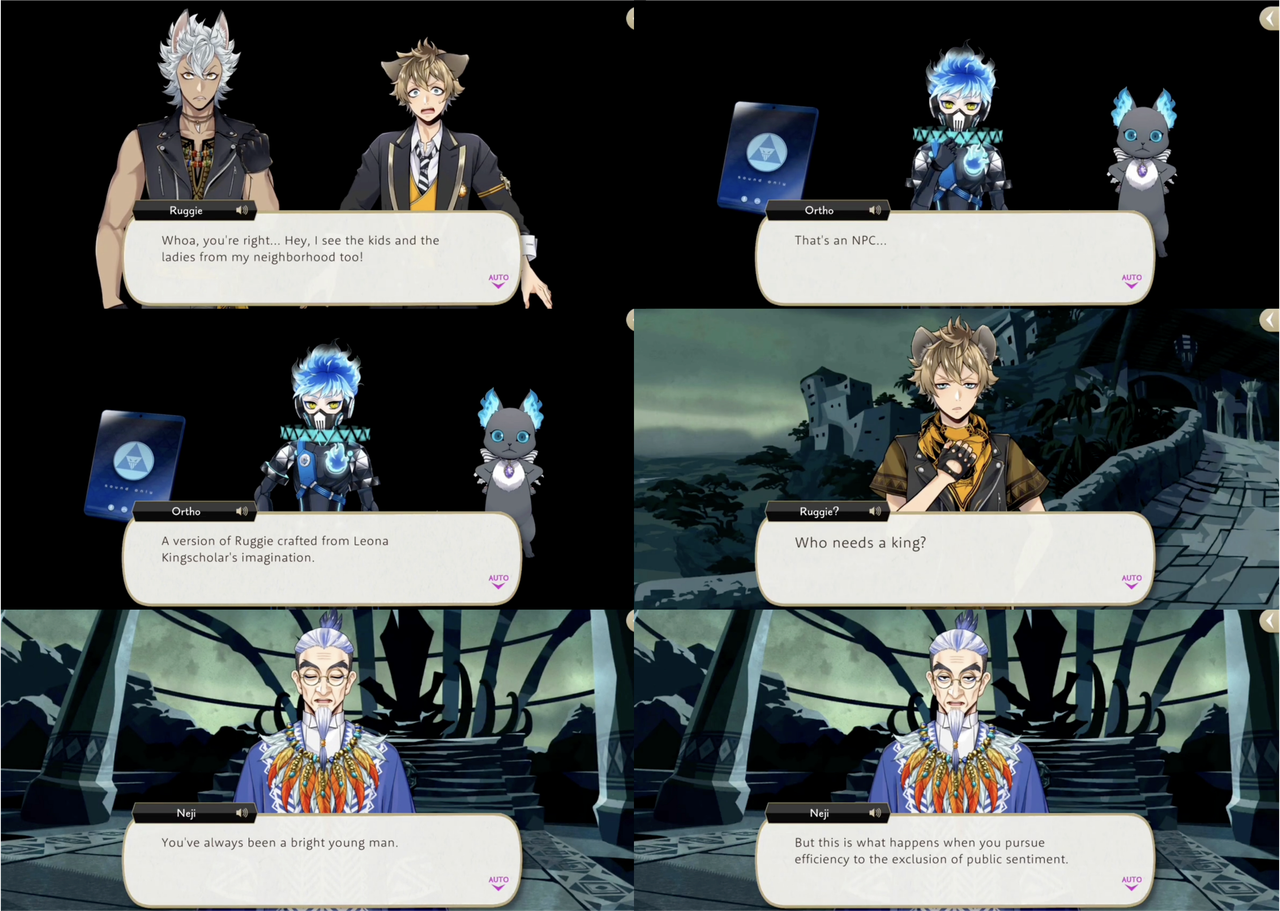
Ortho confirms that the leader of a protest outside is a version of Ruggie who was also crafted from Leona’s mind, like Kifaji, unlike NPCs of previous dreams who would flatter the dreamer into remaining asleep: Leona rising up against himself and asking, “Who needs a king?”
Idia and Ortho discuss how they established that Leona can recognize easily when he is dreaming in Book 6 but seems unaware of it in Book 7 (“and in a very deep state of slumber”) and Idia explains that Malleus’ arcane realms are not regular dreams.
The characters question why Malleus’ “happy” dream for Leona has been distorted into a timeline where he lost his family and became reviled by his own people instead of one where people cheer him as their king, and Idia suggests that it is because Leona’s dream is different from everything else they’ve seen: a sandbox game.
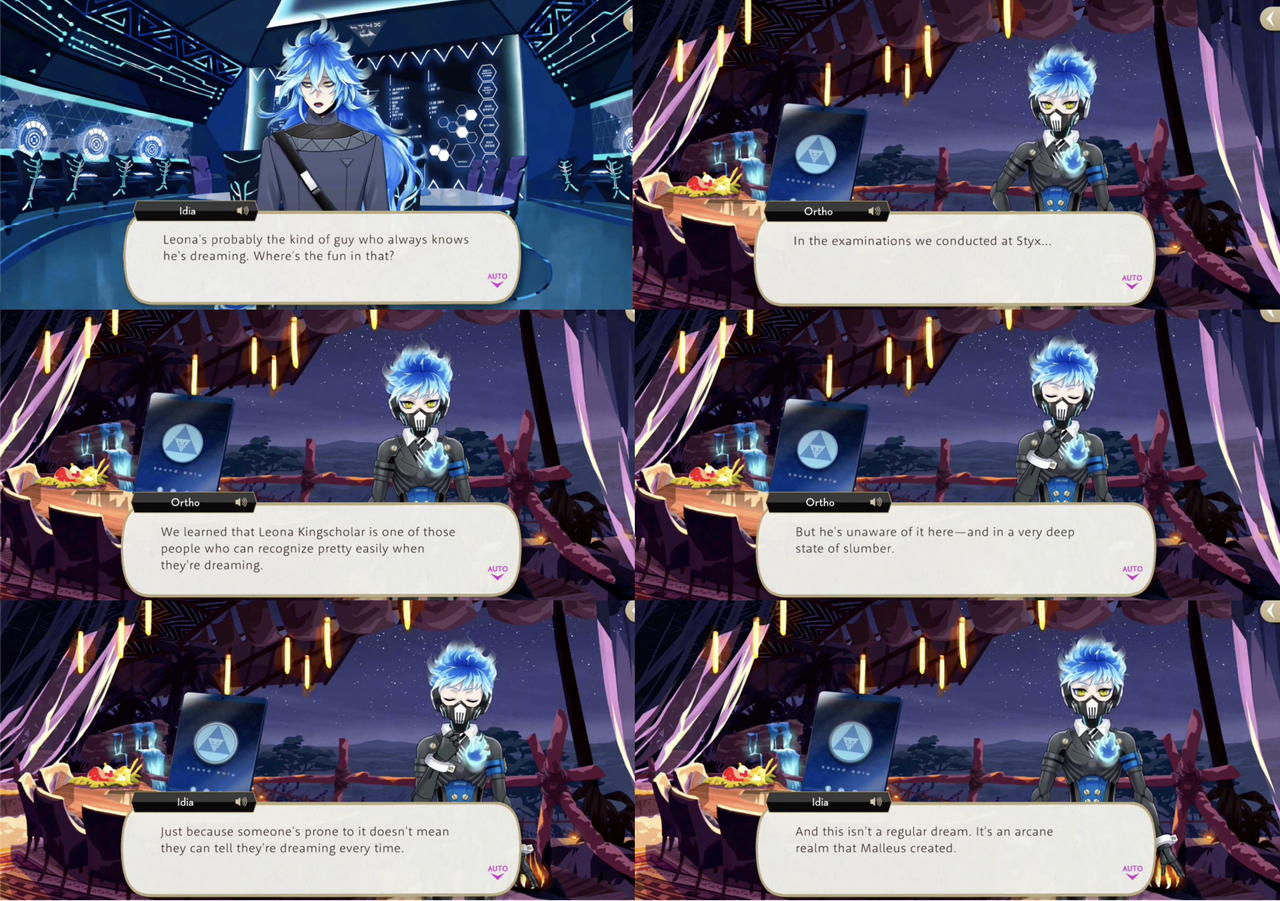
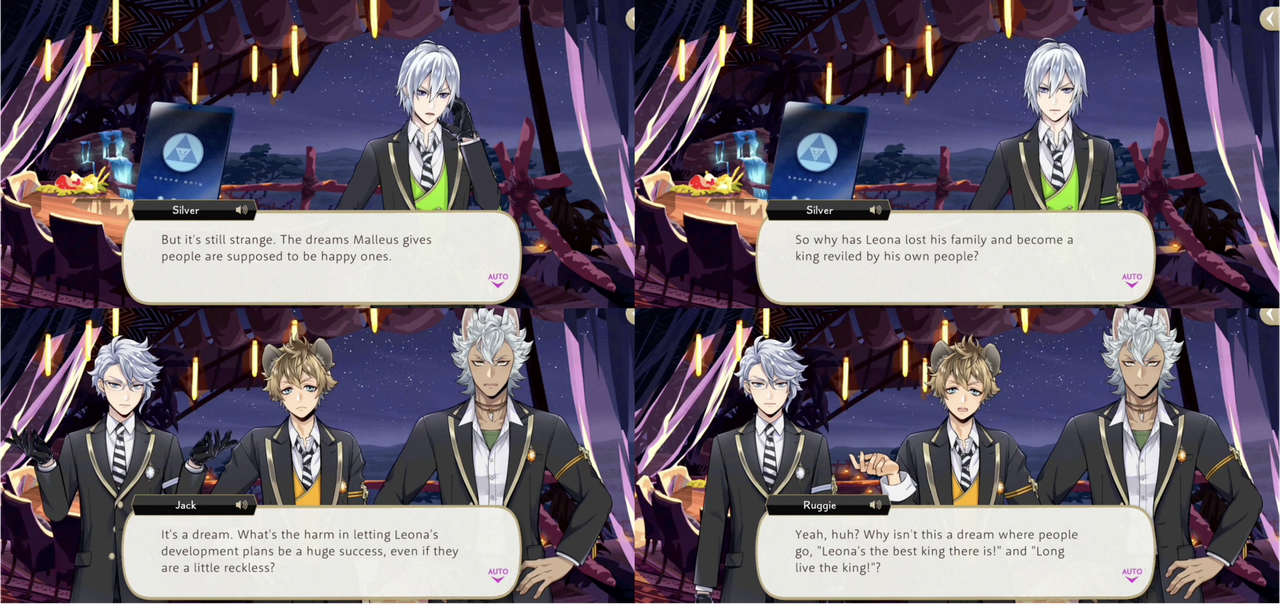
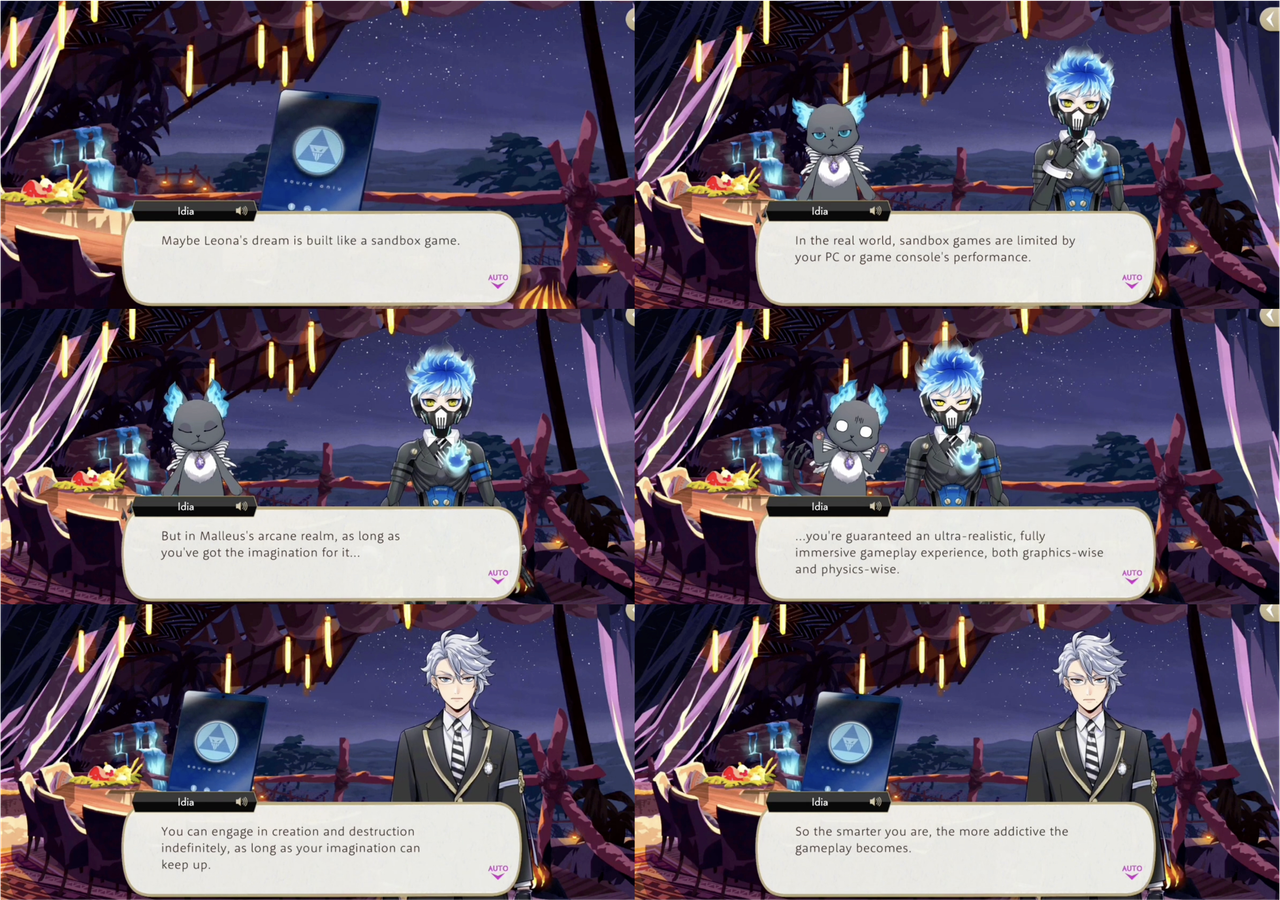
“In Malleus’s arcane realm, as long as you’ve got the imagination for it you’re guaranteed an ultra-realistic, fully immersive gameplay experience…the smarter you are, the more addictive the gameplay becomes.”
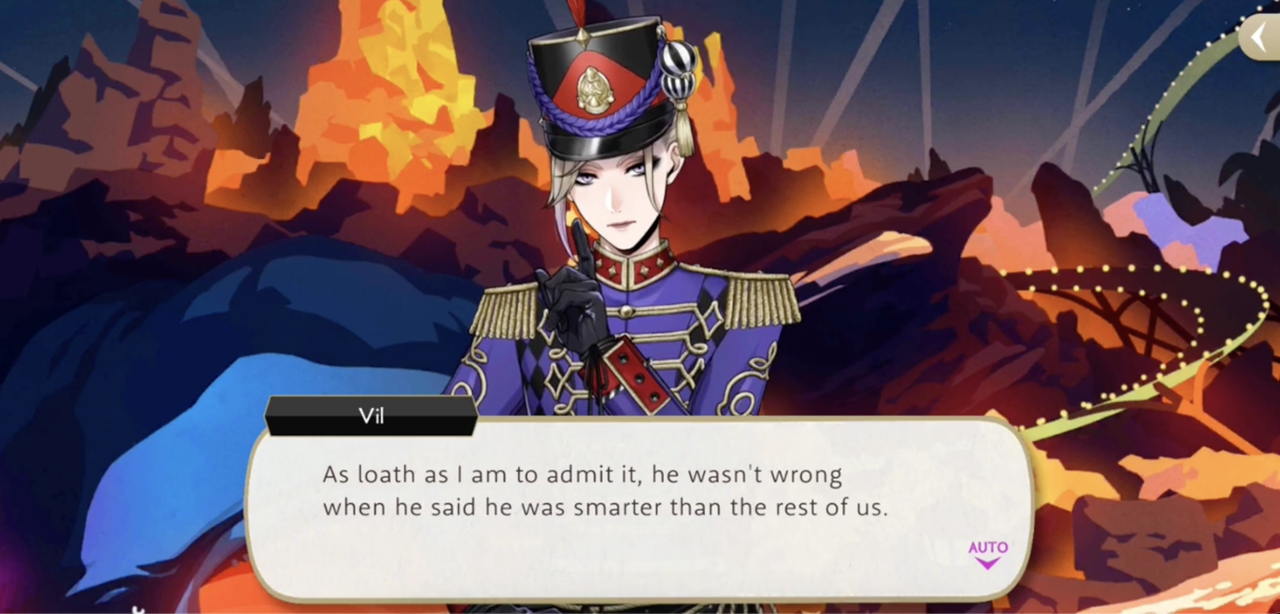
And Leona is, canonically, one of the smartest characters in the cast (Vil: “(Leona) wasn’t wrong when he said he was smarter than the rest of us”).
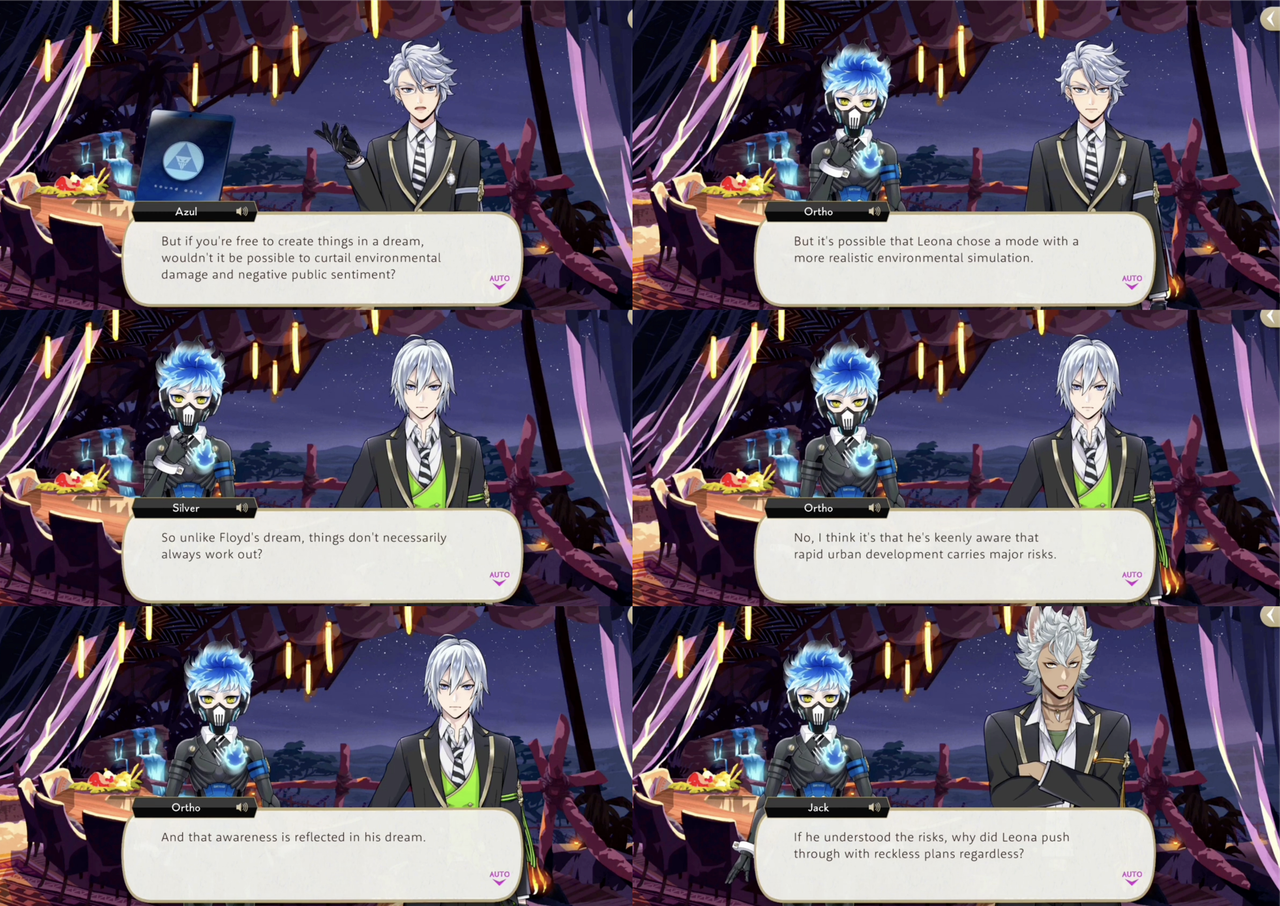
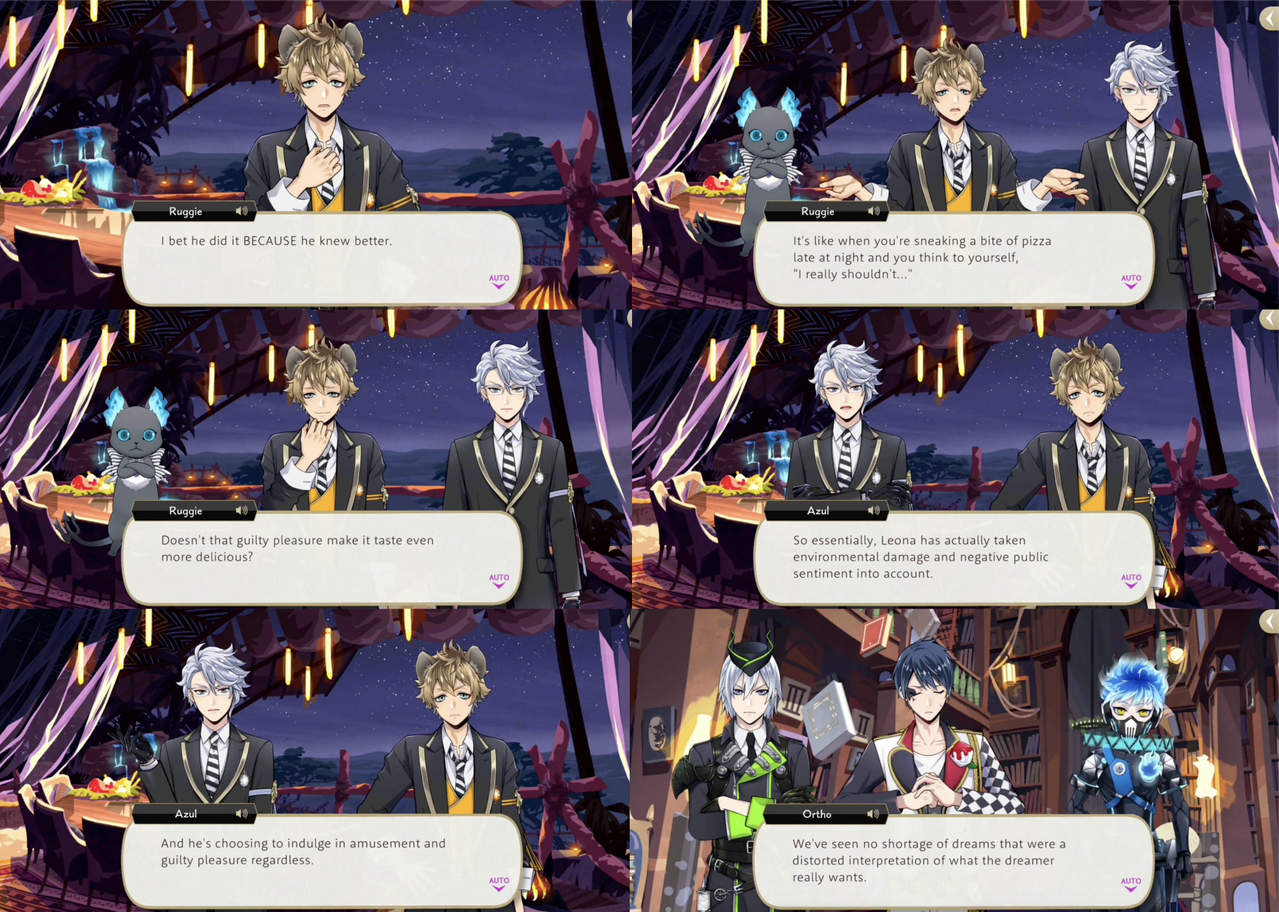
Ortho explains, “he’s keenly aware that rapid urban development carries major risks,” and when Jack asks why he pushed through despite that awareness Ruggie suggests, “I bet he did it BECAUSE he knew better. It’s like when you’re sneaking a bite of pizza late at night and you think to yourself, ‘I really shouldn’t…’:
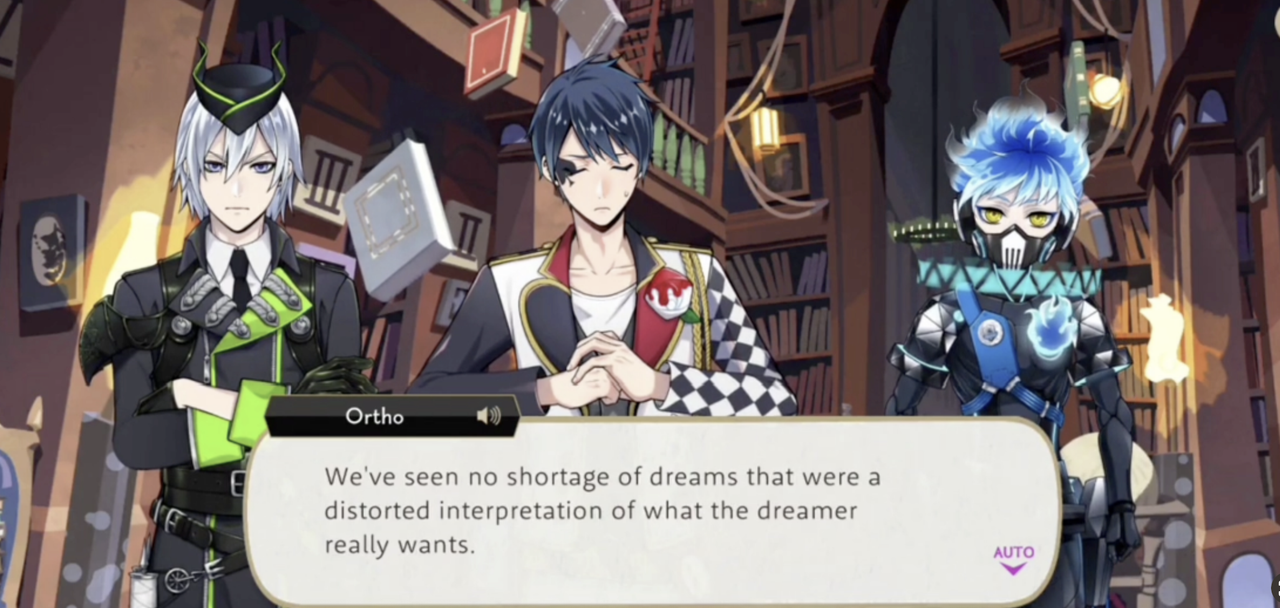
Leona took environmental damage and negative public sentiment into account and chose to indulge in amusement and guilty pleasure regardless, with his dream possibly less so reflecting happiness than it does the satisfaction of acting contrary to the restraints that have been placed on him by societal expectations, much as he is seen doing in reality (and later Ortho explains to Deuce, “We’ve seen no shortage of dreams that were a distorted interpretation of what the dreamer really wants,” possibly in a reference to the most recent dream they have seen: Leona’s).
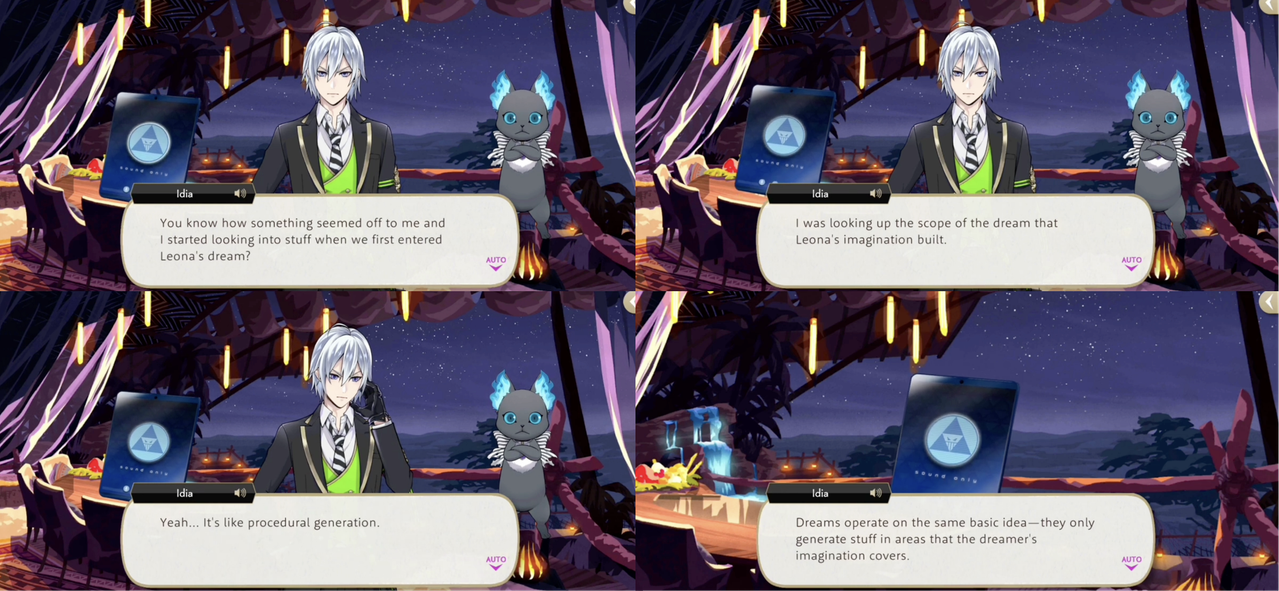
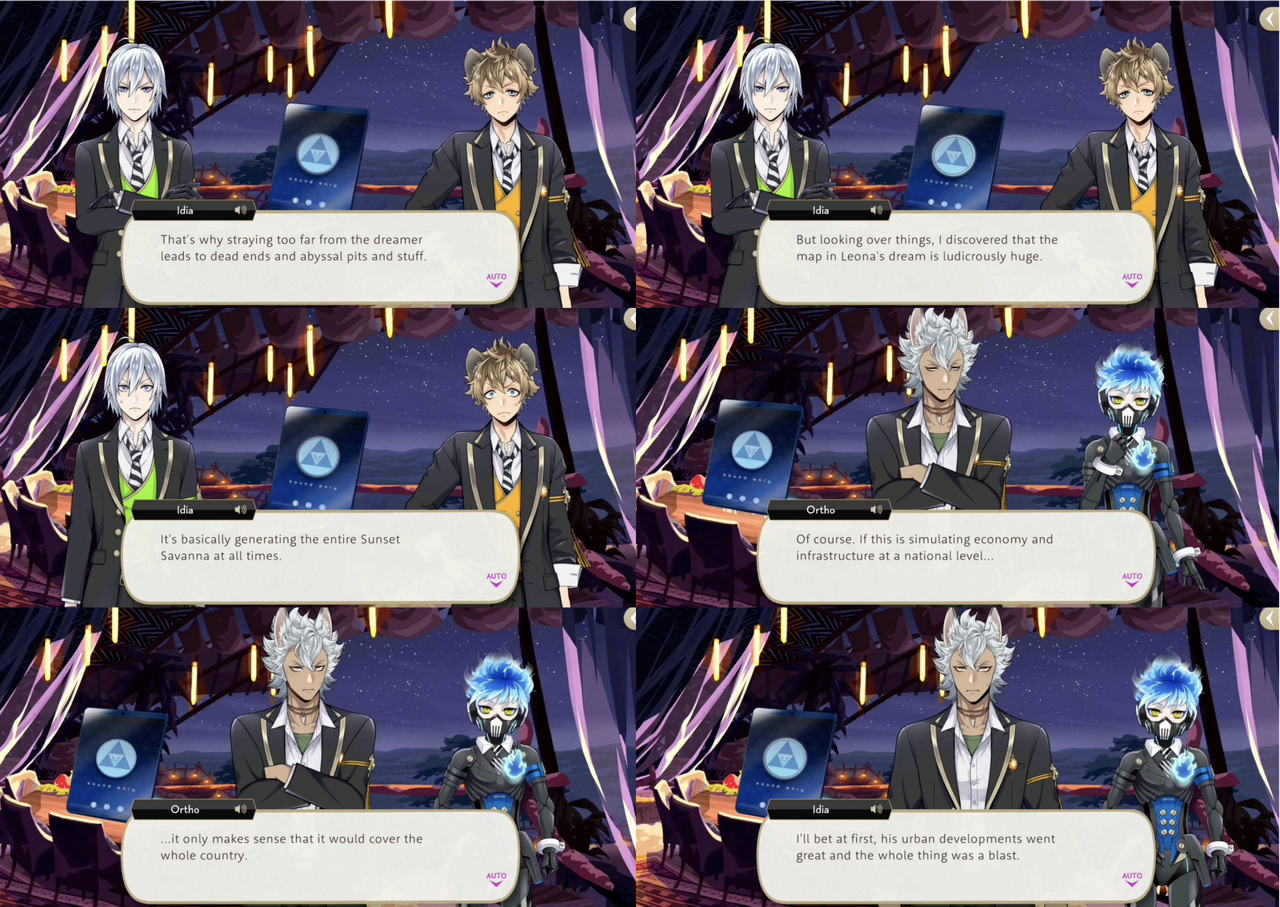
And there is more that makes Leona’s dream unique: Idia explains that dreams only generate NPCs and scenery in areas that the dreamer’s imagination covers, which is why straying too far from a dreamer in their dream leads to dead ends and abyssal pits. But Leona’s dream “is ludicrously huge. It’s basically generating the entire Sunset Savanna at all times.”
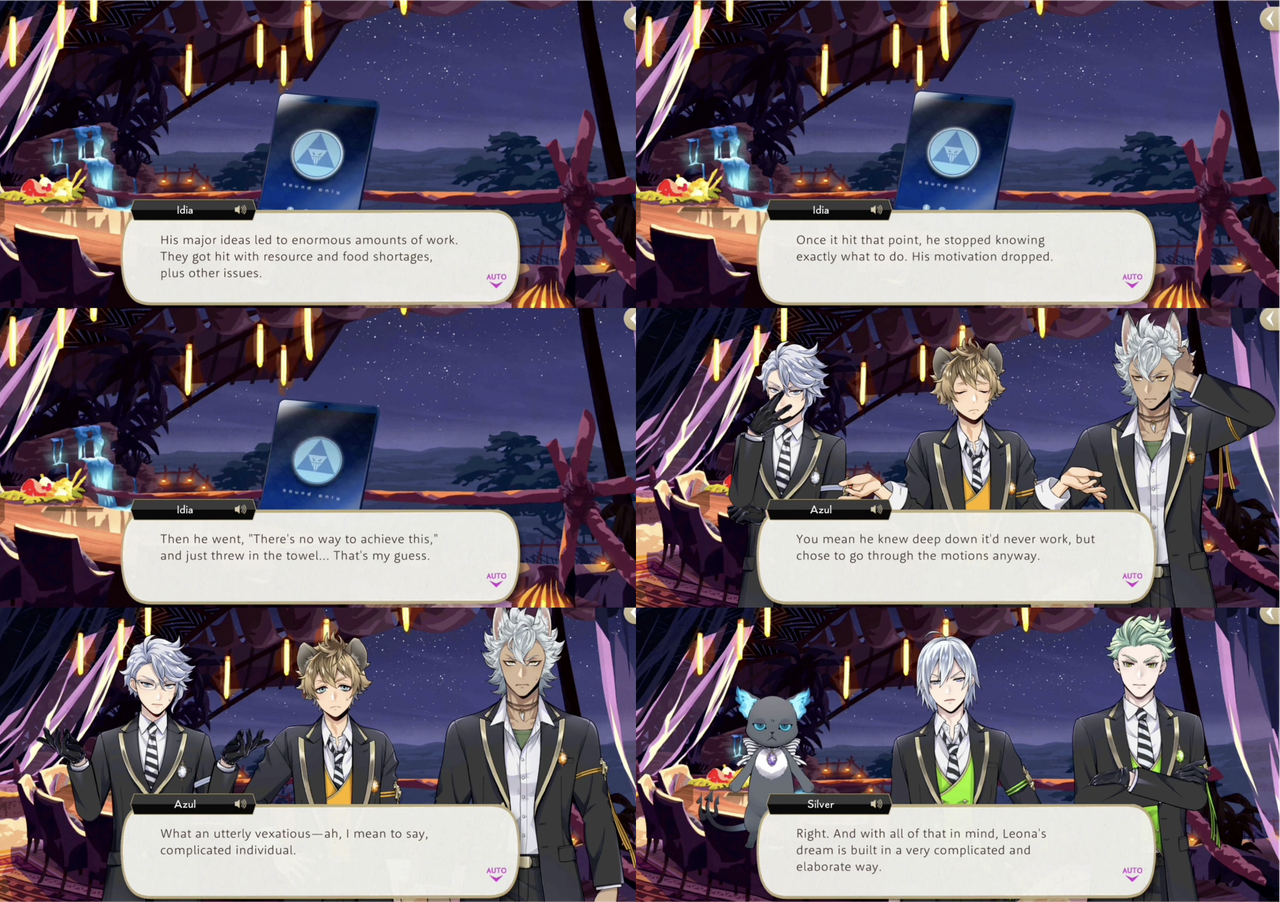
Idia theorizes that Leona’s ideas led to enormous amounts of work that were then hit with resources and food shortages, at which point he stopped knowing exactly what to do and lost his motivation.
Azul observes, “You mean he knew deep down it’d never work, but chose to go through the motions anyway. What an utterly vexatious—ah, I mean to say, complicated individual.”
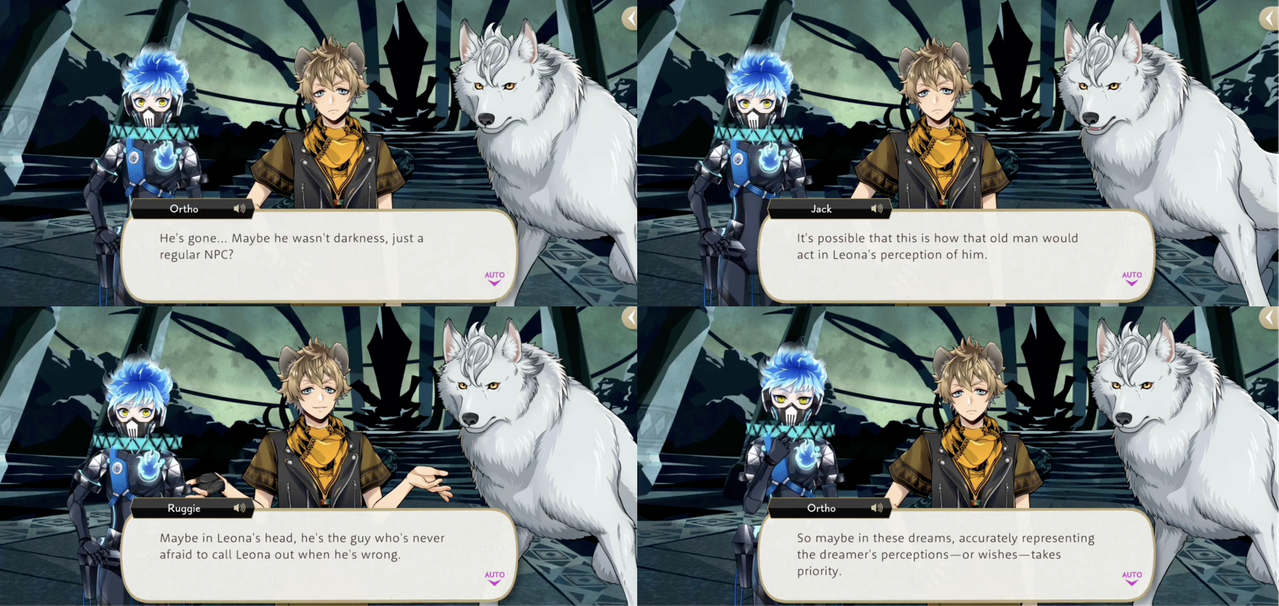
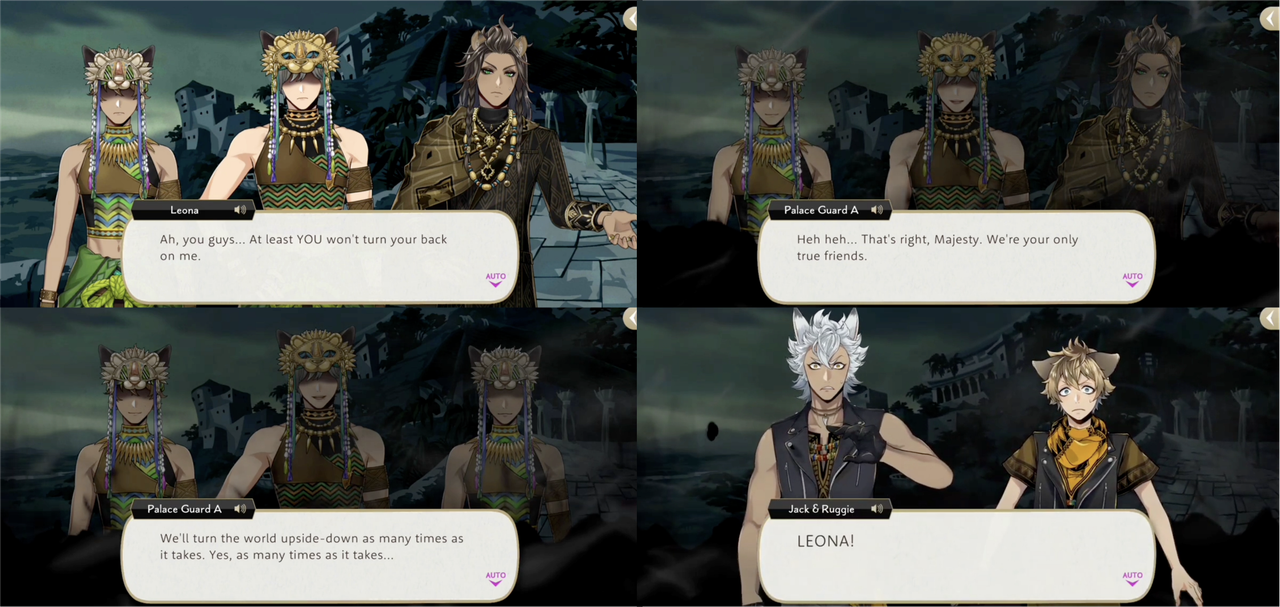
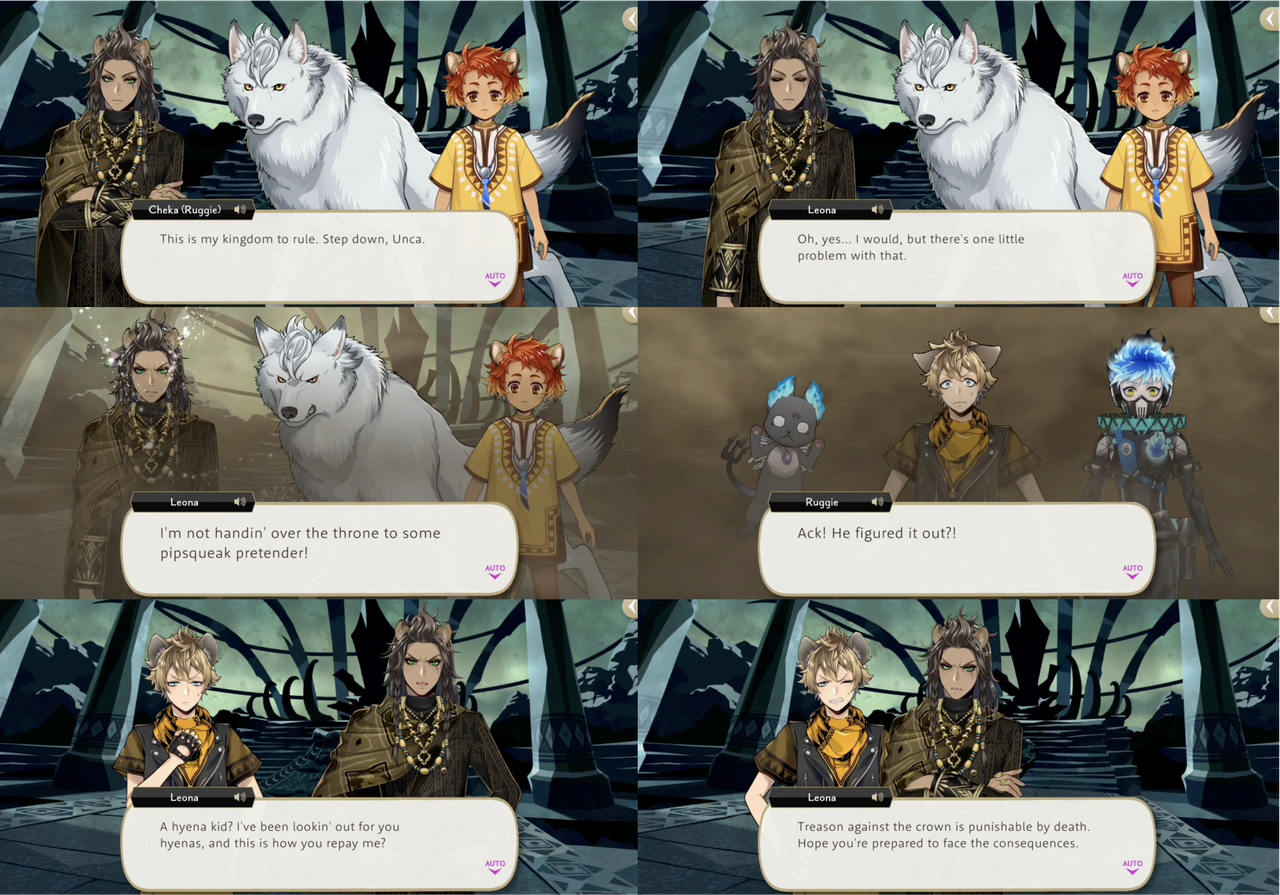
The dream-infiltrating team attempts to force Leona awake by animating a decoy of Cheka via Ruggie’s unique magic that fails to fool Leona, leading to him turning on Ruggie, whom he does not seem to recognize.
Leona then saves Ruggie from himself via Kifaji, whom Ruggie guesses is a person that Leona sees as someone who is never afraid to call him out when he is wrong. Leona meets up with NPCs made of darkness who promise they are his only true friends and drag him into a deeper sleep.
 Twisted Wonderland Reference Note