
Short answer: It seems Malleus could not imagine the time before his birth, and the power of magic is imagination. Dreamers design the dreams and Malleus applies the rules, and Lilia designed a dream that locked Malleus out.
As a result, Malleus turned Lilia—the person he wanted to save—into the one person capable of suffering.
Long answer: Silver asks himself the same question, and we see on-screen the moment when Lilia’s anti-Malleus protection drops and the dream adapts accordingly (more below).
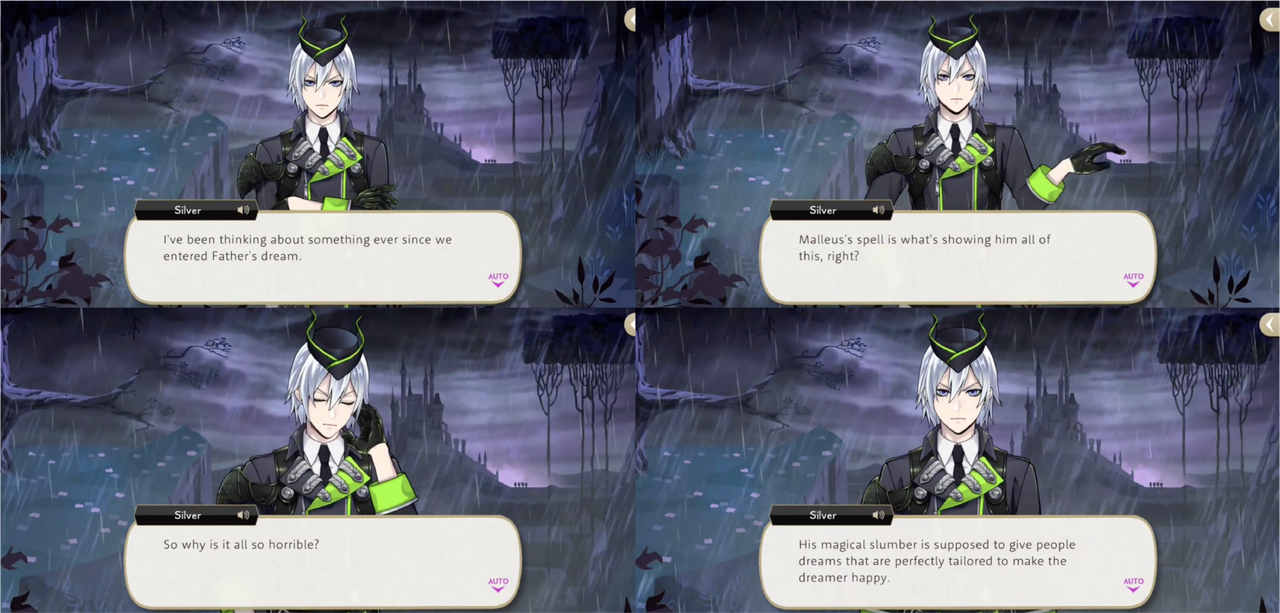
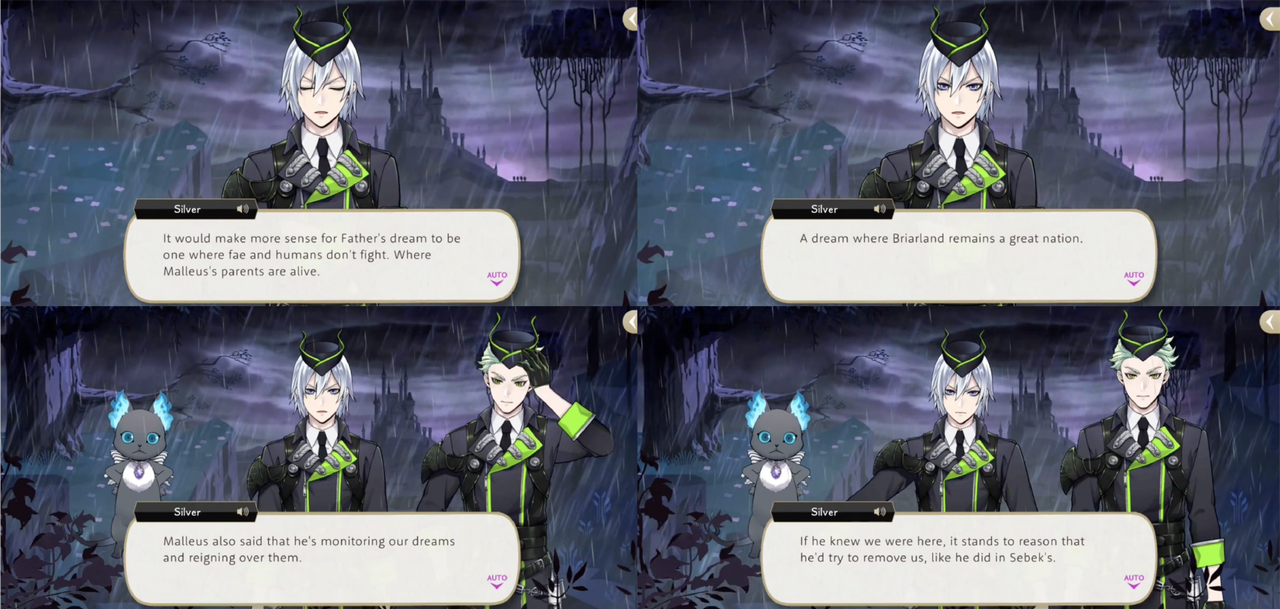
Silver: I’ve been thinking about something ever since we entered Father’s dream. Malleus’s spell is what’s showing him all of this, right? So why is it all so horrible? If we take Malleus at his word, his magical slumber is supposed to give people dreams that are perfectly tailored to make the dreamer happy. It would make more sense for Father’s dream to be one where fae and humans don’t fight. Where Malleus’s parents are alive. A dream where Briarland remains a great nation. Malleus also said that he’s monitoring our dreams and reigning over them. If he knew we were here, it stands to reason that he’d try to remove us, like he did in Sebek’s.
Later, Silver realizes why the Face-Human war of 400 years in the past is the subject of Lilia’s dream:
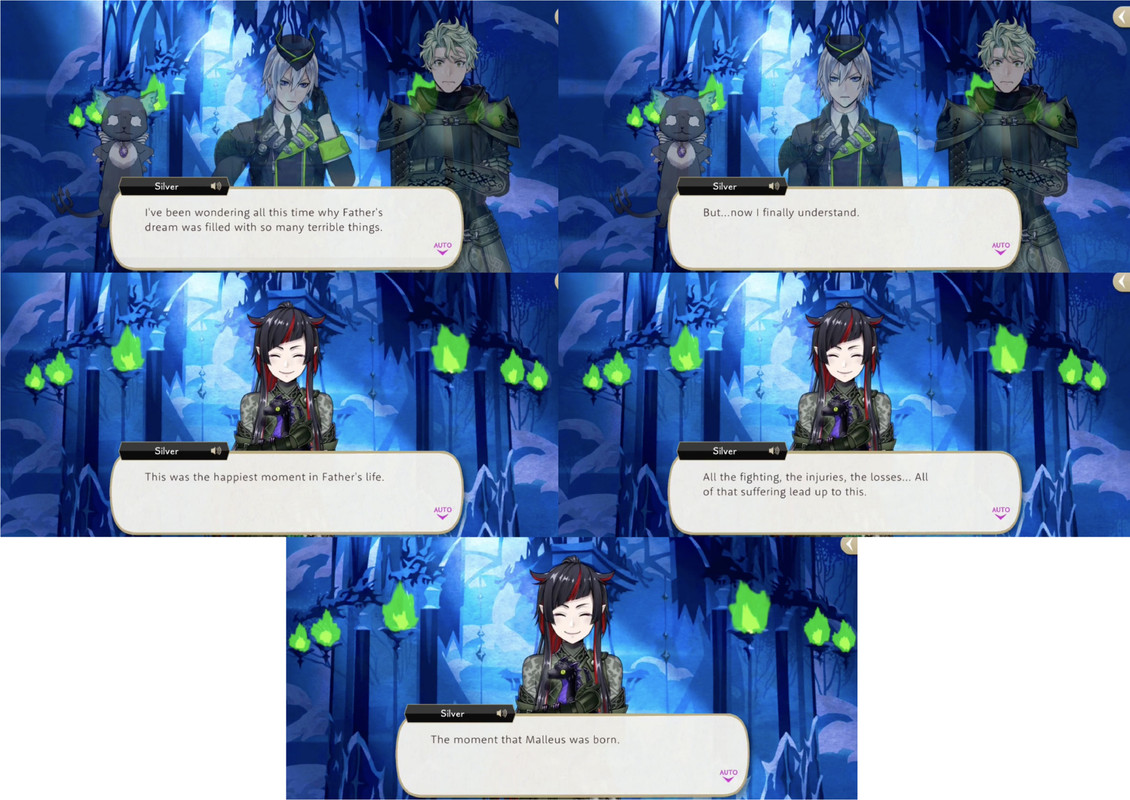
I’ve been wondering all this time why Father’s dream was filled with so many terrible things. But…now I finally understand. This was the happiest moment in Father’s life. All the fighting, the injuries, the losses…all of that suffering lead up to this. The moment that Malleus was born.
This is an interesting paradox, as—according to the rules of the dreams, created by someone who cannot comprehend the concept of happiness derived from pain—Lilia should not be able to feel losses or suffering at all.
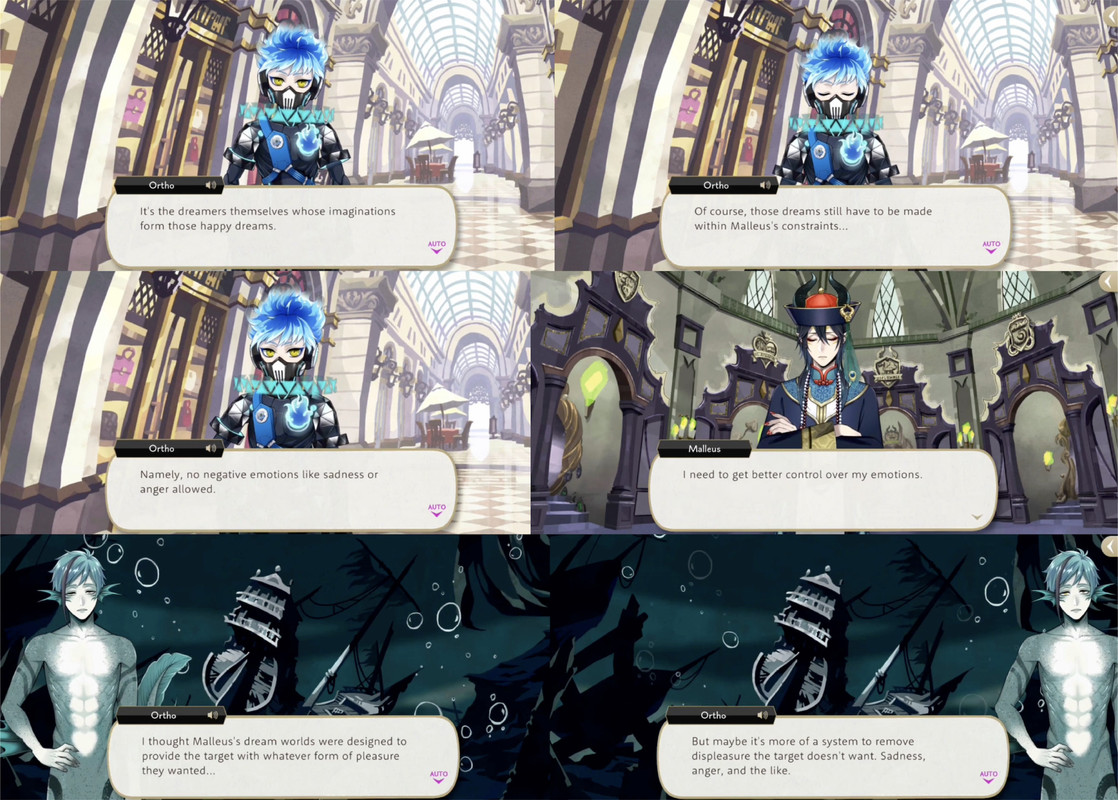
Ortho: “I thought Malleus’s dream worlds were designed to provide the target with whatever form of pleasure they wanted…but maybe it’s more of a system to remove displeasure the target doesn’t want. Sadness, anger, and the like.”
And it is possible that our explanation is simply that Malleus didn’t actually know what happened 400 years ago.
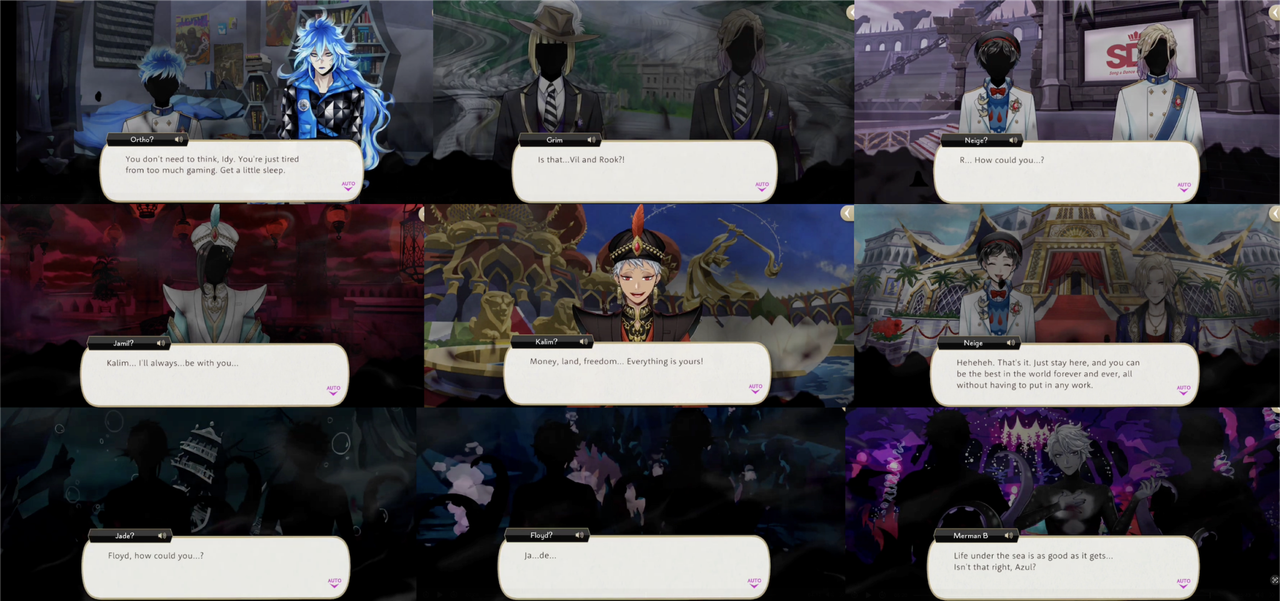
But Malleus presumably doesn’t know about the death of human Ortho, or about Vil’s struggles with Neige, or about Jamil’s and Kalim’s and Azul’s and Floyd’s and Jade’s inner turmoils—how could he?—and yet, those details are all personalized to each dreamer beyond Malleus’ comprehension.
As Ortho explains, “It’s the dreamers themselves whose imaginations form those happy dreams.”
Malleus doesn’t actually have to know details from the dreamers’ personal lives: it is the dreamers themselves who are unknowingly crafting their own prisons. Malleus’ influence is the removal of negativity.
So why is Lilia alone different? It is possibly because of: imagination.
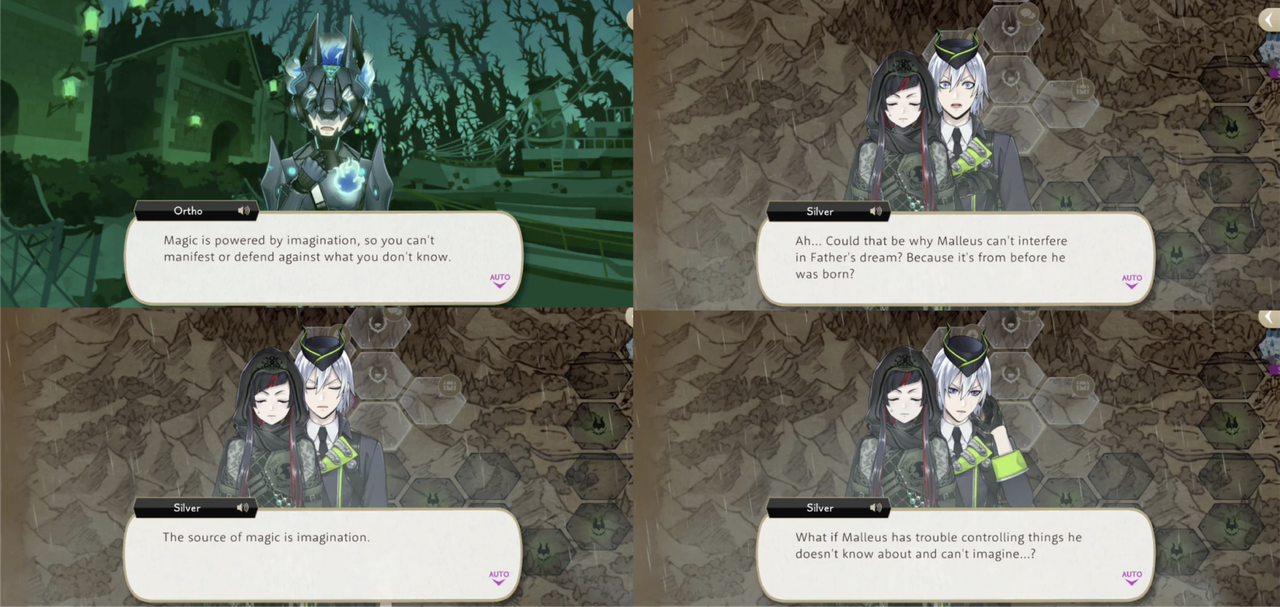
Ortho realizes that Malleus cannot manifest or defend against what he doesn’t know, and Silver guesses that Malleus isn’t interfering in Lilia’s dream—is unable to set the “no sadness, no pain” regulations—because it takes place before he was born.
Sebek makes a similar connection: “Perhaps there’s some reason that Malleus can’t monitor Lilia’s dream.”
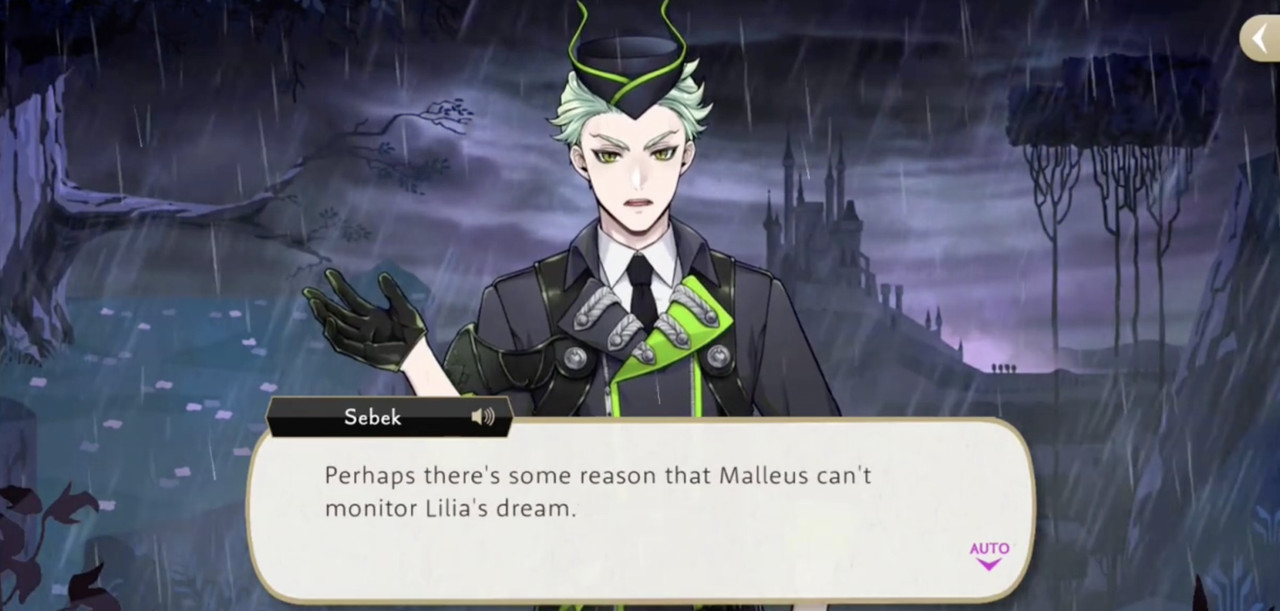
Malleus cannot imagine things that took place before his own birth, and he cannot control things that he cannot imagine. He put Lilia to sleep but it was Lilia who made the dream, and it just happened to be a dream that locked Malleus out.
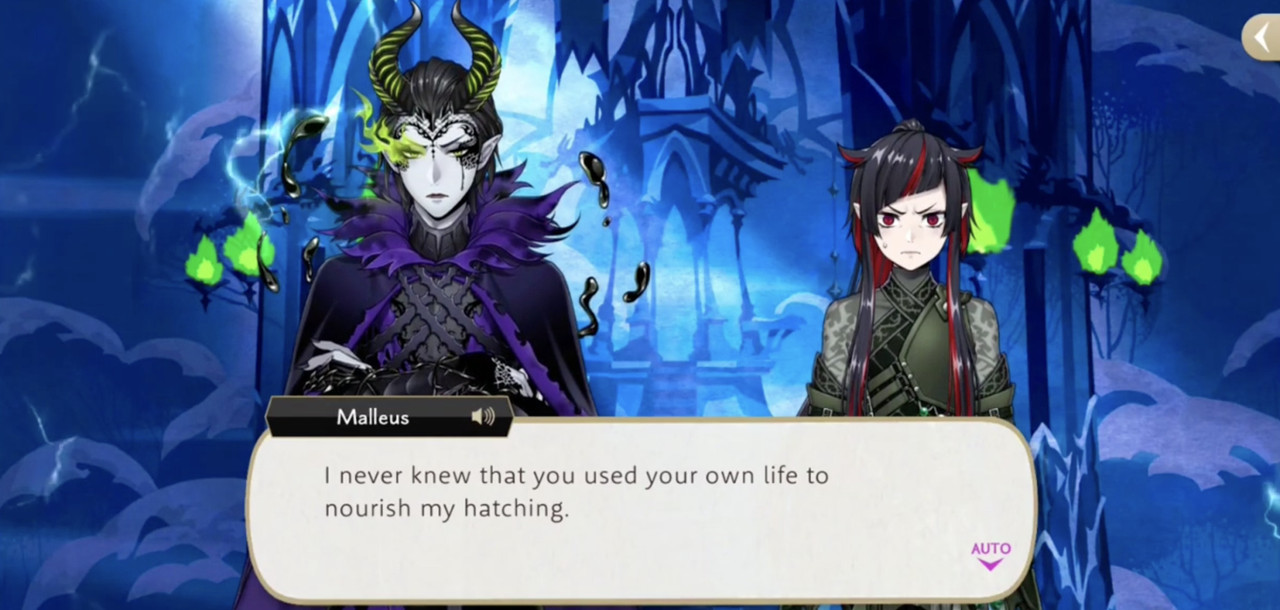
And we even see the exact moment in Lilia’s dream where the “pre-Malleus” barriers of Lilia’s dream come down: when the dream overrides the reality of the abuse Lilia suffered after saving Malleus’ life, replacing it with the senate praising him as a hero, instead.
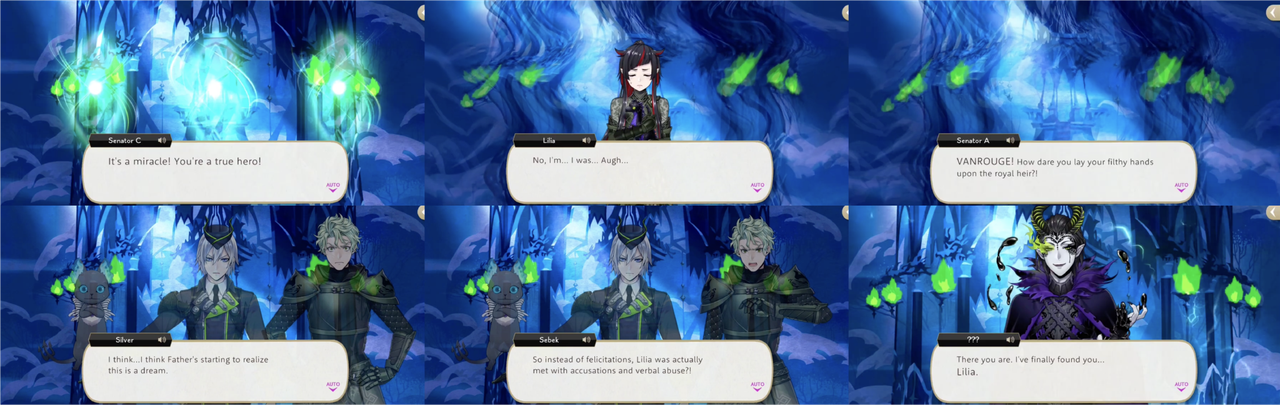
But this wasn’t a one-time exception or from Malleus successfully forcing his way inside, it was because Malleus had finally been born, enabling the “no sadness” rules to be implemented for the very first time, as the only thing keeping him out was Lilia dreaming of events from before his birth.
No birth = no imagination = no rules, yes birth = yes imagination = yes rules?
And this brings us back to Idia’s explanation of what it is that Malleus is doing:
Idia describes Malleus as a “server admin” using copies of himself to handle players committing TOS violations.
The “copies of himself” wording might make it sound as though Malleus Draconia lookalikes exists in every single dream, but it seems that this phrasing wasn’t meant to be literal copies of Malleus, like what we saw in Idia’s dream. Malleus could not show up in a dream like Jade’s, for example, without causing a paradox that would break things down.
But the Malleus-copy in Idia’s dream might not have been only Malleus himself. It might have also been human Ortho.


Ortho: Unlike with Epel and Rook, the GM is by the dreamers side at all times here. Considering circumstances were much the same with my brother…that might mean even Malleus is wary of housewarden-class mages, and keeps them under tighter surveillance.
The GMs—the Malleus copies—are the characters like Neige for Vil, etc. Idia refers to them as clones, but they are not visually multiple Malleuses.
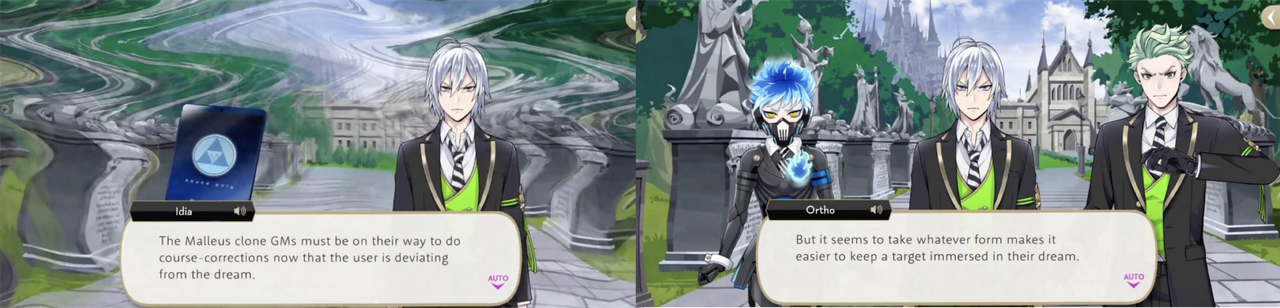
As Vil and Rook appear in Epel’s dream Idia says outright, “The Malleus clone GMs must be on their way to do course-corrections now that the user is deviating from the dream.”
Ortho follows with, “it seems to take whatever form makes it easier to keep a target immersed in their dream.”
And while Lilia had multiple NPCs in his dream (Baul, Henrick, Maleanor, Knight of Dawn, etc.), there was never a point when one of them tried to convince Lilia to stay asleep, which we have seen happen to every single other dreamer up until this point.
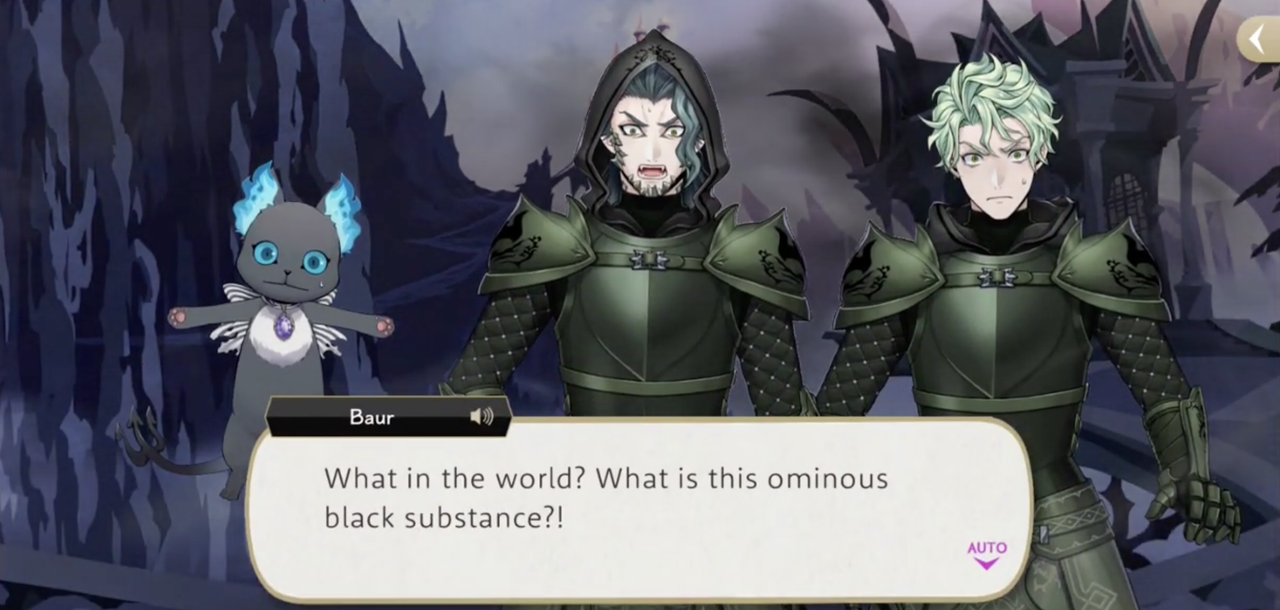
Baul is even surprised by the darkness. Unlike Neige and dream-Kalim/Jamil/Azul/Jade/Floyd, Baul is not self aware.
Lilia’s dream maybe did not have any Malleus clones in it, because Malleus could not get in.
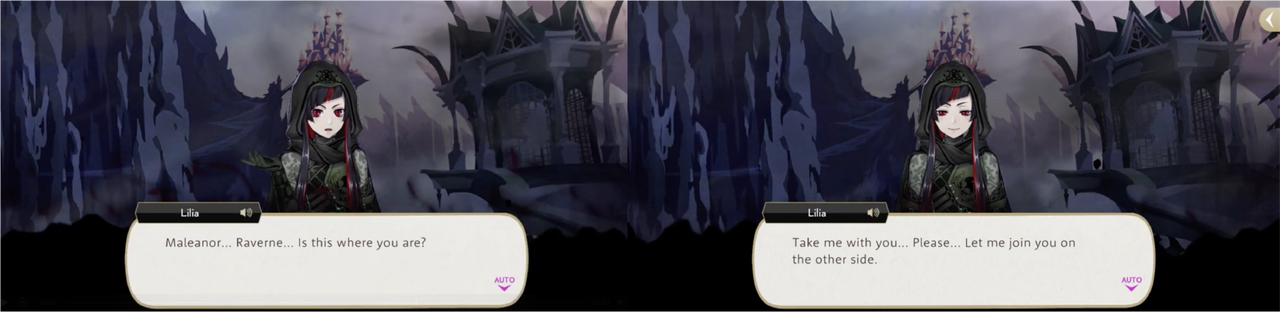
Lilia’s despair at Maleanor’s death and his loss of Egg-sama does summon darkness within his dream, but the darkness of Lilia’s dream is curious: when Lilia is dragged into the abyss by the darkness it does not take the form of anyone he knows, or even speak to him.
The darkness simply appears and Lilia succumbs to it, much like it responded to Sebek’s happiness at the thought of remaining in Lilia’s dream forever, and Silver’s breakdown with the revelation of his lineage.
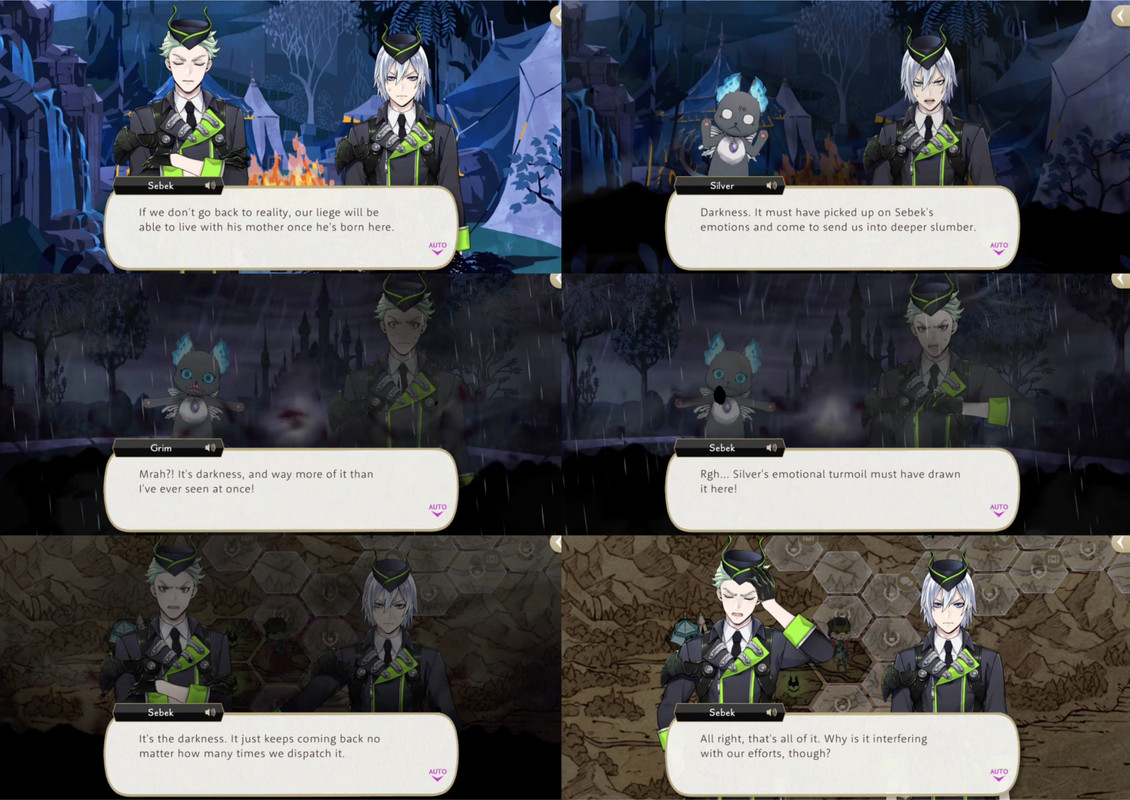
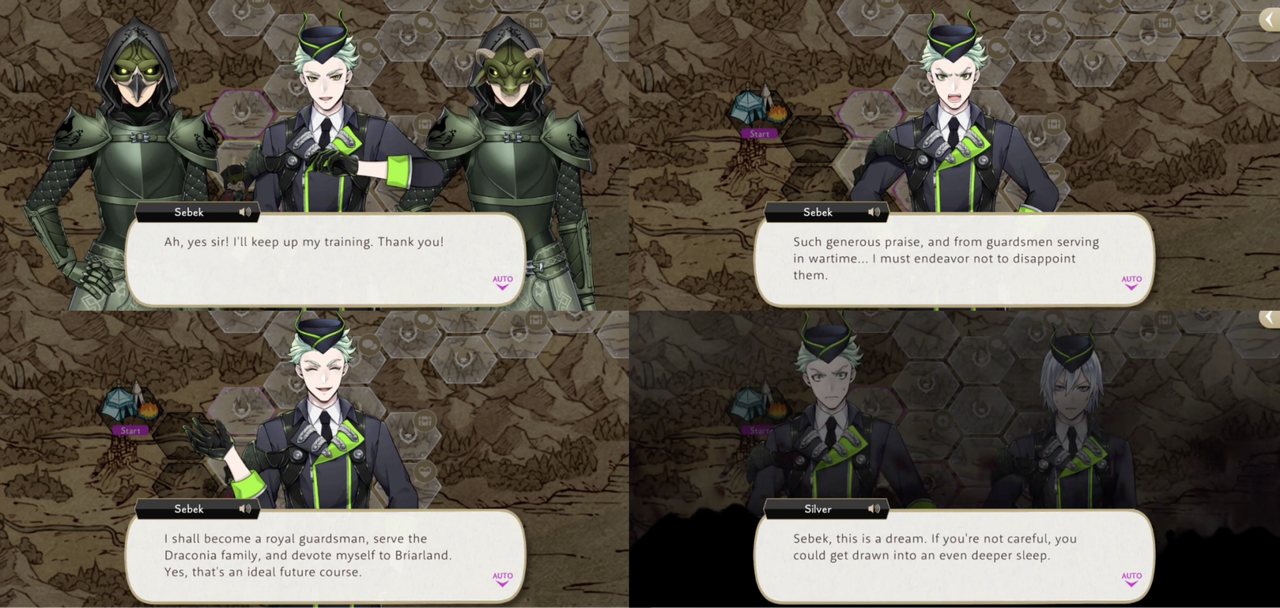
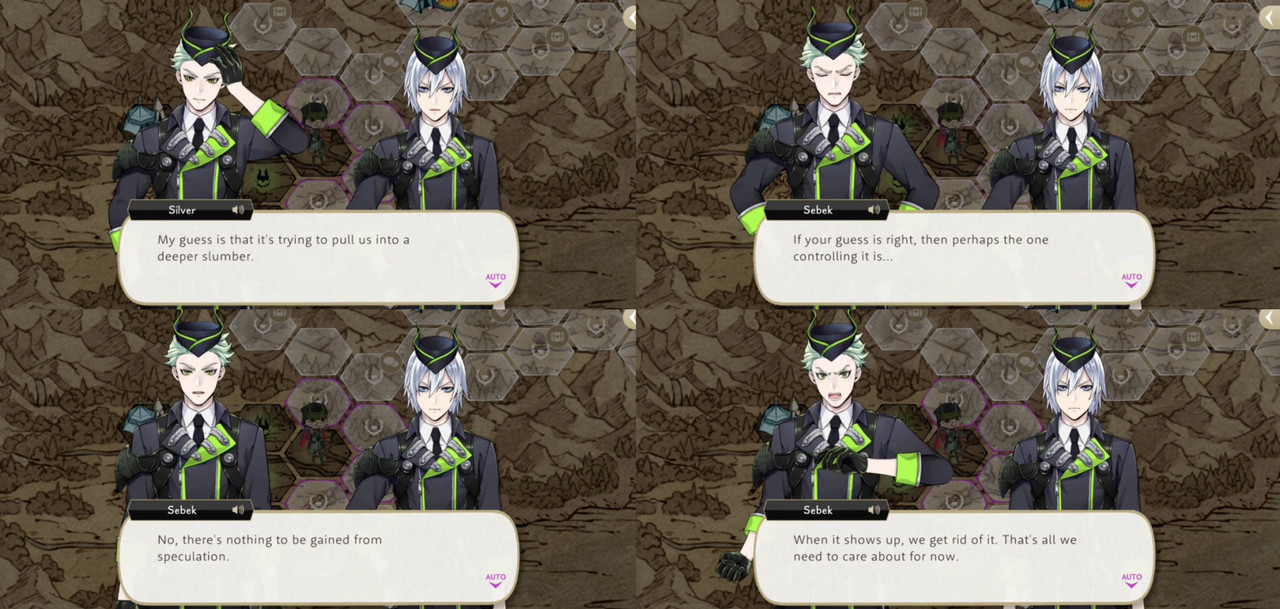
The darkness pursues the soldiers constantly throughout all of Lilia’s dream, even when nothing particularly terrible or wonderful is happening. Sebek wonders if it is under Malleus’ control but he does not actually know, and neither do we.
Maybe the darkness of Lilia’s dream was an effect of Malleus trying and failing to force his way into a world beyond his comprehension?
It is possible that, with Malleus’ ability to infiltrate Lilia’s dream compromised by the limits of his own imagination, Malleus was never able to enforce the rules of the dreamworld, trapping Lilia in a dream of pain and loss beyond even Malleus’ control.
 Twisted Wonderland Reference Note