
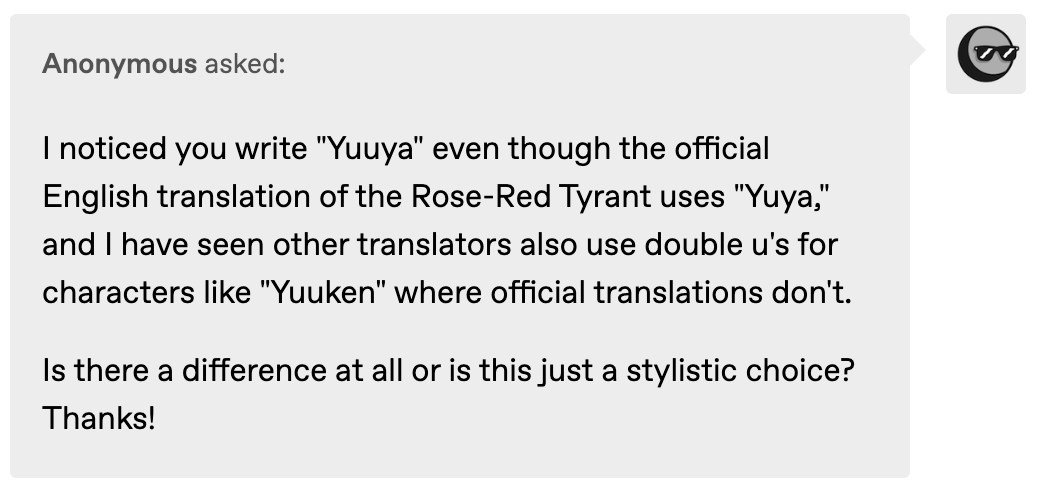
For just “Yuu” alone we can refer to the official promotional video for the manga, which listed “Yuu” with an additional u sound after “yu,” written in katakana. But rules can be flexible with romaji.
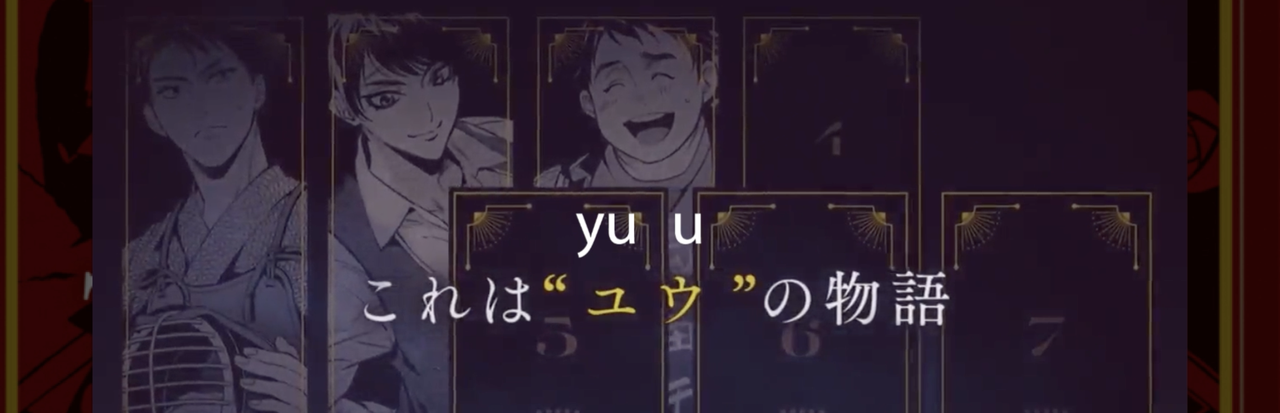
The name ケイト, for example, can be written as Cater, Cate, Kate, or Keito, and none of these spellings are incorrect.
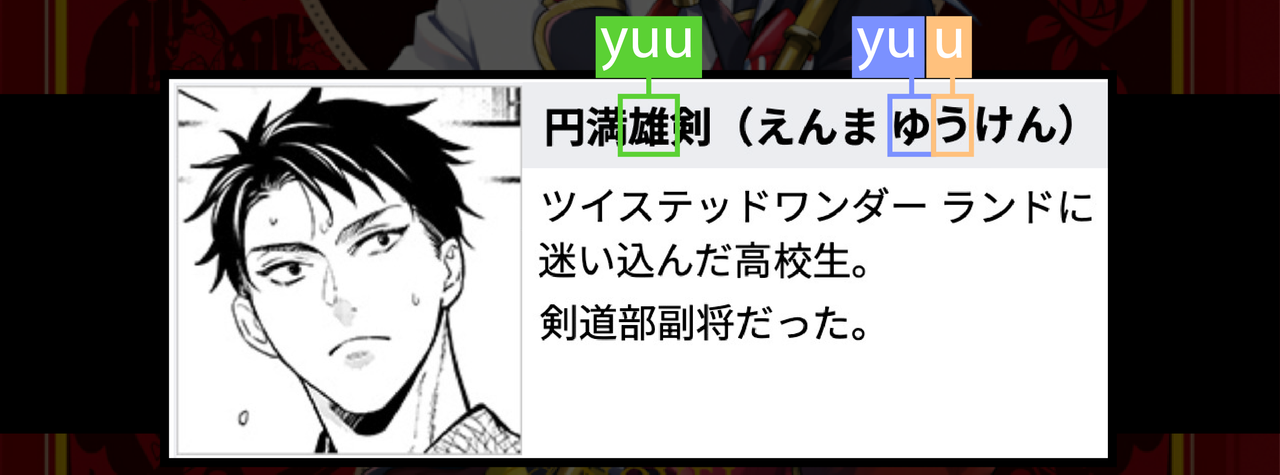
For Yuuken’s name we have kanji that is also being read with with another “u” sound after “yu,” according to the hiragana.
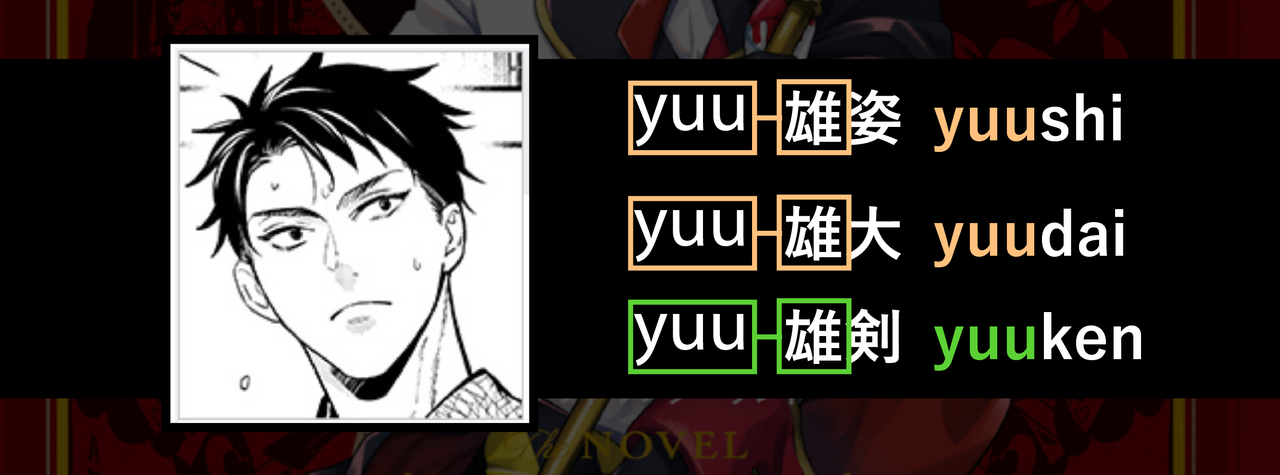
This is a common reading for this kanji, as seen in words like 雄姿 (yuushi) and 雄大 (yuudai). These words cannot be ‘yushi’ or ‘yudai’ with only “yu”. The additional “u” sound is necessary.
But romaji writing can vary with names. In the same way that English names can be spelled or pronounced differently from standard conventions, kanji names often have readings that don’t strictly follow the typical kanji rules.
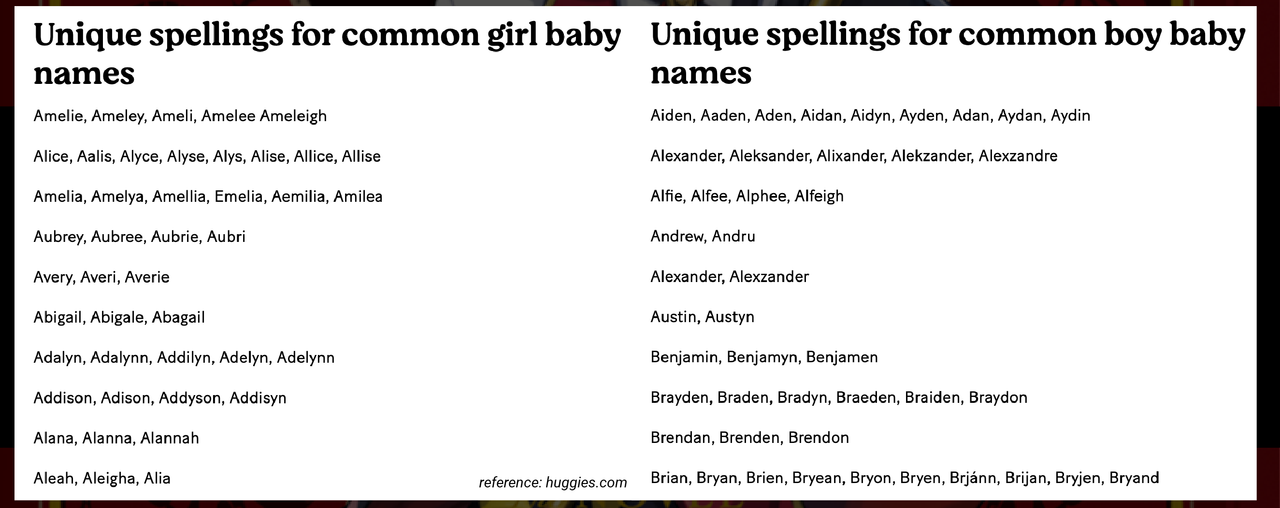
It’s possible to use a variation based on personal preference, and when applying for a passport you can choose the romaji spelling for your name (such as “Yuuken” or “Yuken” for “雄剣”).
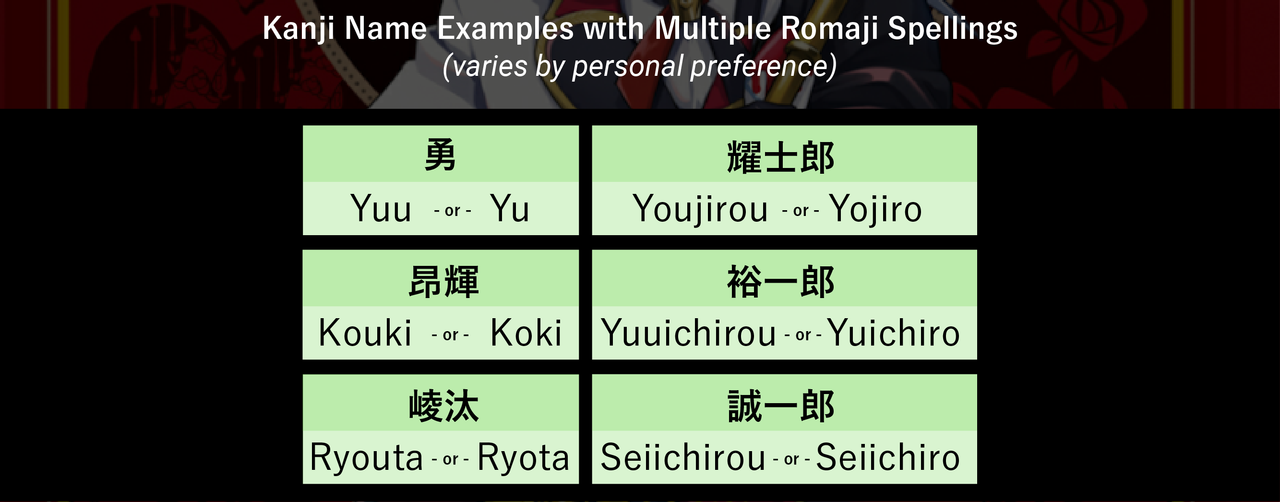
The challenge with fictional characters is that they can’t tell us how they would like us to spell their names in romaji as they do not exist, so this responsibility goes to their creators.
If Yana chooses to write Yuuken as “Yuken”, then that spelling will be correct.
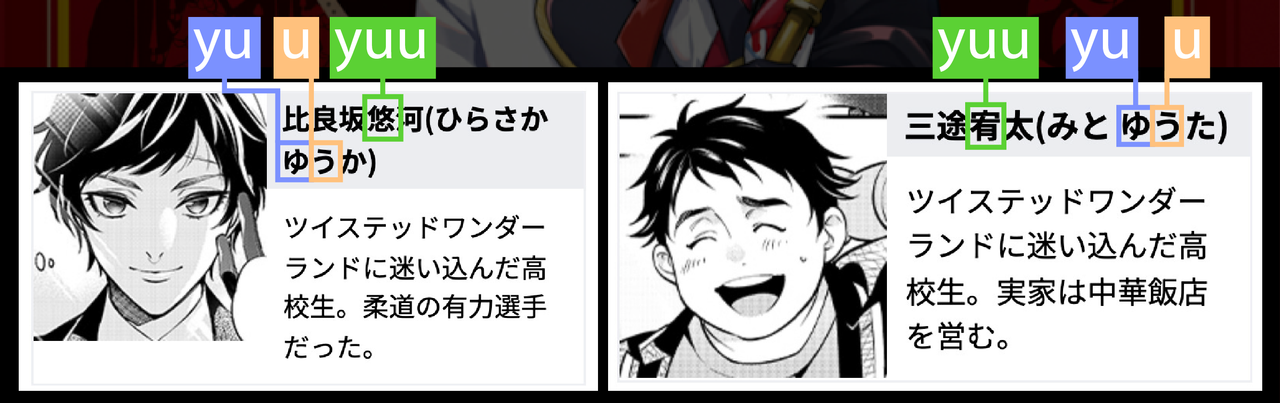
Fan translators often choose more literal spellings for consistency with the hiragana and to preserve pronunciation, such as the hiragana here, which says “yuuka” with an additional “u” sound after “yu” and “yuuta” with an additional “u” sound after “yu,” not “yuka” or “yuta.”
So is writing “Yuken” with one “u” incorrect? Until such a time that Yana or another official JP source confirms, then both are possibilities.
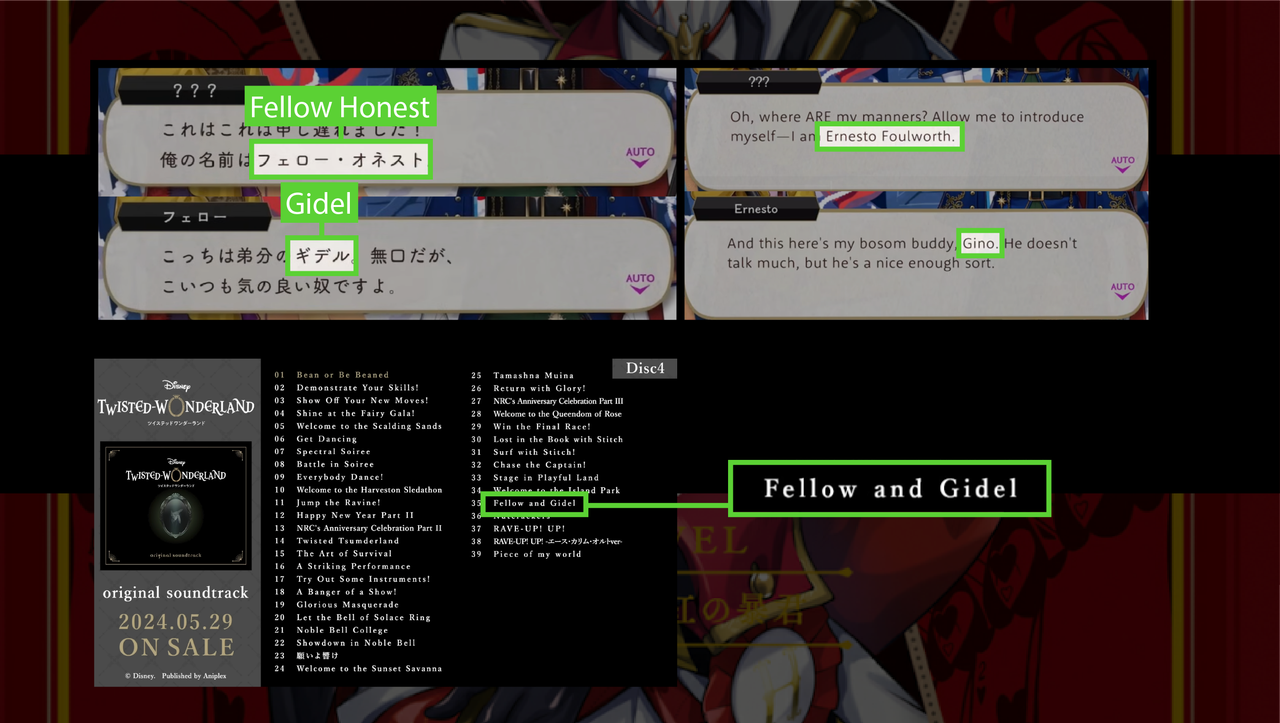
But even if a spelling is revealed by an official JP source it might still not match the English-language localization, much like how the spelling of the name “Fellow” was confirmed on the official soundtrack, but still changed for EN.
This means that Yuu with one “u” might be different, but still correct depending on what your sources are.
 Twisted Wonderland Reference Note