
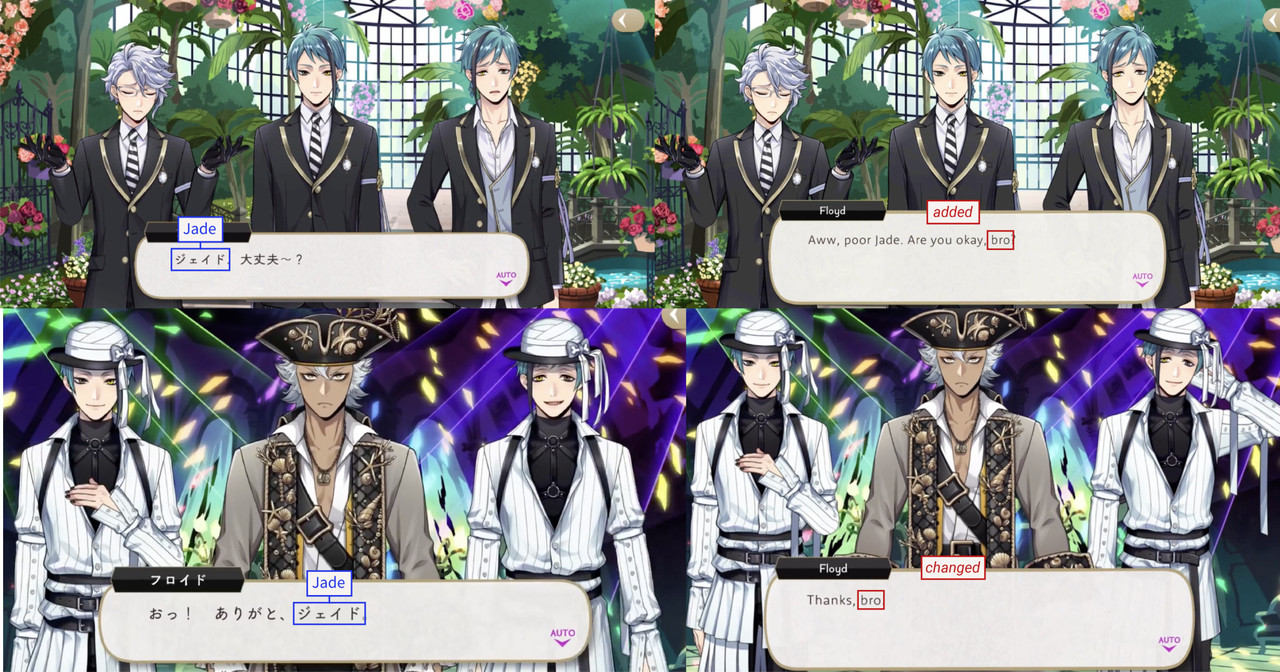
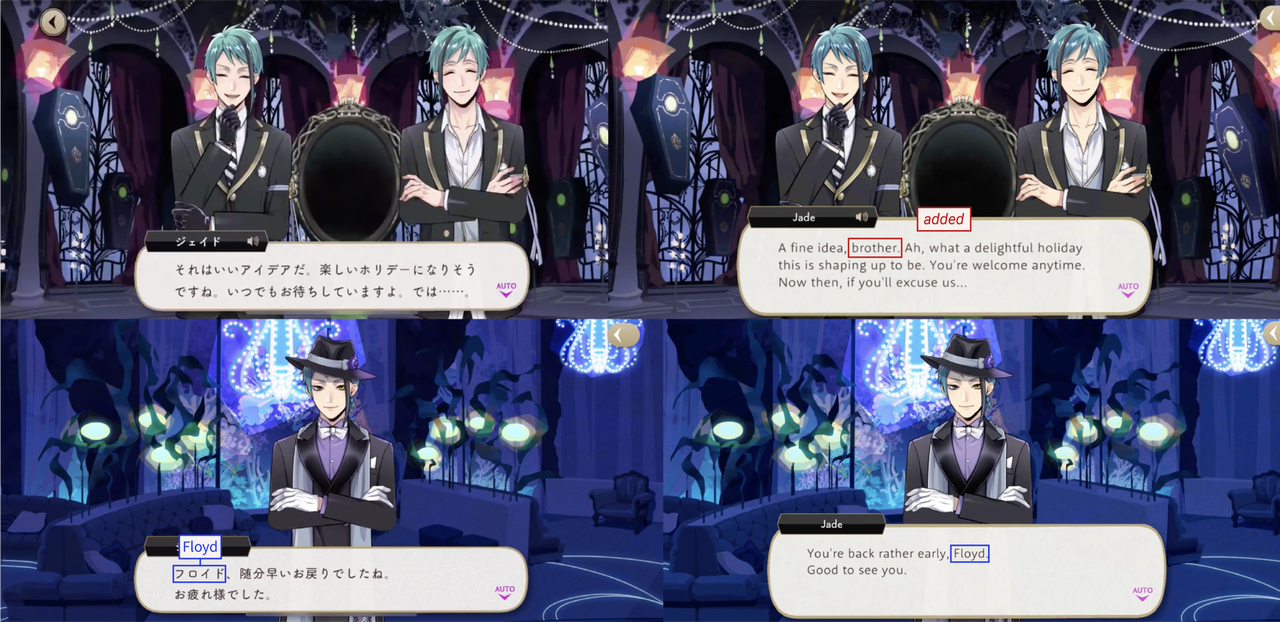
Jade and Floyd call each other, exclusively, by their first names.
“Bro” and “brother” will sometimes be added to their EN dialogue, but those are words they have never actually said.
This is because neither twin is older than the other and there isn’t really a word for just “brother” in the Japanese language that does not insinuate age, with even twins differentiating between who was born first and who was born second, as that is how the language is set up.

You might say that there are kind of two genres of words for “sibling” (and its variations) in the Japanese language:
- Calling: The kind you use in place of your sibling’s name
- Describing: The kind you use just to describe how you are related to one another
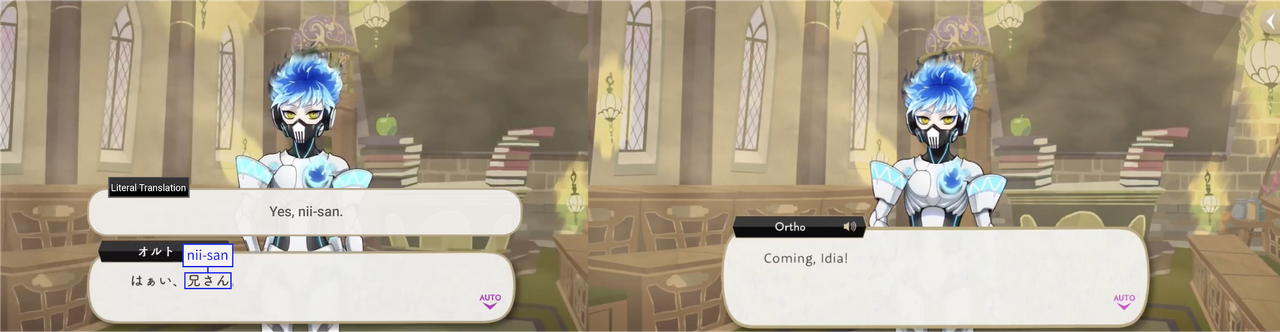
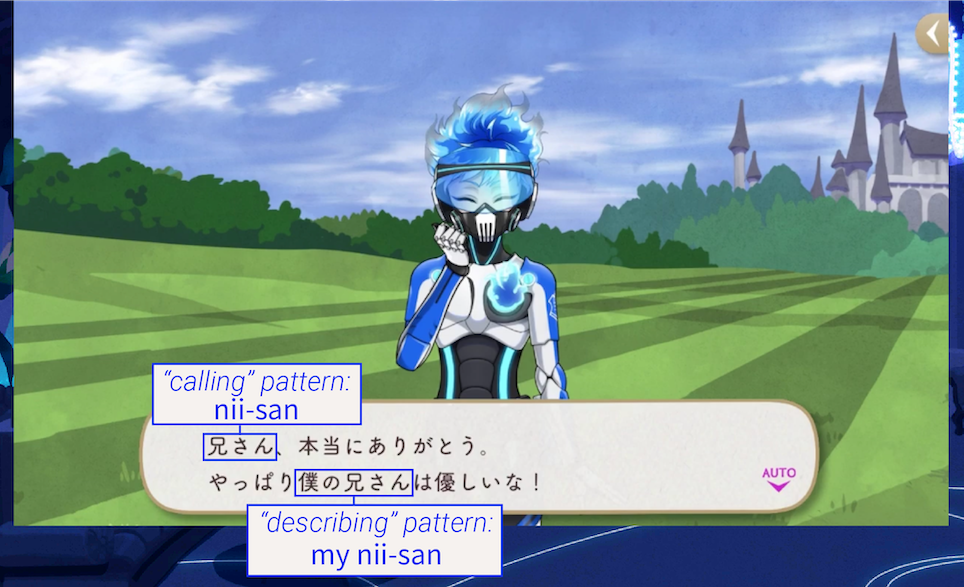
“Calling” pattern: Ortho does not call Idia by name, only by “Nii-san” for “older brother.”
On EN this has been localized as “Idia,” because that is the American-English-language equivalent of what Ortho is doing: calling Idia.
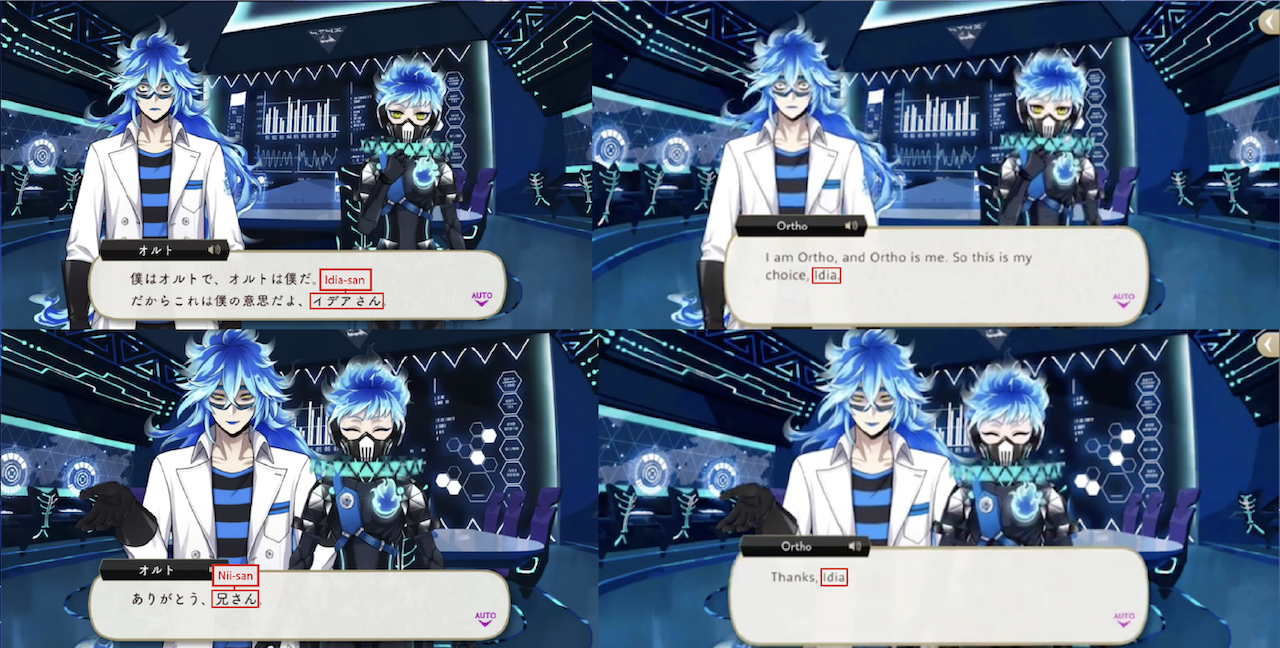
(This is aspect of their relationship is so important that it comes up directly in Book 6, when Ortho is dismissed from his role of Idia’s younger brother and actually does call him “Idia-san,” for possibly the first time in his life. More here.)
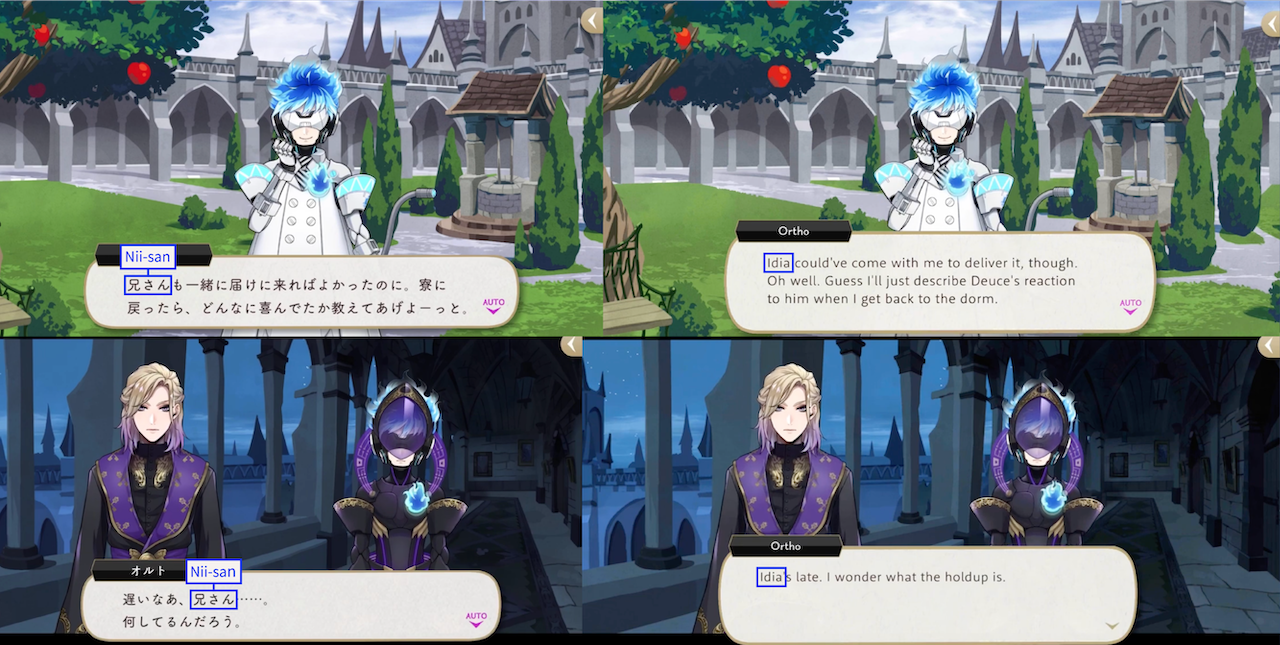
In English this would be the equivalent of refusing to call your older brother anything but “older brother,” even when he is not in the room and you are talking to an unrelated person.
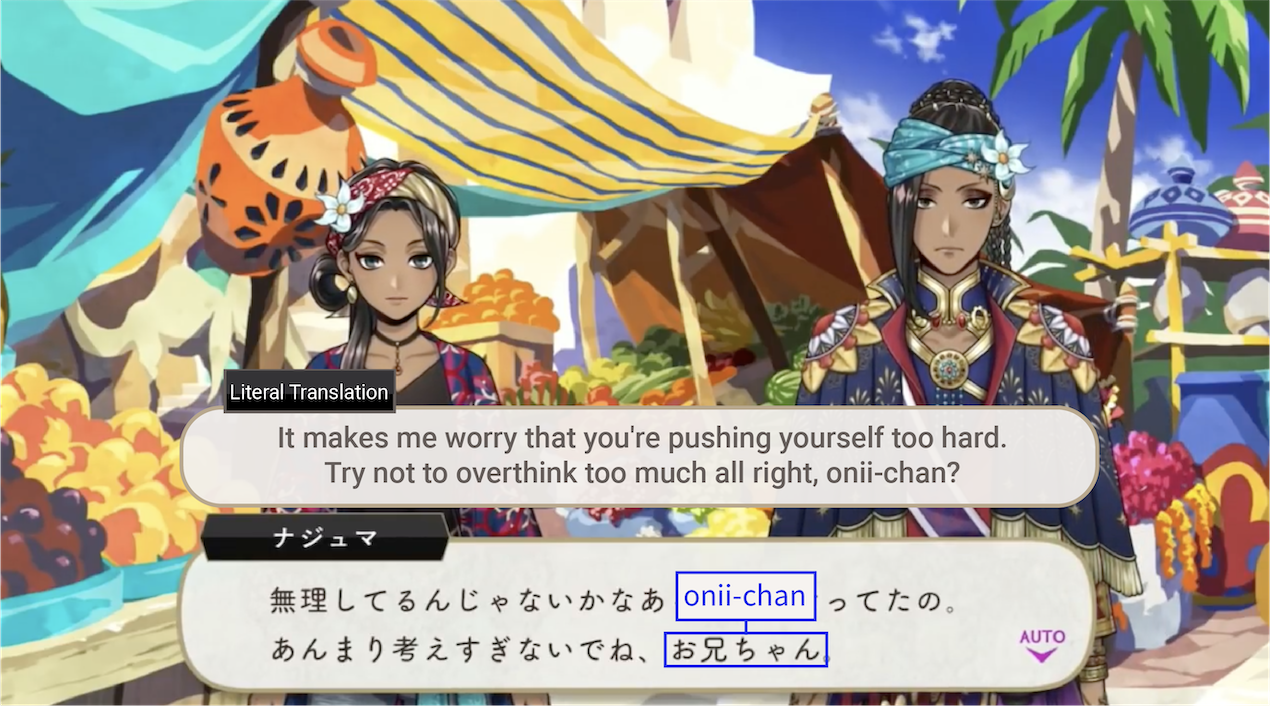
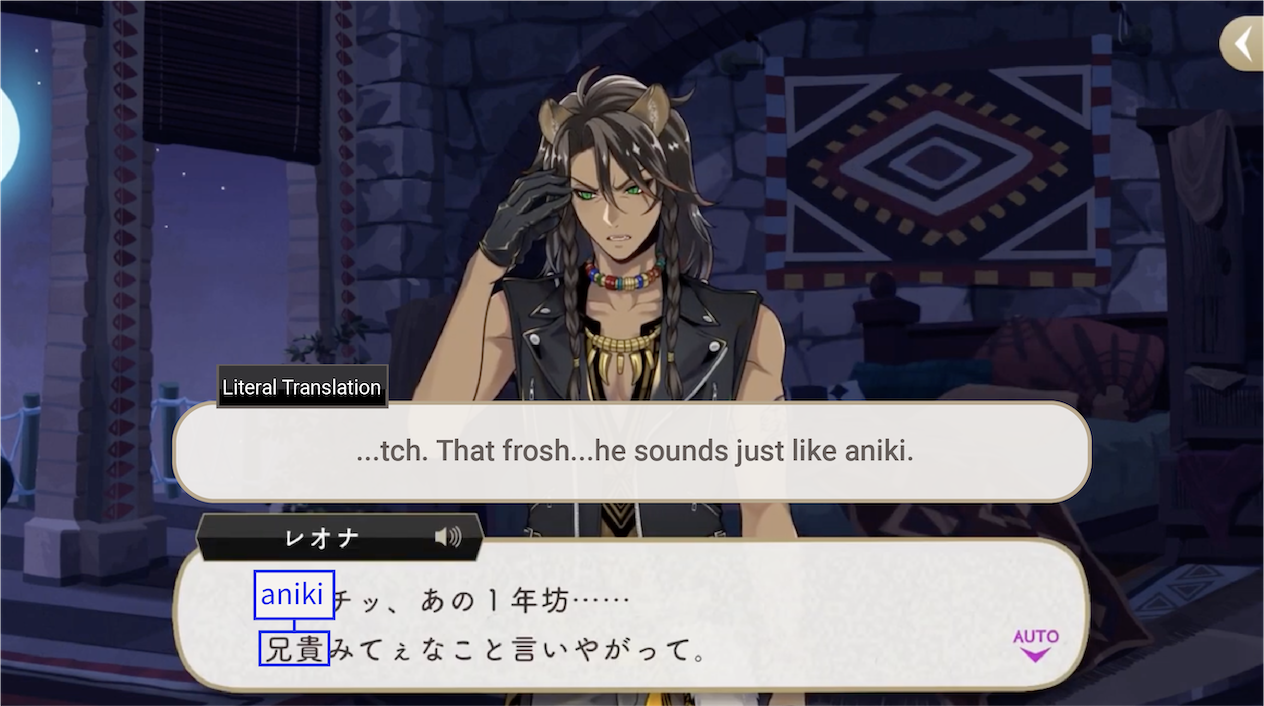
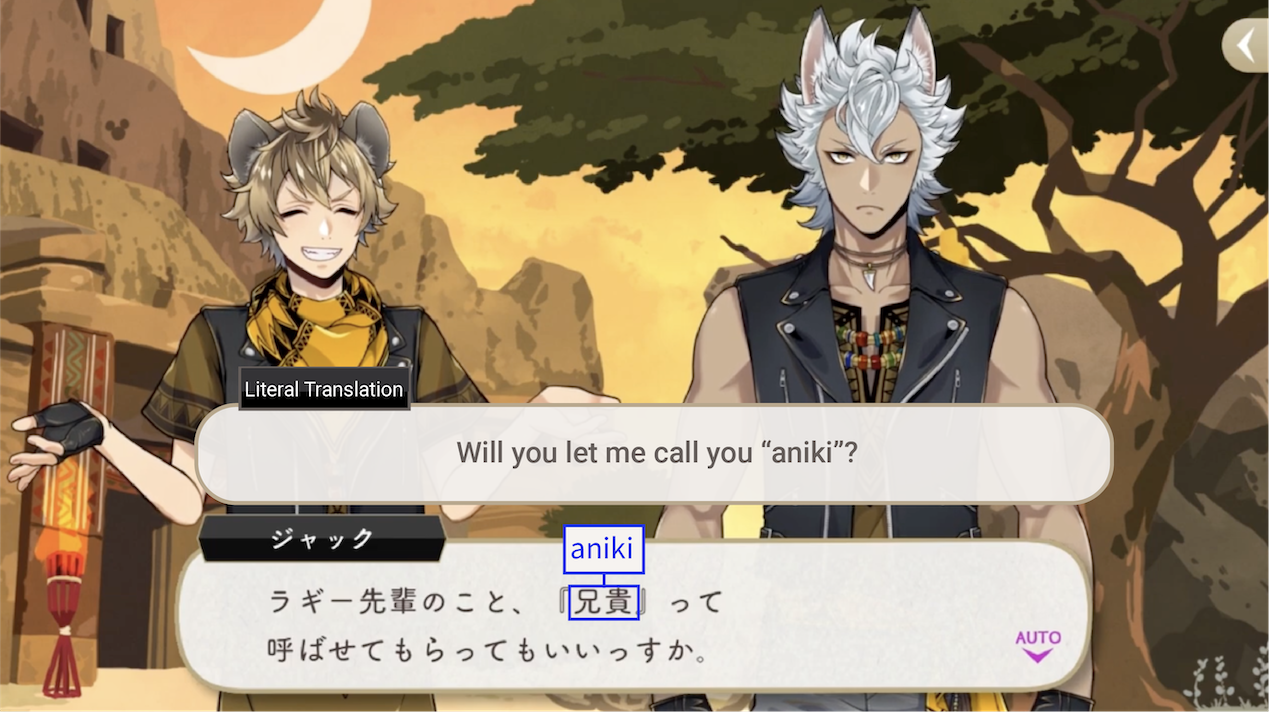
Other examples in the game of the “calling” pattern are Najma and Leona, who use “onii-chan” and “aniki” (respectively) for their older brothers in sentences that would, in English, exchange those words for their siblings’ names.
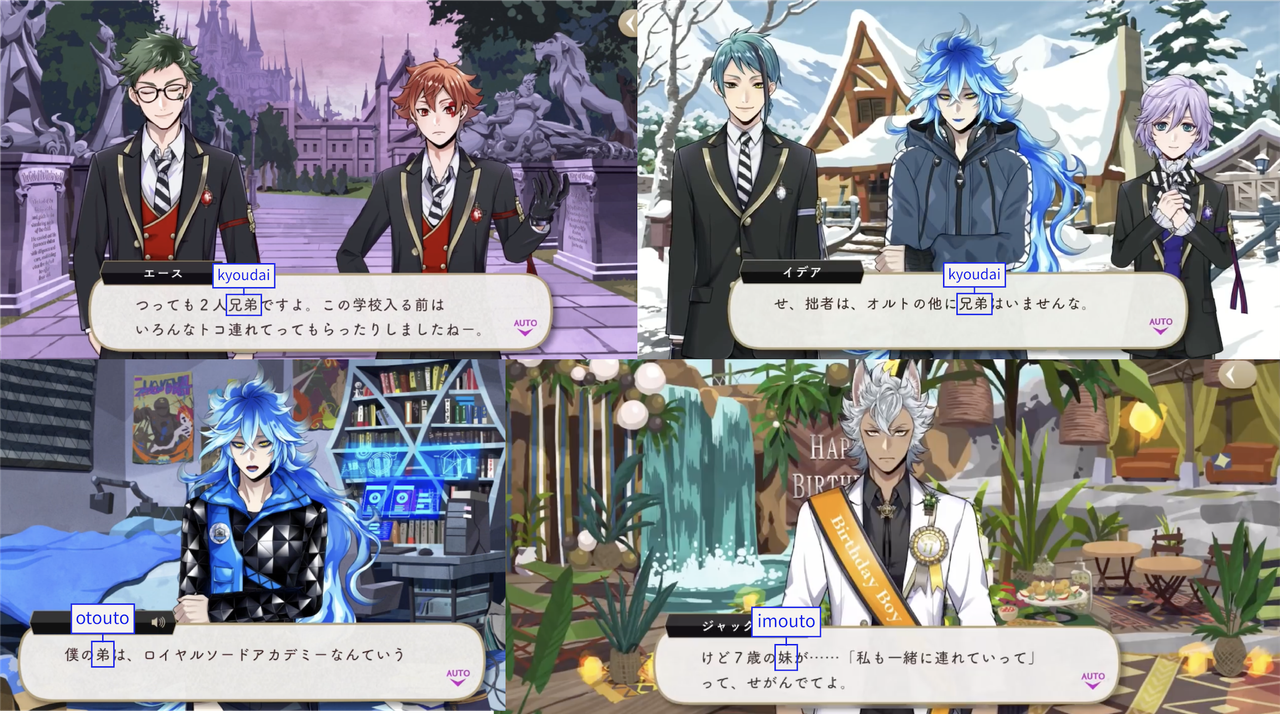
“Describing” pattern: words like kyoudai (siblings), otouto (little brother), etc.
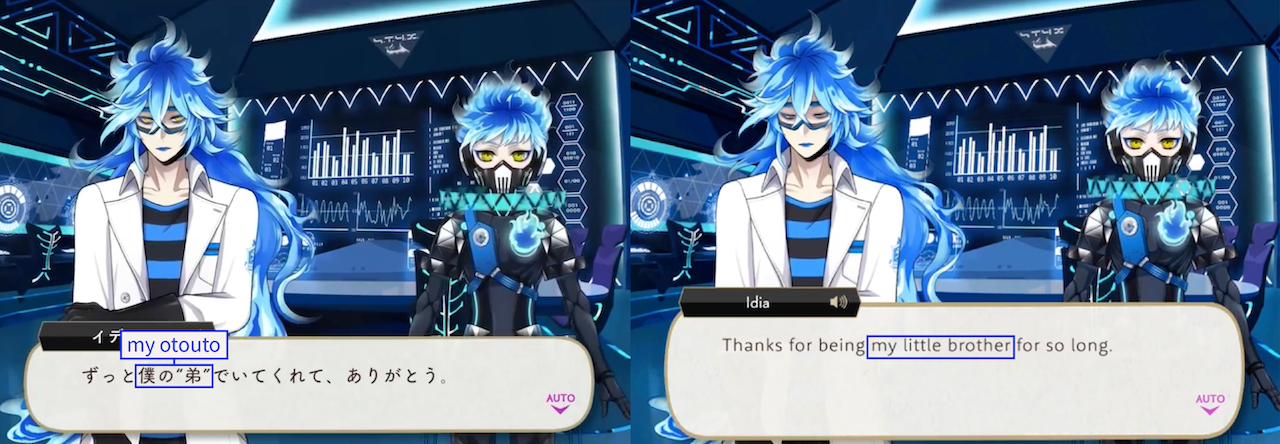
These words are closer to their English-language equivalents in that they are used to describe familial relationships, but not used in place of your sibling’s name.
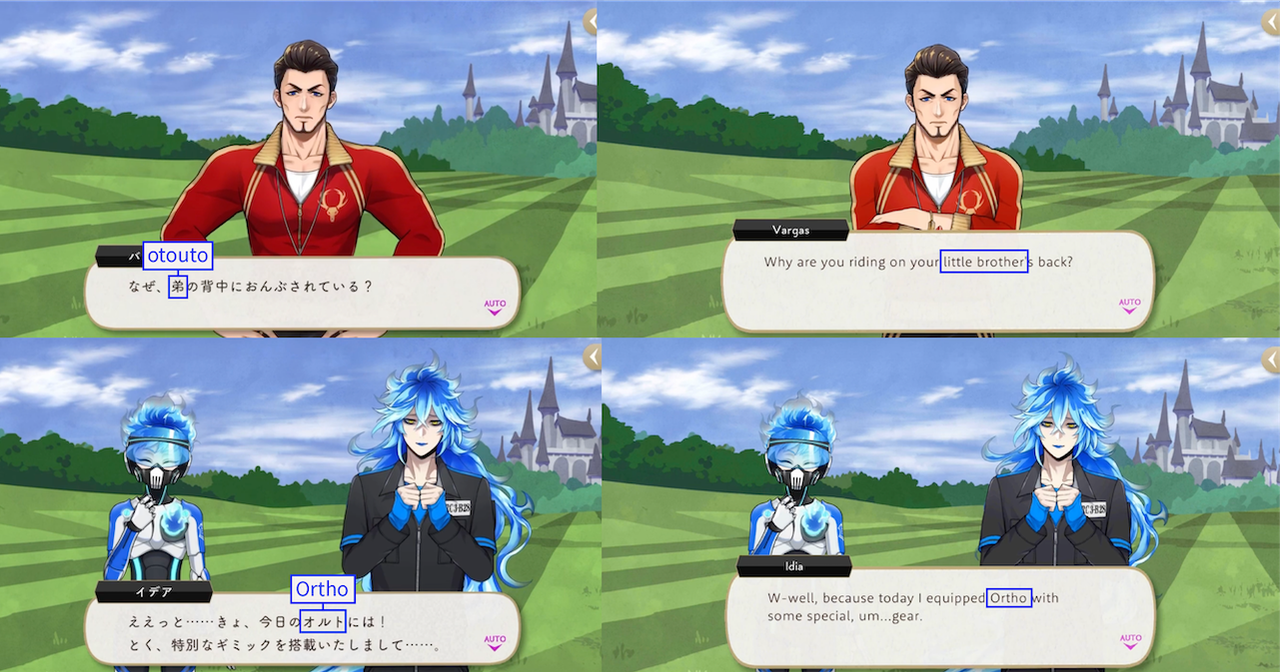
Idia will describe his and Ortho’s relationship by saying that they are “kyoudai” or “he is my otouto,” for example, but grammatically he is not substituting Ortho’s name with those words–he calls Ortho, Ortho.
“Calling” pattern words (nii-san, etc.) do double duty in this way: you can both say “He is my nii-san” and replace your brother’s name with “nii-san,” but whereas you can say “We are kyoudai,” you would not replace your sibling’s name with “kyoudai.” The rules are different!
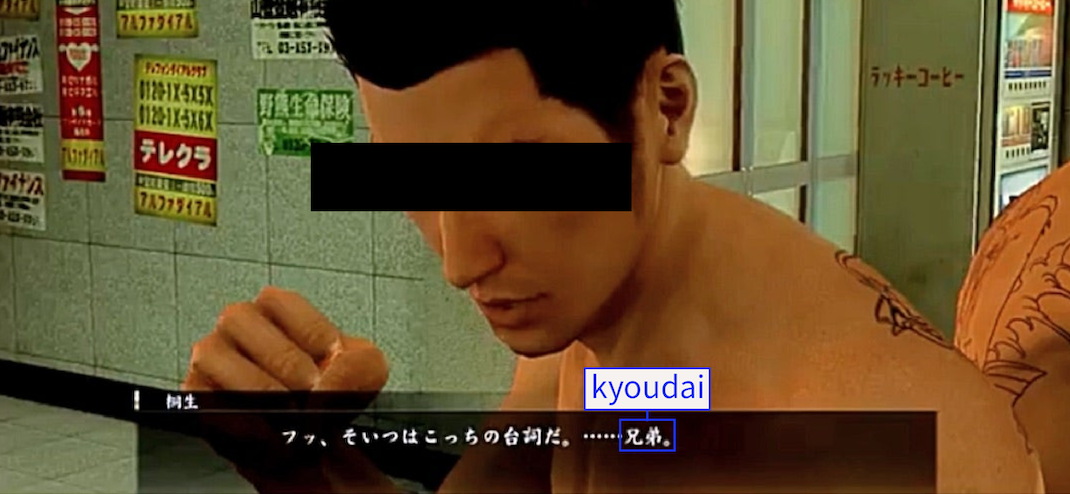
And another word that falls into the “describing” pattern? “Futago,” for twin!
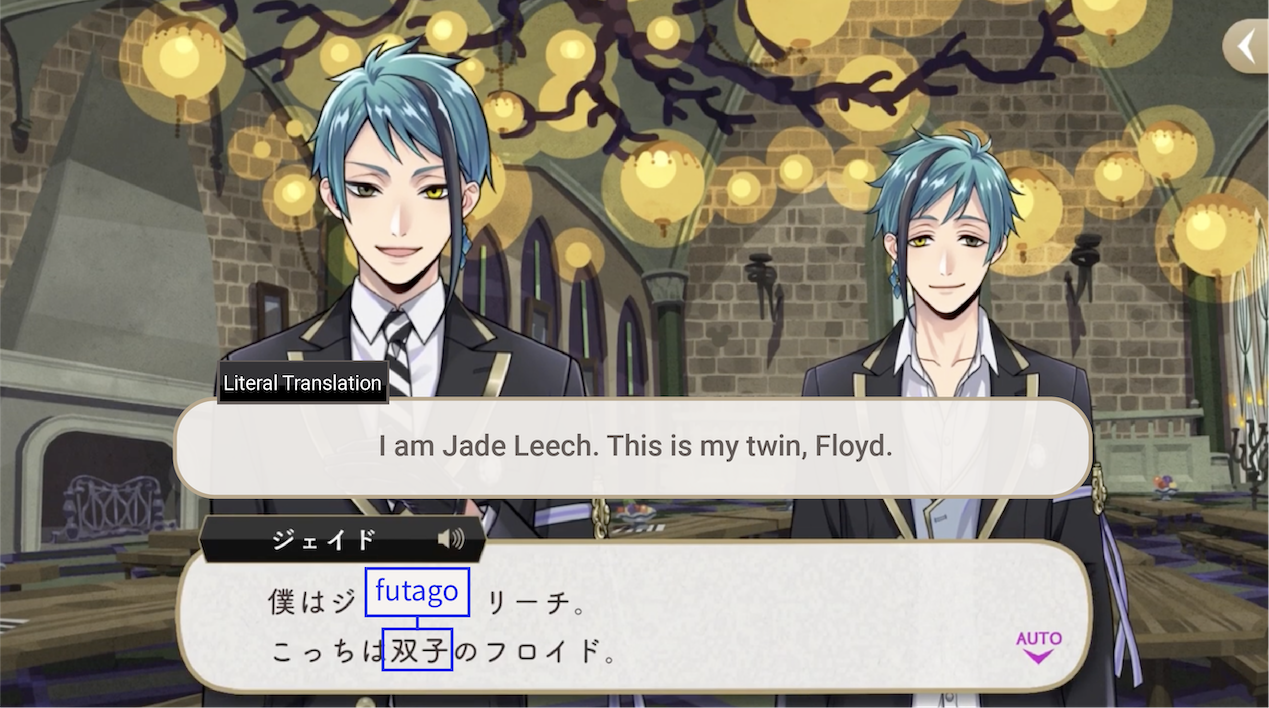
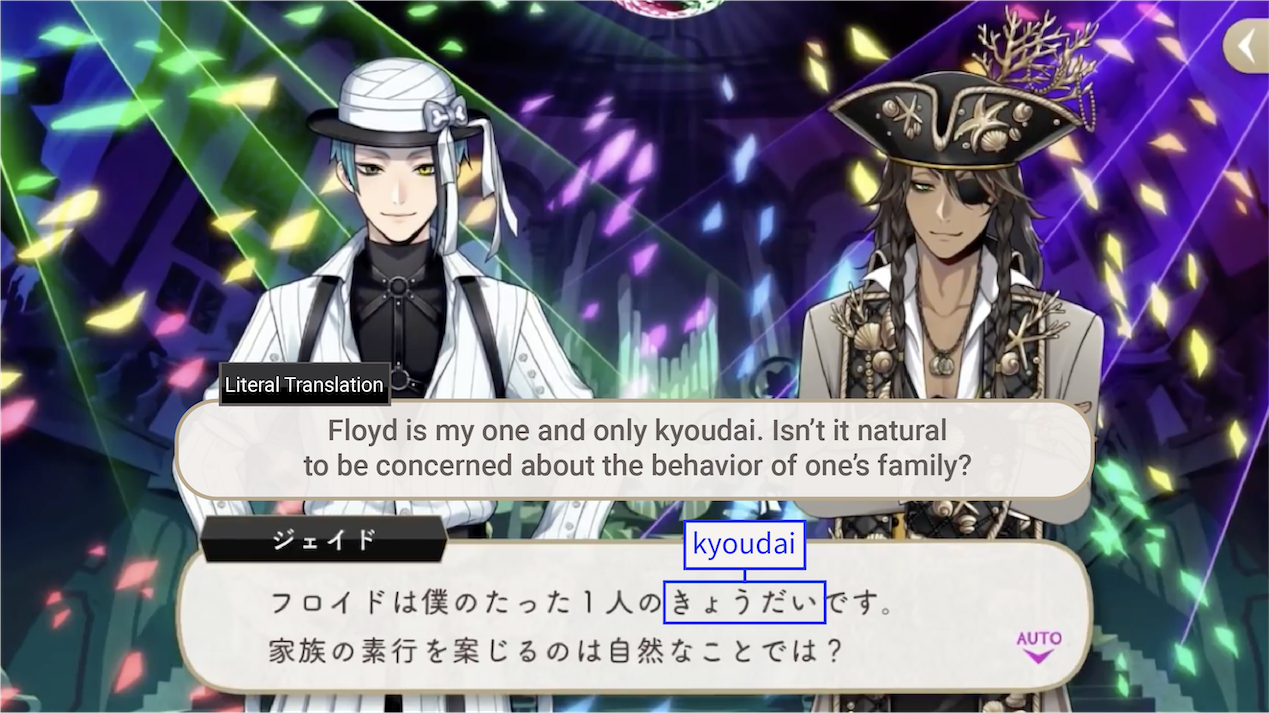
Jade and Floyd can and do describe one another as “futago” or “kyoudai”, but when they talk to/about each other as individuals they call each other by name.
To summarize:
- Jade and Floyd describe each other as kyoudai, but do not call each other kyoudai
- Jade and Floyd describe each other as futago, but do not call each other futago
- Jade and Floyd do not describe or call each other ototuo or onii-san or any variation thereof
- Jade and Floyd call each other by their first names, exclusively
 Twisted Wonderland Reference Note