
“Kana” can be a multitude of things in English, such as “probably,” “I guess,” “I think,” “I wonder,” etc.
A basic explanation would be, “a word used to express uncertainty,” but like most things when it comes to language, that is not the only thing it does.
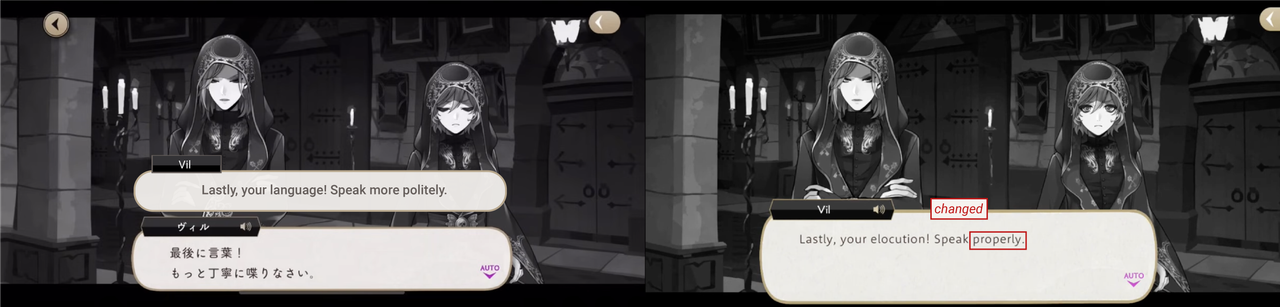
A quick review of Epel: from his first day at NRC he has been under order from Vil to “speak more politely,” as he tends to use informal speech with his senpai.
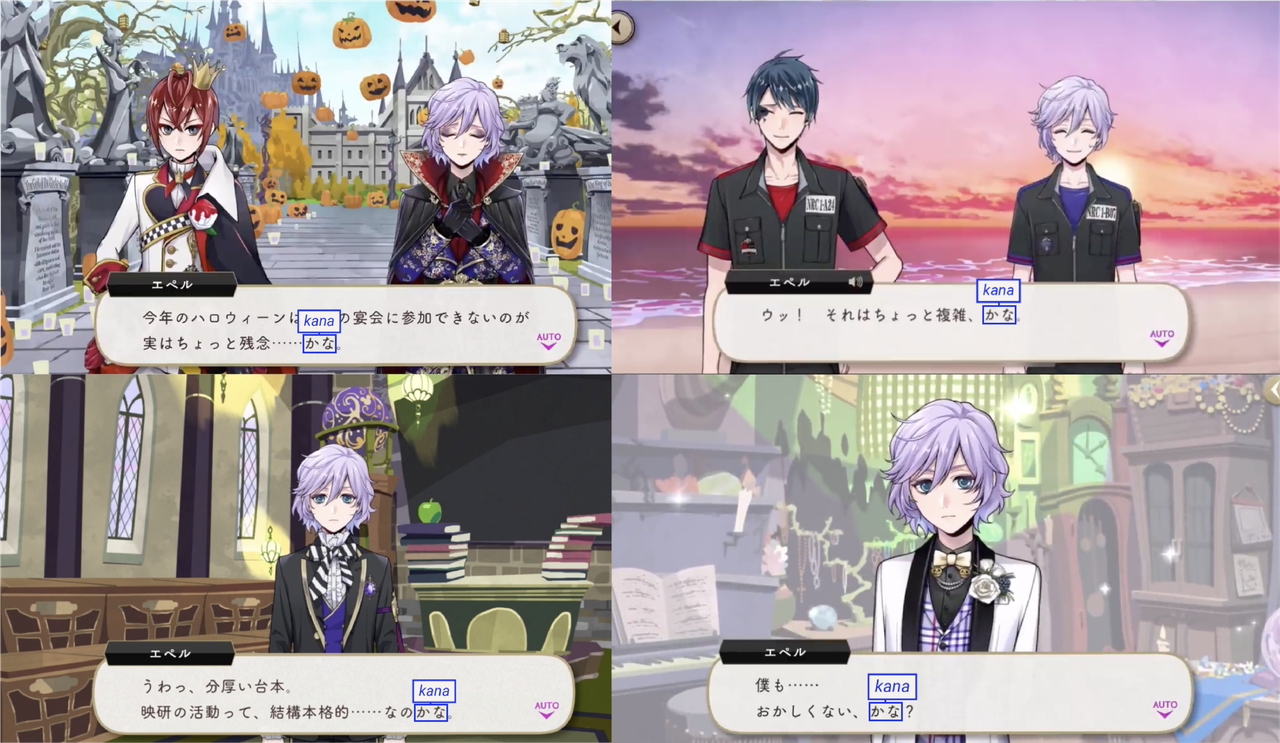
Epel is often adding “kana” to what he is saying as a result, because one of the things that it can do is ‘soften’ something that you’re saying in order to make it sound less direct, and thus more polite.
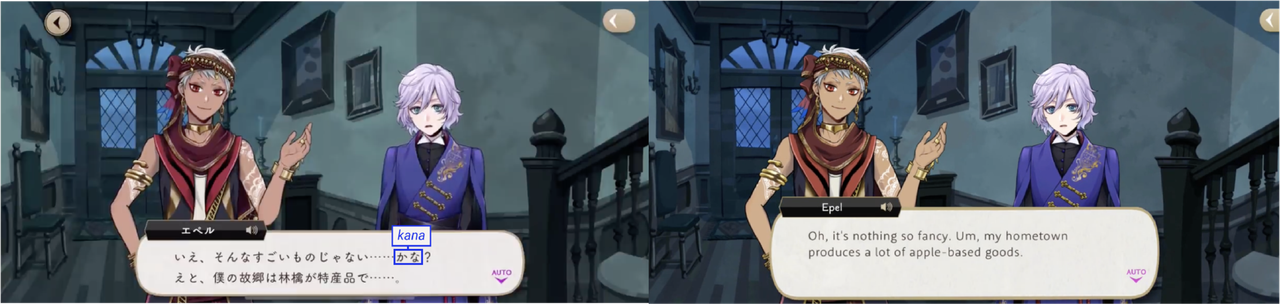
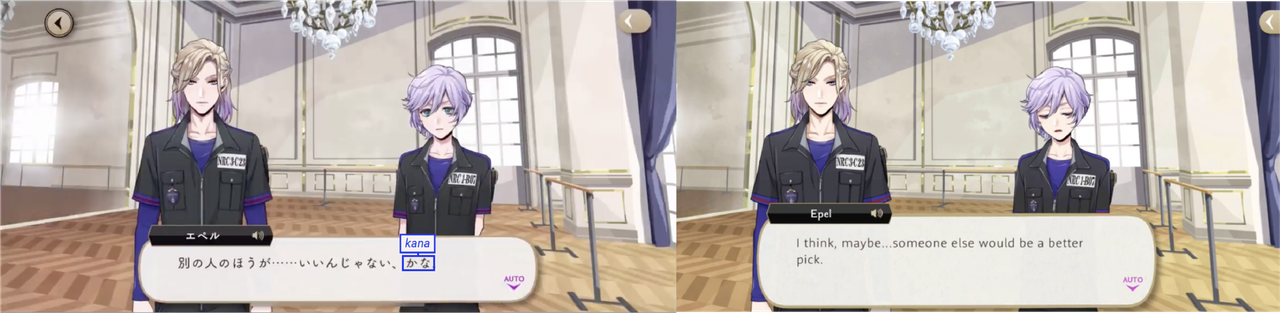
Examples: Epel telling Kalim that his assumption is wrong, telling Vil that he disagrees with him, saying that his Phantom Bride look is weird, etc., these are all sentences that he is awkwardly gentling via “kana,” often after several ellipses or a comma, as though it is not a part of his normal speech pattern.
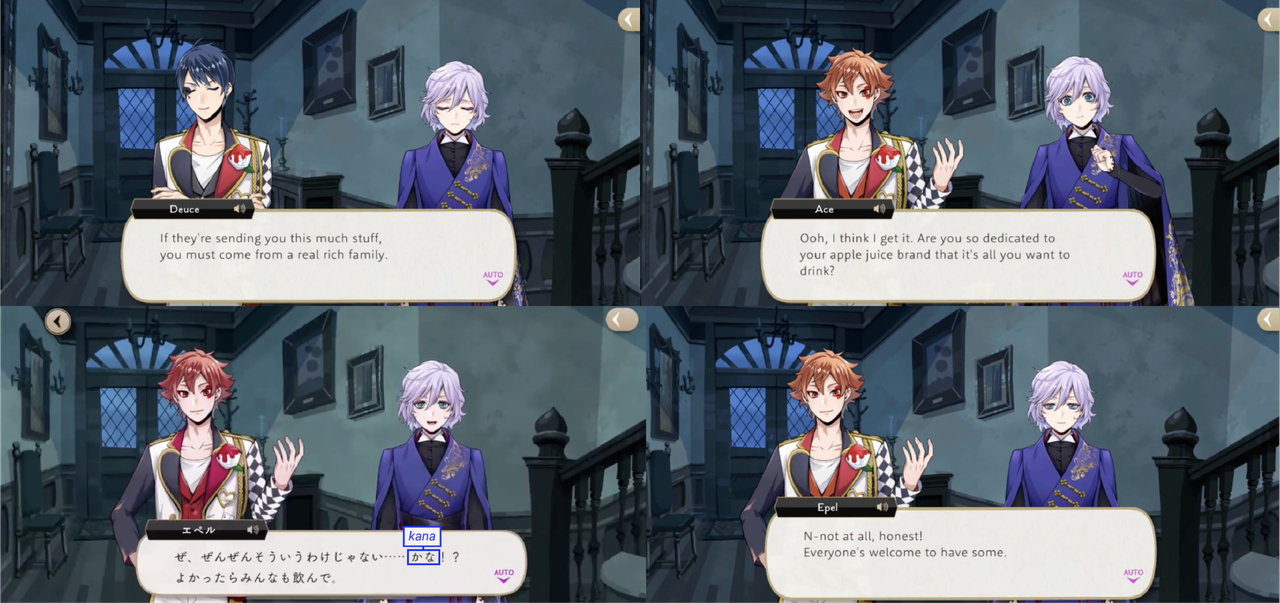
This gets into cultural differences: When Ace assumes that Epel is dedicated to a certain brand of apple juice, for example, an English-speaking Epel could probably respond, “That’s not actually the case!,” without sounding rude. But that could be interpreted as a little brusque in Japanese.
In order to soften the expression Epel adds “kana” at the end, which sounds more like, “That might not be the case,” “I’m not sure that is exactly what is going on,” etc., in English.
Even though he knows for 100% certainty that he is not actually dedicated to a certain brand of juice, he is still using “kana” in order to not sound too straightforward.
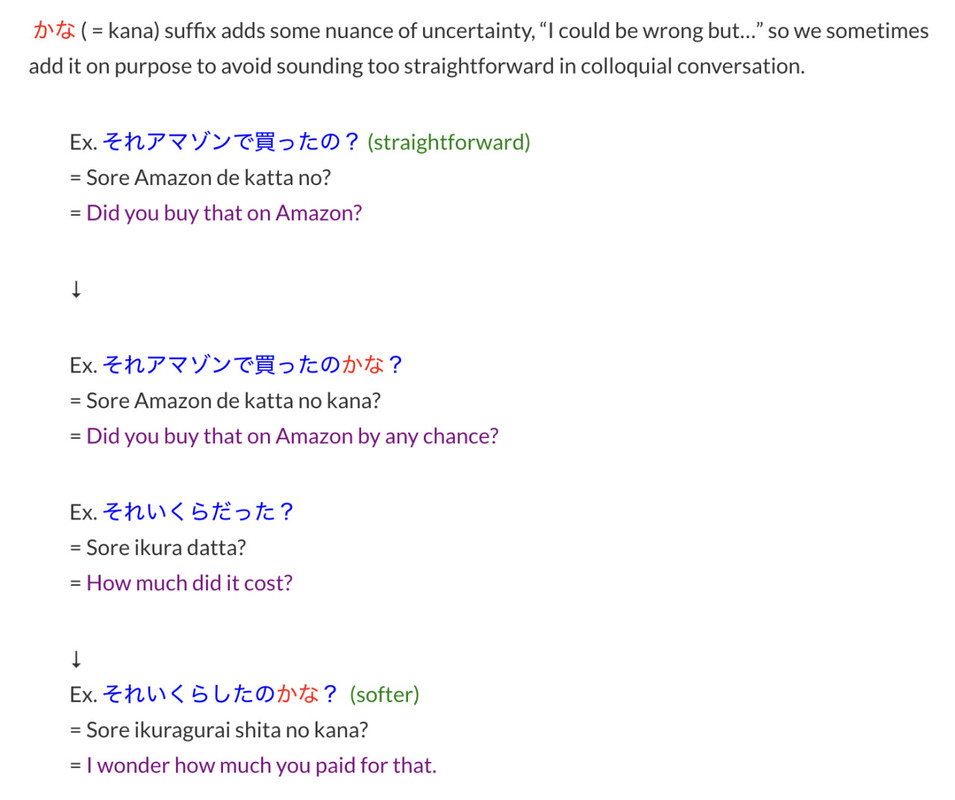
(screenshot from maggiesensei.com)
This can and does cause issues when moving in between languages: a Japanese learner who only knows that “kana” means “I think” might not add it onto sentences where they are certain about something, and thus risk annoying their Japanese-speaking colleagues. In contrast, an English learner may say “I think” too often, leading their English-speaking colleagues to wonder why they don’t seem to actually know anything.
While there are several words in Japanese that can be used to soften your phrasing, Epel seems to have latched onto “kana” in particular, possibly because it is an easy word to add on to the last part of what might otherwise be a rude sentence in an attempt to avoid a reprimand from Vil.
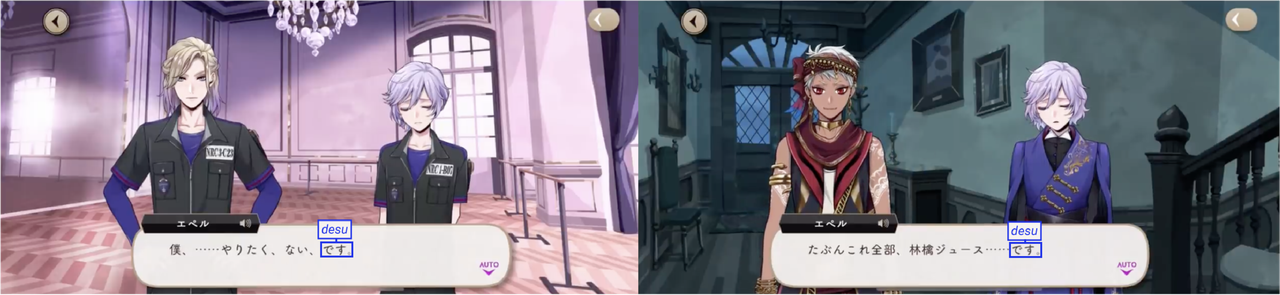
Other times Epel will belatedly add “desu” onto his sentences, also in a bid to sound more polite than he is used to speaking.
If you are a language learner it might be best to not Epel as an example of when to use “kana,” as he will sometimes shoehorn it into places in an unnatural way (as a part of his character).
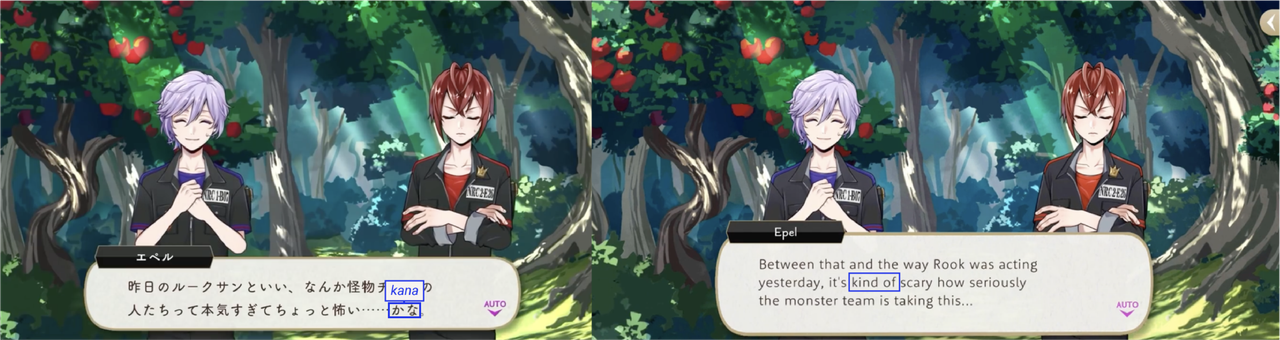
EN is doing its best to recreate Epel’s “kana” by including things like “kind of,” “not sure” and “maybe” in his dialogue, but as sounding uncertain doesn’t necessarily mean you sound polite in English, this may not be having the same effect.
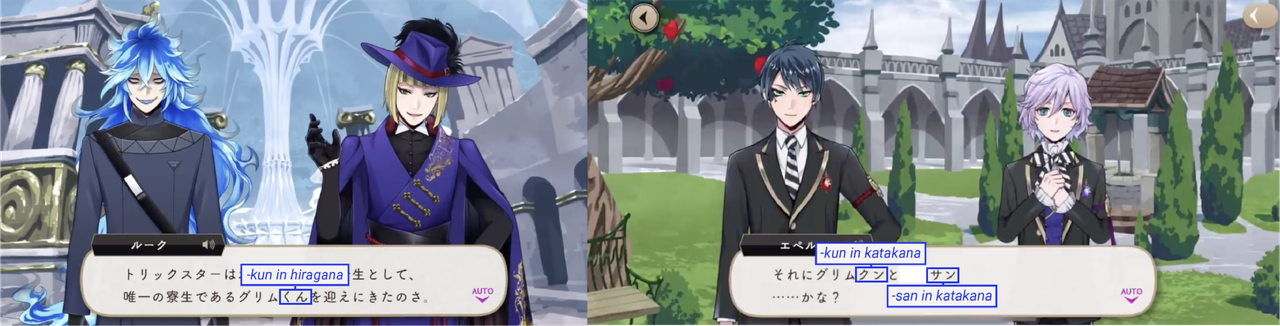
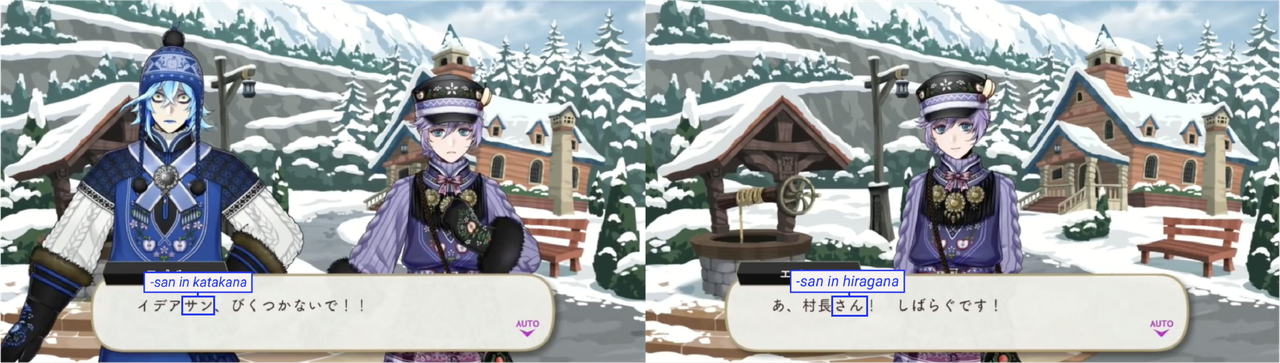
Bonus: The Japanese language has three different alphabets (kanji, katakana, hiragana), and katakana is the alphabet used for foreign loanwords.
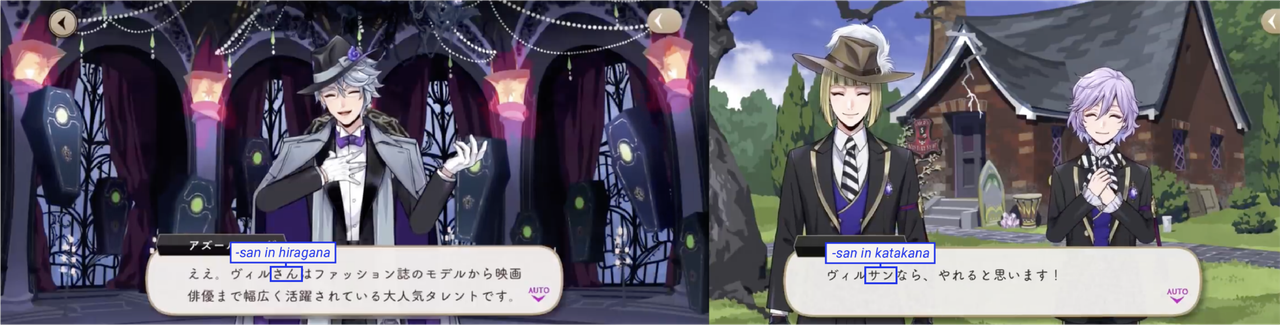
Whereas other characters who use honorifics have “-kun” and “-san” written in hiragana in their dialogue, Epel’s dialogue uses katakana. This is possibly meant to symbolize how using honorifics in these situations is foreign to him, and he is not used to it.
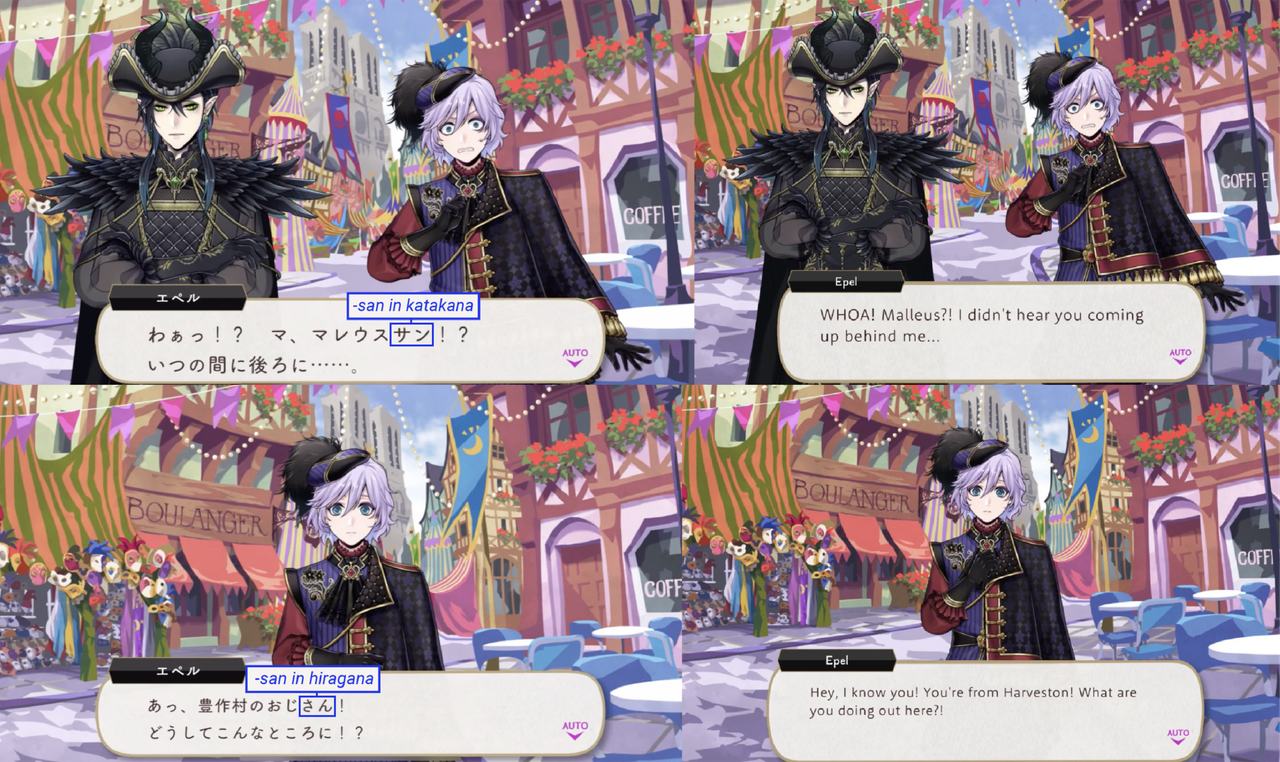
When he does shift into using honorifics in hiragana, it is only when he is talking to people from his own village: people he is used to.
 Twisted Wonderland Reference Note