

We might learn the most about teleportation magic in Twst from Baul.
He explains:
Teleportation magic works by converting the body–and mind, by extension–to aether, then reconstituting them at the destination. Such a process puts considerable strain on the sick and wounded.
This is why they were unable to teleport from the Citadel to Maleanor, as Lilia was too injured at the time to survive it.

There seems to be more risk to long-range teleportation than there is to short range, with even the injured Lilia managing teleportation from the outside of Maleanor’s castle to the inside.
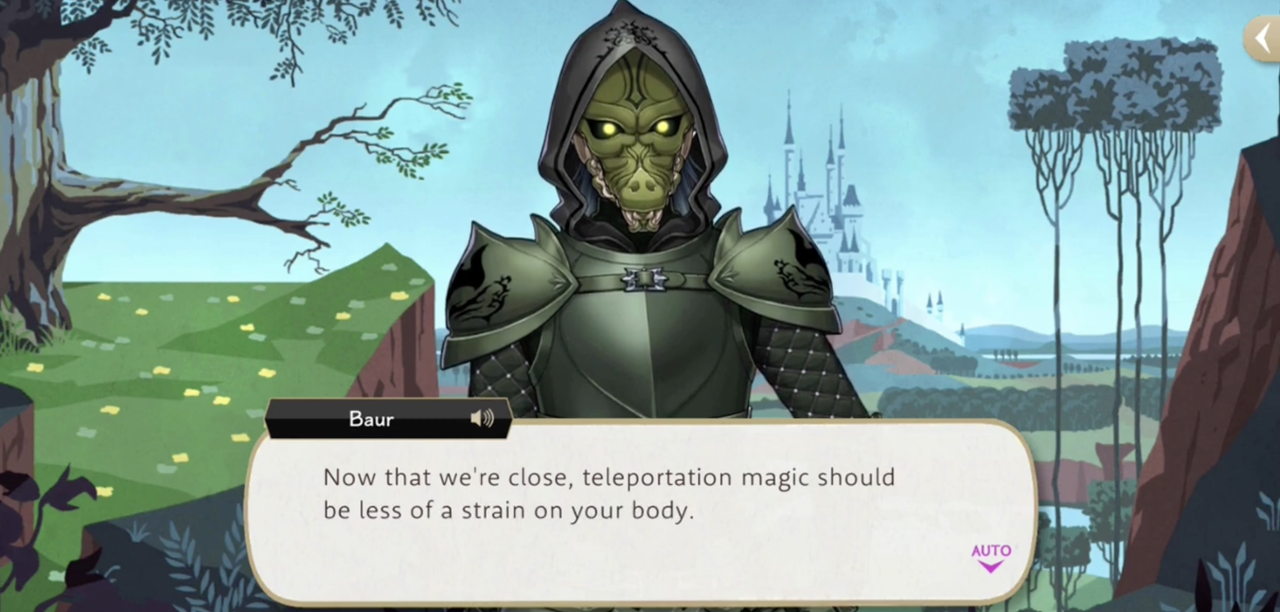
In the English-language adaptation of the game Lilia says, “Teleportation magic definitely hurts more when you’re wounded,” as if teleportation magic always causes some degree of pain that is exasperated when you are already hurt, but this is not true.
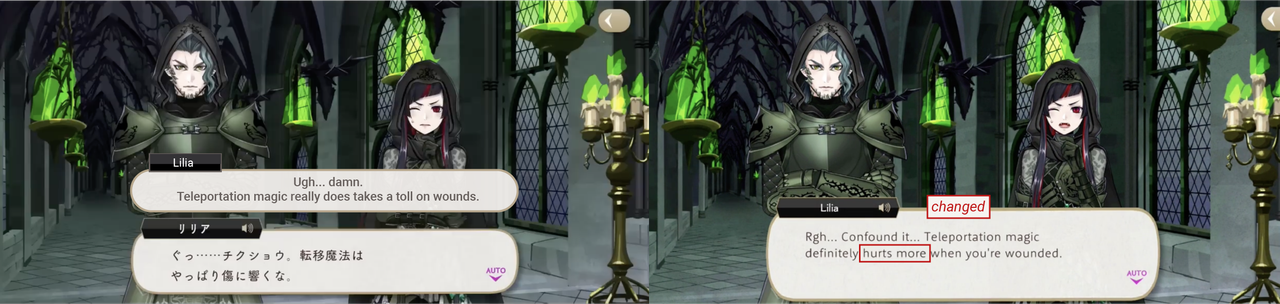
In the original game Lilia only says that teleportation magic hurts when you’re wounded, not that “it hurts more,” so it seems that it is usually a painless experience.
In addition to the backlash of using it when sick or wounded it seems that it is a dangerous option to take with things like unborn children, with Lilia’s group having to physically walk from Maleanor’s castle to Maleficia’s due to teleportation putting egg-Malleus at too much risk.
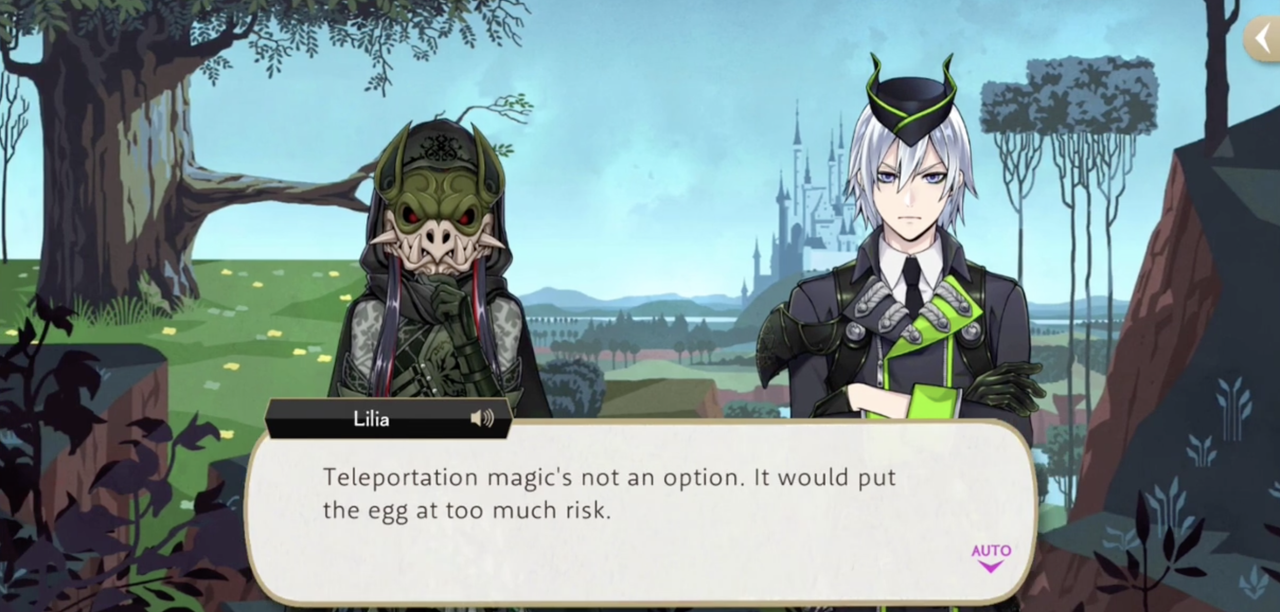
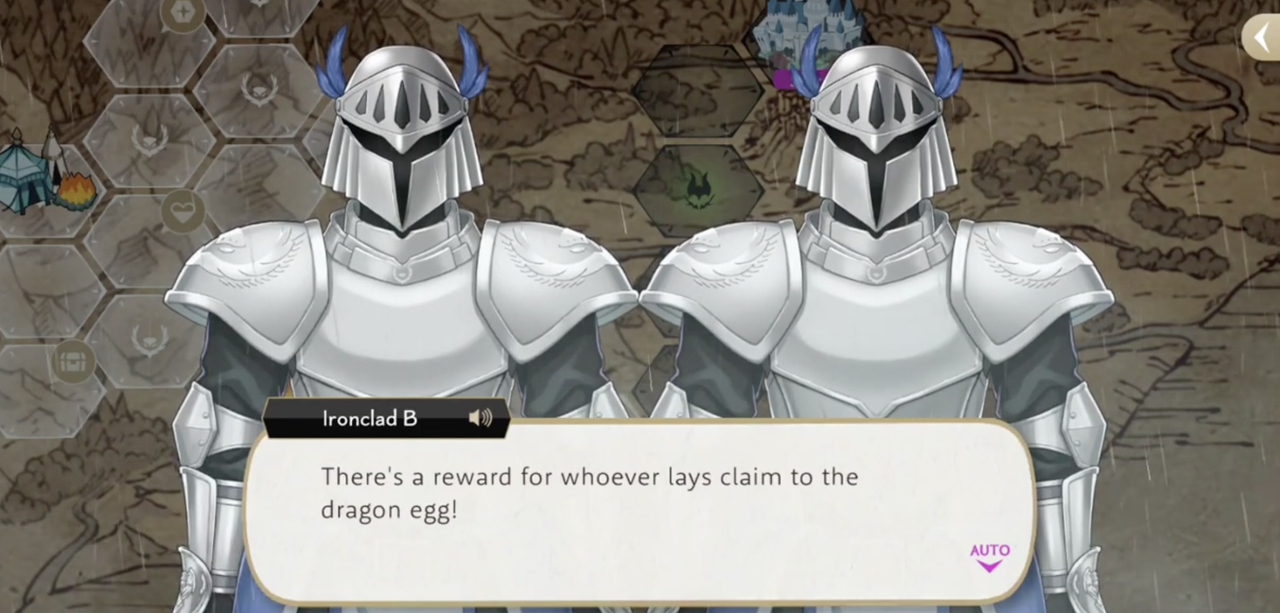
At the time there was a bounty on the egg and they had to travel through territory flooded with enemies trying their best to kill them, and they still chose to struggle through rain and mountains while fighting for their lives as the safer option when compared to teleportation.
Another event from Book 7 was the teleporting of Sebek, Silver, Grim and the prefect.
So it seems that it might be possible to teleport mages that cannot teleport for themselves and even magicless people, although this was inside a dream where the rules of reality are not always followed very strictly. It would maybe be best to wait until there is an in-game non-dream example of this happening, just to be safe, before calling it canonically possible.
There is the example of Rook’s family’s teleporters in Book 6, which successfully transport Epel, Rook and the magicless prefect, but these teleporters are mysterious.

Rook says they only exist because he has an ancestor who was an avid traveler, but there is no information on how they were built or how they work, and they seem capable of sending people extremely far places, such as over oceans to different countries.

Are these teleporters more powerful than mages capable of teleportation, and even faeries? We do not know.
While we do see Malleus instantly transport Silver in the real world, Malleus’ limitations (or lack thereof) do not really apply to the average fae/mage, and this might not have been normal teleportation.
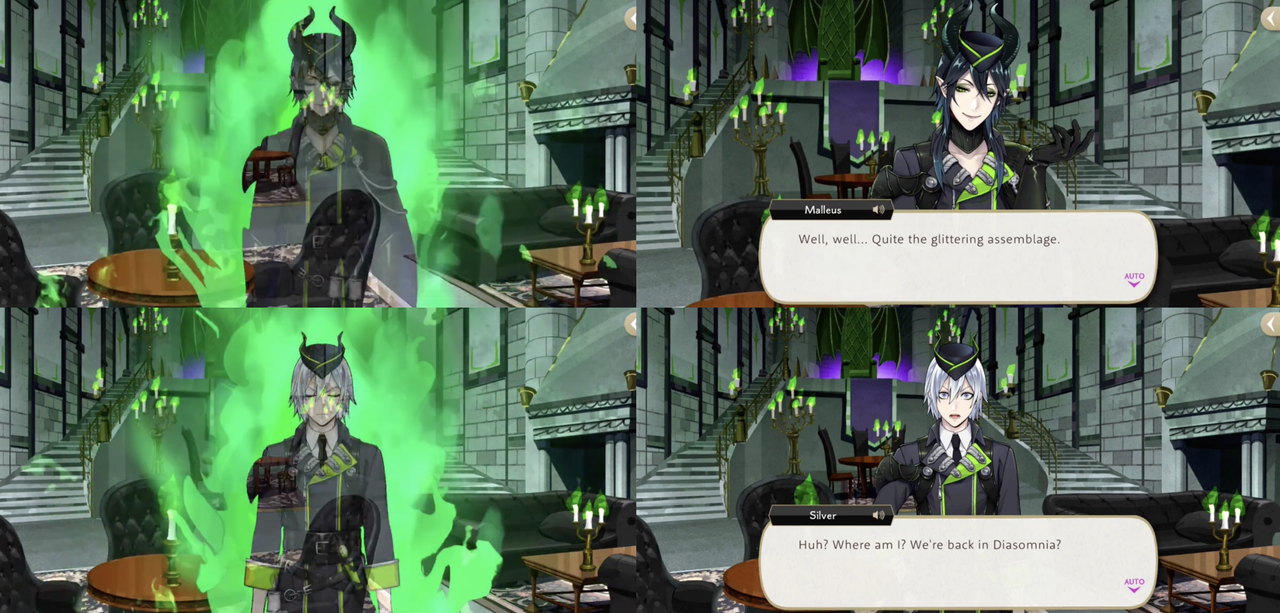
All the teleportation we have seen before/after this scene has included sparkling sounds and effects as is usually shown to represent the use of magic, but Malleus taking Silver with him to Diasomnia did not: it involved the green flames that seem to be unique to Malleus, and may have been a form of instantaneous transportation that only he can do rather than teleportation as we know it, but this is not guaranteed and it may have just been a more visually dramatic example of normal teleportation.
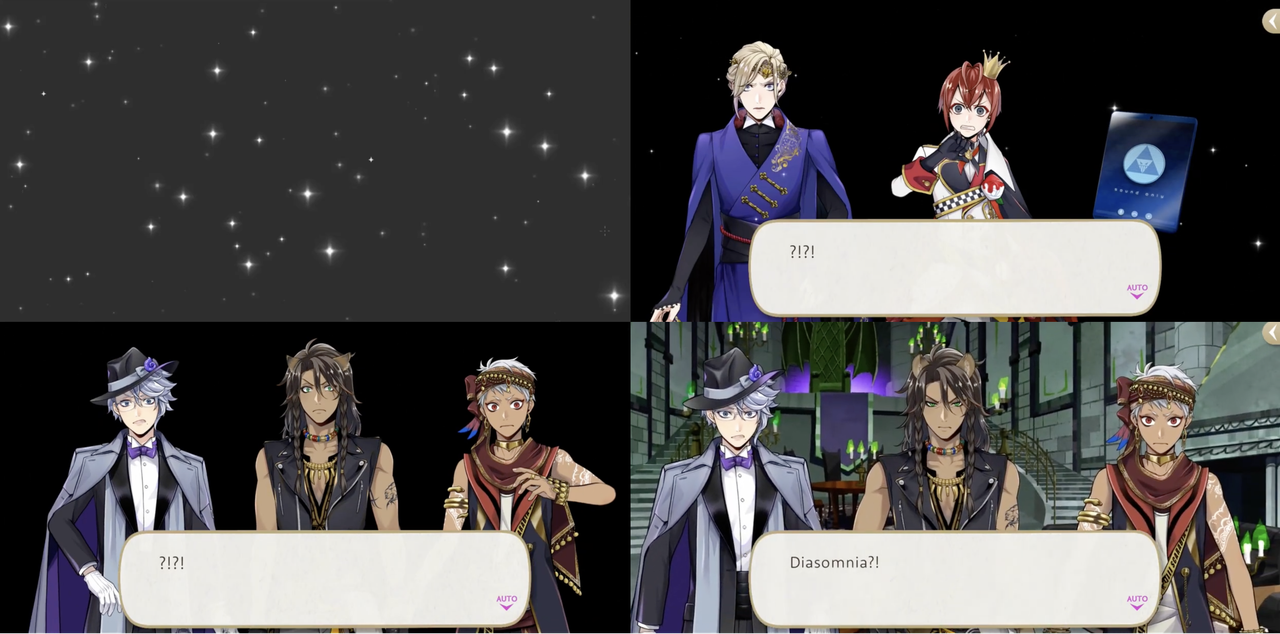
The usual sparkling and sound effects are present for Malleus’ transportation of the six other Housewardens to Diasomnia, including Idia in tablet form, implying that the magic did not interfere with their electronics.
And this may have been an example of “normal” teleportation, except that Malleus says that he used it to link Diasomnia to the Mirror Chamber, so it was not focused so much on any particular individuals than it was two specific places, like a portal.
Is that normal for teleportation? Is it unique to Malleus? Is that what Rook’s family’s teleporters also do?
It is also possible that Lilia/Baul themselves did not teleport the group in Book 7, but they were actually all teleported together via a third party: Telemancers.
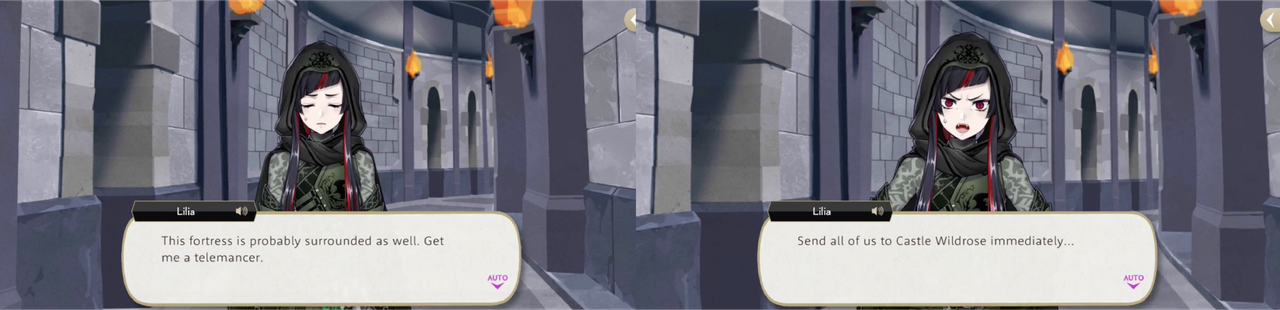
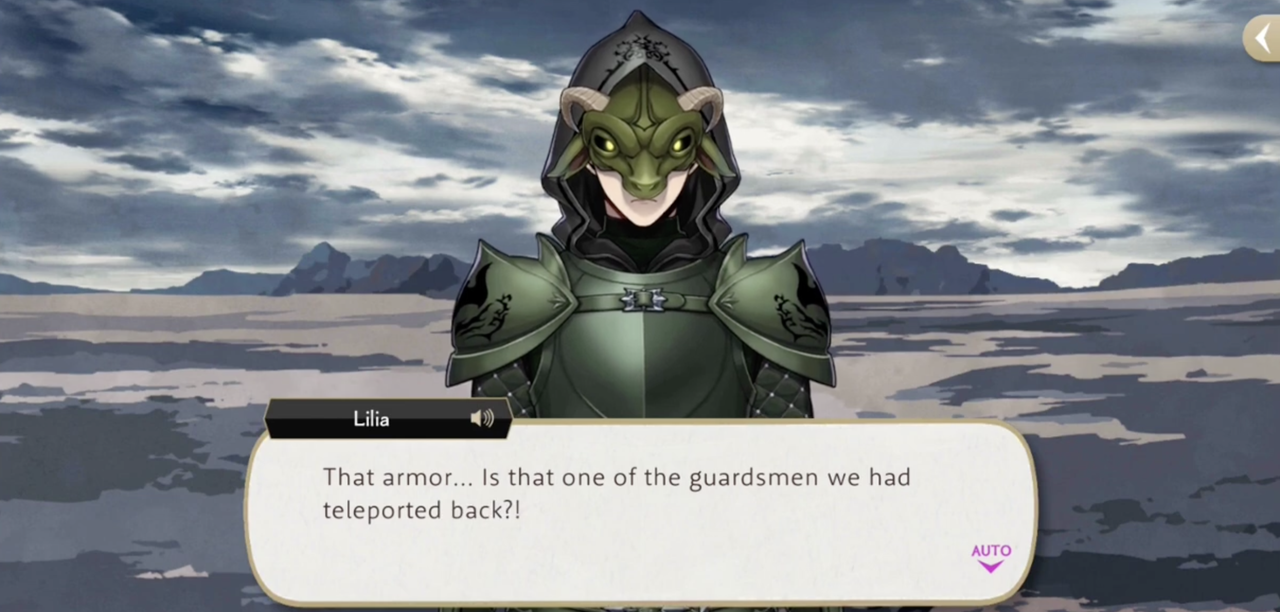
After learning about the siege on Castle Wildrose Lilia calls for telemancers, with Baul ordering them to send everyone back except himself and those soldiers who were no longer standing. And this asks so many questions:
・Do telemancers have to be fae?
・Does the existence of telemancers essentially prove that not all fae can teleport? Or is it just dangerous for multiple people to teleport to one location simultaneously, so telemancers are used in war so that soldiers do not get picked off by enemies in order of appearance?
・Can telemancers teleport themselves, or only others?
・If telemancers were who transported Lilia’s group to Castle Wildrose, does that mean that teleporting others is something that most mages and/or fae cannot do? Is Malleus a special case?
・Would Lilia have been capable of doing so if he hadn’t been injured at the time?
・Do telemancers do what Malleus did with the teleportation spell and connect two locations rather than focusing on who specifically is being transported, or are they only sending select individuals?
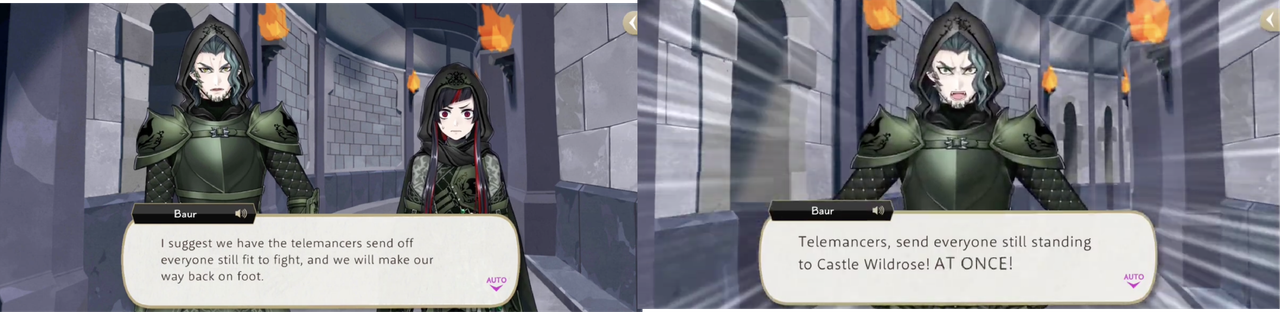
And the telemancer-teleportation from the Citadel is proven to be successful, which asks: why didn’t they teleport to the Citadel in the first place?
There is the issue of mages disappearing when they tried to magically relocate to the Citadel before, but it seems that Raverne wasn’t using teleportation when he disappeared–he was using flight magic.

If the problem with teleporting to the Citadel wasn’t that people kept disappearing, then why didn’t they–unless maybe teleportation does not work if it isn’t to somewhere you have already been to before?
This has never been stated outright in the game and so cannot be considered canon, but it is another potential limitation to teleportation.
Are non-fae magic users capable of teleportation, or is it maybe limited to only exceptionally strong fae?
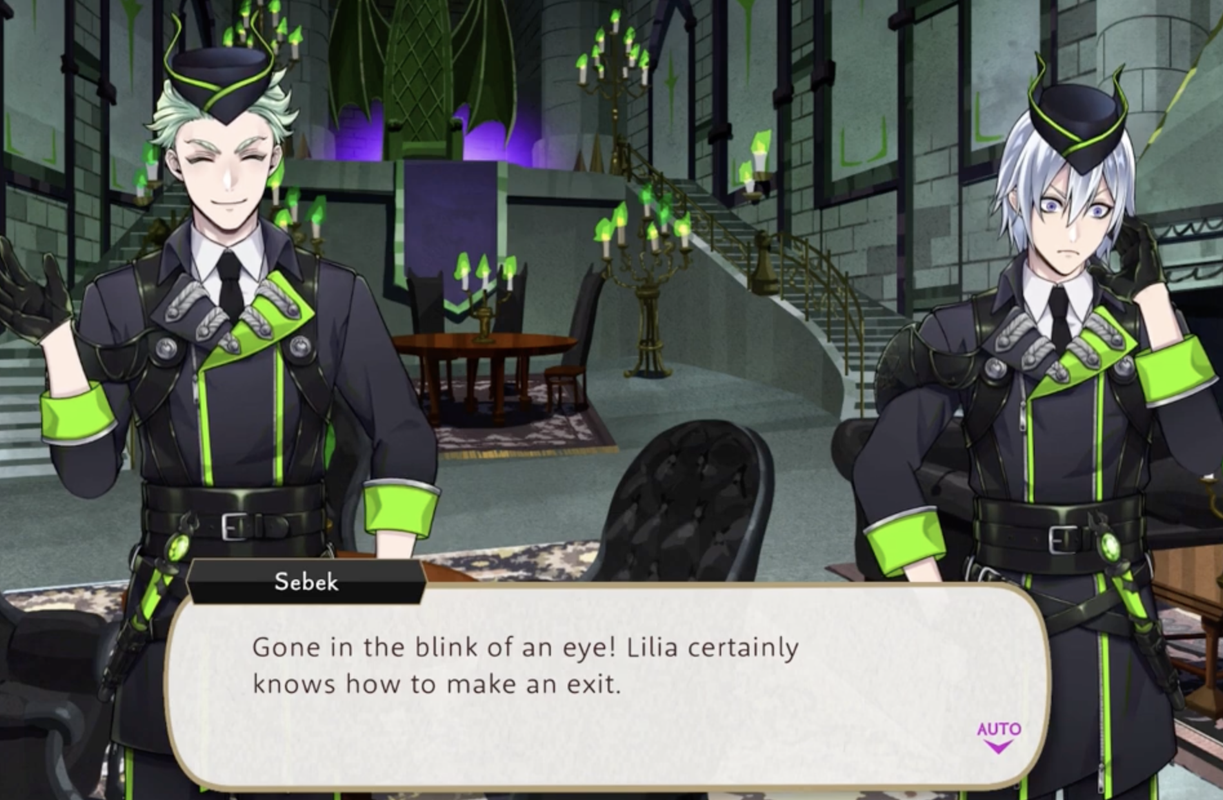
Sebek has a line where it sounds like he is impressed by Lilia’s ability to teleport. Are Malleus and Lilia the only fae he knows of who are capable of doing so?
Many questions, and maybe more answers yet to come?
 Twisted Wonderland Reference Note