
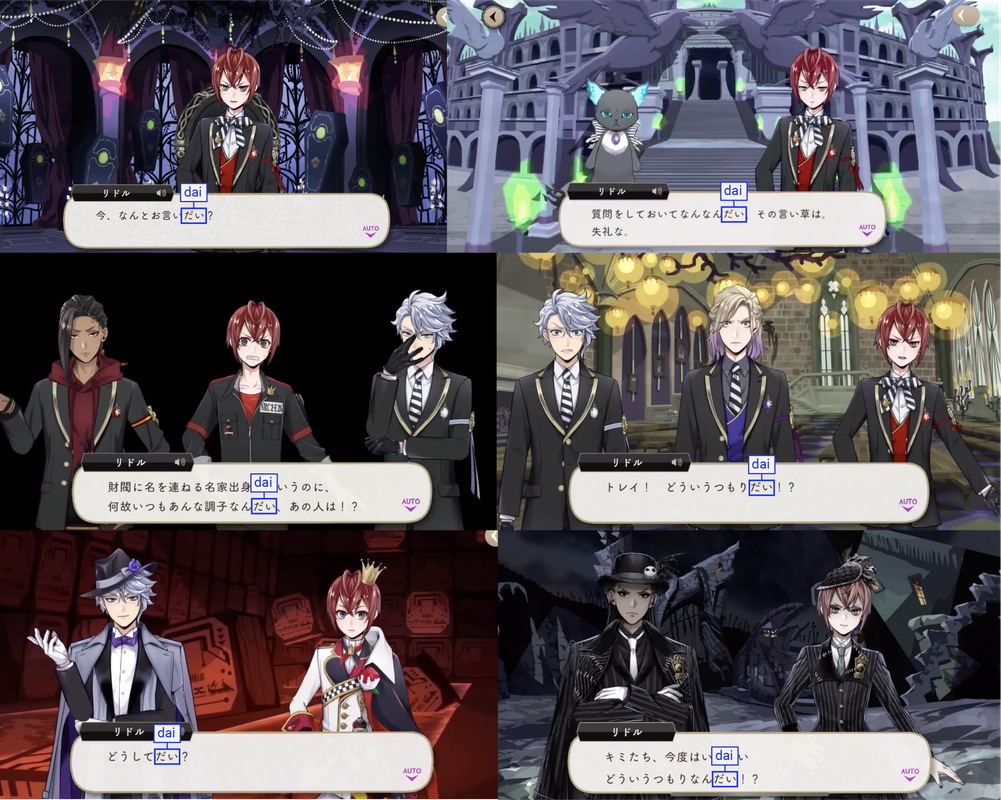
Riddle is often ending questions with だい (dai). It does not literally mean anything by itself and can be used to add emphasis, or express curiosity, or express frustration, etc., depending on the context.

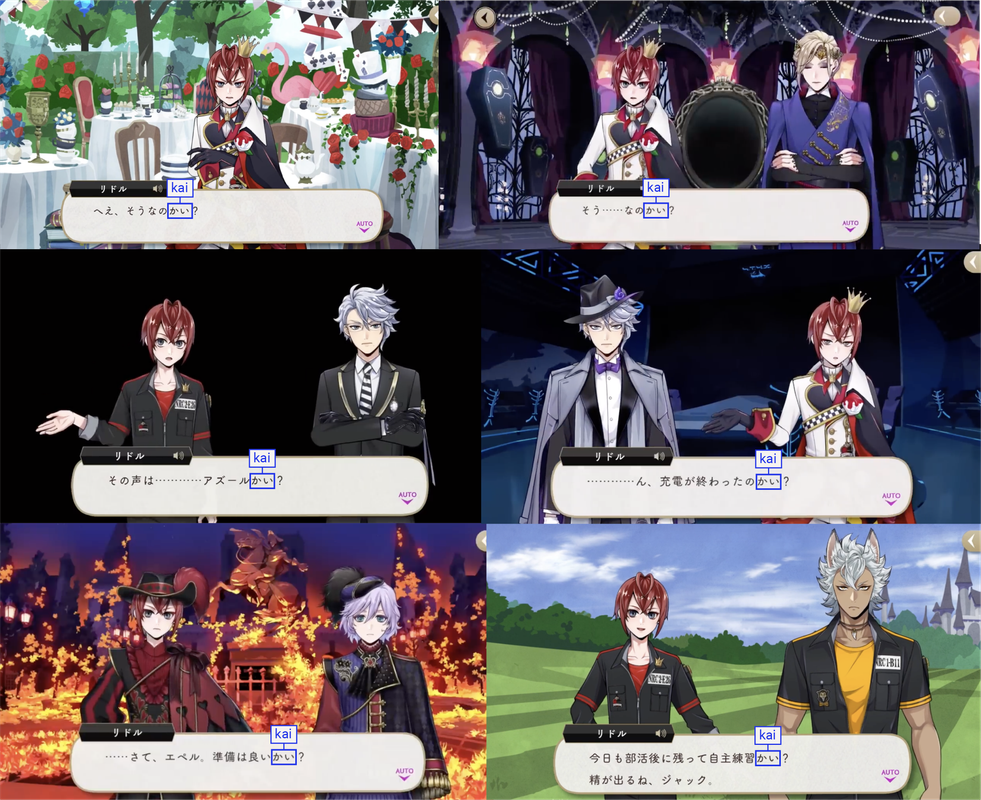
Much like “dai,” かい (kai) is also a casual way to ask a question and can be used when skeptical or to seek confirmation of something, and Riddle uses it often.
Saying “dai” and “kai” so much is something Riddle has in common with Rook, who says them both all the time.
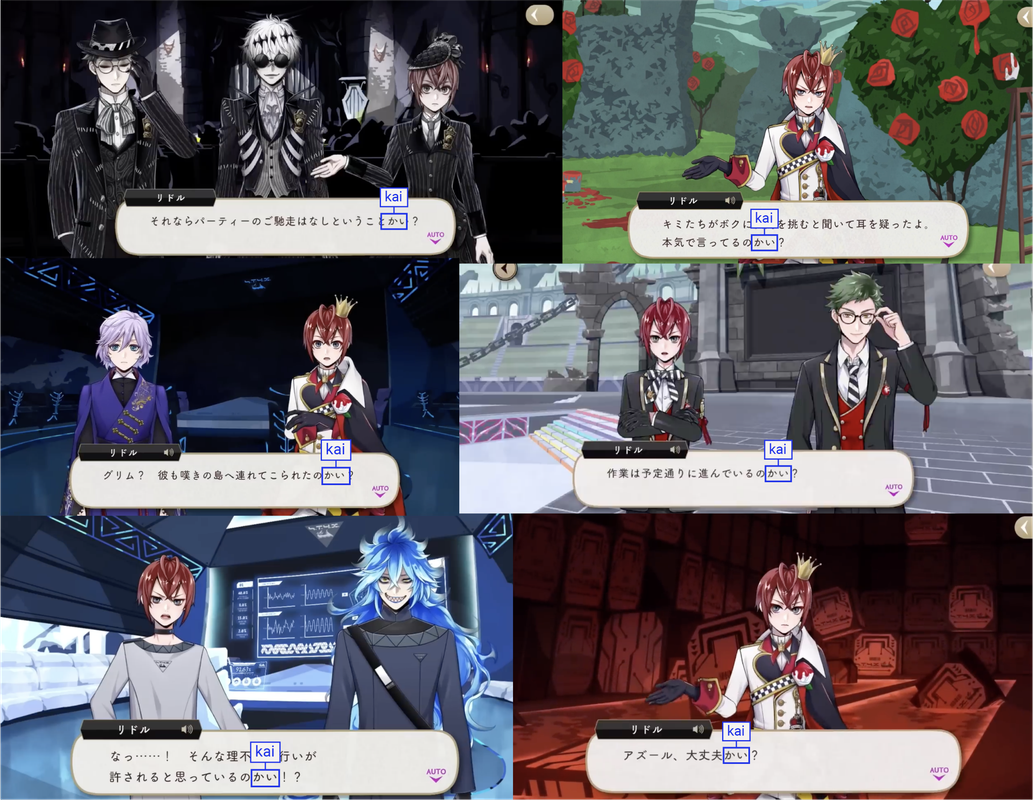
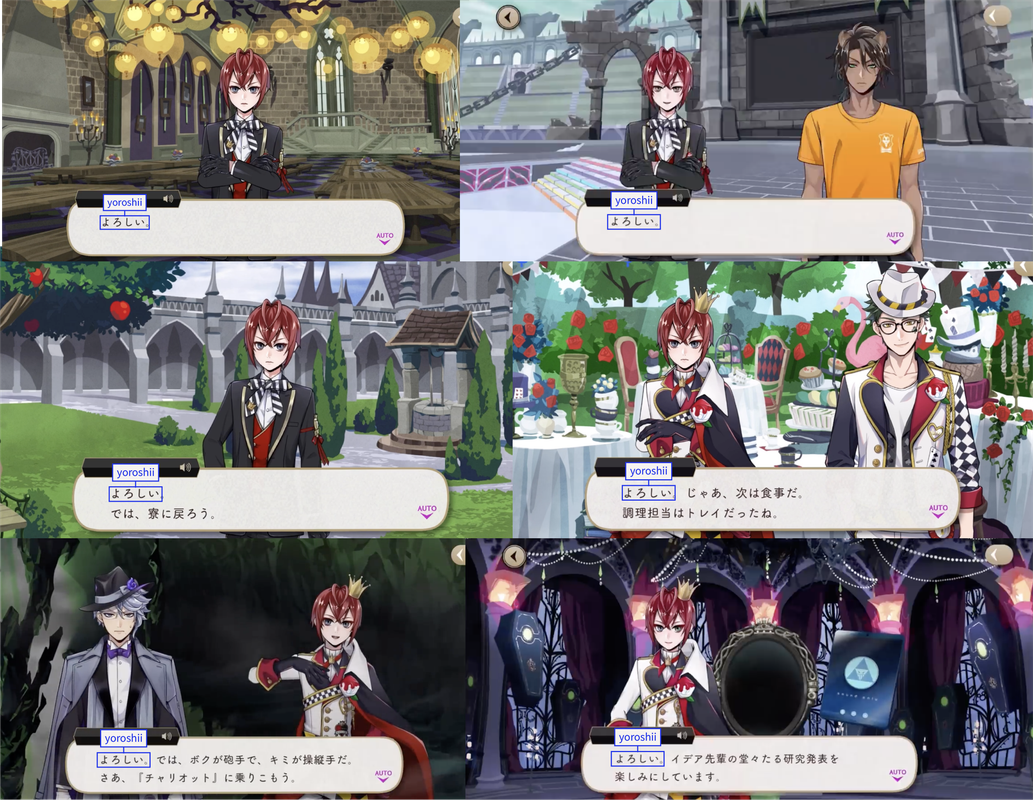
Riddle is also often saying よろしい (yoroshii), close to an English equivalent of “acceptable” or “satisfactory” or “okay.”
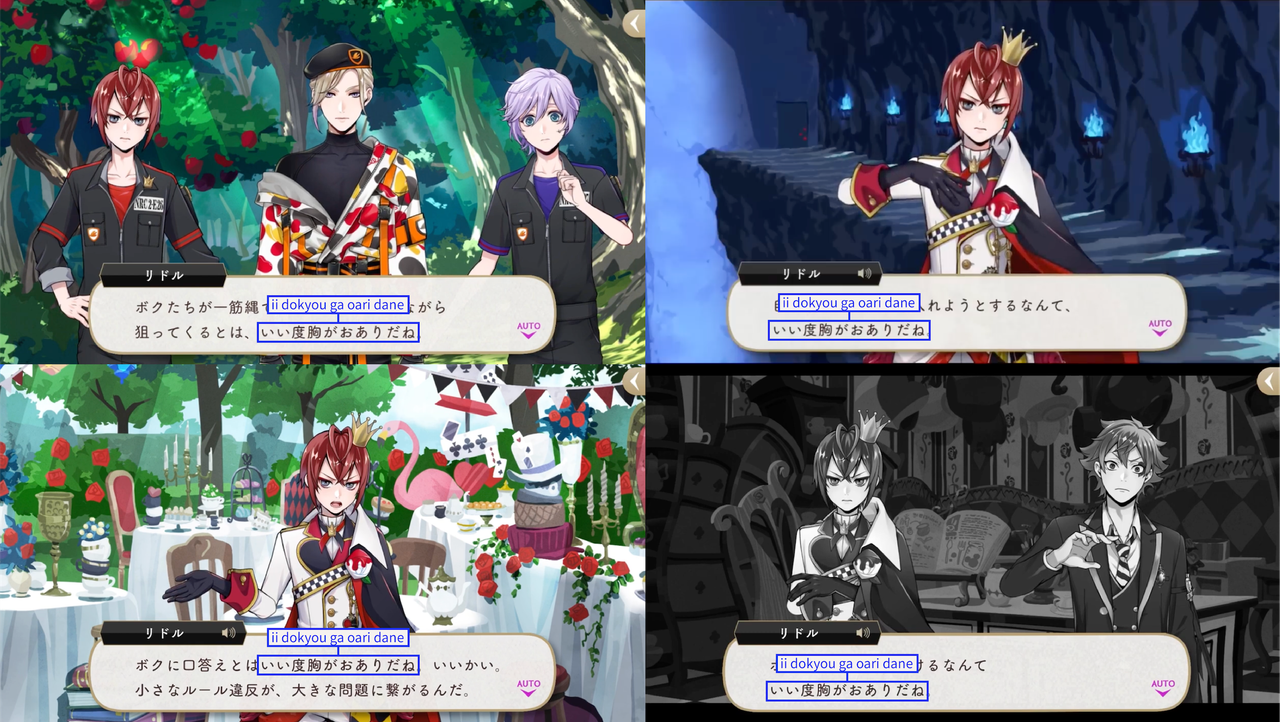
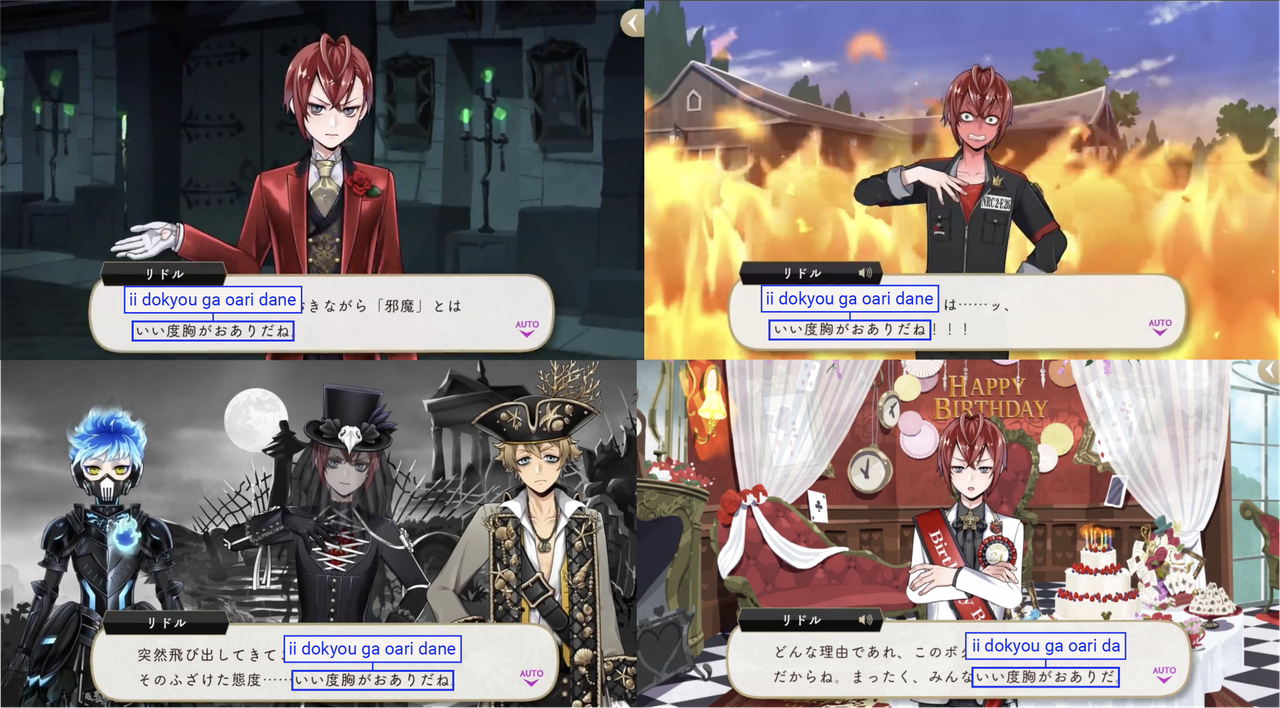
A line that Riddle also says before battles, he will often say “ii dokyo ga oari dane,” which is something like “to have some nerve.”
Other characters will say variations on “ii dokyo” (usually Vil and Leona), but this full phrase is unique to Riddle.
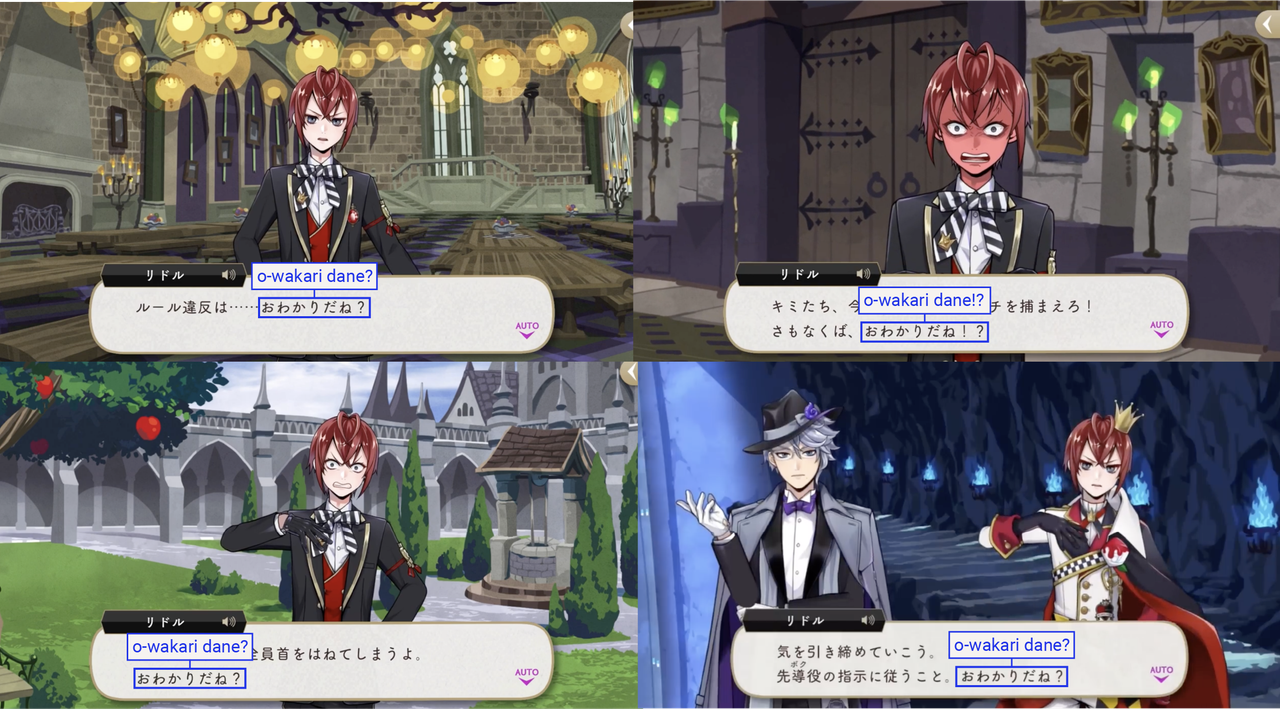
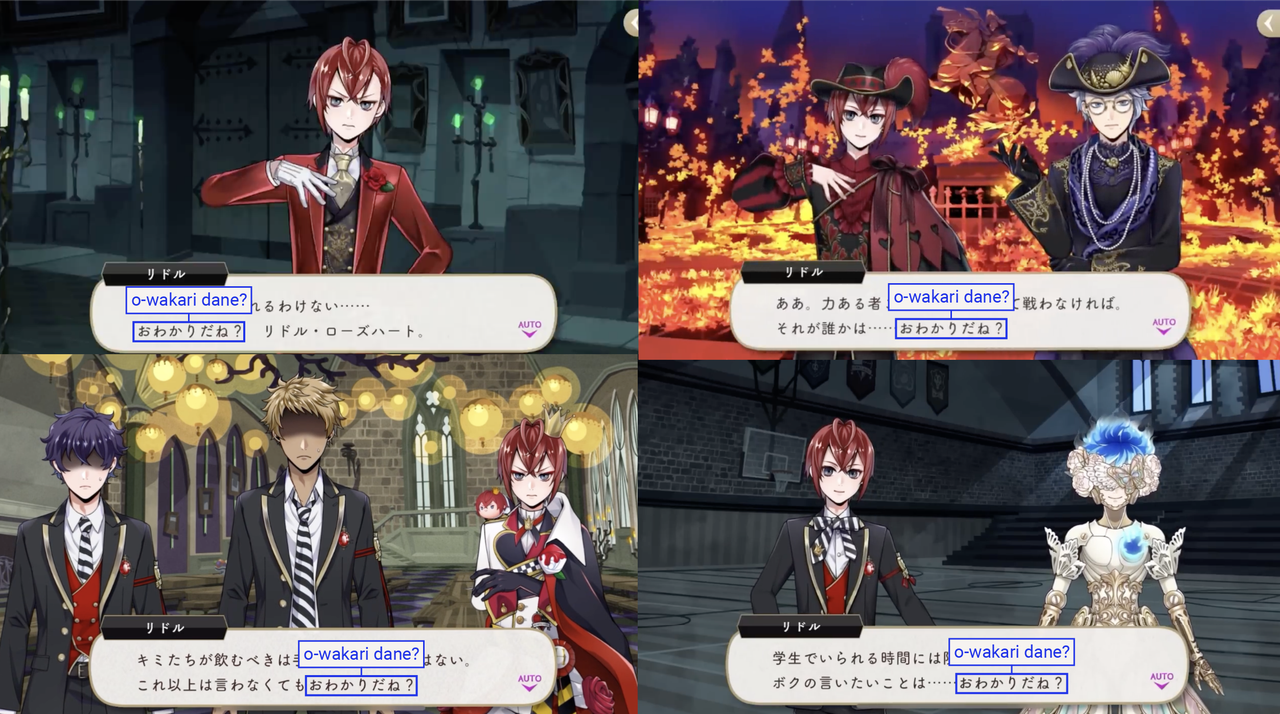
Riddle is also often saying おわかりだね (o-wakari dane), which means close to “You understand?”
He will often use it when threatening people with a beheading (similar to “If you don’t do as I say you know what will happen to you, yes?”) but also in lower stakes conversations as well.
Comments on Twstsoku offer the following observations on Riddle’s speech patterns:
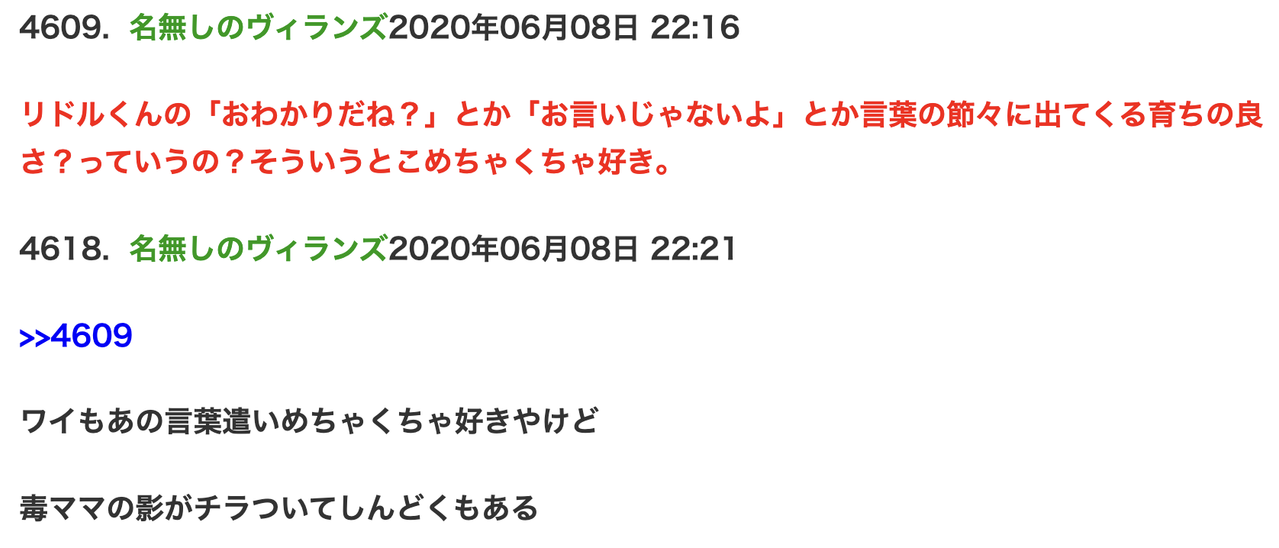
“I really love how, in the little turns of phrase Riddle uses, like ‘You understand, don’t you?’ or ‘That’s not something you should be saying.” You can feel his good upbringing. Is that the right way to put it? I absolutely love those parts.”
“I love his way of speaking too, but at the same time it’s kind of painful because you can see the shadow of his toxic mom in it.”
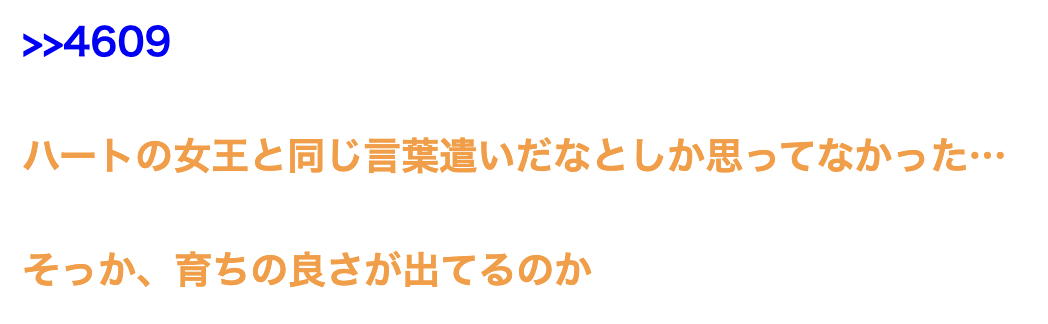
“I always thought he just spoke exactly like the Queen of Hearts… but I guess that really is his good upbringing showing through.”
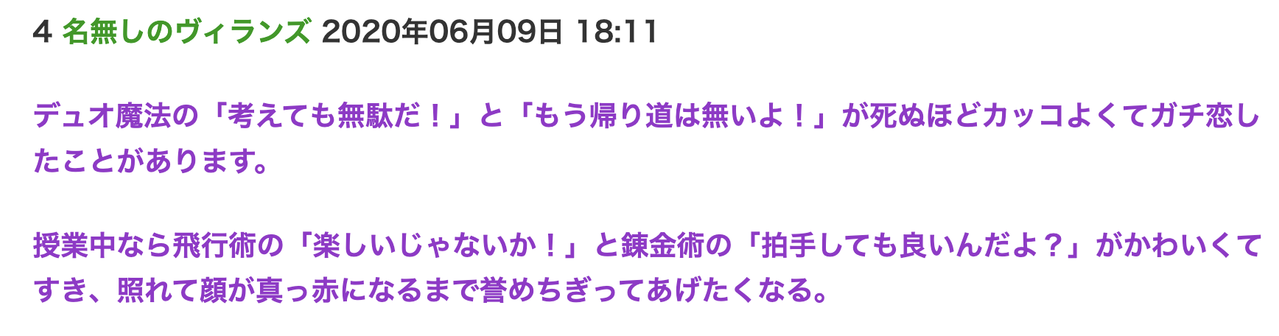
“The duo magic lines ‘There’s no point in thinking about it!’ and ‘There’s no way back now!’ are so insanely cool that I’ve genuinely fallen for him because of them. In class, his Flight lesson line ‘Isn’t this fun!’ and his Alchemy line ‘You’re allowed to applaud, you know?’ are so cute that I can’t help but love them., I just want to praise him until he gets embarrassed and his face turns bright red.”
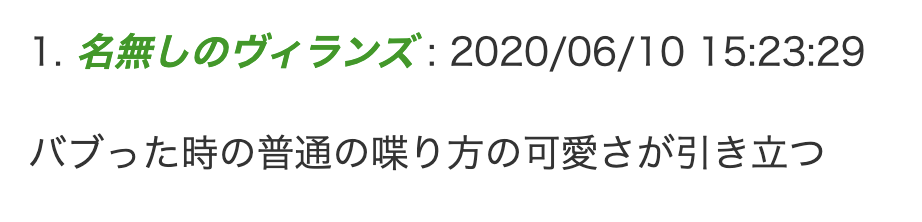
“When he acts childlike and speaks normally, it makes his cuteness stand out even more.”
Politeness Analysis
Unlike Jade and Azul, Riddle is not a “polite-speech (keigo) character,” instead using commanding/impersonal/standard-formal speech without deference, even to those older than himself.
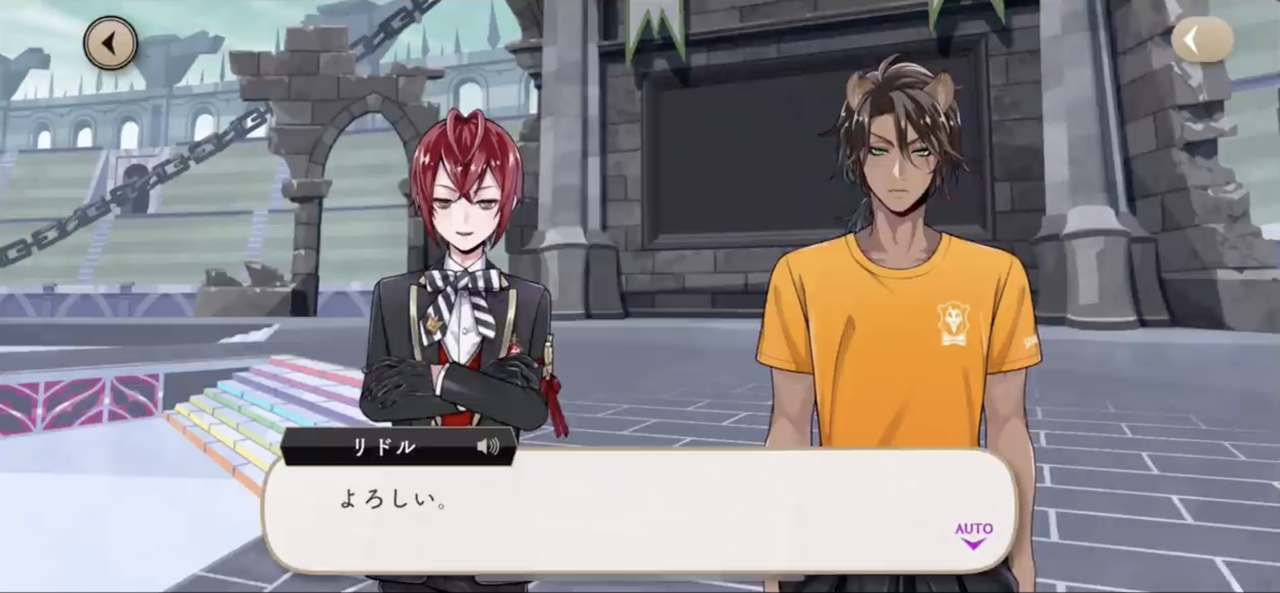
A person on Yahoo! Questions brought up this point in 2021, saying that one of the reasons they dislike Riddle is because of how he speaks to older students, using authoritative phrasing even when he is addressing Leona, an upperclassman and member of royalty.
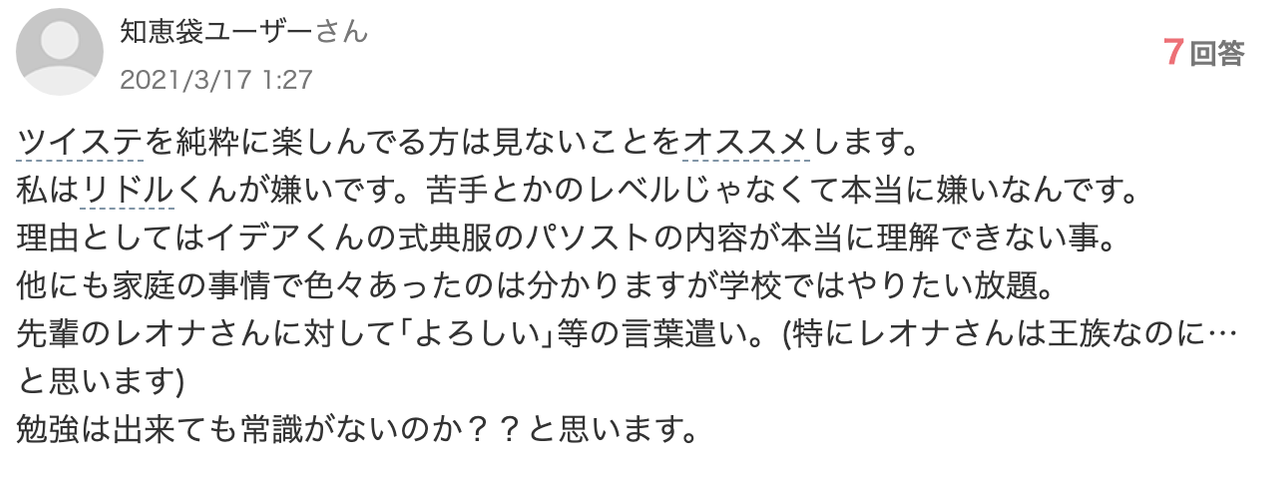
“The way he speaks to seniors like Leona, using words like ‘yoroshii.” (Especially when Leona is royalty…) He is good at studying, but does he have no common sense??”
(More on Riddle’s intelligence vs. common sense, here ▶︎)
Whereas Jade might have been raised to use polite speech and now applies it to keep up a boundary between himself and the people he wants to observe for his own amusement (more here ▶︎), Riddle might be utilizing polite speech to assert authority and control.
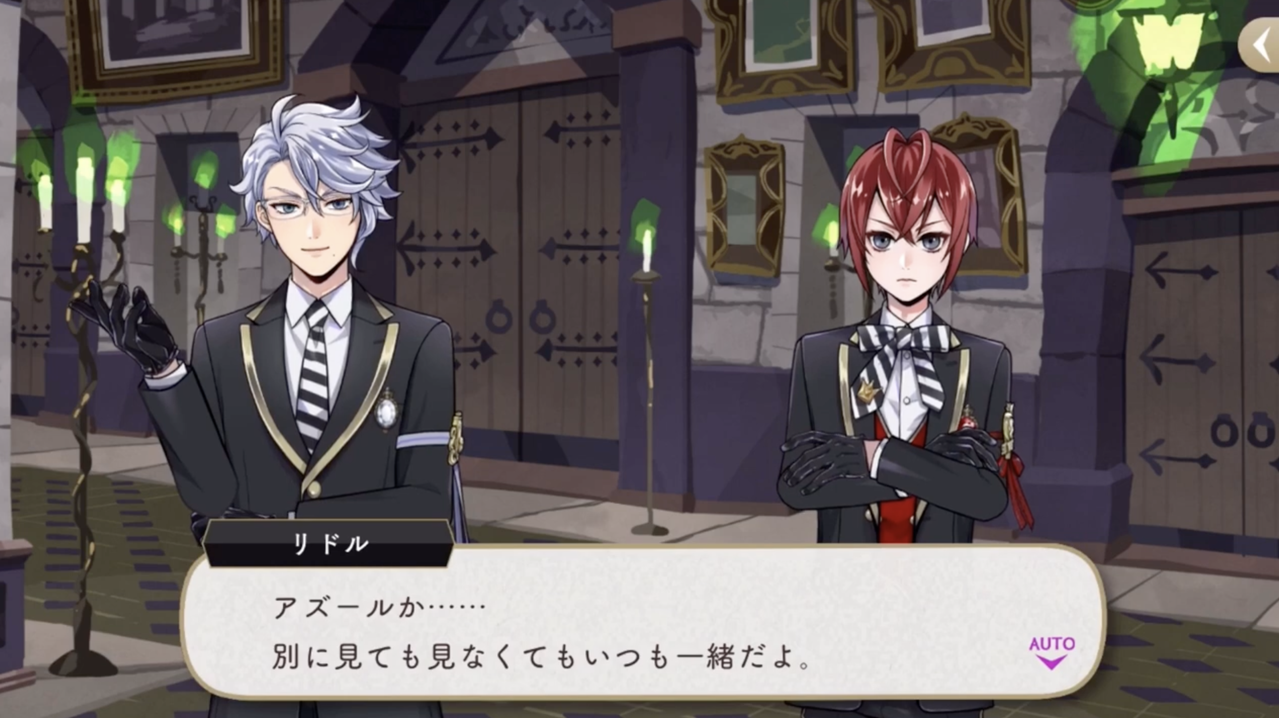
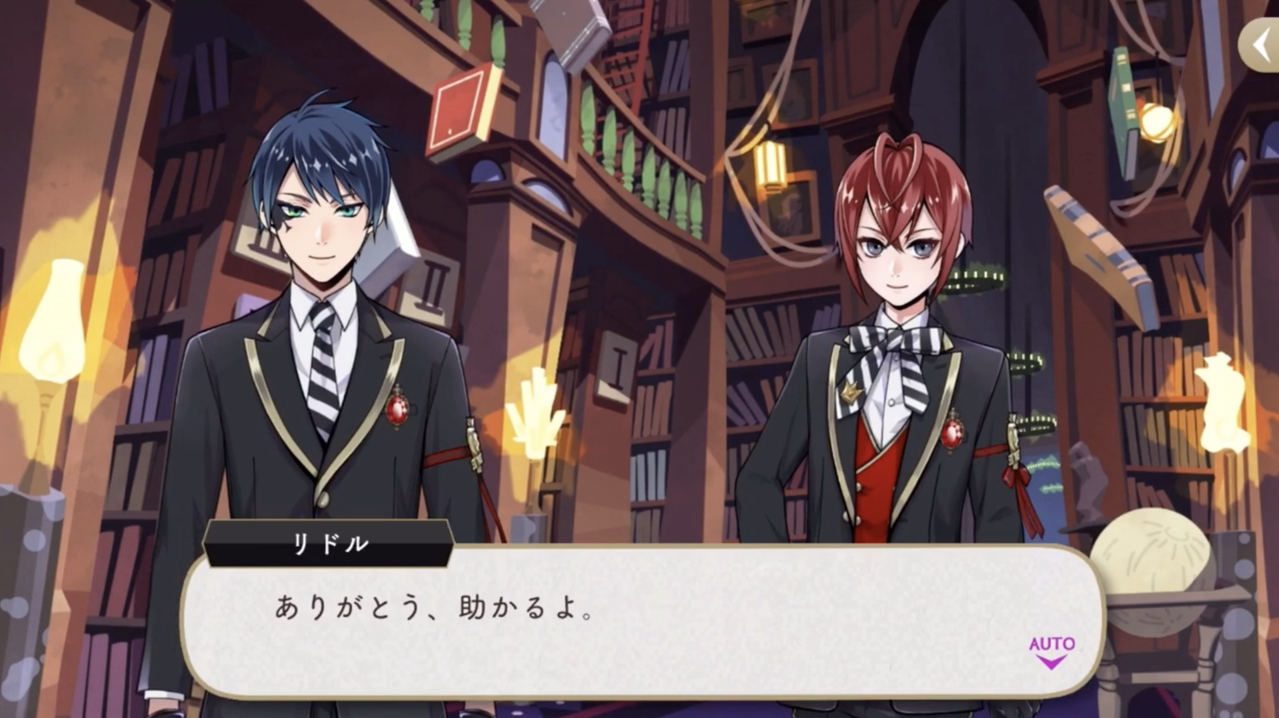
As is common with hierarchy speech Riddle generally does not use polite phrasing with people his age or underclassmen (unlike Jade and Azul (more here ▶︎)), but while he does adopt polite phrasing with upperclassmen it is inconsistent, with the degree of politeness he chooses to use varying by situation.
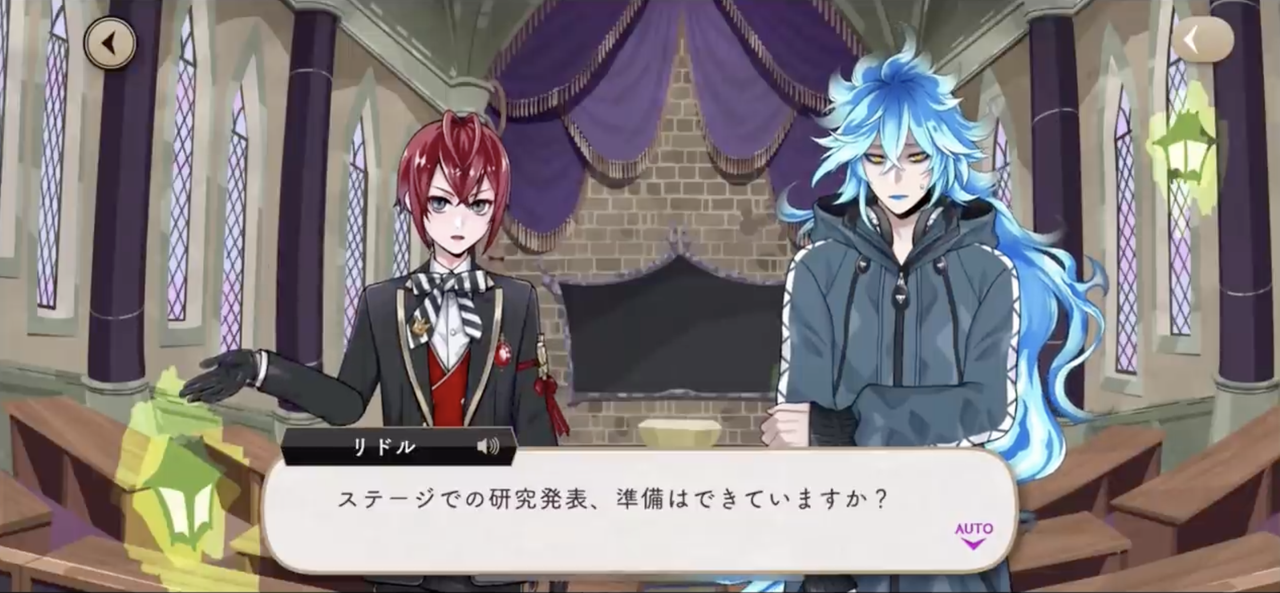
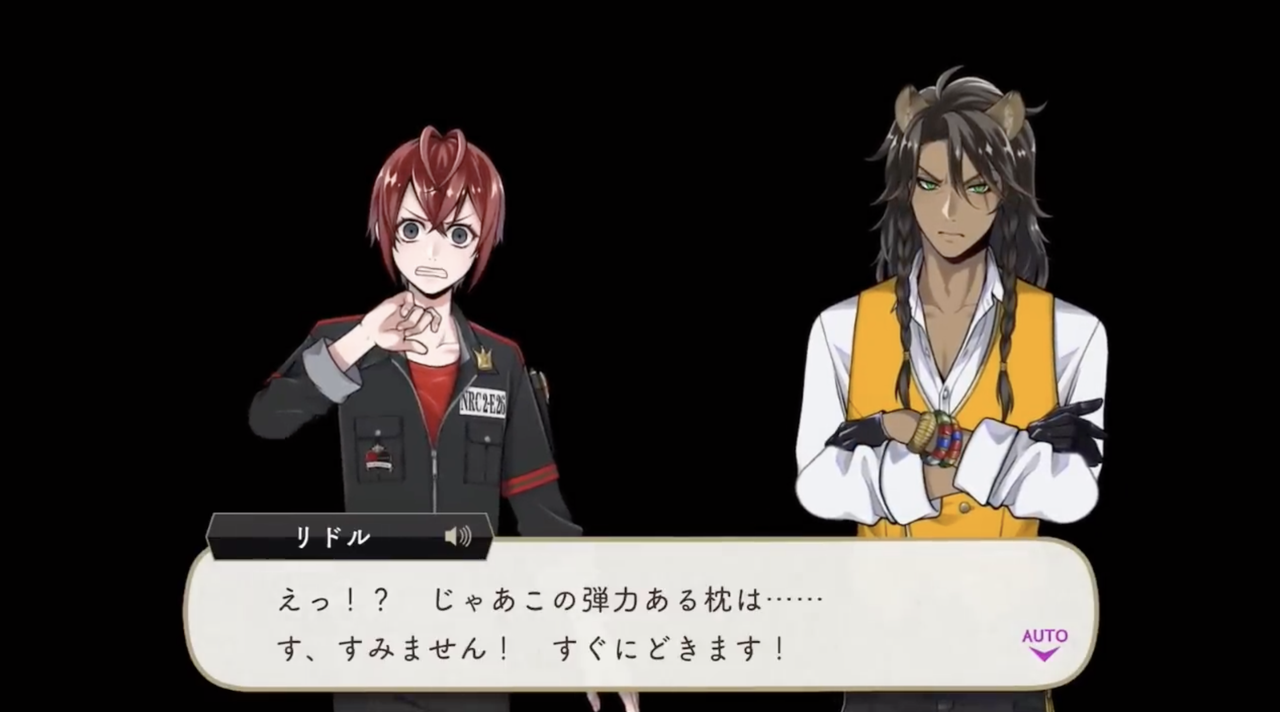
Riddle will use more casual/emotional phrasing with Trey and Cater, almost as though the strictness of how he expresses himself becomes more gentle when he feels safe/comfortable with whom he is speaking to (in contrast to Jade, who uses polite phrasing even with Floyd and Azul).
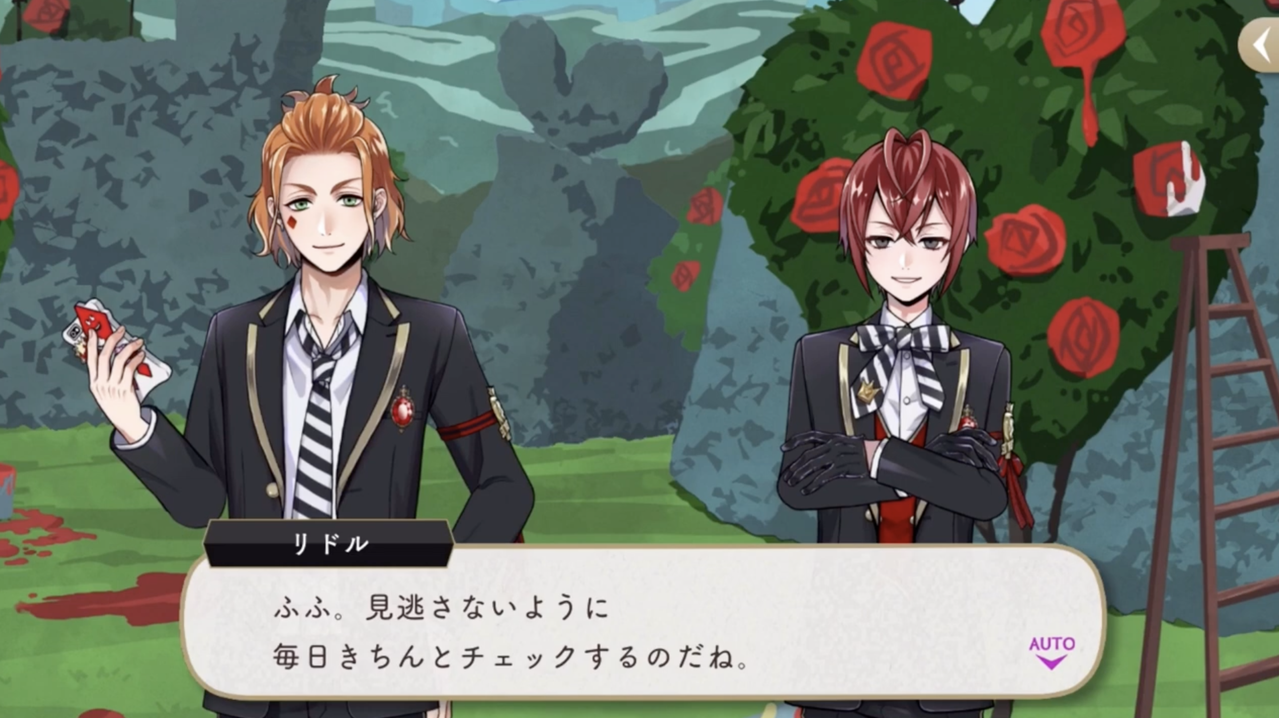
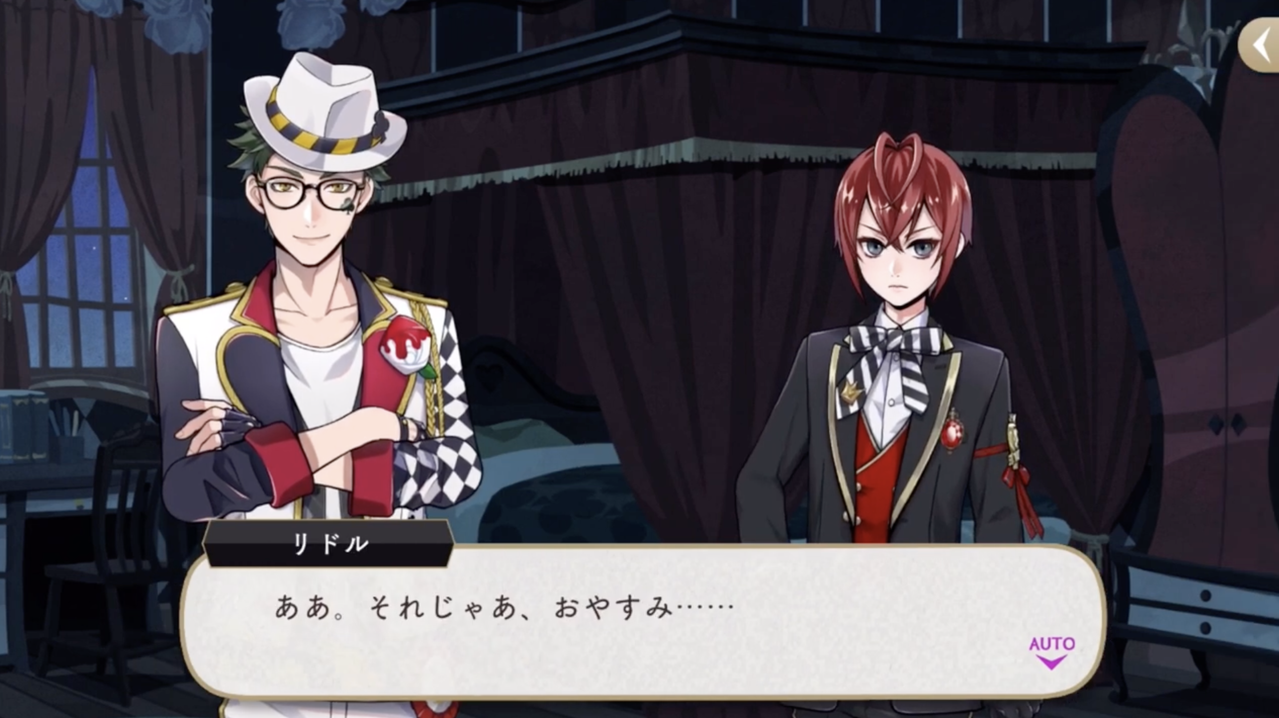
Much like Azul, Riddle’s inconsistent use of polite speech might be an indication that his politeness is something he consciously adapts rather than being a natural part of how he communicates, as might be with Jade.
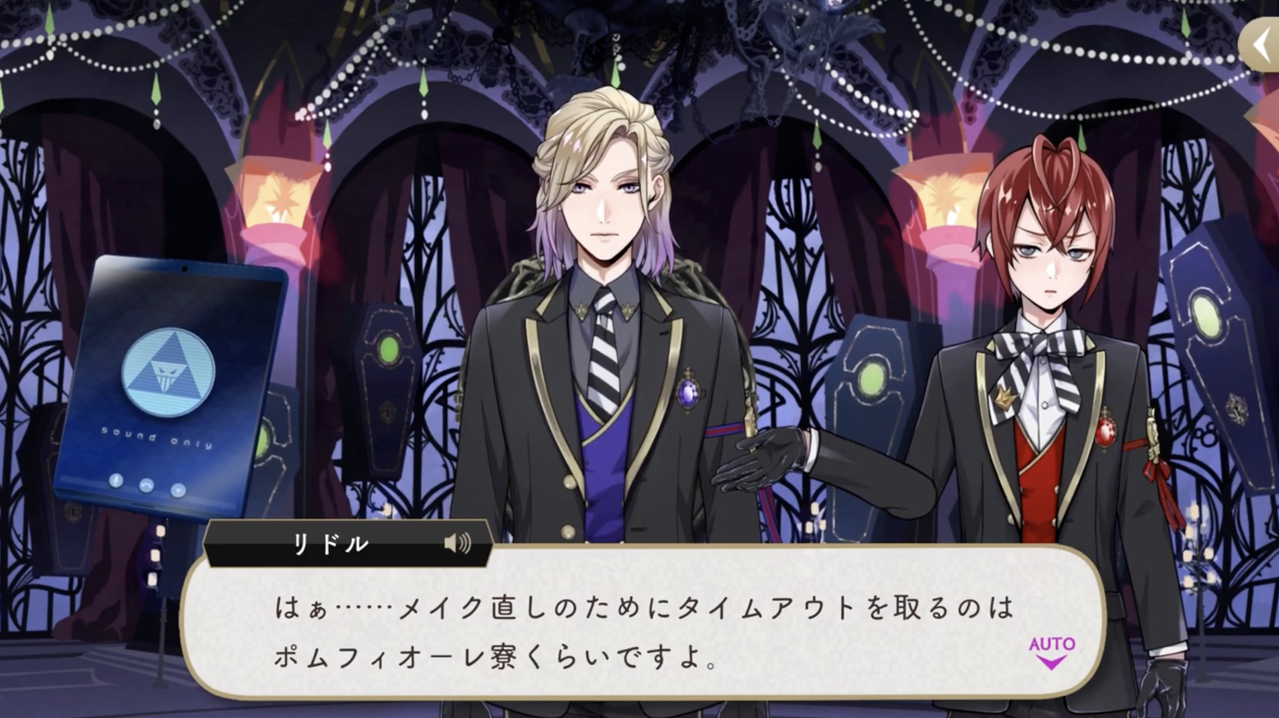
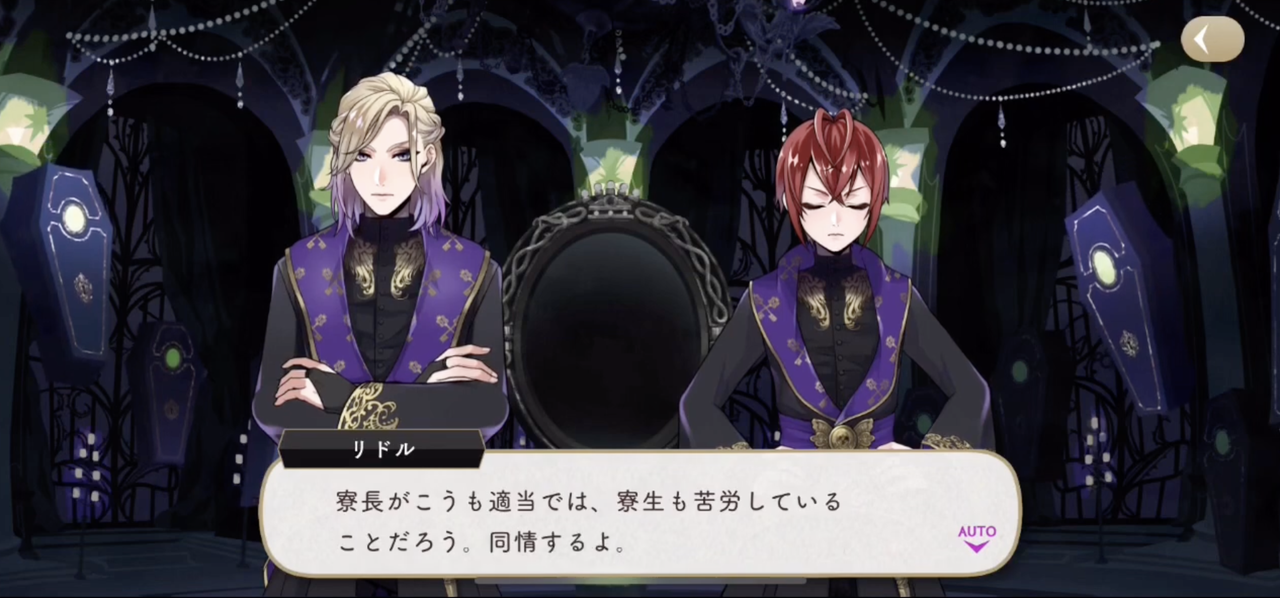
To compare the three:
・Jade’s use of polite phrasing possibly comes the most naturally of all the characters, and he might be using it to keep space between himself and others, to observe those around him like mushrooms.
・Azul’s use of polite phrasing is more strategic, coming apart when he is not consciously applying it, and possibly something he uses as a tool or weapon to his advantage, or to protect himself.
・Riddle’s use of polite speech is much more inconsistent, being dropped even with upperclassmen, with his word choice sounding more about enforcing his authority.
Riddle is not unaware of the rules of good manners, but he is maybe prioritizing his belief in his own correctness and that subsequent structure over social niceties. His speech is not technically, grammatically incorrect, but it does not have the deference that one would expect from a younger student, and can sound disrespectful or harsh.
 Twisted Wonderland Reference Note