
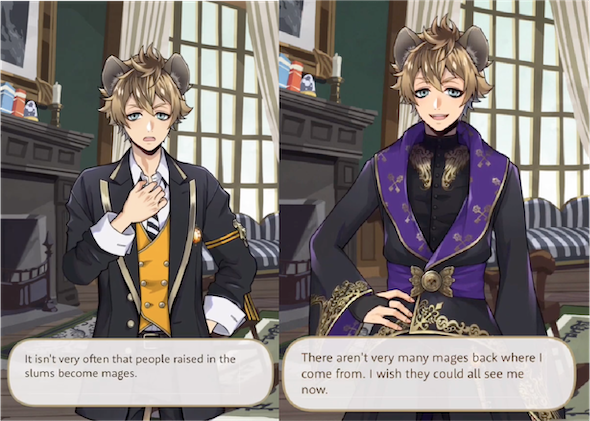
Ruggie describes the neighborhood where he grew up as “the slums”, saying that it is rare for the area to produce mages.
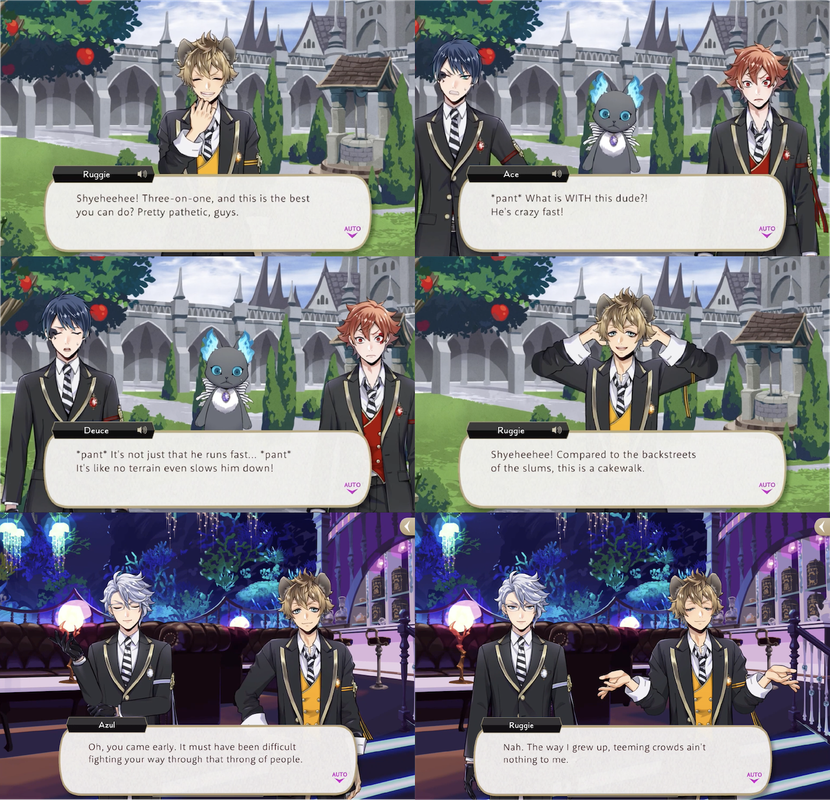
He attributes his athleticism to “the backstreets of the slums” and says that he is used to “teeming crowds” because of where he grew up.
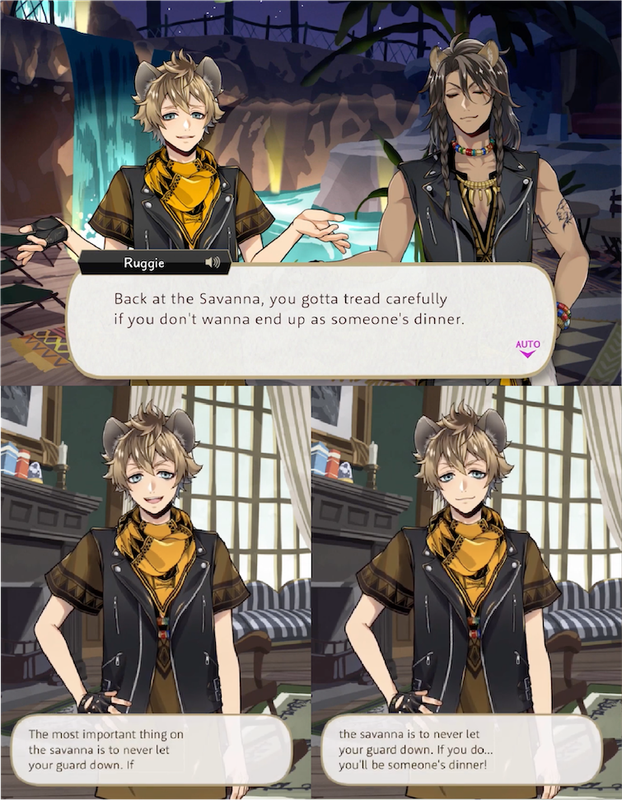
Ruggie comments more than once that “you gotta tread carefully” and “never let your guard down” in the savannah, as otherwise “you’ll be someone’s dinner”.
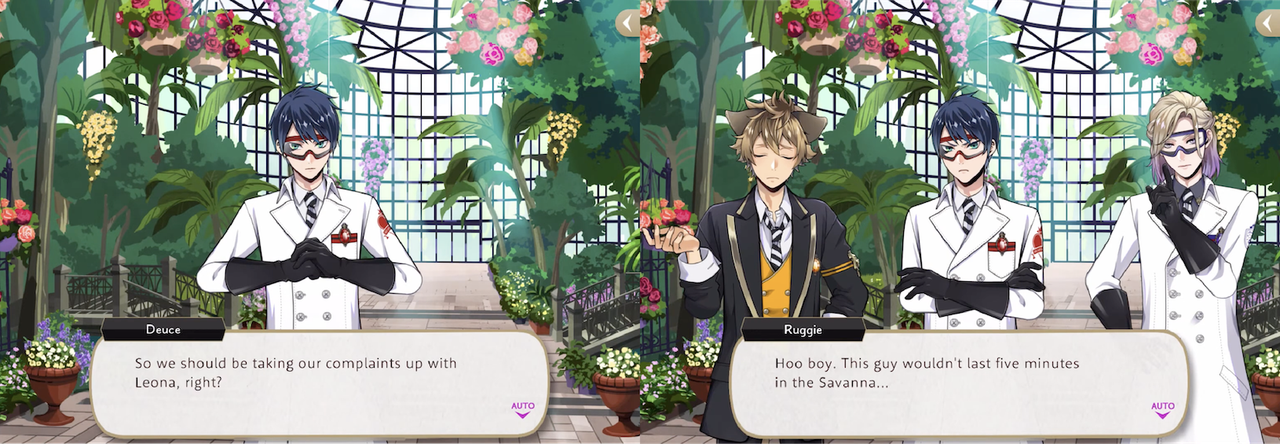
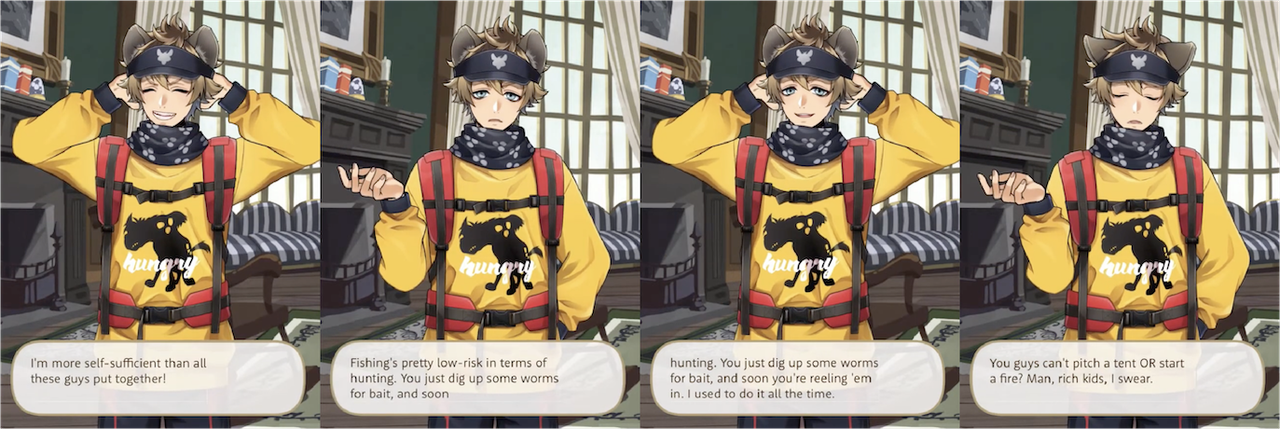
Ruggie says that Deuce “wouldn’t last five minutes in the Savanna”. It seems to be due to his upbringing that he is such an accomplished survivalist, saying that he is more self-sufficient than everyone else at Vargas Camp put together, that he used to dig up his own bait to go fishing all the time and expressing exasperation that the other students cannot pitch tents or start fires.
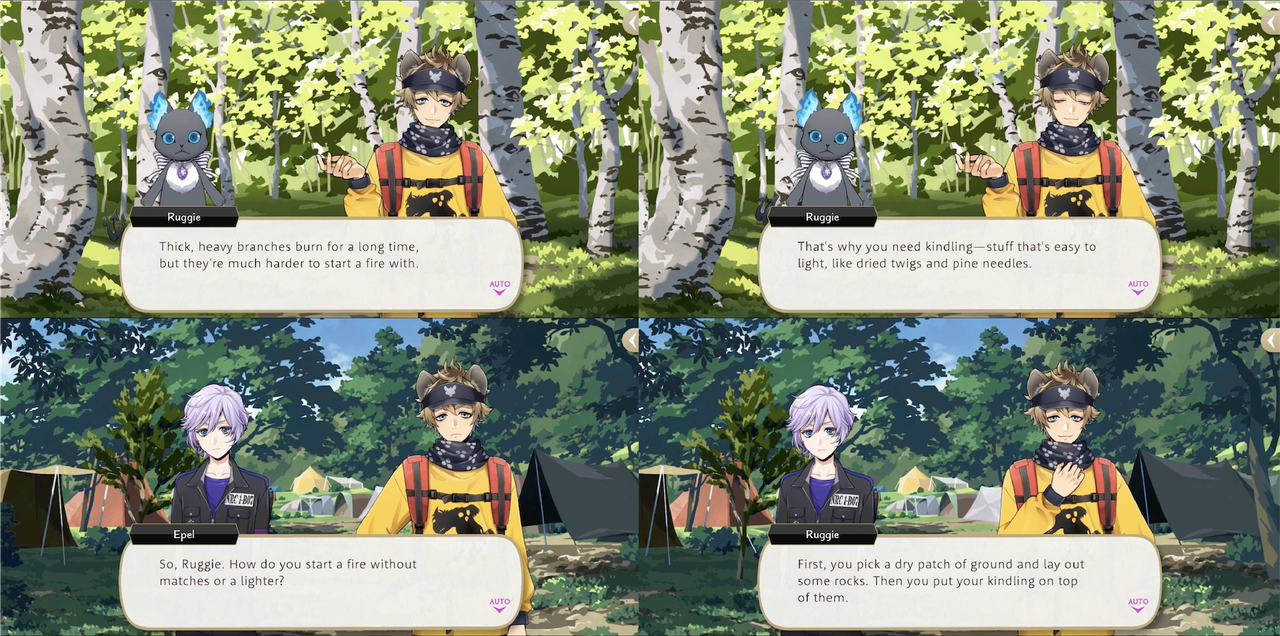
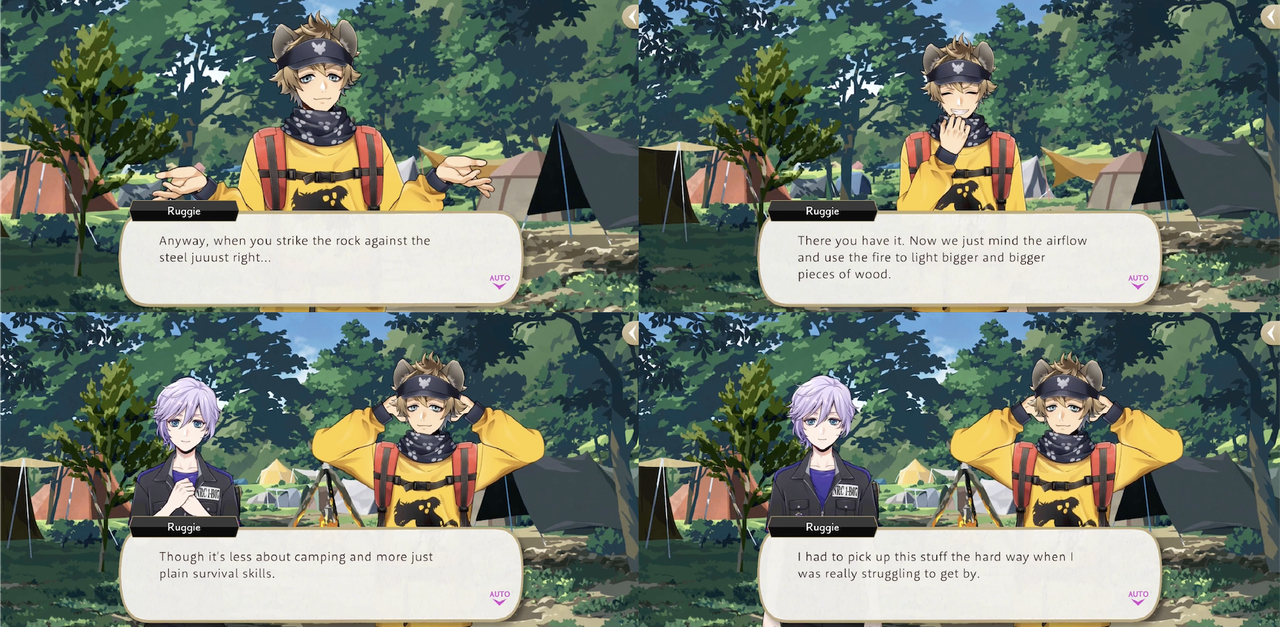
We see him teach Epel how to start a fire, where he explains, “it’s less about camping and more just plain survival skills. I had to pick up this stuff the hard way when I was really struggling to get by.”
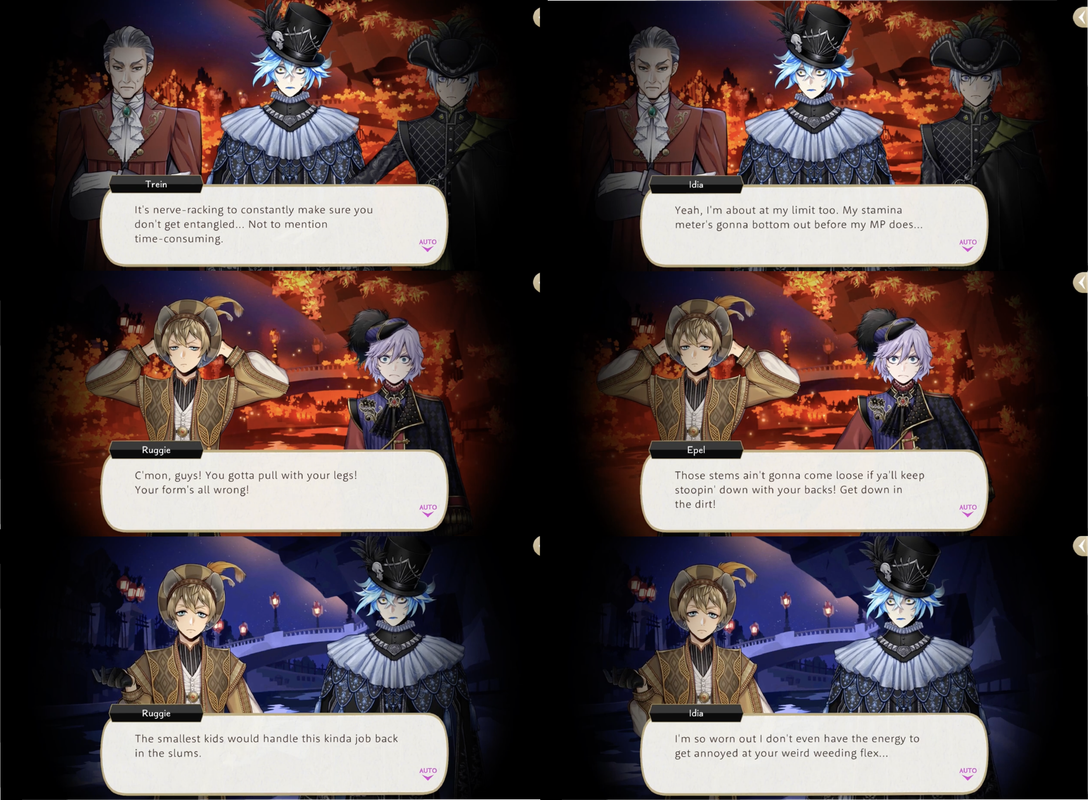
Exasperated with everyone’s poor weeding techniques during Glorious Masquerade Ruggie says, “The smallest kids would handle this kinda job back in the slums.”
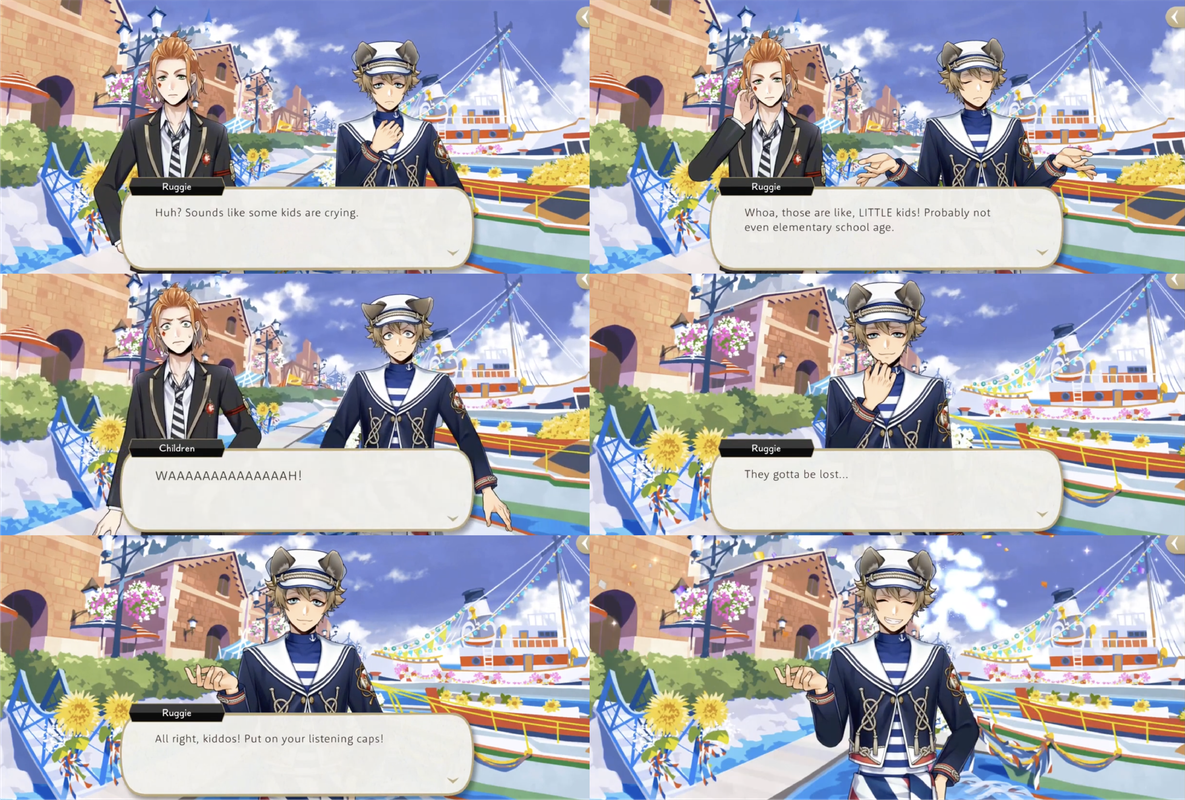
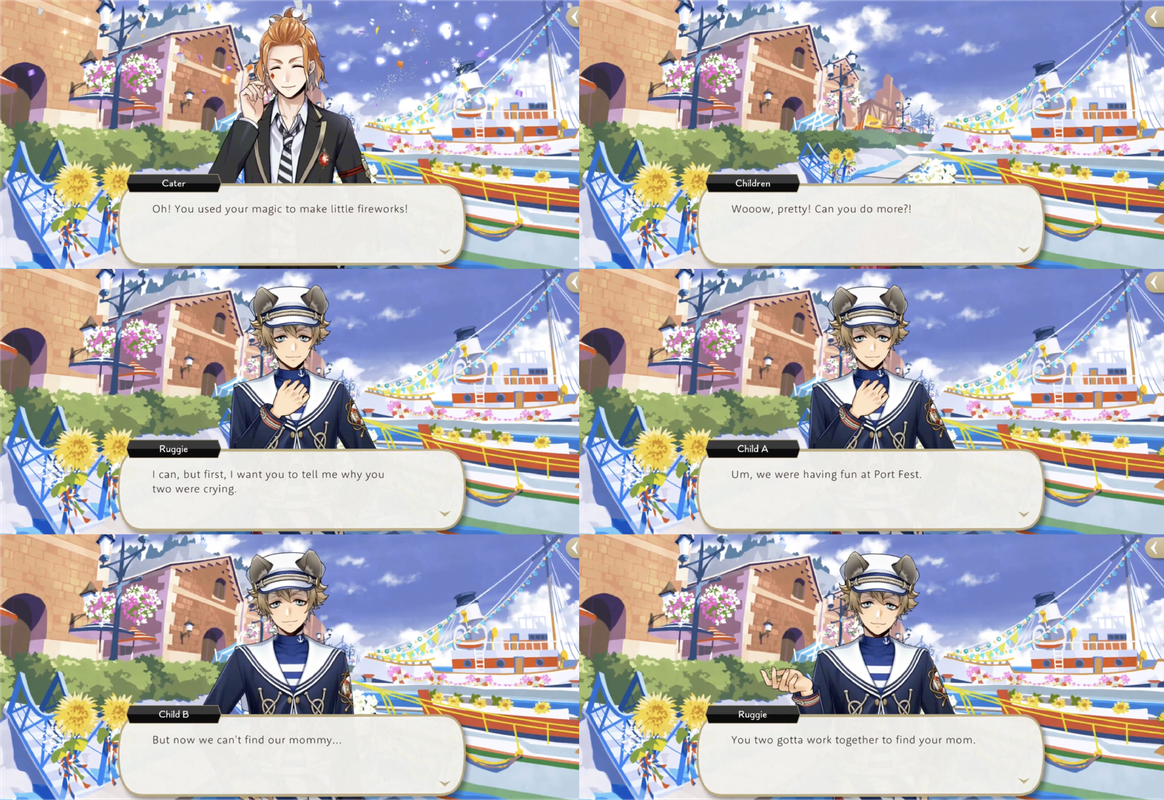
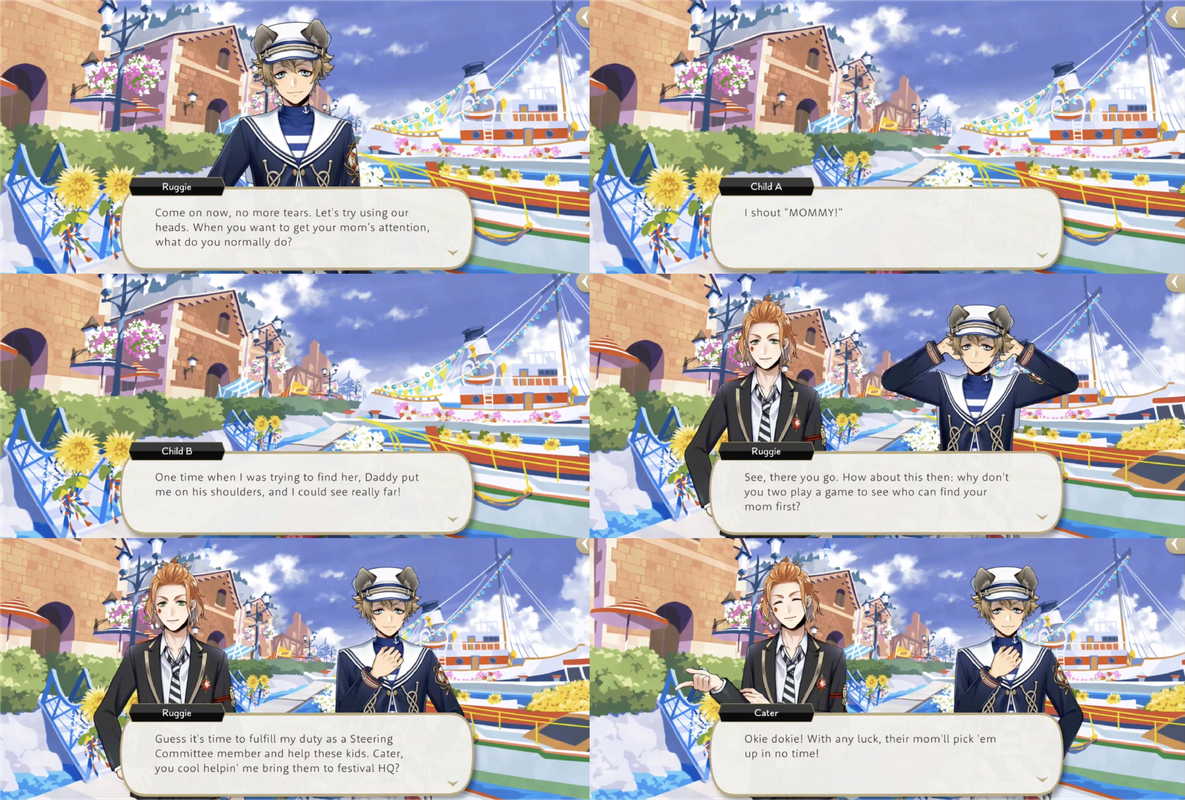
Cater and Ruggie happen upon two lost children during Port Fest, and after entertaining them with fireworks Ruggie tells them that they will need to work together to find their mother, asking, “When you want to get your mom’s attention, what do you normally do?”
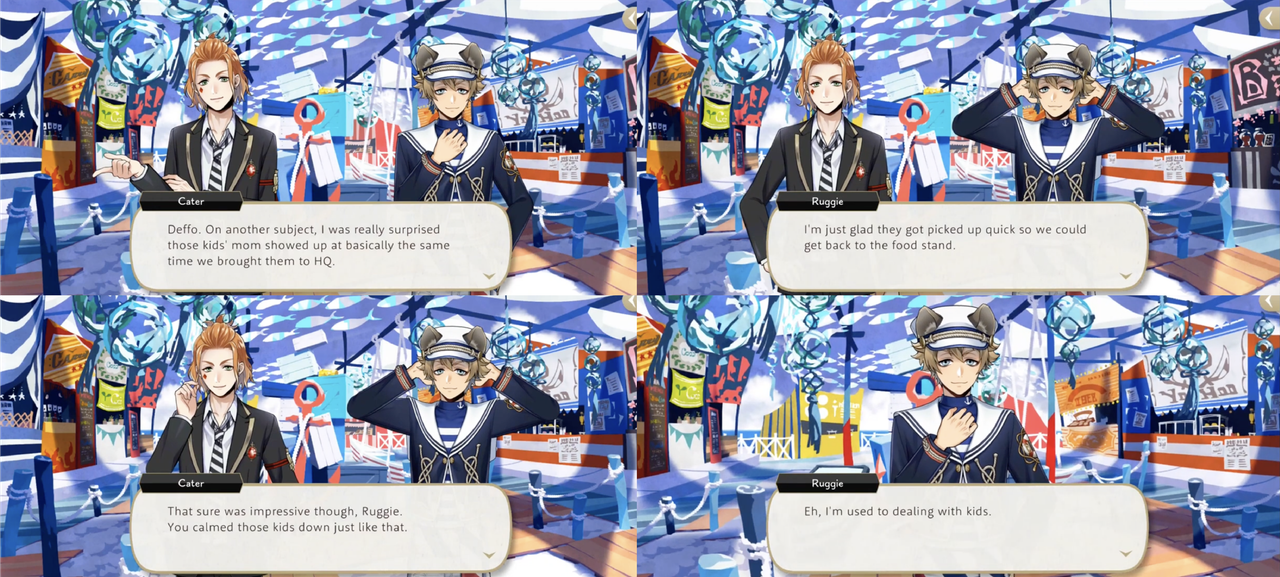
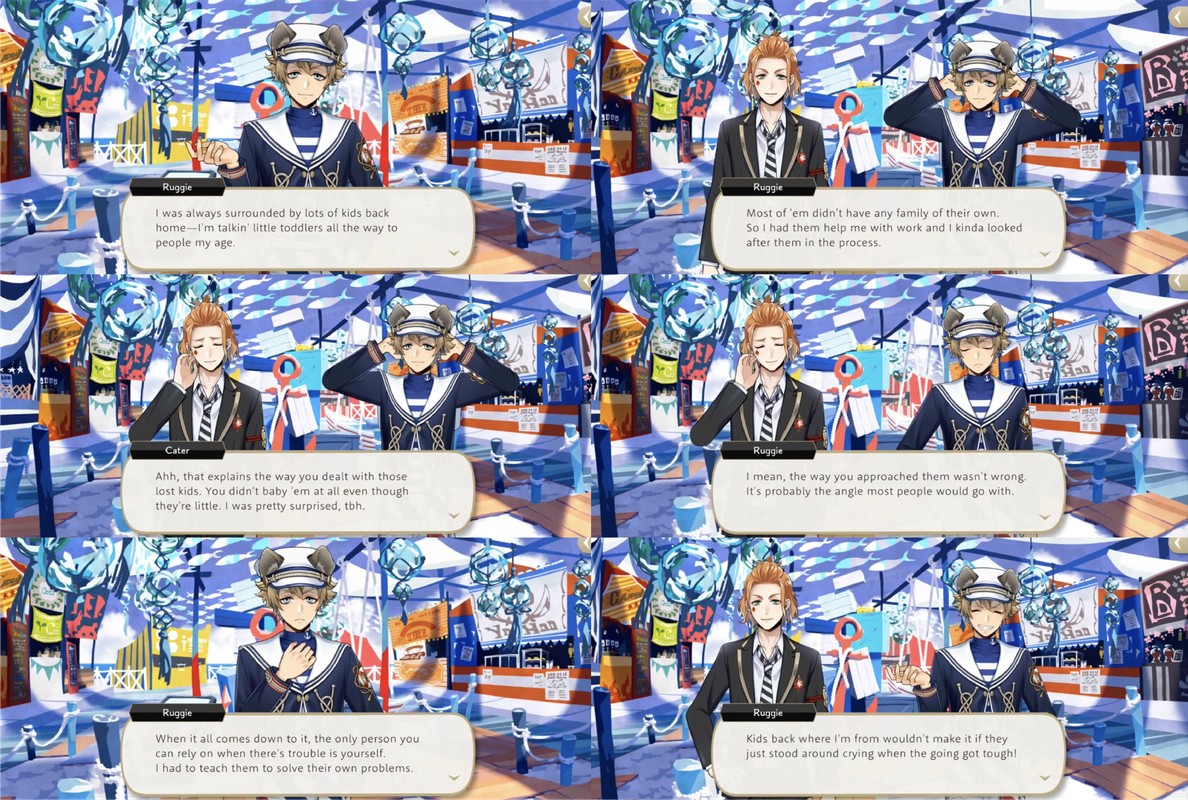
After reuniting the family Cater compliments Ruggie on how he handled the situation and Ruggie explains, “I’m used to dealing with kids. I was always surrounded by lots of kids back home—I’m talkin’ little toddlers all the way to people my age. Most of ’em didn’t have any family of their own. So I had them help me with work and I kinda looked after them in the process.”
Cater says, “You didn’t baby ’em at all even though they’re little. I was pretty surprised, tbh,” and Ruggie says that Cater’s angle is probably what more people would go with, but, “When it all comes down to it, the only person you can rely on when there’s trouble is yourself. I had to teach them to solve their own problems. Kids back where I’m from wouldn’t make it if they just stood around crying when the going got tough!”
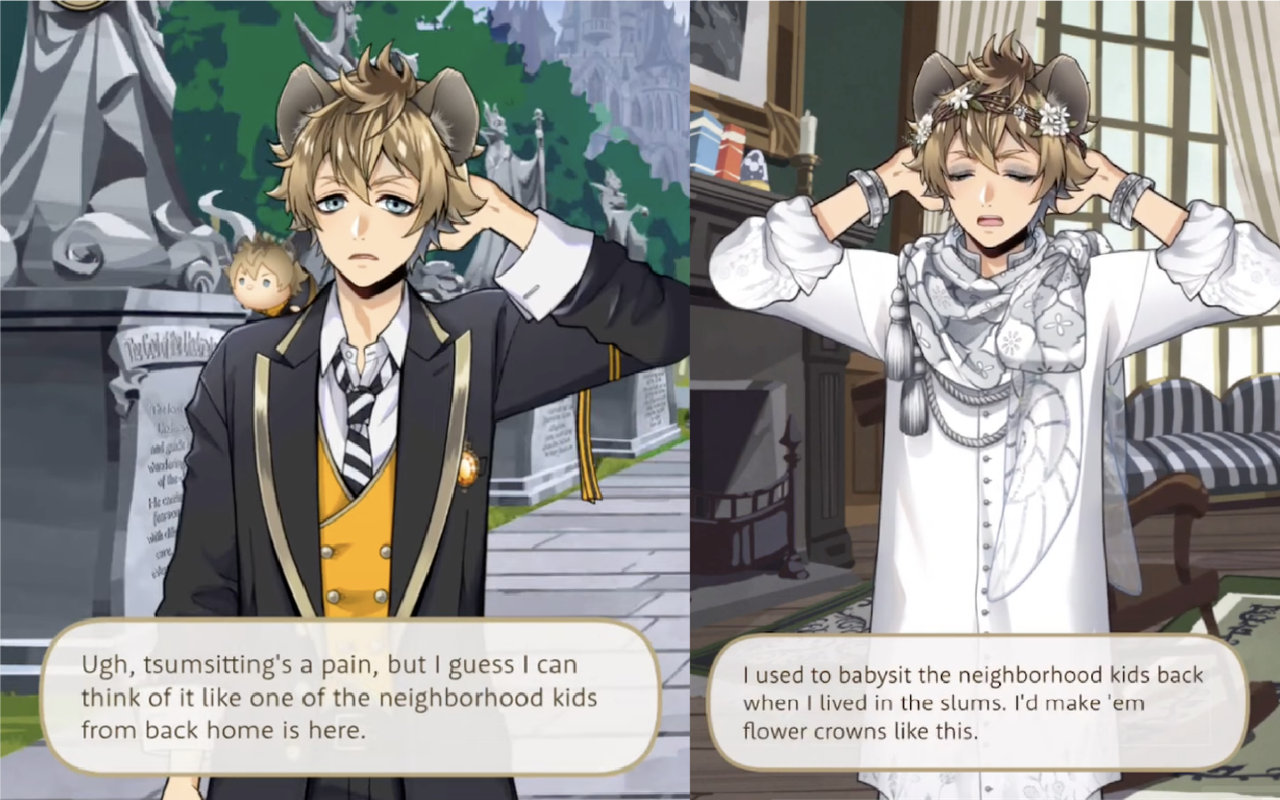
Ruggie says he “used to babysit the neighborhood kids back when (he) lived in the slums” and make them flower crowns, they would exchange manga together and “the neighborhood kids would turn up in droves at the rich people’s houses” during Halloween every year.
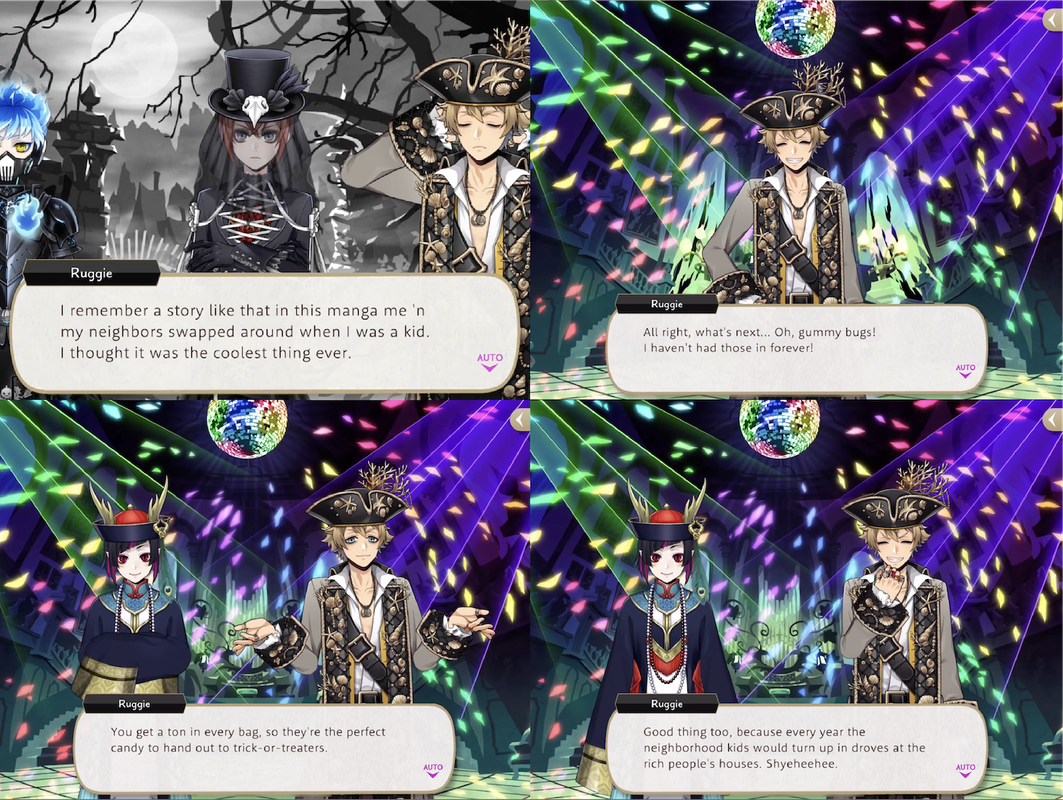
Ruggie says “Halloween in the slums ain’t that interesting. Basically, if someone doesn’t give you candy, you refuse to leave until they do. Collecting candy is like a 24-hour endurance event. I mean, we basically never get a chance to eat anything as lavish as candy, so yeah.”
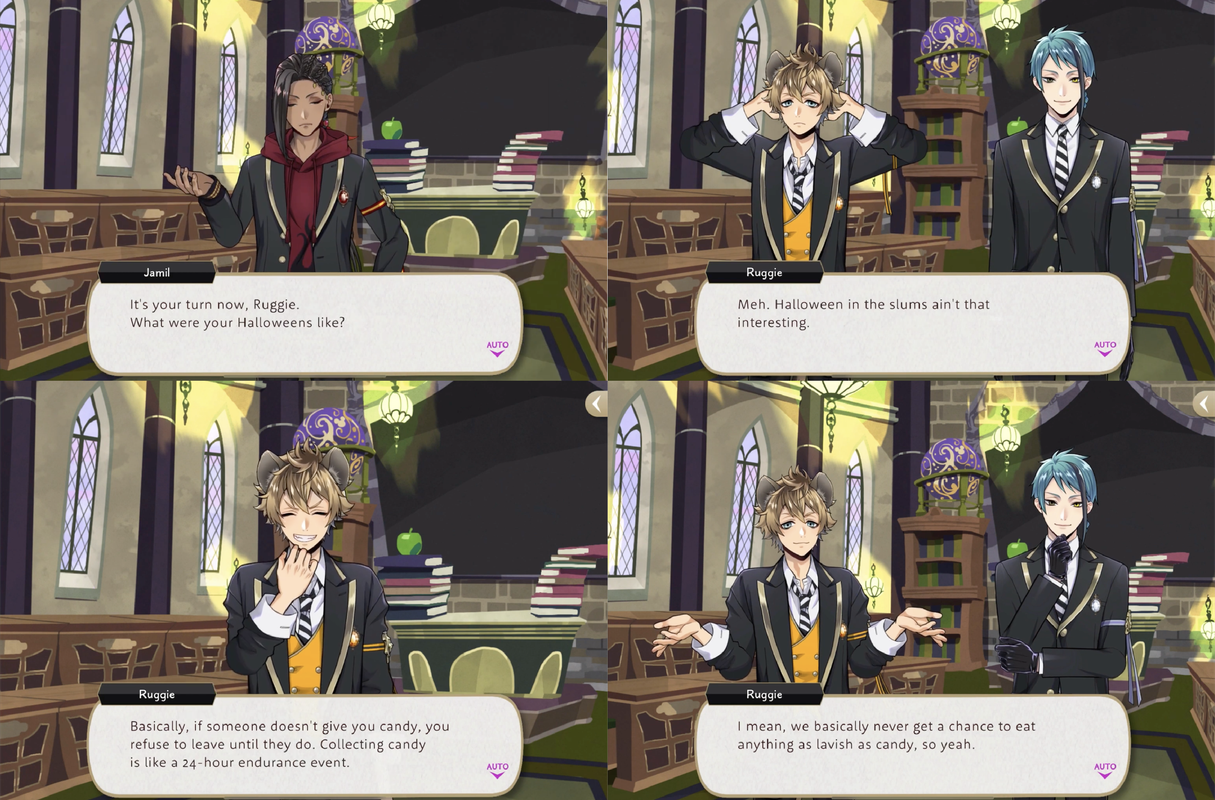
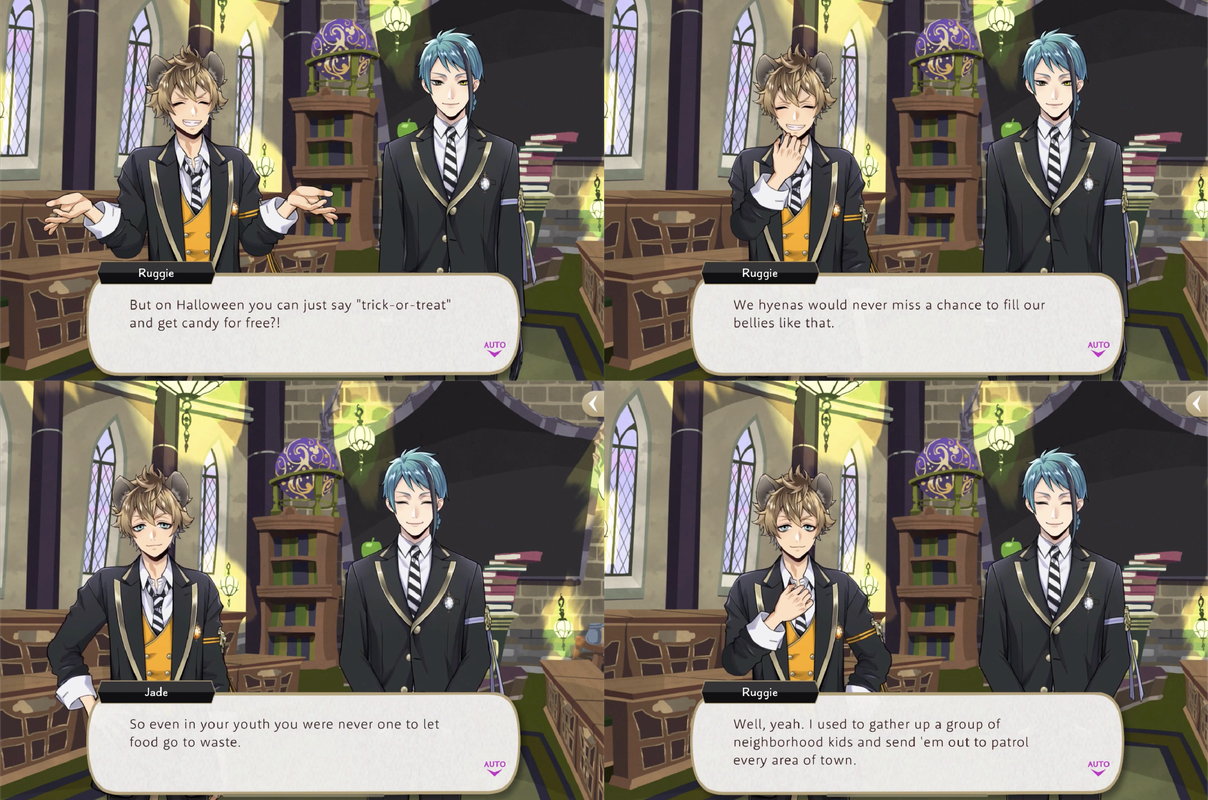
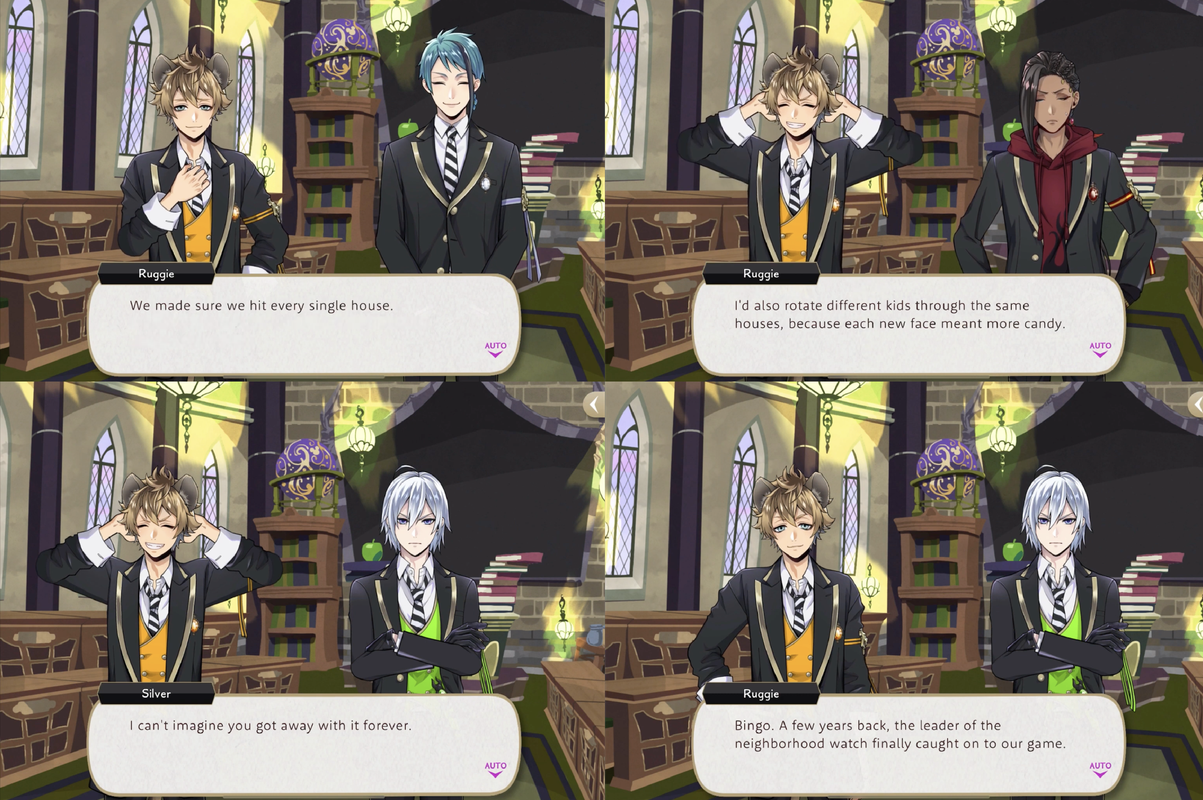
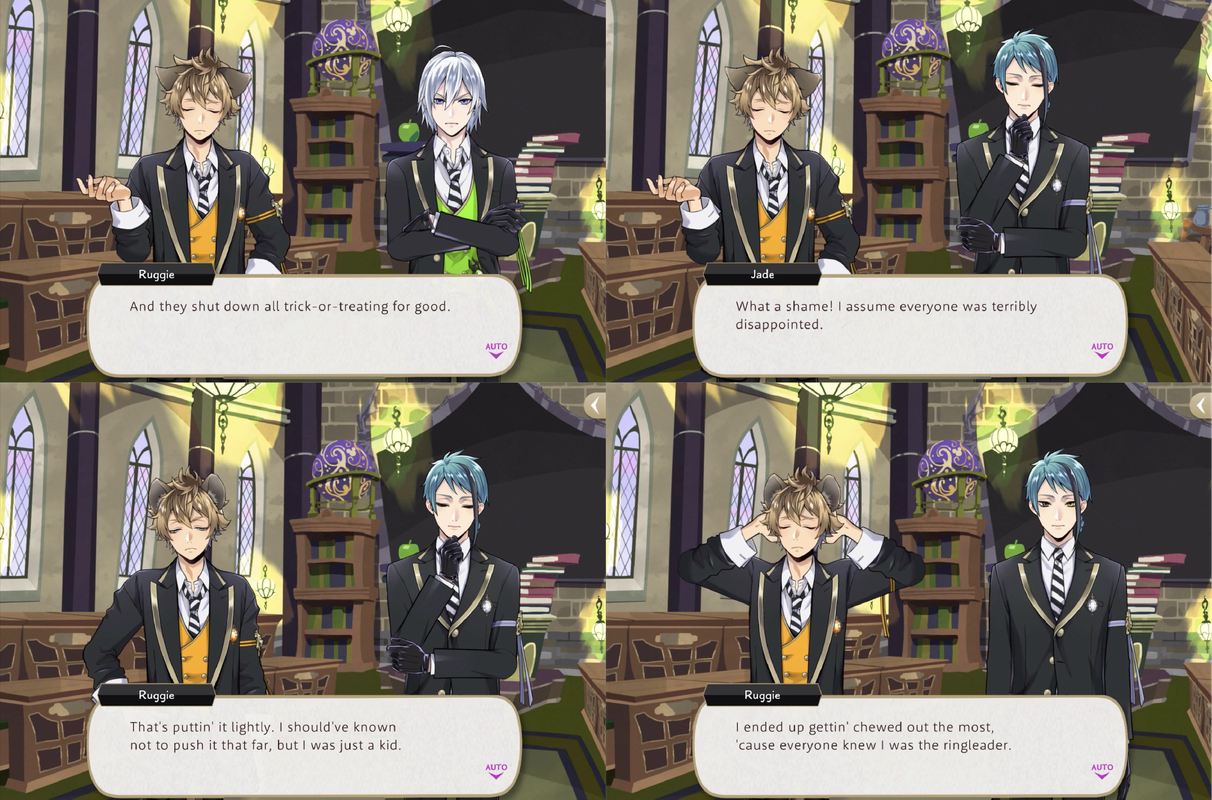
Jade observes that Ruggie must have been against wasting food even when he was younger and Ruggie explains, “I used to gather up a group of neighborhood kids and send ’em out to patrol every area of town. We made sure we hit every single house. I’d also rotate different kids through the same houses, because each new face meant more candy.” A few years ago, however, the leader of the neighborhood watch caught on to their tactics and shut down all trick-or-treating, with Ruggie in the most trouble as the ringleader.
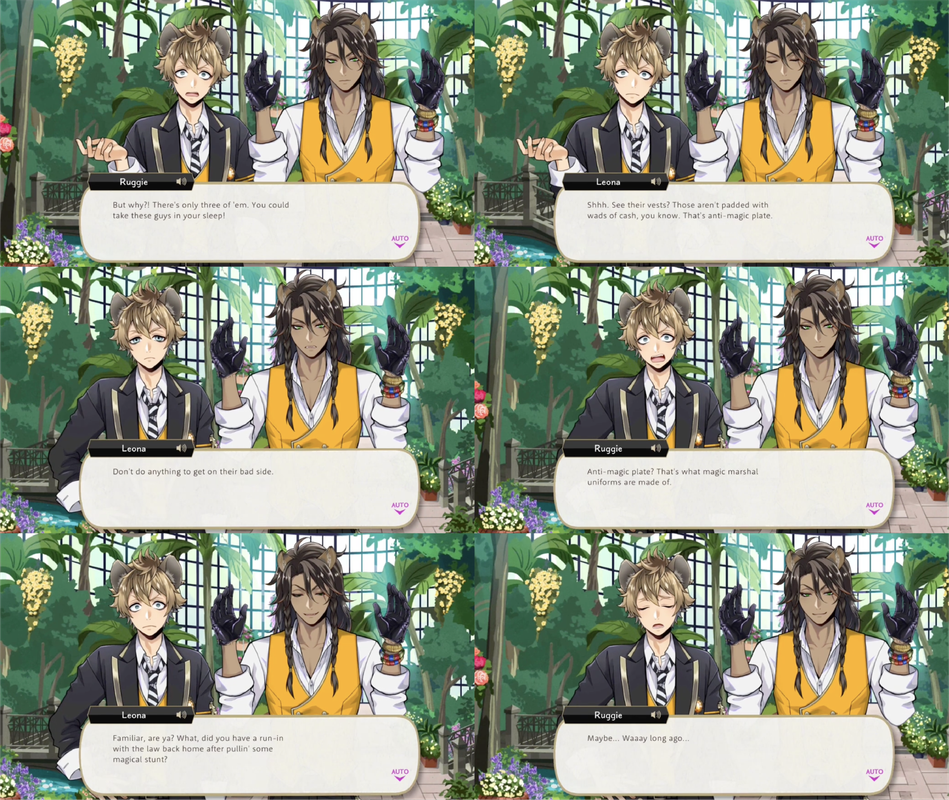
Ruggie may have often been in trouble back home: when he recognizes the anti-magic plate of the CHARON as being what is also used by magic marshals Leona asks if he had a run in with the law back home and Ruggie responds, “Maybe…waaay long ago.”
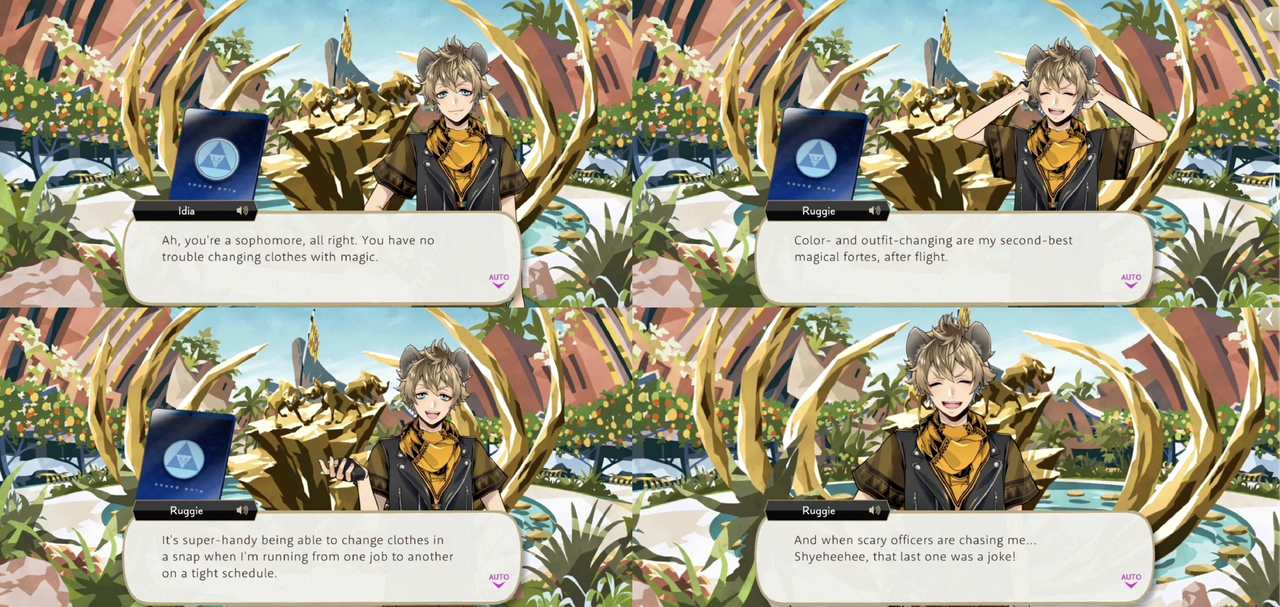
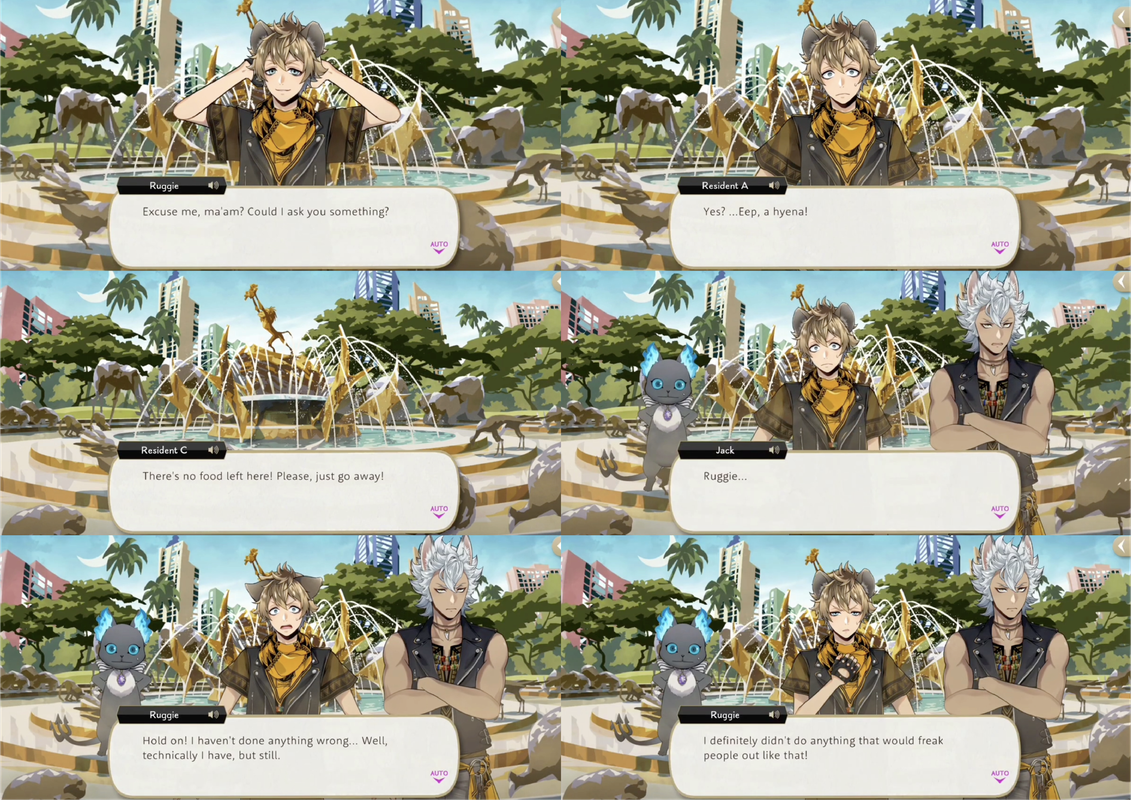
Ruggie says that color- and outfit-changing magic comes in handy when he is being chased by scary officers (which he then claims is a joke). When he frightens locals in Leona’s dream Jack seems to suspect him of having done something to deserve it. Ruggie says, “I haven’t done anything wrong…well, technically I have, but still.”
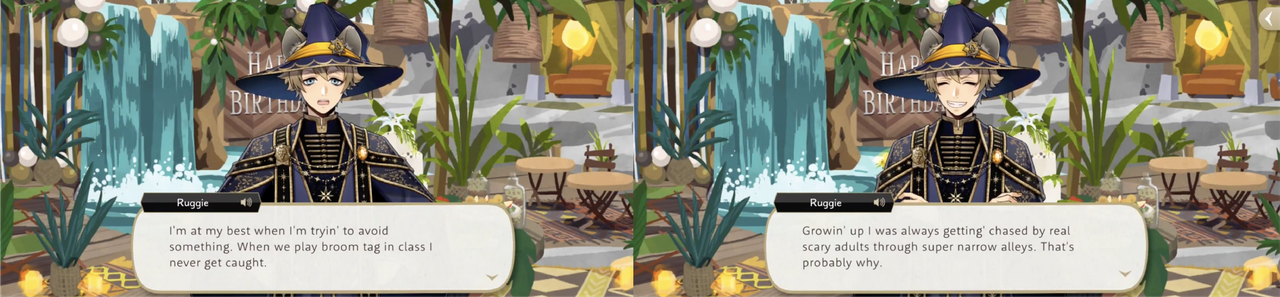
Ruggie says that he is at his best in flight class when trying to avoid something and that he never gets caught when they play broom tag: “Growin’ up I was always getting’ chased by real scary adults through super narrow alleys. That’s probably why.”
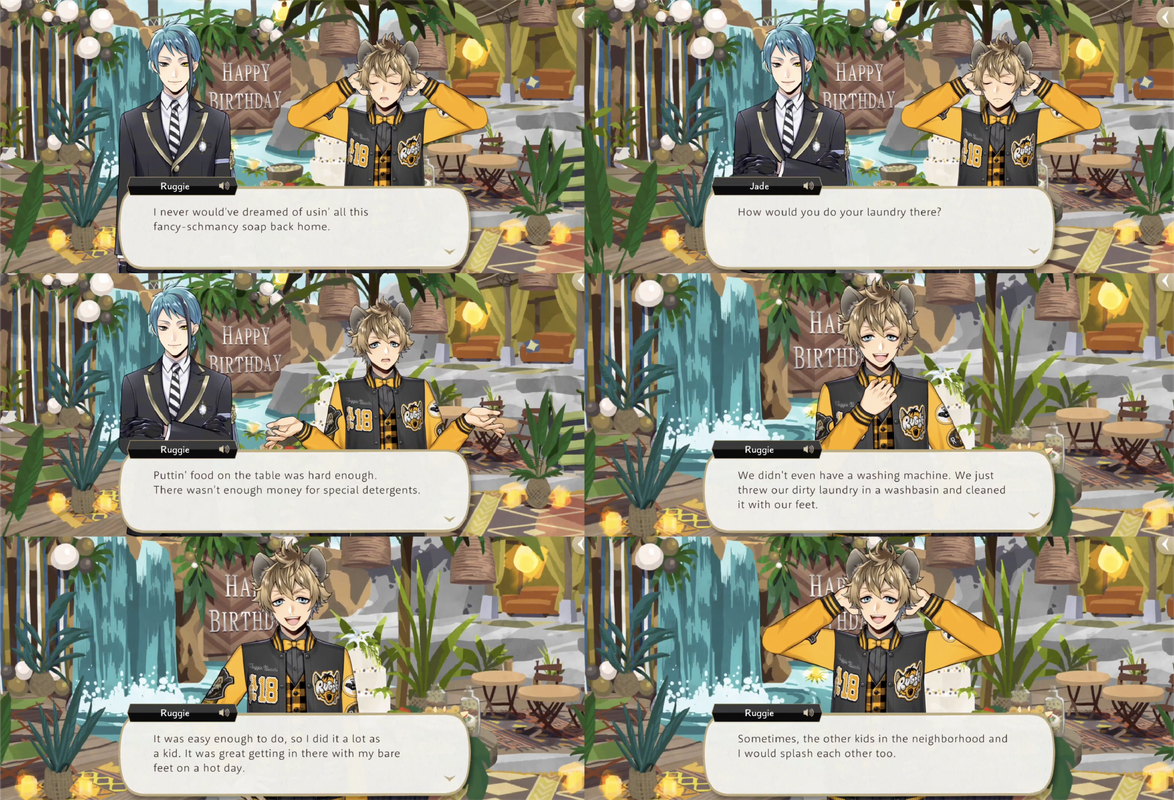
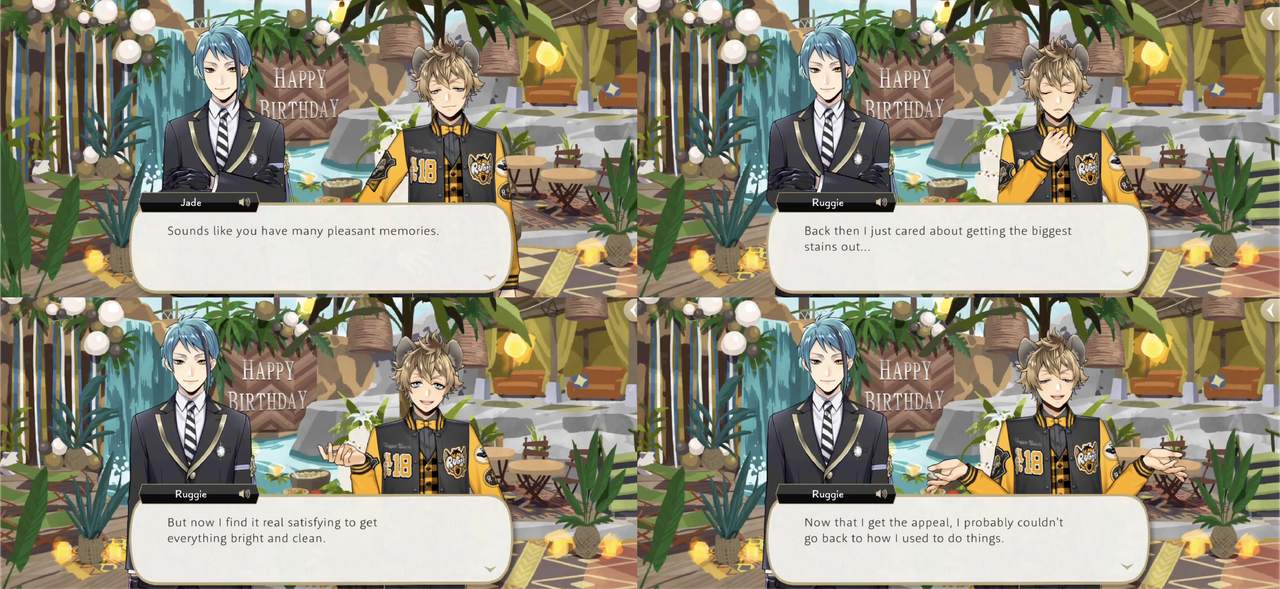
Ruggie talks about doing laundry as a child by putting all his clothes in a big tub and washing them with his feet (“Puttin’ food on the table was hard enough. There wasn’t enough money for special detergents”), which sometimes turned into water fights with other children. He says that he much prefers being able to wash things back to white at NRC, and he’s not sure he’ll be able to go back to how things used to be.
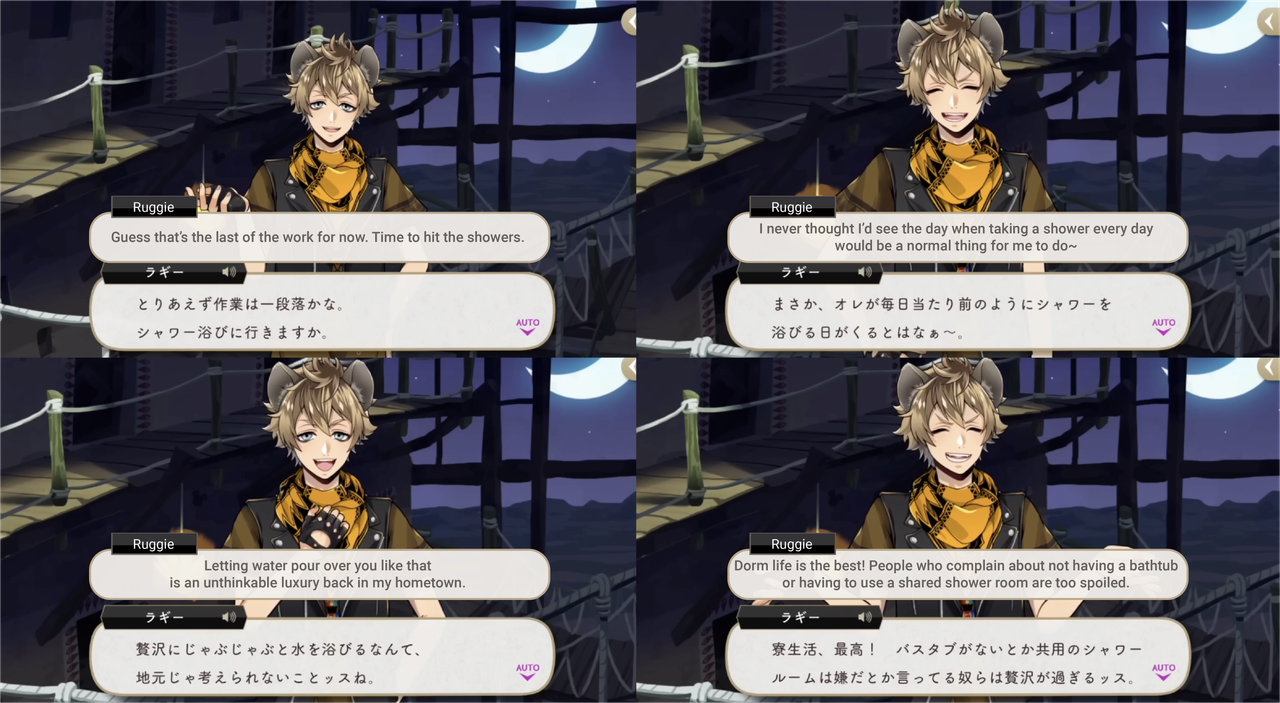
Ruggie says that he never imagined that taking a shower everyday would become a normal thing for him to do, as having water to pour over yourself is an unthinkable luxury back in his hometown.
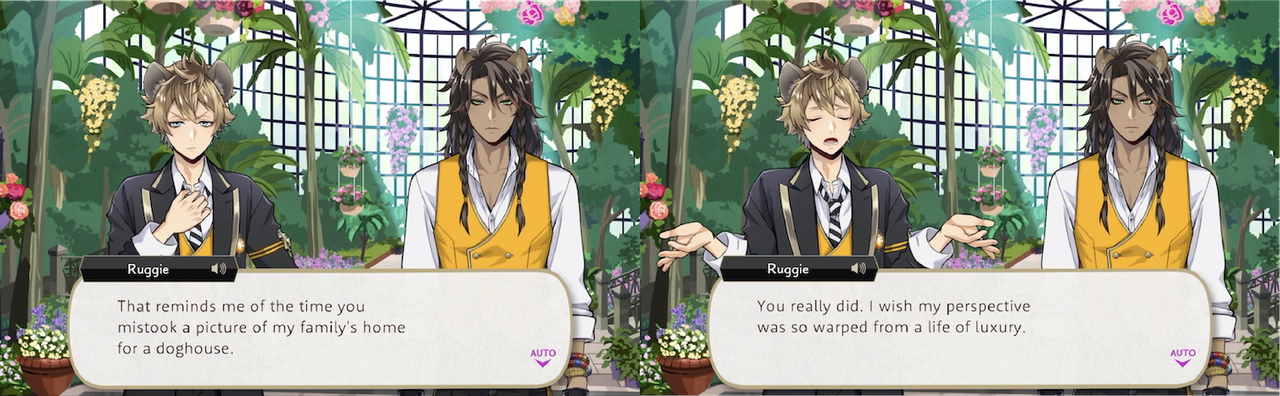
It seems that Leona once mistook a picture of Ruggie’s family home for a doghouse.
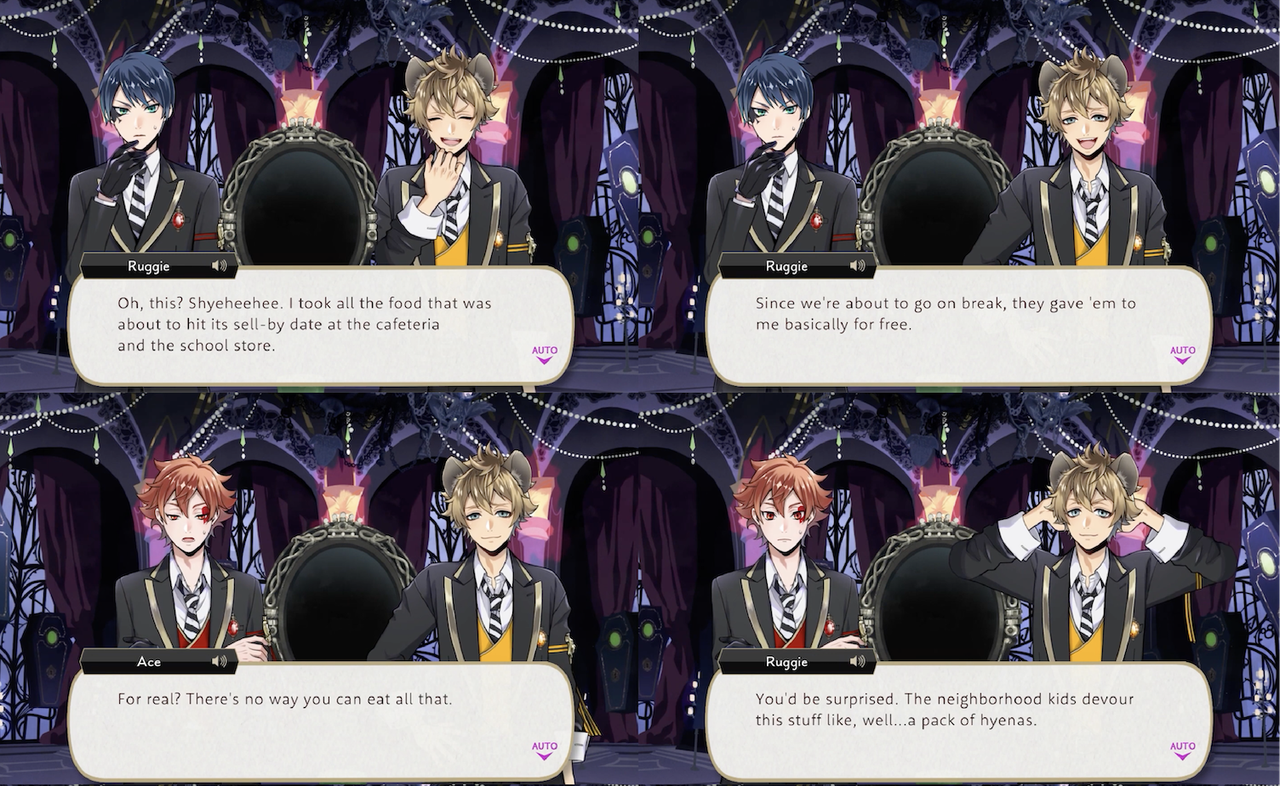
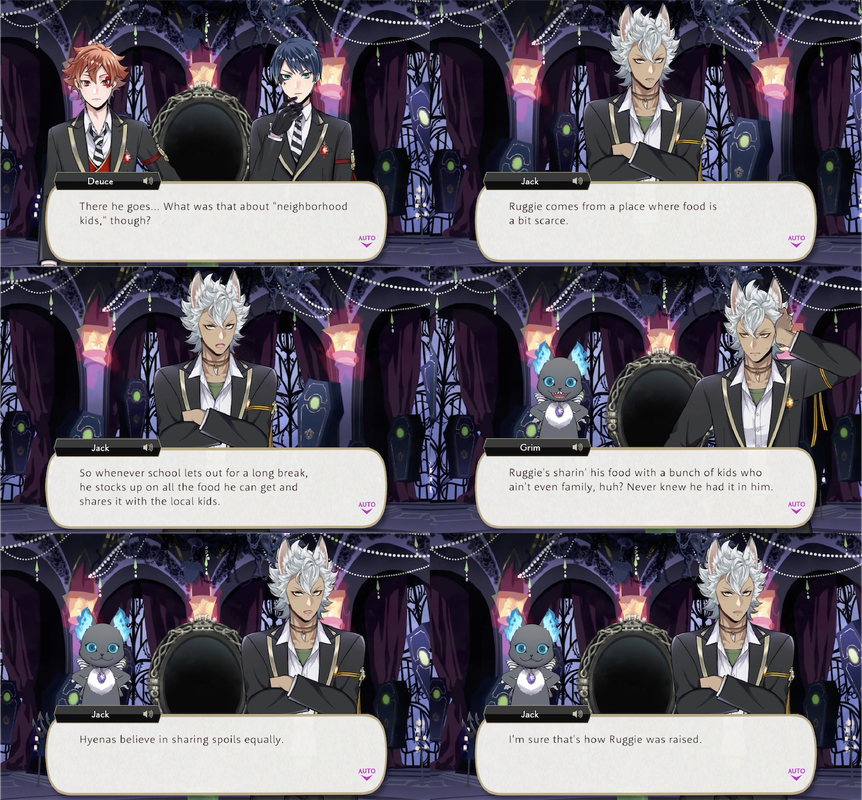
Ruggie takes home food near its sell-by date from the cafeteria and school store to share with children in his neighborhood during winter break, When Grim expresses surprise that Ruggie would share food with people who aren’t his own family, Jack explains, “Hyaenas believe in sharing spoils equally. I’m sure that’s how Ruggie was raised.”
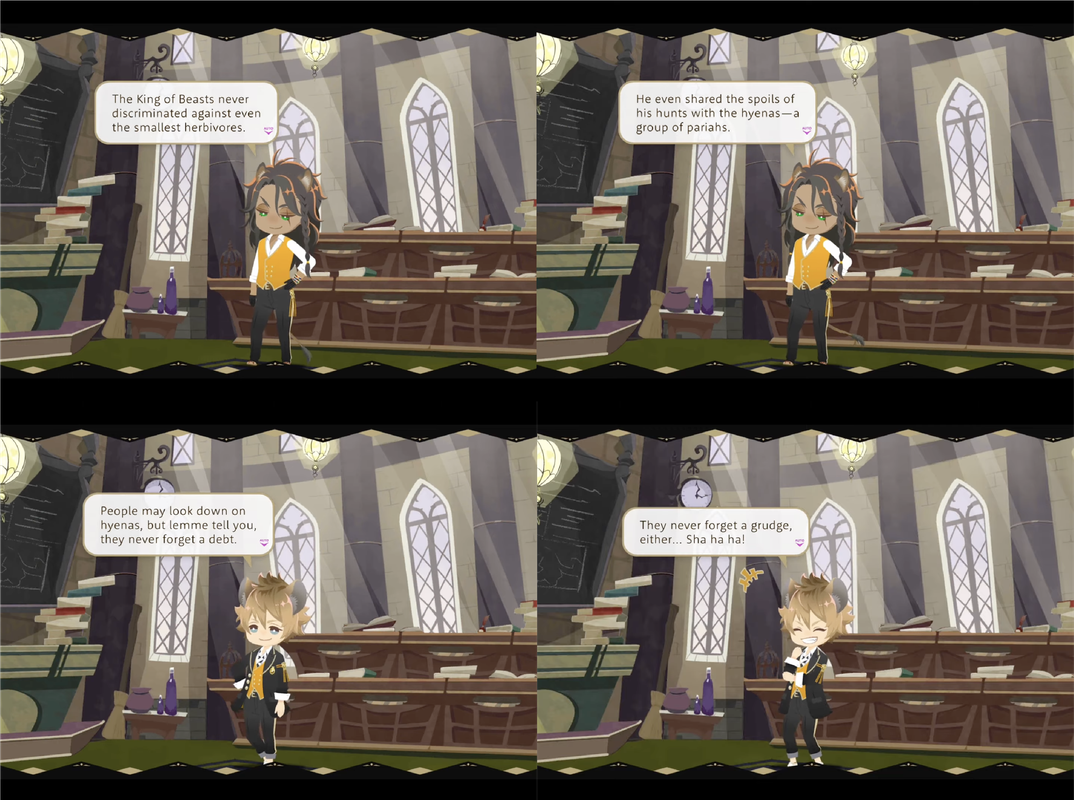
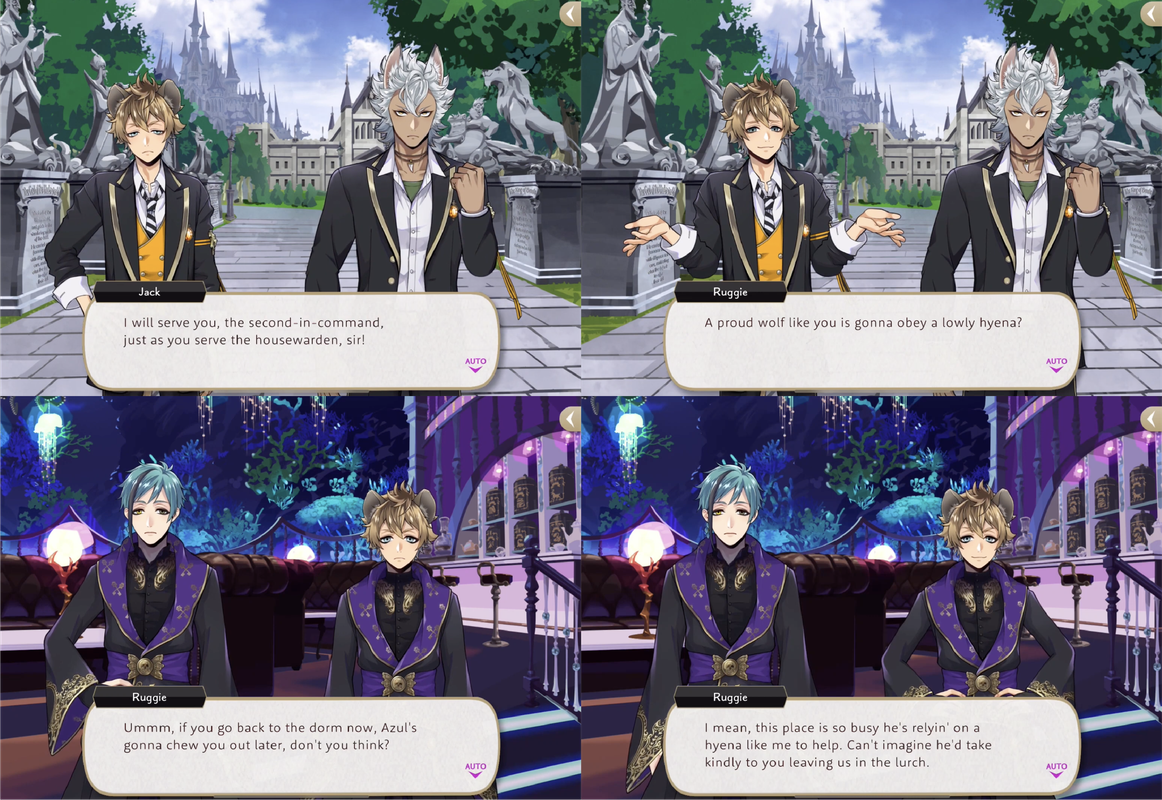
There are several hints that hyaena beastpeople might be treated poorly in Twisted Wonderland: Leona describes the hyaenas from the tale of the King of Beasts as “a group of pariahs”, which may be related. Ruggie says that people look down on hyaenas (but “(hyaenas) never forget a debt. They never forget a grudge, either”) and we see him refer to himself as “a lowly hyaena” and say “a hyaena like me”.
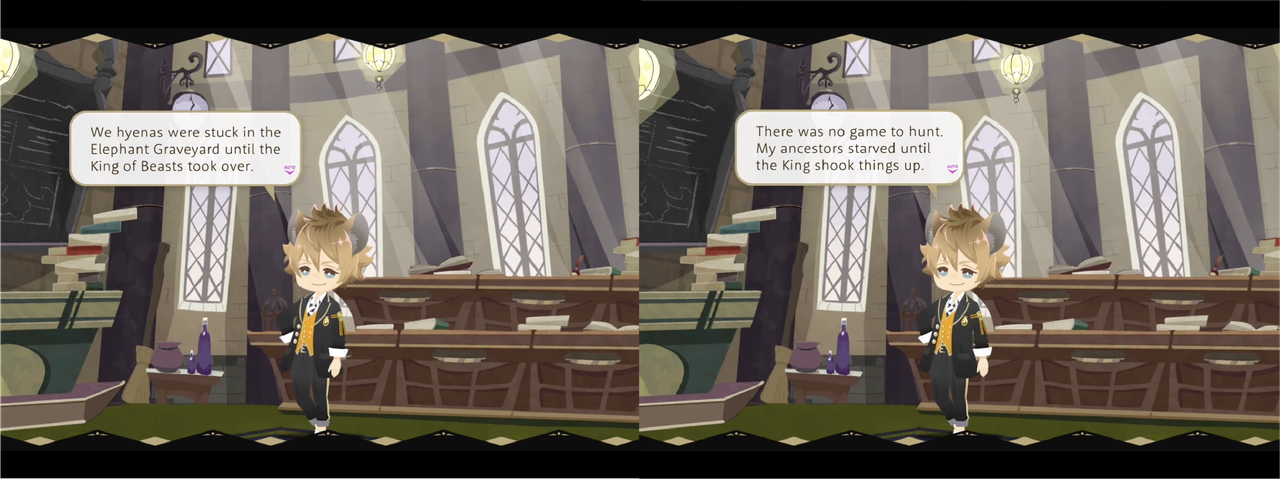
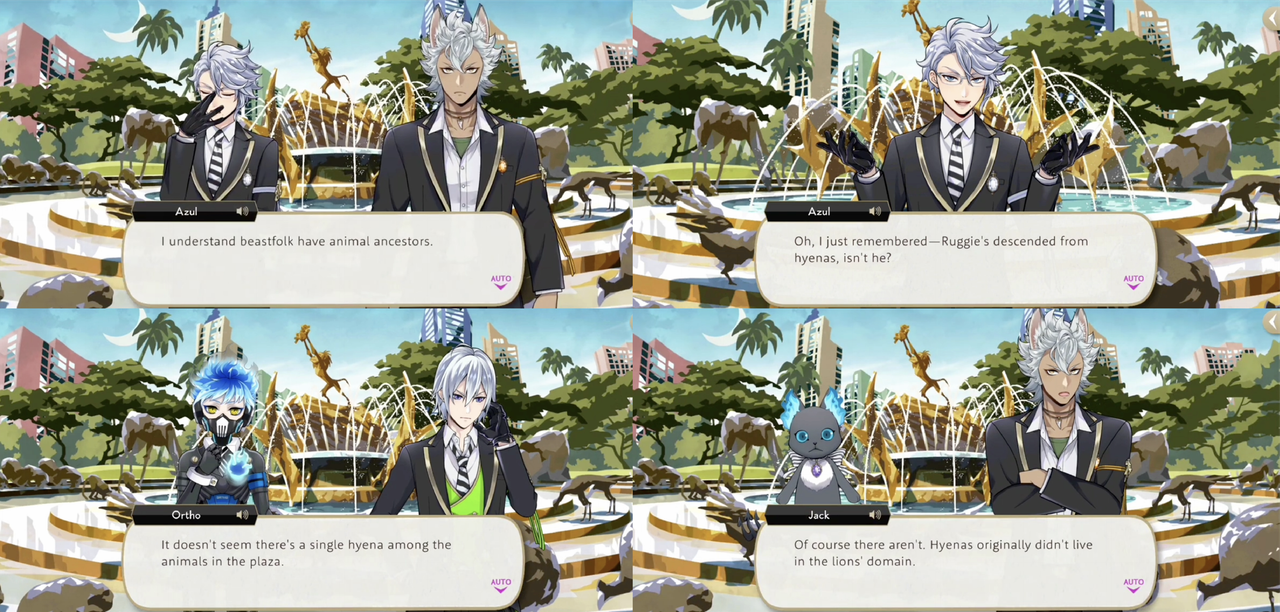
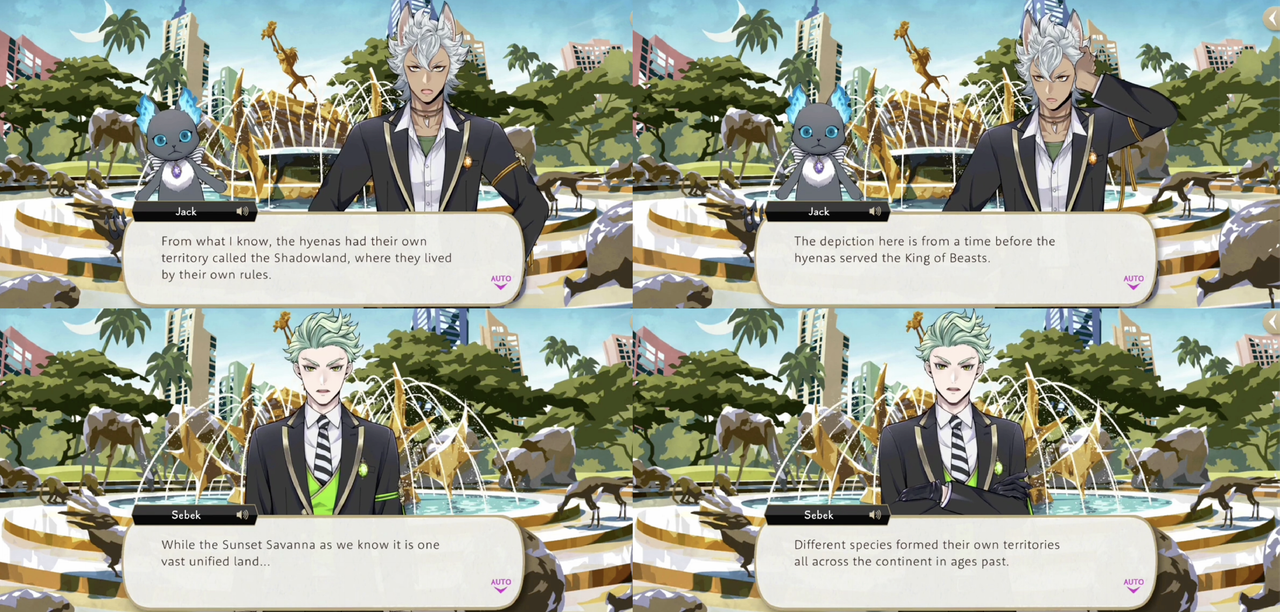
In a chat Ruggie refers to the hyaenas from the legend of the King of Beasts as his ancestors, and Azul also comments on Ruggie being descended from hyaenas. There are no hyaenas depicted amongst the animal statues erected around the fountain in the capital city of Ruggie’s home, as it may be a scene from before they began to serve the King of Beasts. Sebek explains, “While the Sunset Savanna as we know it is one vast unified land, different species formed their own territories all across the continent in ages past.”
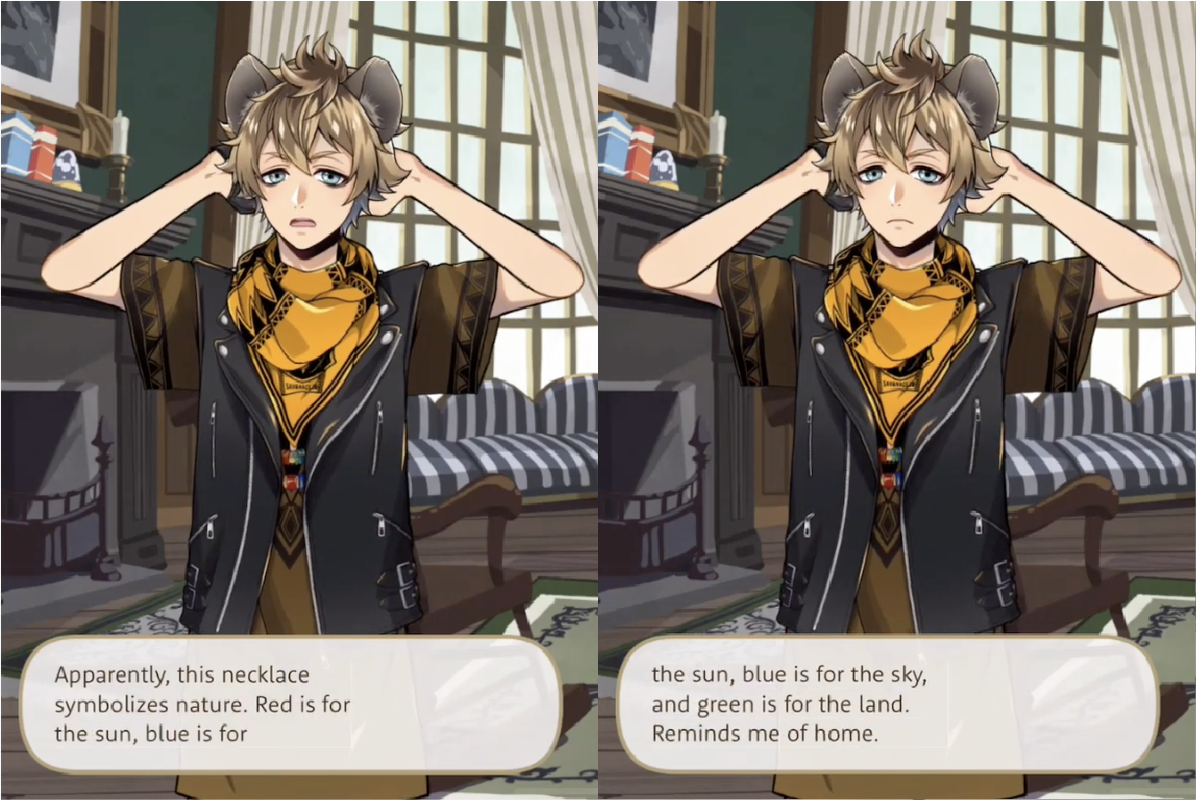
Ruggie says that the colors of his necklace are meant to symbolize nature: “Red is for the sun, blue is for the sky, and green is for the land”.

