
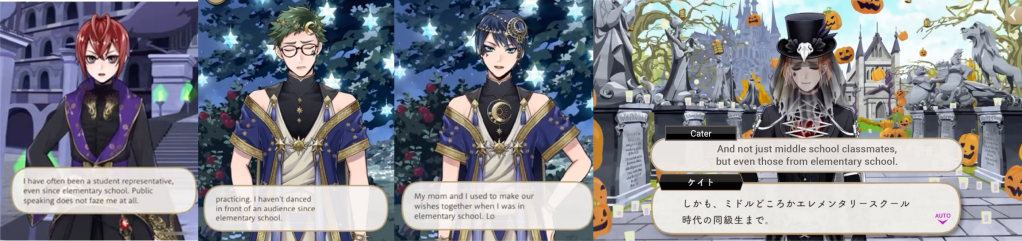
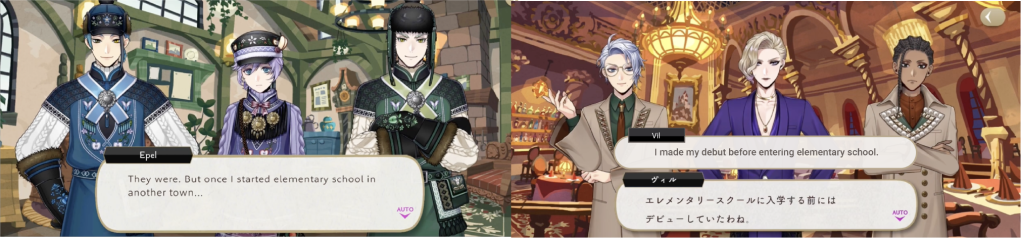
We have canonically heard about Riddle, Trey, Deuce, Cater, Jack, Floyd, Jade, Azul, Jamil, Epel and Vil attending elementary school.

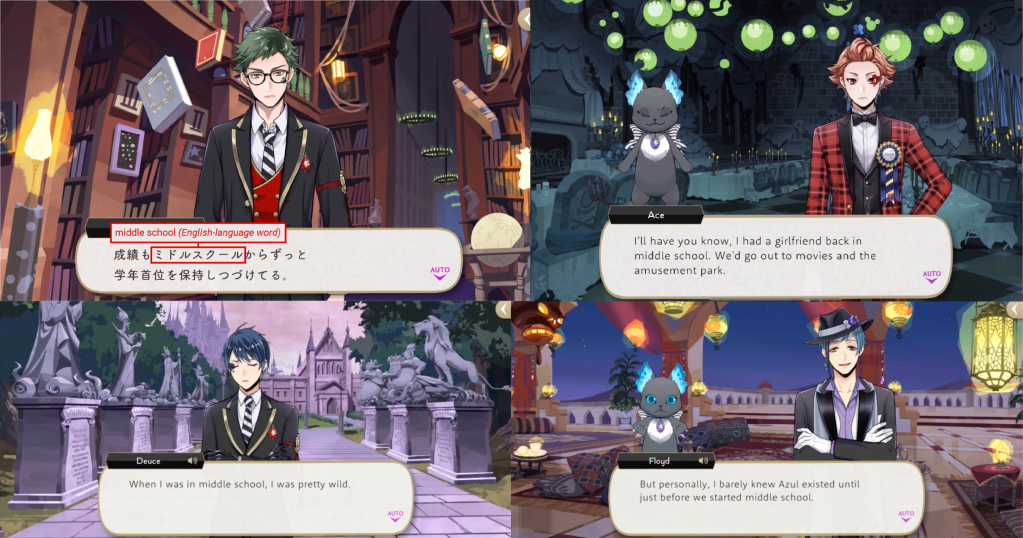
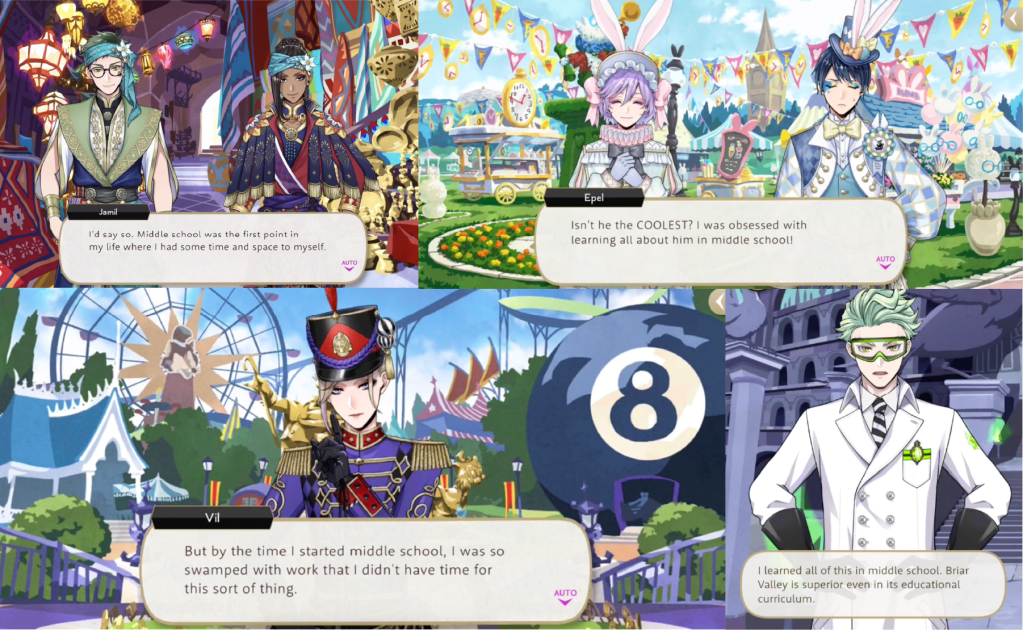
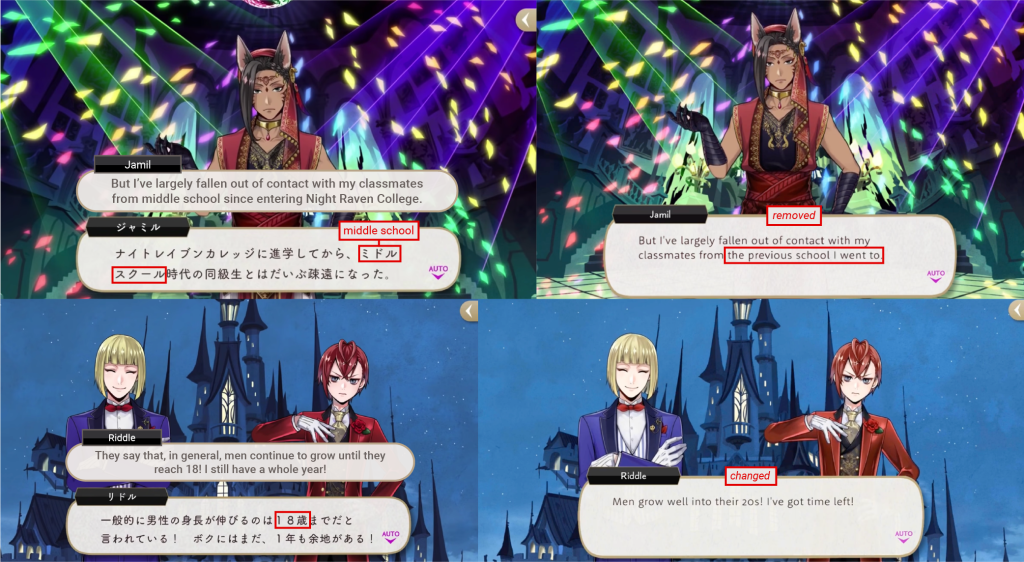
We have heard of Riddle, Ace, Deuce, Floyd, Jade, Azul, Jamil, Epel, Vil and Sebek attending middle school.
Leona, Kalim and Malleus have never attended any school prior to NRC, having been taught by private tutors.
Silver and Ruggie have also never attended a school, with Silver studying at home and Ruggie never having any schooling at all.
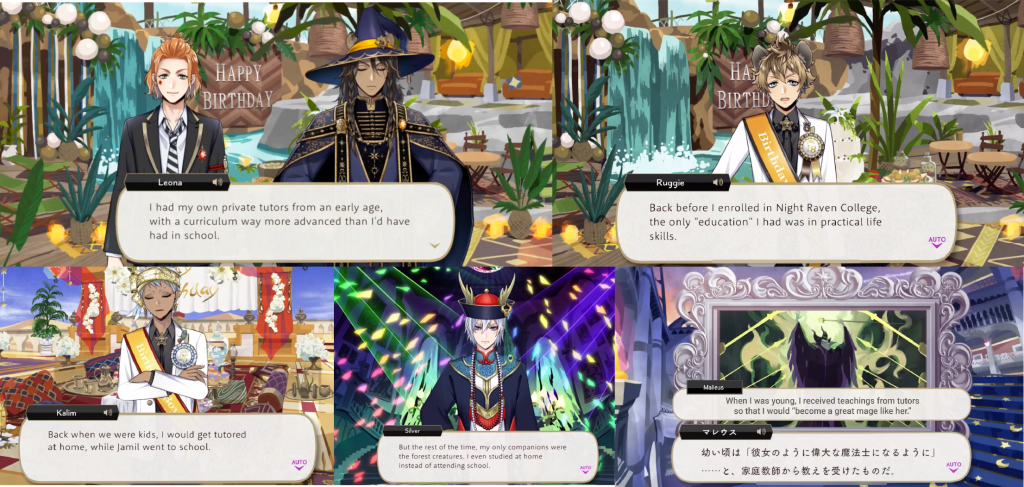
It is fascinating is that the game does not use the Japanese-language words for elementary/middle/high school, using English-language words instead.
It is established in the novel that the language being spoken in the universe is not Japanese, and the game may be using the English language as if it were a fantasy-world language like Elvish (re: why all the countries have two names, and why the in-game map is not available in Japanese).
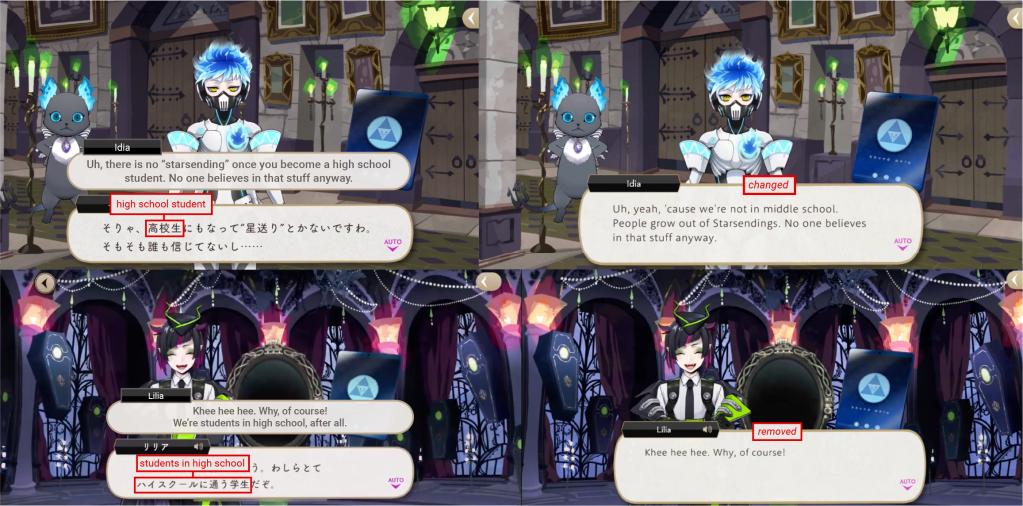
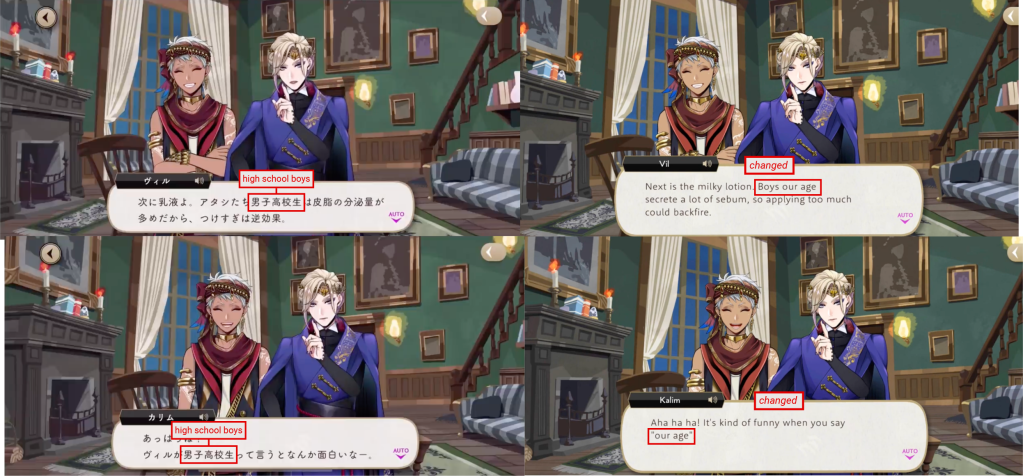
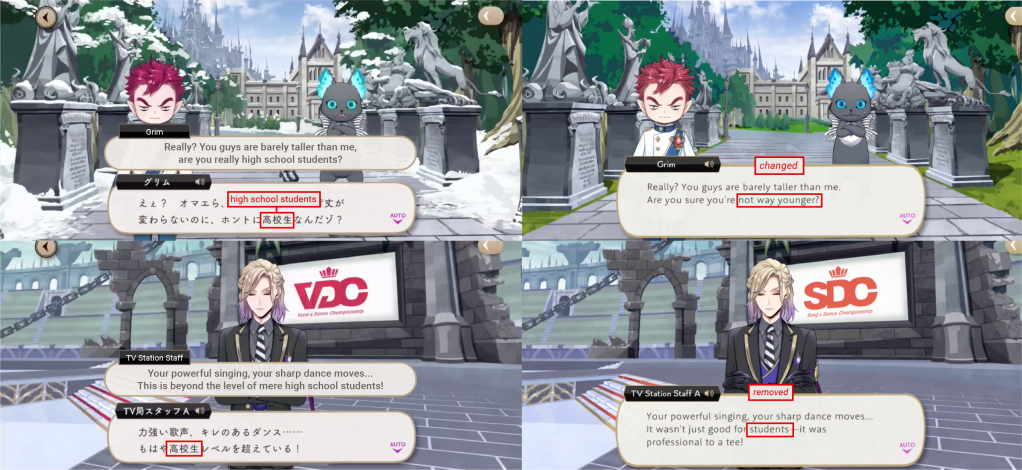
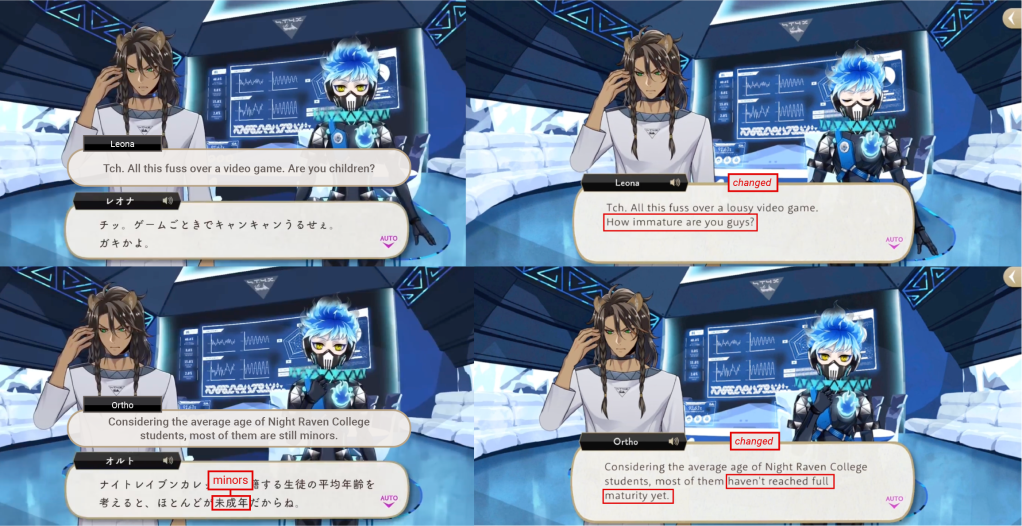
The English word “high school” is used to describe NRC itself. Curiously, references to the characters’ ages and the word “high school” have all been removed from the English-language adaptation of the game.
It is possible that “Night Raven College” is using “college” in the UK sense rather than in the American sense of the word.
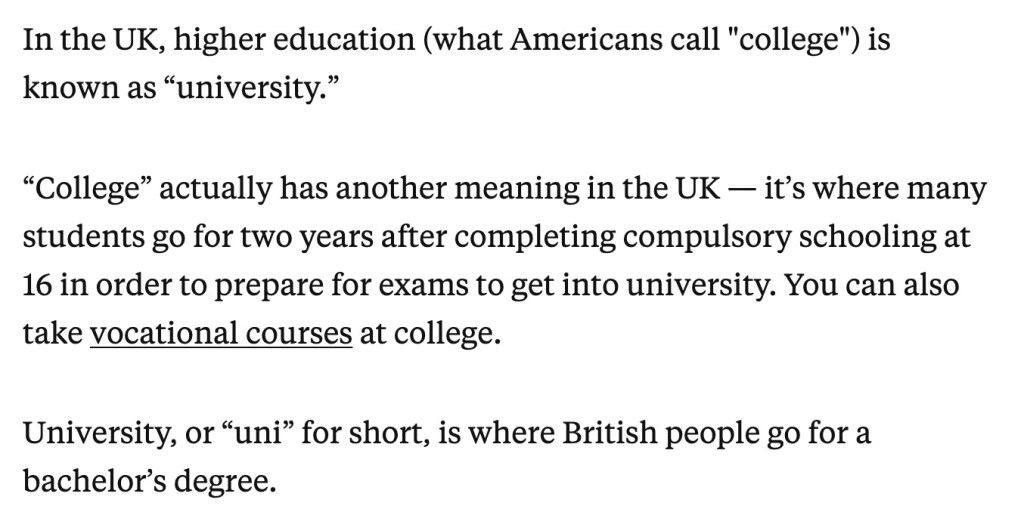
Much like how the characters of Twst are generally a combination of multiple sources rather than literal, one-to-one adaptations of pre-existing IP, it seems that the same may apply to the school system, with the game combining the “college” system of the UK with the four-year high school system of the US (high schools in Japan are three years).
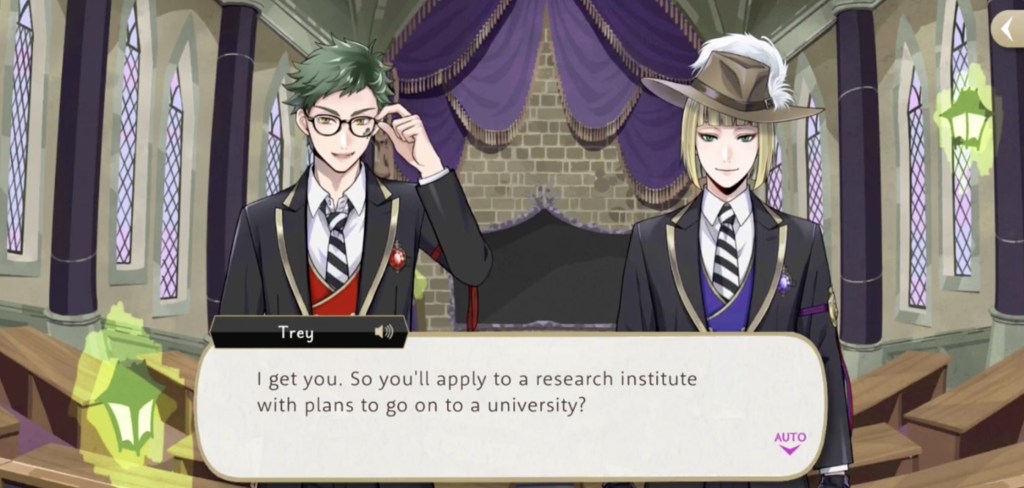
UK colleges are, for example, two-year institutions where many students go from the age of 16 in order to prepare for university, and Book 7 begins with the 3rd-year students discussing whether or not they intend to move on to university after NRC.
So NRC might not be following one Western system or another, instead having picked and chosen different elements from different systems and combined them: a college (referred to as a high school) that they begin at age 16 to prepare for the future (re: the UK) and lasts 4 years (re: the US), beginning in September (re: UK/US).
And this is actually something that the prefect comments on in the novel: it is possible that everything being so different from Japan (where high school starts at age 15, in April, lasting three years) is to contribute to the double culture-shock being suffered by the main character, who is not only in an unknown world but a world that seems heavily influenced by non-Japanese countries in everything from the school system and the food to the shapes of the buildings:
“He’s heard before that there are schools in foreign countries that begin in autumn. This school’s system seems to be closer to those of Western countries than to those of Japan; though, he had already assumed as much, based on the shapes of the buildings.”
– Twisted Wonderland the first novel
—
“Yuuya had heard of high schools that last for four years even back in his own world, in countries overseas.”
– Twisted Wonderland the first novel
—
“Thinking about it, Yuuya realizes that he can’t recall having ever seen Japanese food or sweets since coming to Twisted Wonderland. The snacks in the cafeteria and the school store have always seemed to be more in line with what he imagines American and British cuisine to be like. Just thinking about familiar flavors has Yuuya craving them, but if an-bread is being sold here, then Japanese foods must exist after all.”
– Twisted Wonderland the second novel
This means that the EN-server main character might not be experiencing the same degree of culture shock as the JP-server main character, but Aniplex USA probably didn’t have the ability to change parts of the game like the time of year that school begins, how long it lasts and what foreign languages are used in it in order to get the same general atmosphere across, so it is what it is.
 Twisted Wonderland Reference Note