
*Disclaimer: This is a fan translation and is not endorsed by anyone associated with Twst. Speaking on Yana’s behalf makes me very nervous so I am very careful (and hire a professional proofreader for projects like this), but results may vary! Thank you for your understanding!
Q1: What parts of development were you involved in?
“I create the scenarios and I write the main story. I am also in charge of drafting, writing, and directing the events and vignettes. On the graphics side I do all of the character design including designing the chibis, all the card illustrations and designs for the props and backgrounds.”
Q2: When did you first receive the job offer for ‘Disney Twisted Wonderland’? Also, what was your impression at that time?
“I think it was around the spring of 2016 when I was approached by Aniplex. I received a call from my editor on ‘Black Butler,’ a manga that is currently being published by Square Enix, and he said, ‘A great project just turned up. I already know what you’re going to say. You are definitely in.’ He knows that I like Disney movies.
When I saw the word ‘Disney’ printed on the first page of the official proposal, I was so surprised and delighted that I floated about 30 centimeters off of my chair. At the same time, it took a lot of courage to bring myself to join the project because I love Disney so much. I knew that it would be quite a challenge, as Twisted Wonderland is a little different from the general consensus of what constitutes a Disney property in Japan.”
Q3: How long did the game take to develop?
“Counting from when planning begun, it took about three and a half years. A considerable amount of time was spent on trial and error before plans were solidified and actual development work began. I believe we started working on story plotting and character design around autumn of 2017.”
Q4: How did the development work begin, and how did things progress?
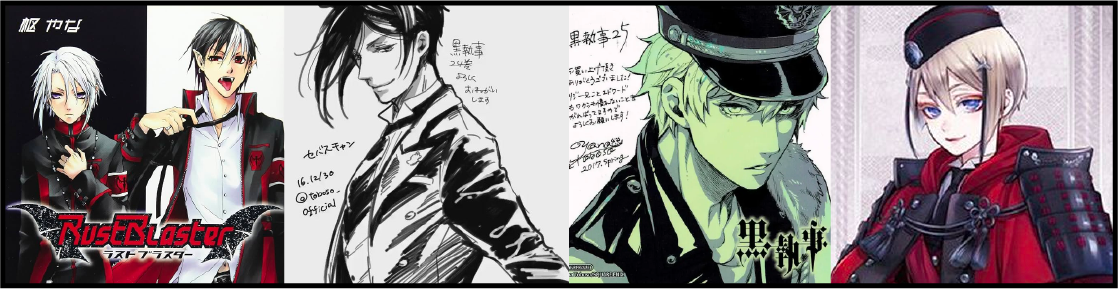
“When I was first approached, the only thing that had been decided was that the theme would be Disney Villains; there was basically nothing decided about what the content of the game would actually be. It was a blank slate. I thought I was only being asked to be the character designer, so at my first meeting with Disney, instead of introducing myself, I just took out some rough illustrations of a few of my character design ideas and said, ‘These are the kinds of drawings I do.’
The Disney Japan representative looked at the roughs, but then started asking me, ‘What kind of world do these characters live in? What is their connection to the Disney villains?’ And as I answered these questions, we created a draft of the world setting and story between us.
Then I started explaining the different characters in manga format, drawing backgrounds to set the world, etc., and before I knew it, I was suddenly in charge of creating the basis for the entire game.
Once a rough outline of the world and story had been decided, I reached a point where pinning down the looks of the characters made it easier to work on the story specifics, so then came the character design. Guest characters are designed first, then added to their scenarios.”
Q5: Where did you get ideas from for Twisted Wonderland?
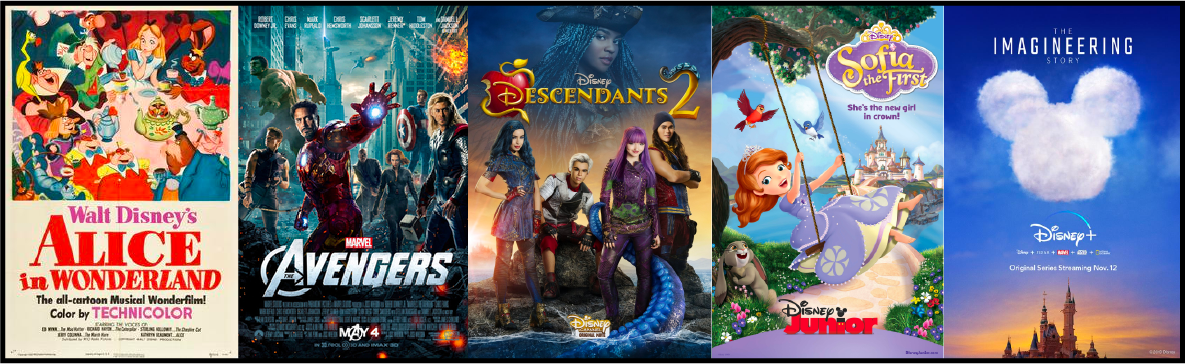
“I watched the films that the game draws inspiration from, over and over again. I must have watched 300 hours of Disney movies. I also learned a lot about Disney’s approach to filmmaking and storytelling from audio commentaries by production staff and from documentaries. I also watched the ‘Descendants’ TV series, which stars the children of Disney Villains, and the ‘Little Princess Sophia’ series, in which princesses from previous generations appear as guests. Both were inspired by classic Disney animated films, but had different angles, and they were invaluable reference material for the game. Then there is the Marvel Cinematic Universe. I was particularly influenced by the ‘Avengers’ series, in which characters from multiple films crossover in the same world.”
Q6: Where did the title, ‘Disney’s Twisted Wonderland,’ come from? Please also tell us about the meaning and thought process behind the title.
“Actually, until about halfway through development, we’d been planning to use a Japanese-language title. Something like ‘Villains’ School Story’ (laughs). The development team had come up with the title, but we weren’t 100% decided. Then Aniplex reached out to me about a name that I had submitted along with my rough sketches: ‘Twisted Wonderland’. They said that it was an exciting title and they had liked the way that it sounded when I presented my designs for the setting.
That caught me by surprise. I had only come up with it for use as a provisional name—a placeholder—because we had needed some kind of way to refer to the world for communication purposes. It was just something simple to make things easier for the development team…and, with their support, it was adopted as the title of the project. Now it is a title that I am very attached to.”
Q7: How was this different from your previous manga and illustration projects?
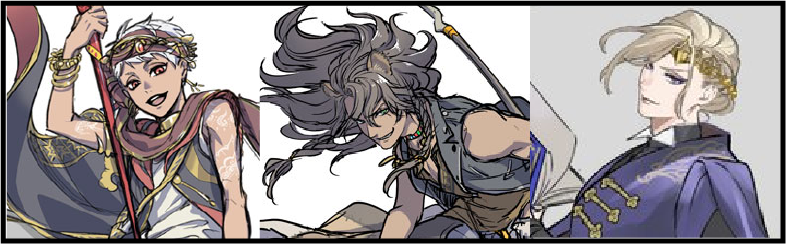
“In terms of story creation, I didn’t feel any huge difference between creating manga and the game. It was my first time creating a story in which there is basically no protagonist, and there are ensemble settings where any character can become the main character.
But I feel that, as different characters become the main character from chapter to chapter, I’m not really writing it as an ensemble work at the moment. The biggest difference between creating a game and creating a manga is the number of staff members involved in development. I usually complete a volume of a manga with under 10 people.
As for the illustrations, this was my first time having my original drawings cleaned up by a graphic artist. I am a very rough draftsman by nature, and I make overall corrections before a piece is complete. No matter how careful I am in my original drawings, sometimes details get confused, so whenever I receive a draft back from the graphic artist, I become a useless original artist who is constantly going back to say, ‘I am so sorry, but can you please make these corrections?’.”
Q8: Could you tell us about the process that led to the decision of setting it in a world where magic exists, at a school?
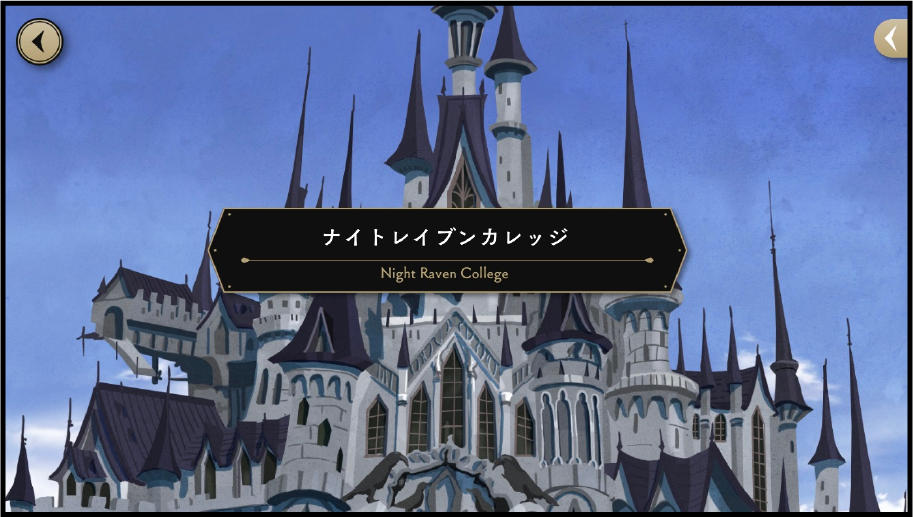
“We had several other ideas besides a world where magic exists. We considered a world of show business, and a wholly magical world, as well. After a few twists and turns, we finally decided on a school for the setting, mostly because we thought that, even in an entirely different world, a school would be a place that people can all understand.
I also felt that since the game was originating in Japan, I wanted to create a stage with a Japanese pop culture feel. I also thought that a school setting would help create the same atmosphere found often in light novels and young adult novels.”
Q9: Please explain why those specific villains were chosen as the basis for the seven dorms.
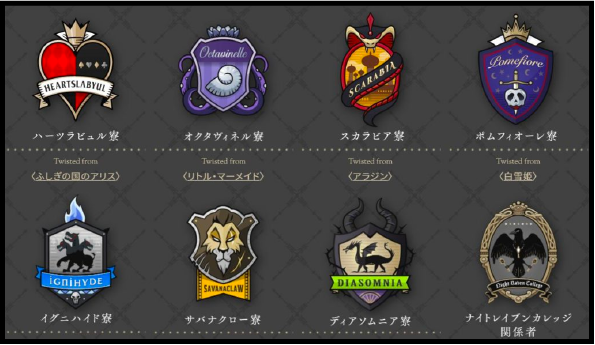
“The number one reason (these characters were chosen to be the Great Seven) is that they are all from masterpieces with which everyone is familiar. They are all legendary—you need only say the movie titles and the characters come immediately to mind.
Since they are also legends in their own right, we thought it would be good to choose stories with a long history, and that is how we settled on these seven. There are many other movies with fascinating villains, so it was a very difficult decision.”
Q10: How are the main story, vignettes, chats, and events created?
“For the main story, first I create a rough plot and submit it to Disney for approval. After that, I discuss with the development team what elements we want to introduce per scene: ADV, rhythmics, battles, etc., and complete the scenario as a whole.
What I always keep in mind when writing scenarios is that the aim is not for it to be ‘loved by everyone.’ Villains are not meant to be loved and cheered on by everyone. They are villains: they were created to be hated. That is why there is sometimes something attractive about them…
As long as villains are the basis for these characters, I think it is important that they never become overly good people. Of course, there are limits. And with Disney’s cooperation, we have been very particular about following storylines and quoting dialogue from the movies, so that people who have never seen the original films will want to see them for the first time, and those who have seen them will want to see them again.”
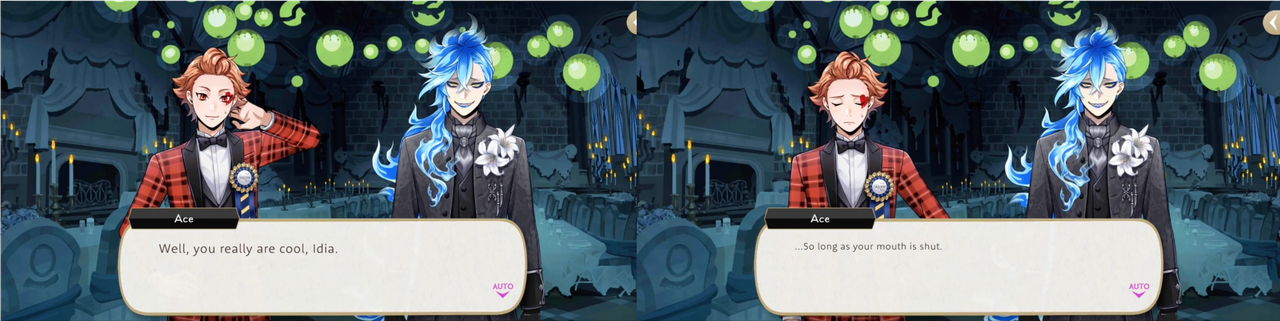
“The vignettes and event stories are technically spin-offs of the main story, but there are a lot more scenarios involved than are in the main story. We try to delve deeper into the characters through their daily lives on campus and how they deal with the problems they face.
I think there are actually many players who look forward to these spinoffs more than they do to the main storyline. That is why we want it to feel like the characters in each subplot are recalling living in the same world as the main story.
But how can we direct all these different stories in such a way that there is a sense of continuity? …this is an ongoing issue.”
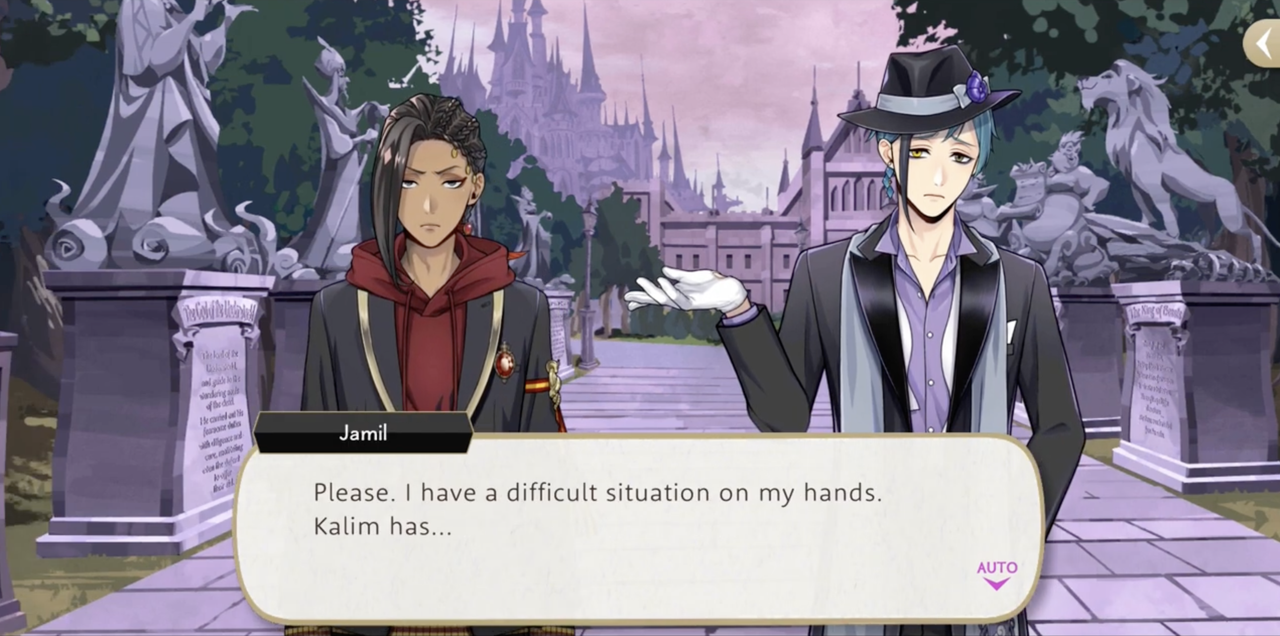
“Vignettes, in particular, are often depicted not from the perspective of the player, but from the subjective viewpoint of the character in question, and the way the story is depicted varies depending on the relationships between them and other characters.
For example, B may be a black-hearted jerk from A’s point of view, but from C’s point of view, B may actually be competent, dependable and an overall good guy… It is necessary to reconcile the two viewpoints on a case-by-case basis.
Currently, I can’t think of any other way to uphold continuity besides reading through all of the stories and making changes when needed, again and again. So that’s what I do. It is a daily process of trial and error.”
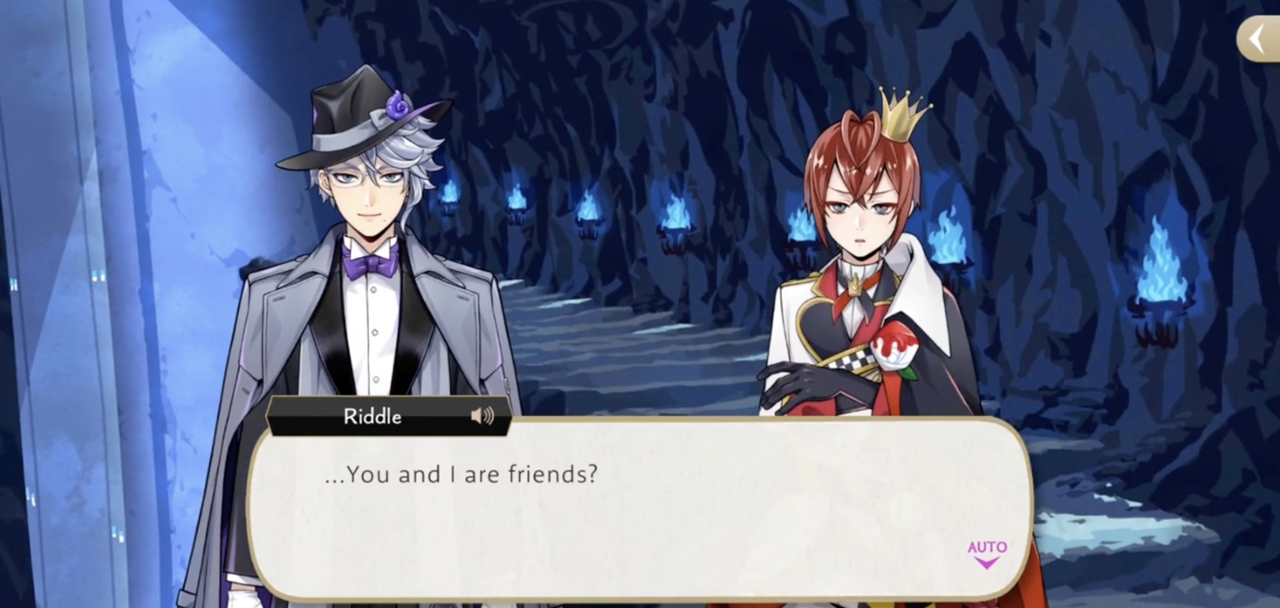
“Sometimes the relationship between characters changes completely in the main storyline, which will leave me scratching my head and wondering, ‘When did that part happen?’. However, I am sure that more and more events are going to be held in the future, so I am wondering if parallel and ‘if’ worlds are going to start appearing.
As for chats, we always try to make sure that they involve a reference to the original work that inspired the character in question.”
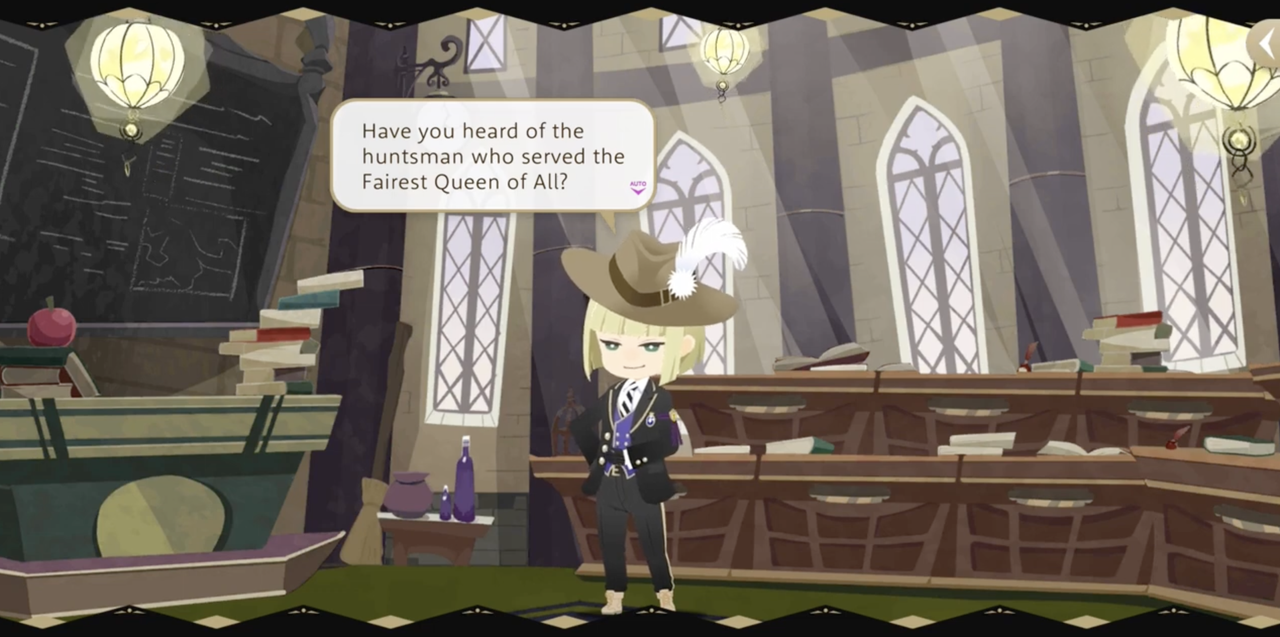
“Since the Disney Villains are the “’Great Seven’ in this world, it’s a perfect topic for the characters to discuss after class.
We thought it would be great if people who like the villains could get excited along with the characters. On the other hand, if you are not familiar with the movies being referenced, I hope it might feel as if the characters are teaching you.”
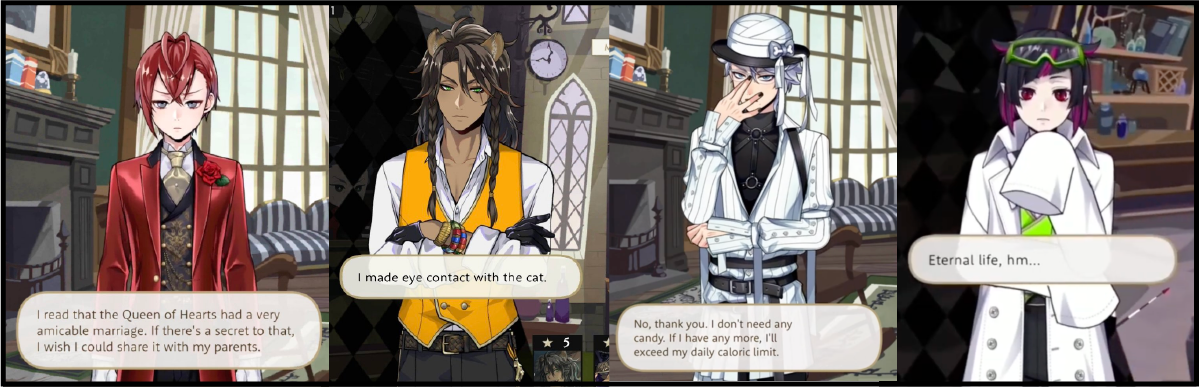
Q11: Did you come up with the lines said during lessons, on the home screen, and level increases?
“The dialogue in lessons, on the home screen, and when the cards are leveled was created jointly by myself and a scenario writer from my own studio, D-6th. We had a setting sheet with detailed settings for each character that had information on their background, family structure, personality, talents, etc., as well as a motivation chart for each class, which we used as our basis for the creation of the game.
However, this was our first time writing lines for a game…we were completely in the dark during production, unable to imagine the atmosphere that would be influenced by the dialogue. Of course, f4samurai explained all of their work to us, but when we tried to test the game, we found that many parts were completely different from what we had been imagining. The dialogue and scenes did not mesh, a number of lines had to be rerecorded…overall, many of the characters ended up acting annoyed, so every time I used an item for training I was repeatedly told, ‘What? Don’t bother me. Shut up.’ I thought, ‘Wow, ok, this is annoying’ (laughs). Right up until the release of the game, everything was just so hectic.”

Q12: Where did the idea for the main story, where the dorm leaders Overblot, come from?
“I didn’t want the main story to be a tale of evil triumphing over justice. This is just my personal interpretation, but isn’t a villain only considered evil after they fail? In a story where a villain triumphs, wouldn’t that be considered justice? So, what is a “correct villain”? What exactly is the villain in a Disney film? That’s what I started thinking about.
Disney villains are often so obsessed with their own desires that they become an evil that threatens the main character. There are very few villains who just vaguely want to enjoy making the main character suffer for no reason at all. They are selfish, but they also have their own non-negotiable wishes, beliefs, and evils. The queen in “Snow White,” for example, is obsessed with being the most beautiful woman in the world. But was she out for Snow White from the beginning? No, she wasn’t. She tries to take the life of the princess to regain her place after being told by the Magic Mirror that Snow White is the most beautiful.”
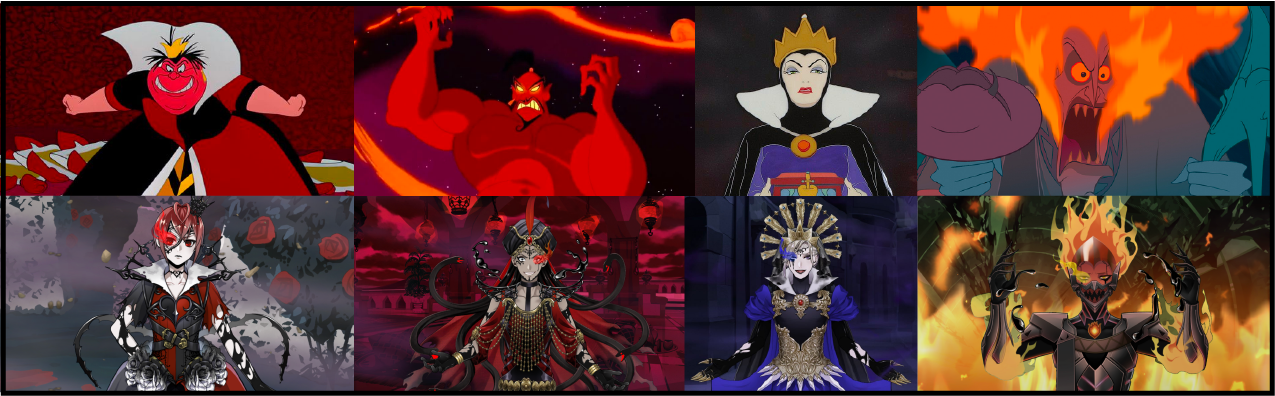
“Disney’s villains become so determined, so dead-set against giving up that they end up going on a rampage that defies all sense of ethics and reason. Their uncontrollable emotional outbursts are what make them villains. That is where the idea of ‘overblotting’ came from. When they overblot, they forget who they are and try to eliminate those around them. They also turn into the villain from their story. However, in “Twisted Wonderland,” it is not the righteous heroes who confront the villains, but the selfish students who are, themselves, basically villains in reserve. This results in what became the main story: clashes of personal gain and loss, or rather, a big fight in which the two sides pluck at each other’s scales.
None of the over-blotting characters are willing to concede, so they are left with no choice but to punch each other. But it opens up their world a little, makes them reflect a little, and makes them more self-aware. I wrote this story with the intention of developing mutual understandings through such clashes. So no matter where this story goes, it will never be about forgiveness or saving someone.”
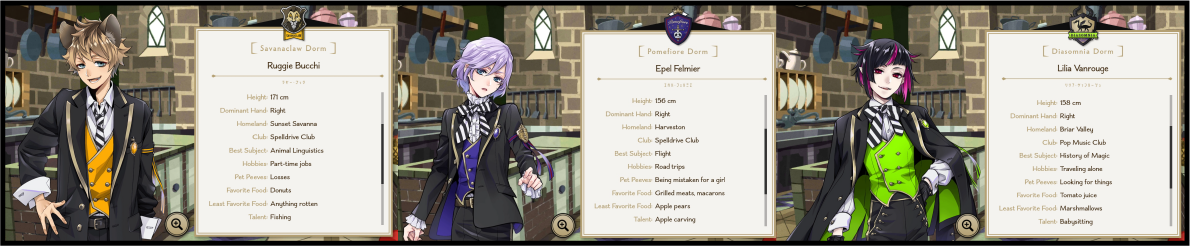
Q13: Could you tell us how the unique characters that appear in the game were created? Were their backgrounds developed first, or were they visually designed first?
“Character backgrounds and visual design were done almost simultaneously. We set up the characters’ personalities and physical appearance, keeping in mind that they are all fans of these Disney villains. Everyone knows what it’s like to want to buy something because of a celebrity they admire, or wear colors that remind them of their favorite fictional character, right? I styled these characters while keeping that in mind…they both admire and respect the Great Seven and their subordinates.”
Q14: There are seven dorms with many characters belonging to each. When creating their backgrounds and designs, were there any points you were particularly mindful of, any creative efforts you made, or any challenges you faced?
“Each dormitory was designed based on their respective villain’s soul, perspective and personality. For example, Savanaclaw embodies the ‘wildness, cunning, and languor’ of Scar in everything from the outfits, the building itself and the students who live there. The seven Disney films that are the sources of inspiration for each dorm vary greatly from film to film in tone and theme. The period settings are also varied, ranging from mythological times to the modern era. I wanted to visualize these differences so that the viewer could experience them firsthand.
That is why, when the seven dormitories are placed side by side, they are so different from each other that it seems almost overkill.”
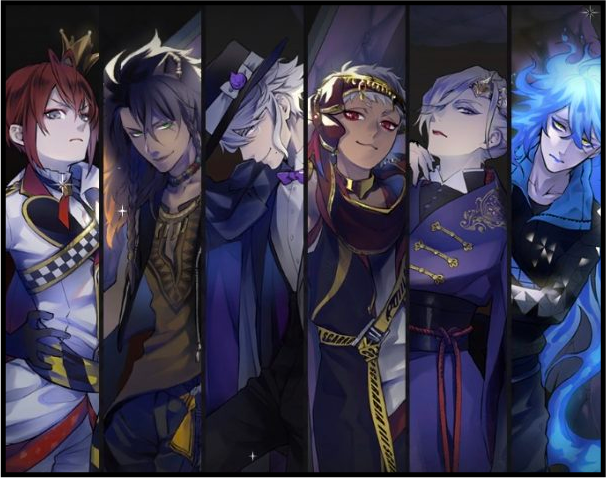
“I had a particularly difficult time creating the characters because of the disparate historical settings of the original films that inspired them. Since the game takes place in a school, there can only be three to four years of age difference between them (although there are a few special cases). Yet, there is a gap of several hundred years between the original films upon which the characters are based. I wanted them to be different from one another, but if they were too different, it would be difficult for them to hold a conversation. So I thought, why not replace the ‘different eras’ with ‘different values’ that depend on their origin?
In the real world, personal values and things that are considered to be common sense vary wildly from country to country. Therefore, I thought, ‘Depending on the dorm, character origin and race, personal values and common sense can vary dramatically despite how they are all living in the same historical setting.”

Q15: Since the character designs were created with the assumption that they would move on the game screen, were there any points you had to be particularly mindful of or any challenges you faced?
“The main issue was whether or not the characters are easily distinguishable when they appear on the screen at the same time. There are several boys of about the same age who appear side by side, so I was always conscious of differentiating them by their silhouettes and coloring.”
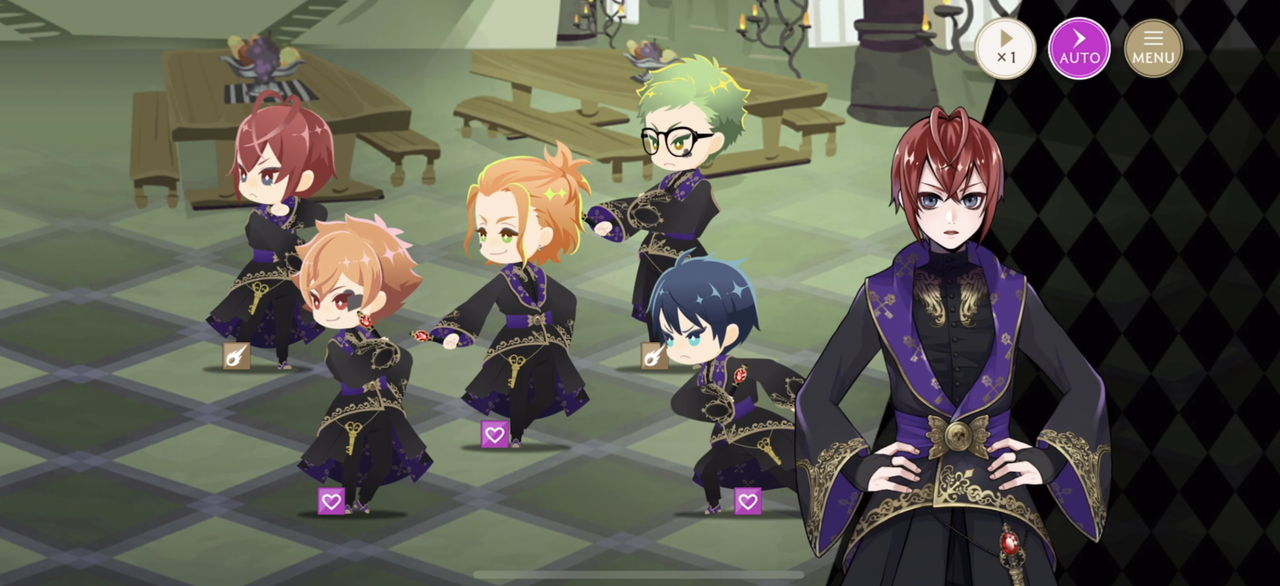
Q16: Even the chibis have been given rich expressions. Could you tell us the points you were careful about or any challenges you faced when designing them?
“We aimed for a size that would enable us to reproduce detailed outfit designs to some extent and still look cute. There were a lot of trial-and-error test drafts of facial expressions in which we sought a stylized look that would enable the characters to be expressive through their eyes without including too much detail.”
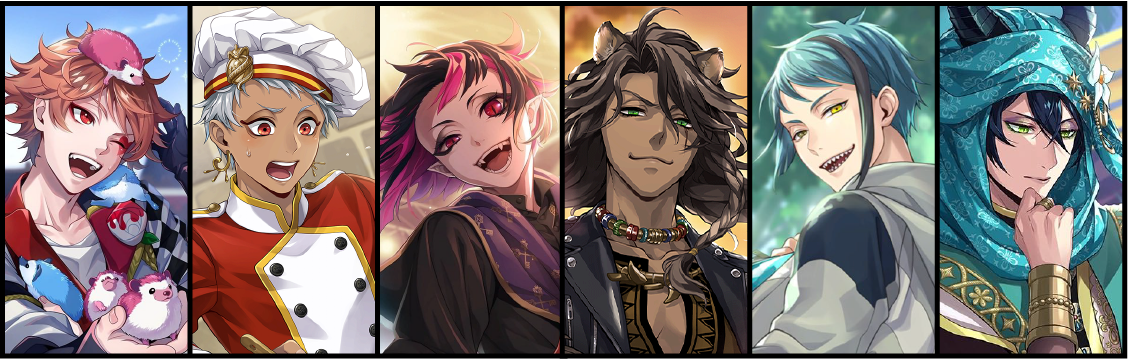
Q17: Are there any characters that are easier to draw, or characters that are more difficult to draw?
“Characters with over-the-top facial expressions like Ace, Kalim, and Lilia are easier to draw. Difficult characters are those who are tall and need to look down, such as Leona, Jade, and Malleus. If I am not careful I will accidentally draw them older than they are, so I spend a lot of time staring at my original drawings.”
Q18: Could you tell us about the design points for the overall style of the game, including the themes of each distinctive dorm uniform and the hairstyles for each character?
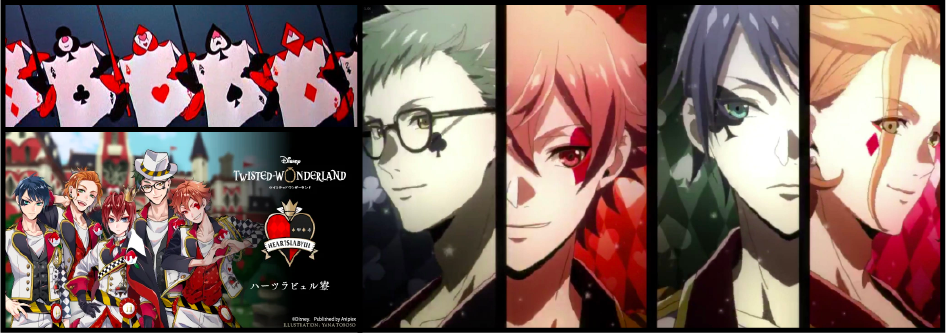
Heartslabyul Dorm
“The uniform’s theme is the card soldiers who serve the Queen of Hearts. Since it is based on playing cards, the base color is white and there are decorative cords, shoulder and side patches meant to be reminiscent of a soldier-like appearance. The symbols on the students’ faces are magically applied by the housewarden when they are accepted into the dormitory, who decides what their symbol will be. After that initial application, the students apply their own symbol themselves via either make-up or magic.”
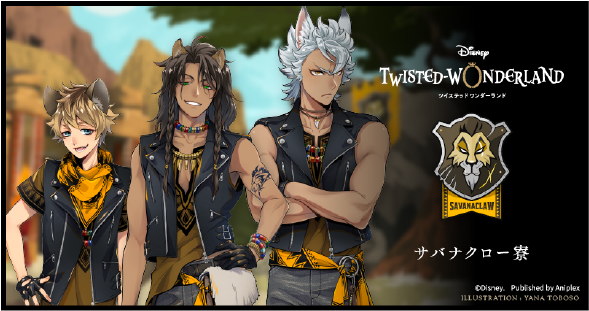
Savanaclaw Dorm
“The uniform’s theme is a beast running in the wilderness. The housewarden wears a leather vest and chaps because I interpreted ‘running beast’ as ‘motorcyclist’. It is a more casual design when compared to that of other housewardens, emphasizing ease of movement. Savanaclaw students’ hairstyles mimic the fur of the animal upon which they are based.”
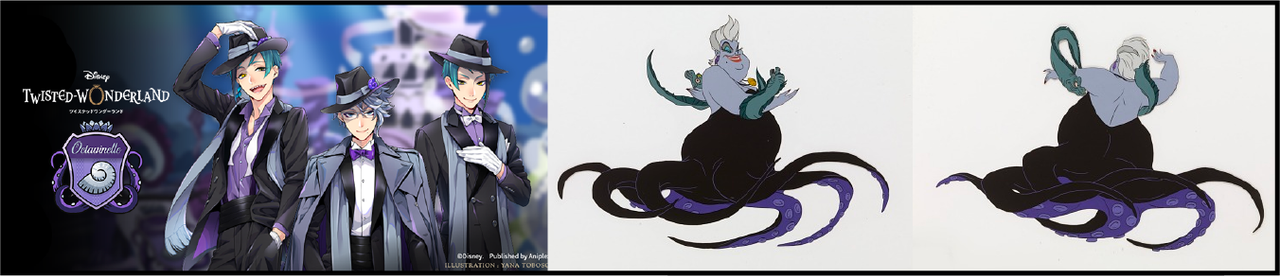
Octavinelle Dorm
“The uniform design is based on the employees of a lounge that plays jazz music. Since Ursula dresses in a chic black dress, the design is mature and simple, out of respect for her sense of style. The three mermaids enjoy dressing up, wearing well-tailored clothes and dressy shoes that fit their feet perfectly, since now they actually have feet. Their hairstyles were designed based on what would look good with a hat.”
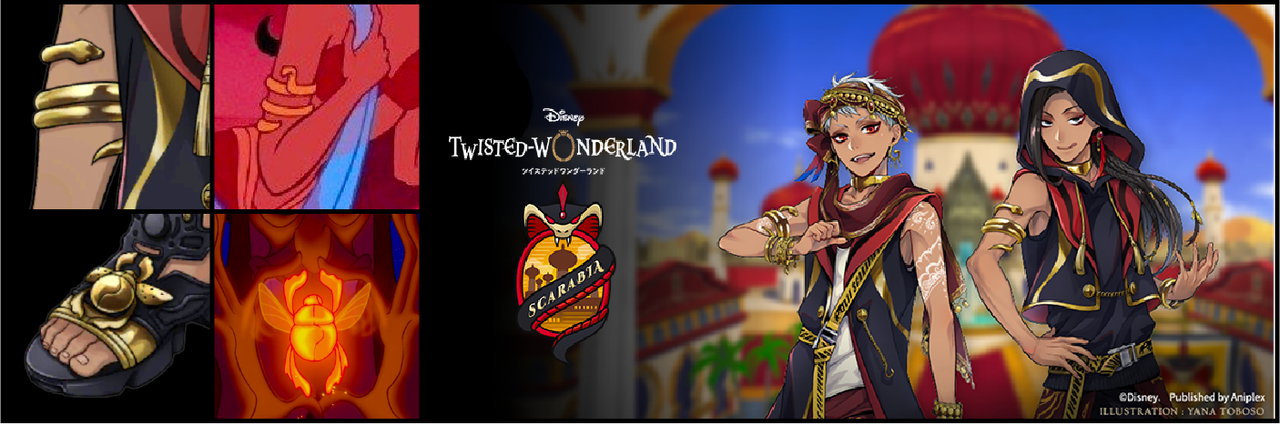
Scarabia Dorm
“Arabia and dancing are the themes of these dorm uniforms. We designed a large hood in the image of the hooded cobra that Jafar transforms into. When we added Aladdin-like sarouel pants the silhouette became reminiscent of street fashion, so we added bandanas, belts, sneaker-sandals, etc. to create a look similar to dancewear. The gold accessories and clothing patterns include snake motifs, scarabs and architectural designs based on Agrabah from the original movie.”
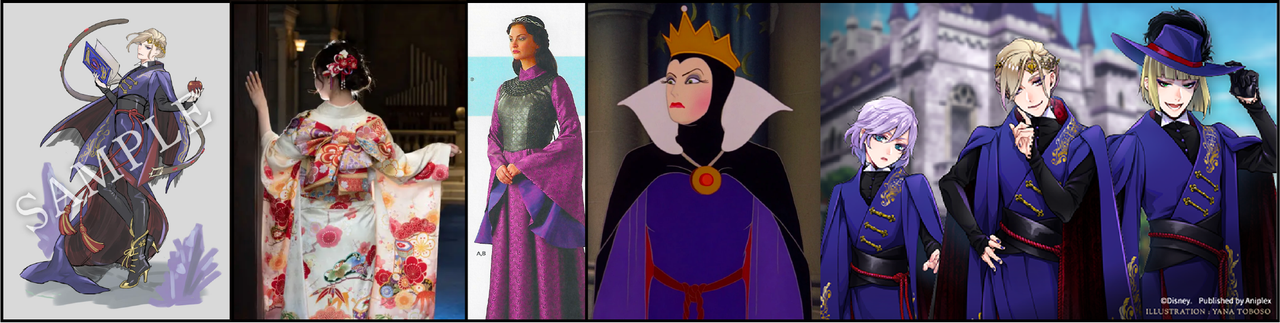
Pomefiore Dorm
“Tradition and poison are the themes of these dorm uniforms. Pomefiore was the most difficult to design. The evil queen’s original dress is very simple. The more detailed I made the design, the weaker the connection to the queen became. During a lot of trial and error, I was making rough sketches based on a medieval dress design, and one of the Disney artists who saw it complimented and said, ‘It looks like a kimono—it’s so innovative. It’s great’.
I realized that large, draping sleeves are a design widely used in traditional clothing such as dresses, kimono and Chinese traditional outfits. I thought, ‘Large sleeves might be considered a traditional motif regardless of country,’ and that is how I reached the final design. Leather pants are worn under the dress, and the toes of the boots are decorated in gold. The aim was to create a feeling of aggressiveness in the midst of elegance.”
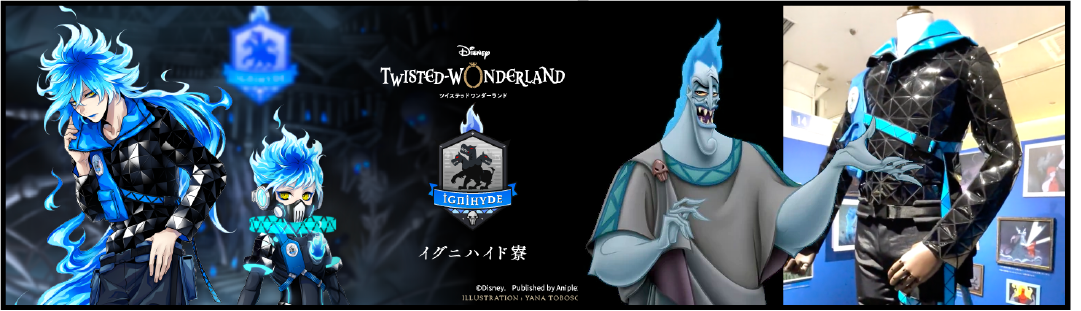
Ignihyde Dorm
“The dorm uniform’s theme is artificial and high-tech. I kept out as much warmth from the design as I could. The jacket is made of pieces of enamel, and was inspired by the triangular pattern of Hades’ clothing. There are pouches worn around the waist that can hold tools and batteries.
The housewarden’s belt hangs loosely from the pouch down to his feet, to represent the smoke that rises up from Hades’ feet when he walks. The one-shoulder vest was inspired by the ancient Greek toga.”

Diasomnia Dorm
“These outfit designs were inspired by imperial guards and dragons. I tried to design something that would appear strong even to a casual observer. The harnesses are based on the spines and wings of Maleficent in her dragon form, and the housewarden’s cape is made of a heavy, leather-like material. The design has many items such as spools of thread at the belt and a baton holster, which weigh down on their equipment.
The warp of the toque hat represents dragon horns. The lime green is the color of Maleficent’s lightning and flames. Due to the imperial guard inspiration, the design is stylized to portray a high level of loyalty.”
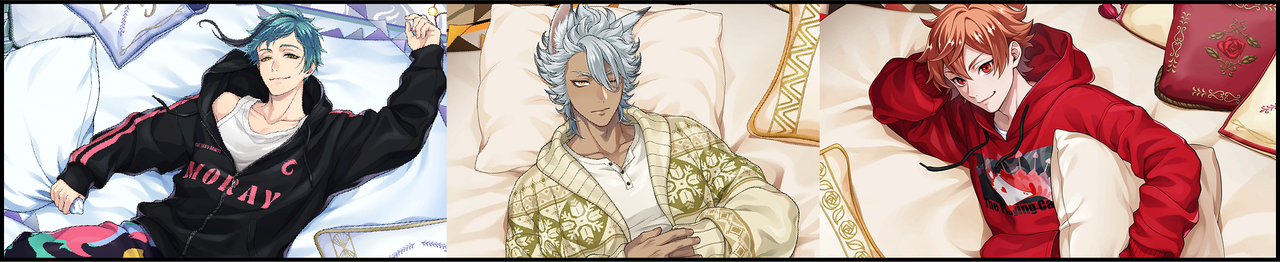
Q19: Are there any new outfits or styles you would like to add in the future?
“I would like to add a summer uniform for Night Raven College, and a designated winter coat at some point. The design for the winter coat was completed before the game’s release, but we missed the window to introduce it. Also, I would like to draw casual, personal clothes for all of the characters someday, but that is a huge project.”
Q20: What does Disney mean to you? Could you share your first encounter with Disney, or any memorable experiences?
“Disney films have always been there for me, ever since I was a child. I remember going to see ‘The Lion King’ in theaters when I was in elementary school. I often visited Tokyo Disneyland with my friends and family. But actually, it wasn’t until I became a mangaka that I really started to watch Disney films. When I was little, I had the vague impression of Disney movies being fun and shiny.
But after I started earning a living through drawing, I had the realization that this ‘magic’ is made possible through the unimaginable effort and honed skills of top creators, and I was instantly hooked.
The creative power that I felt in each film, the desire to entertain the viewer, had a great impact on me as an artist. When you grow up, you lose the ability to sincerely believe in magic and miracles. But Disney films are able to make me believe that maybe magic and miracles do exist, even though I am an adult.”
Q21: Could you tell us about your favorite Disney works and Disney characters?
“I had a hard time answering this question (about my favorite Disney movies), and it took me several days… I would like to talk about 10, or even 20 more films, but I narrowed it down to 4.

Beauty and the Beast is the film that had the greatest influence on me when I was young and still trying to find myself. The ruined castle, the inhuman prince and his servants, the wise and strong heroine, the undaunted villain…I love all the different elements, too much. My favorite characters are Mrs. Potts and Chip.

Treasure Planet was the catalyst that started me watching a lot of Disney films: I saw it casually in the theater when I was 18, and immediately afterwards started drawing and submitting manga to publishers. The main character, Jim, was a very realistic teenager, and I felt really empowered by how hard he worked. The characters are all quirky and selfish. But that’s what makes them so appealing. The main character and the villain are not entirely good, but they are not all bad, either. This is one of the films that had a particularly strong influence on me when I was working on Twisted Wonderland. My favorite character is Jim.

I watch the Nightmare Before Christmas on Halloween or Christmas every year. Tim Burton’s films have influenced me a lot. I always fall in love with his stylization and ability to portray sinister motifs in a charming way! The main character, Jack—his energy is infectious. My favorite character is Dr. Finkelstein.

Lilo and Stitch. The story of a bratty alien who meets a girl and discovers what a real family is. It’s a science fiction-like story with lots of different aliens, but they are all very human and try their best every day, which makes me want to hug them all. And Stitch is too cute. My favorite character is Stitch.”
Q22: Could you tell us your thoughts about villains?
“Most villains are selfish and self-confident, but that is why I feel they are living life to its fullest. They are not given a role in the story to preach ethics to the audience. Because of their role as villains, they can act as they wish.
There are a lot of things that heroes are simply not allowed to do, because they’re the heroes, and the older I get, the more I think, ‘It must be hard on heroes, since it’s always expected that they act right’.
I think that villains are there to teach children that ‘too much greed will lead to your downfall’ and to teach adults that ‘life is fun when you are honest with yourself’. I love them.”
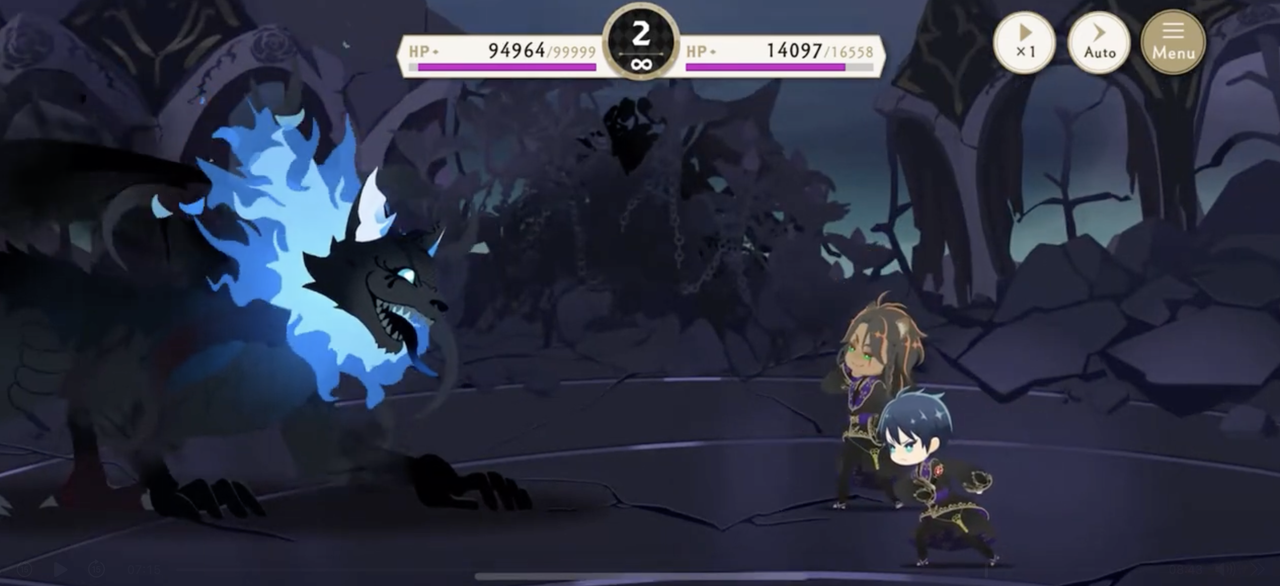
Q23: Please share your impressions from when you were able to play the completed game.
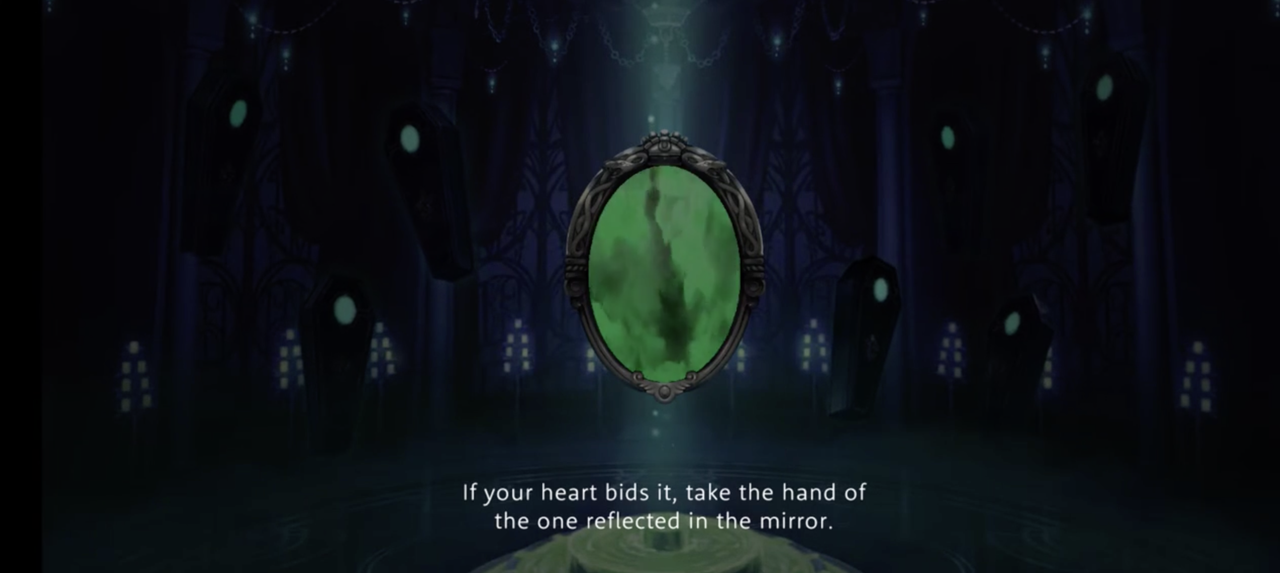
“When I met the Mirror of Darkness in the opening scene, I was so moved that I cried. The game is made up of a huge number of parts, and until all of the parts come together, it is not done. I couldn’t see the whole picture while I was making the game, and I was at a loss as to where the goal was. But once the parts were assembled, it felt like it had taken no time at all.
When I first test-played the game, only the R cards had been implemented, but I enjoyed the battles so much that I played through the night and into the next morning, even though I was already sleep-deprived from having just completed a manuscript for my manga. When I reported to the development team after conquering the boss in the first chapter using only R cards, they said, You were able to beat the boss? But we haven’t actually completed the battle system balances yet. In reality, I lost so many times, and I worked hard on training and team composition. I never thought about SR cards or thaumarks or anything. I completely forgot I was only doing a test run, and just enjoyed the game for itself. That was the moment I got excited, and thought how badly I want other people to be able to play as well.”
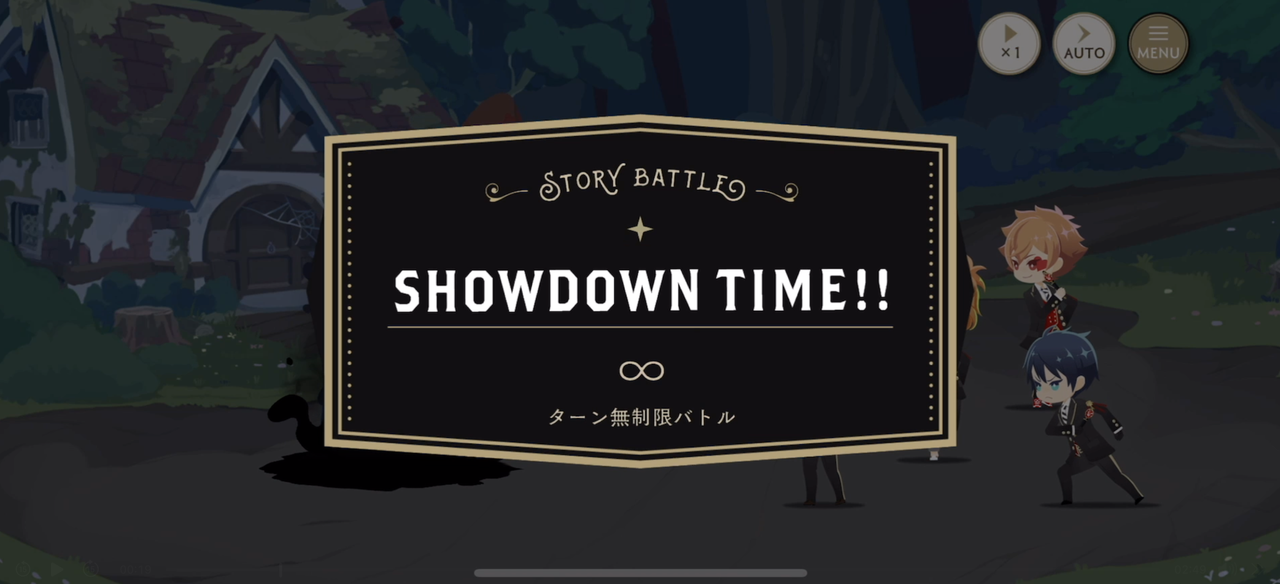
Q24: Can you share anything that was particularly fun, or challenging, or any accidents or stories from the development process?
“There is too much to write about, but everything was new and fun and difficult at the same time. Unexpected accidents were an everyday occurrence, and each time I saw the SHOWDOWN TIME! title card in my head.
But f4samurai, Aniplex, and Disney were all willing to face each and every one of these challenges by my side.
I think it is no exaggeration to say that the goal of an app game is not its release. The real work begins after players have started playing, so I hope we will all be able to continue creating fun games together.”
Q25: If there is anything in particular you would like players to pay attention to?
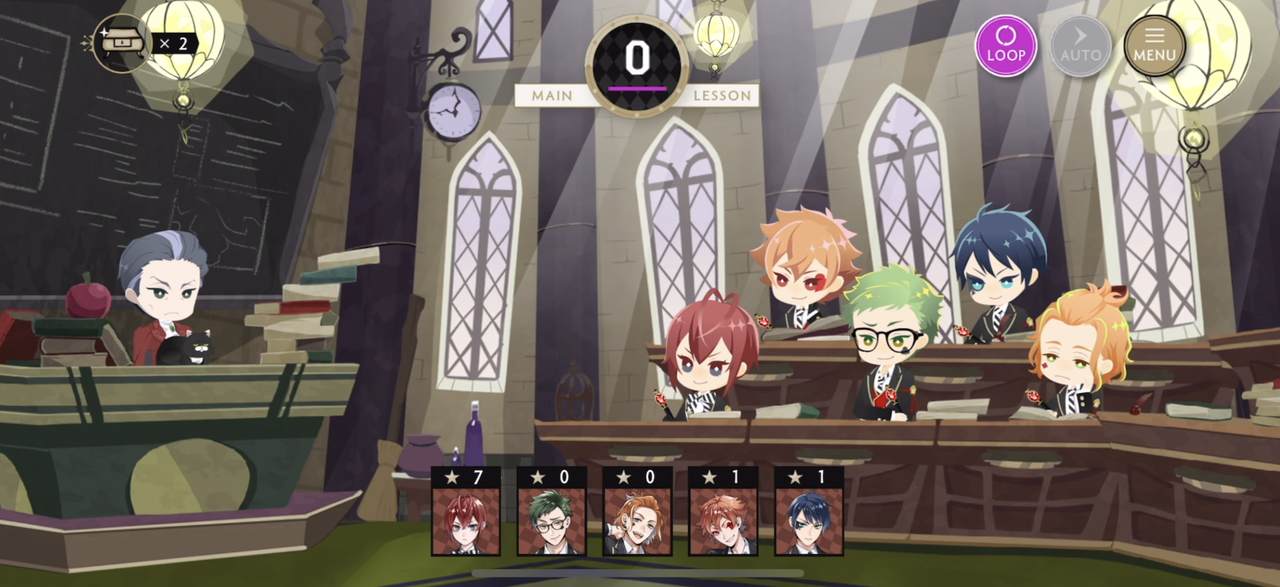
“If you leave the characters in a class or in a battle without setting the game to AUTO, they will start moving around in their own unique ways, so please do watch. You may discover something unexpected.”
Q26: Please tell us your favorite dorm, and why.
“I love all the dorms, but from a developer’s perspective, I have a special attachment to Heartslabyul Dorm of Chapter 1. The card art, the scenario, Live2D, and battles—Heartslabyul took the lead and pioneered these aspects, and they played a crucial role in identifying areas for improvement to ensure smoother development for the other dorms.”
Q27: If there are any behind-the-scenes stories from the early stages of development that only the development team knows, could you share them with us?
“We originally planned to create between ten and fifteen different dormitories. We also had a rough design for the motif of another, separate work, but it was put in storage when we decided on the current seven dormitories. It was originally not going to be a school for mages, but an academy that teaches villains how to do evil things. That idea was rejected because it got very problematic. Looking back on it now, I think, ‘Well, duh.’
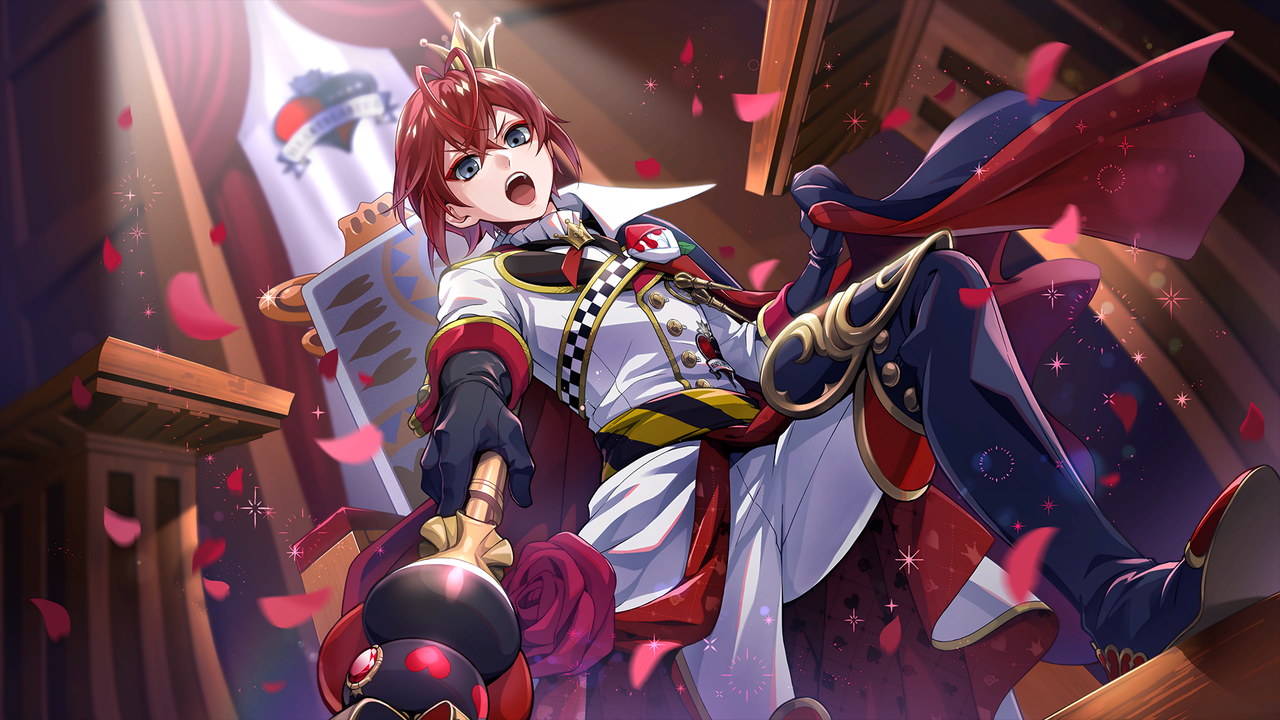
Riddle’s personality was, originally, the opposite of what it finally became. At first he was a character who had been spoiled growing up, disliked studying, was selfish and always broke promises and rules. But because of his strong magic, he could not be denied…In the end, I was not satisfied with my own scenario and rewrote it, resulting in the current Book 1 story. The development team was surprised to see the 180-degree difference between the setting we had already submitted and Riddle’s new personality. But they accepted it and even said it was an improvement, and the character became what he is today.
The fact that he has styled his own uniform for a cuter look is a remnant of how he was in the early stages of the project. Also, Deuce had long hair, Cater was a beastman, there was a character based on a white rabbit motif, and so on…the Heartslabyul dorm experienced many twists and turns in terms of both design and content.”
Q28: How do you view Twisted Wonderland?
“I think Twisted Wonderland is a project that has made me grow as a creator. It has also made me realize how much I still have to grow, as well as how much I still have to learn. I participated in the project as a member of a team, and was able to work closely with the development team to create a comprehensive product despite the constant press of deadlines. It has been—and continues to be—a truly unforgettable experience.”
Q29: How would you like Disney Twisted Wonderland to evolve in the future?
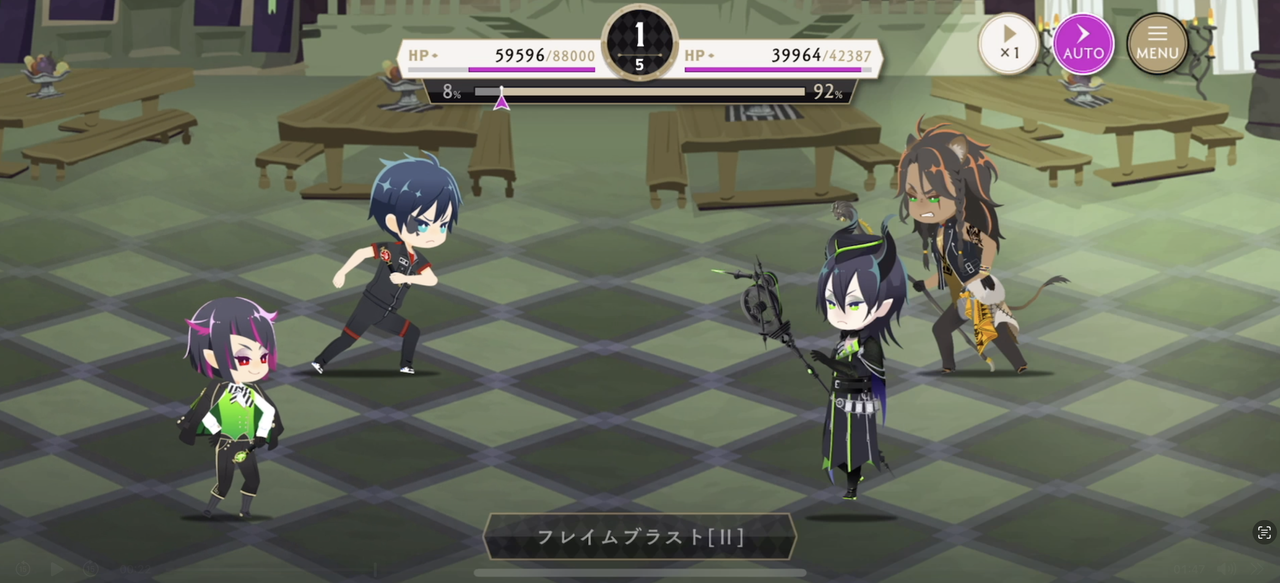
I would like to have raid battles where players fight together. The theme of the game is “making problem children cooperate with each other,” so I feel that such an addition to the gameplay would allow us to better feel the growth of the characters.
I would also like to collaborate with other Disney productions. The characters in “Twisted Wonderland” are also Disney characters, so I don’t know if collaboration is the right word. I would also like to continue to dress the characters up in gorgeous outfits. I have so many ideas for what kind of fashion I want them to wear, what kind of makeup I want them to try…there are so many things I want to do.
Q30: Finally, could you please share a message for the fans who are playing the game?
“Thank you so much for playing Twisted Wonderland. We will continue to do our best to make this game into something that can add a little more fun and color to your daily lives.”
Twisted Wonderland Magical Archives Game Guide Character Notes
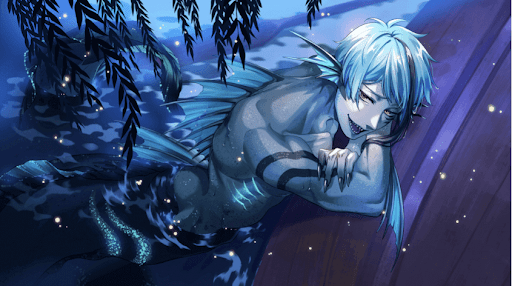
“Eel Form. (Jade) is more fish-like than Azul, with proper fins. There are gills on his sides. Eels have stripes, so his body has stripes in places. Since the bottom of the sea is dark, his body is luminescent.”
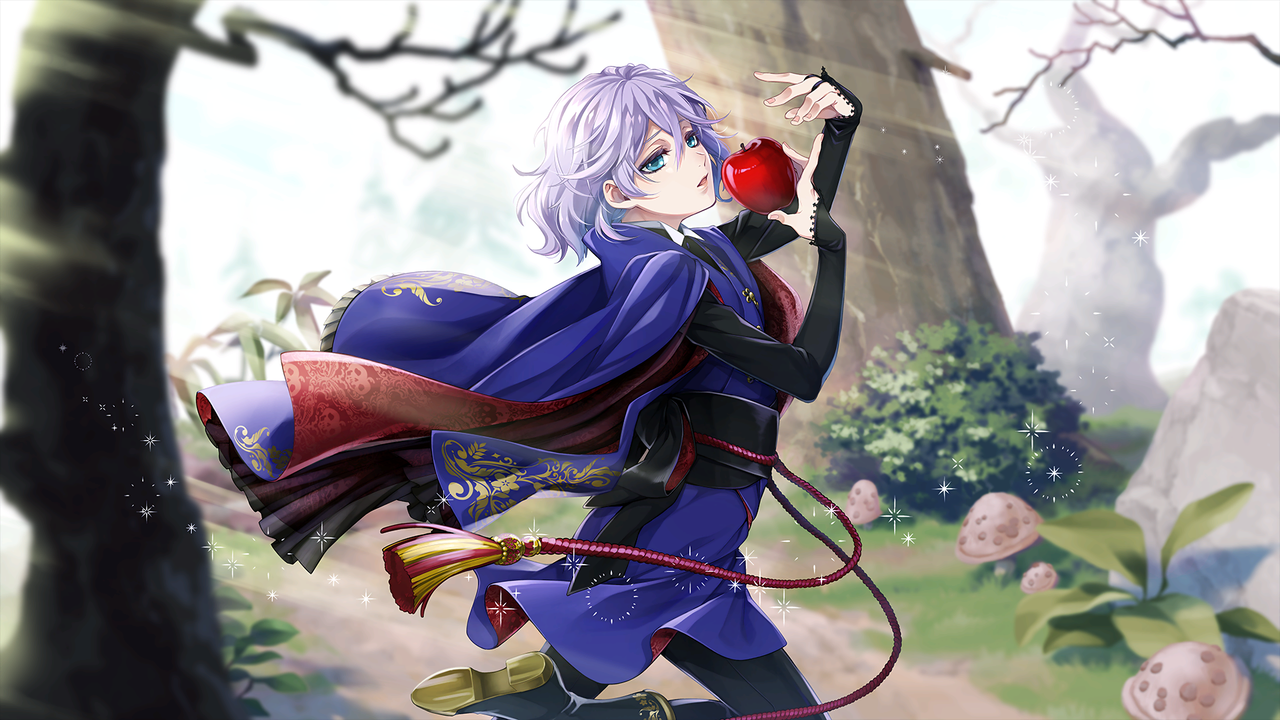
“I designed (Epel) to be a beautiful boy who looks like he belongs in a 1970s shoujo manga. He is a countryside juvenile delinquent on the inside, but Vil is forcing him to be a ‘bishounen’ character. His acting is not very good so his facial expressions are usually stiff, but when his true self comes out he often laughs a lot, gets angry and is generally mischievous.”
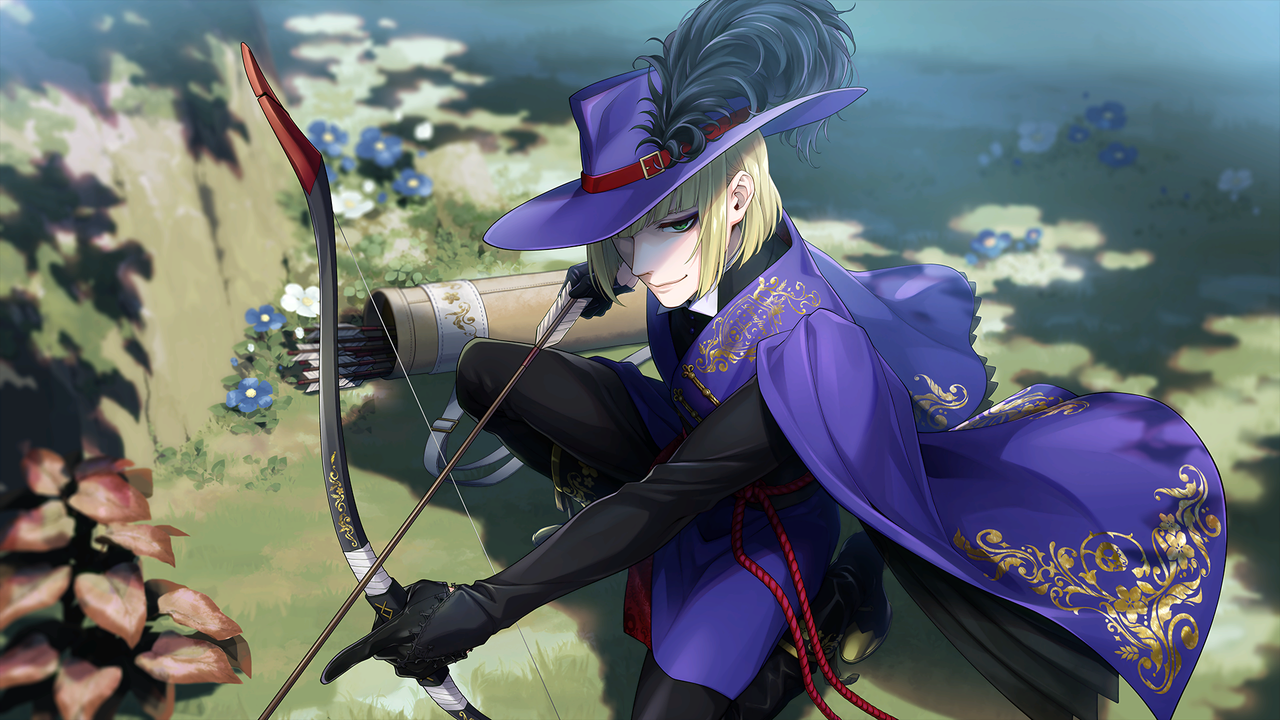
“You usually can’t see (Rook’s) eyebrows. His design is similar to that of other slender-eyed characters, but when he is making a normal expression his eyes aren’t actually that narrow, so watch out for that. His demeanor is very over the top to the point that he seems insincere.
I’m thinking he could have a scary, thin smile. As if he’s projecting maliciousness through his smile. He is secretly very well-muscled.
He almost never takes off his gloves for everyday tasks (in order to not leave any fingerprints). His neck and arms are thicker than Vil’s. When weighing himself it was discovered that he is actually heavier than Trey, and he feigned surprise. He looks the same from either side. His hair is just slightly longer towards the front.”
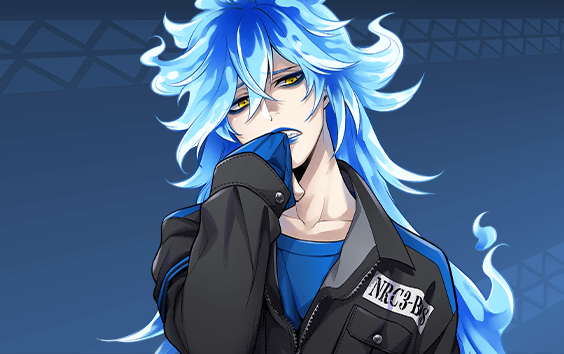
“The flames of (Idia’s) hair become weaker when he loses interest in something.
Compared to the other villains Hades is quite a comical character, so I think that it would be good for Idia to be very expressive.
The bags under his eyes and the blue of his lips are not make up, but entirely natural.”
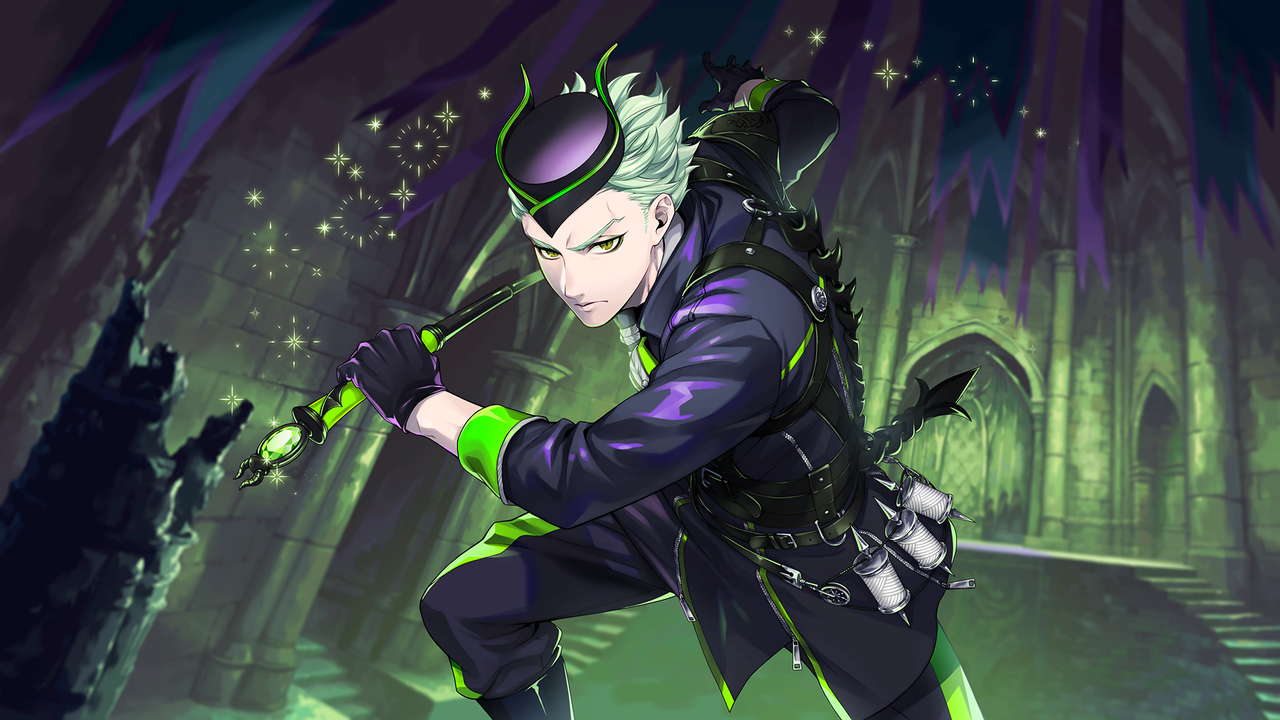
“(Sebek) is not as well muscled as Jack, but he is rather sturdy. However, his facial features are similar to those of Azul, and he has a refined face. Although he has an older-looking face for a first-year student, on the inside he is more like a puppy, and if you get to know him, he laughs a lot.
In front of Malleus he acts like a cool and composed follower, but he actually has a wide range of facial expressions.
His bangs and eyebrows are shaped like lightning bolts. He has an undercut hairstyle. He actually wants to push it all back, but his hair is too strong and won’t allow it. It is not cropped. He is growing his hair out to be able to style it all back.”
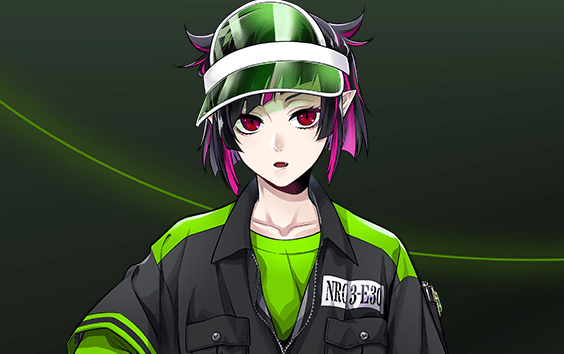
“(Lilia’s) expressions are less so cute than they are calm. He opens his mouth wider than Riddle does and makes improper expressions, carelessly picking his nose, etc.
He generally doesn’t get very angry. Even when he is angry, he’s never overly expressive. He gets angry about trivial things. Like someone eating the ice cream he’d been saving…”
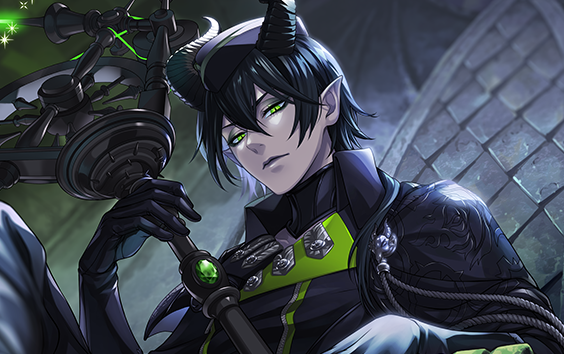
“(Malleus) has pointy ears. Since his horns are so large, his head tends to look too big if his face is not drawn a little smaller than other characters’. He has long lower eyelashes, but his facial features are a little softer than Vil’s and Leona’s. He doesn’t get excited easily, but he’s rather cold-blooded when he gets angry. He is unfamiliar with the world, so often times he goes ‘oh!’. Sometimes he sulks childishly. His horns angle a bit behind his head. Either he can’t sleep lying on his back, or he has a special pillow (laughs).”
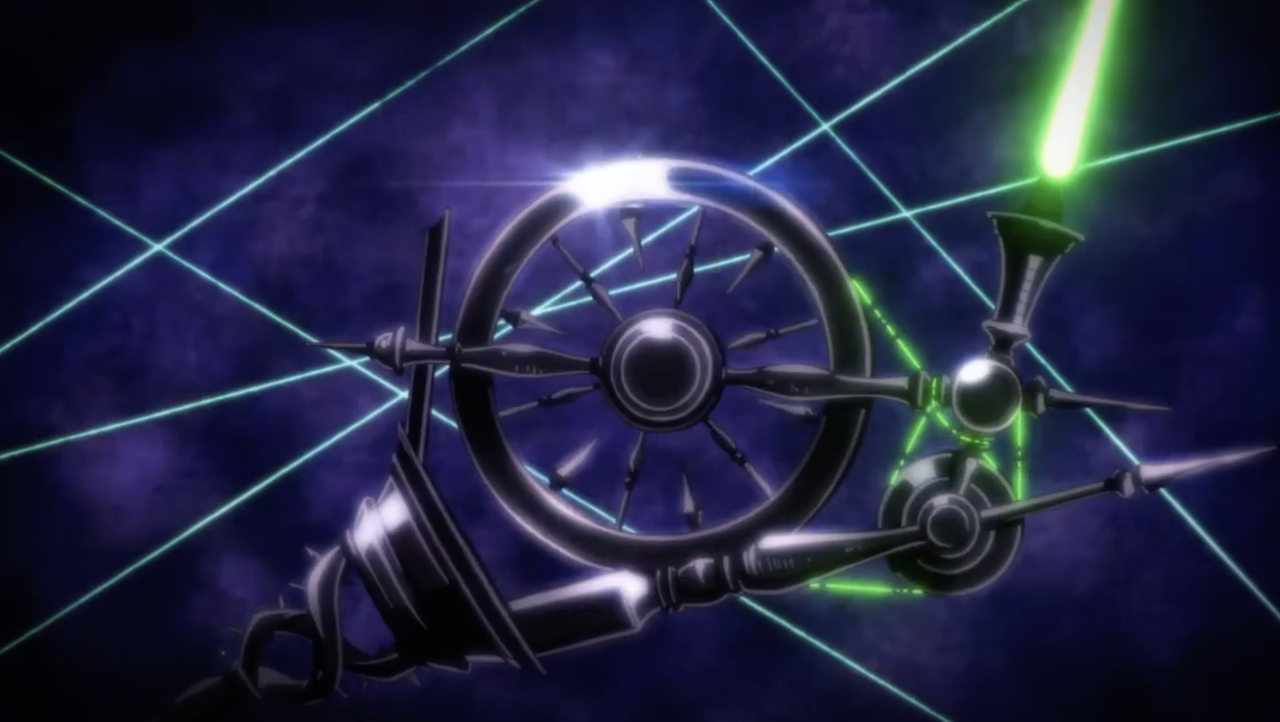
“(Malleus’) staff is based on the motifs of spinning thread and thorns. The idea is that, when it is used, magical thread runs through it and the gears turn. (This is really just an idea, I don’t mean that that is what needs to happen!)” “I wanted him (Malleus) to have a bulky staff that looks like it would be the most difficult one to handle, and this is what I came up with. It is just over 2m30cm long…”
 Twisted Wonderland Reference Note