
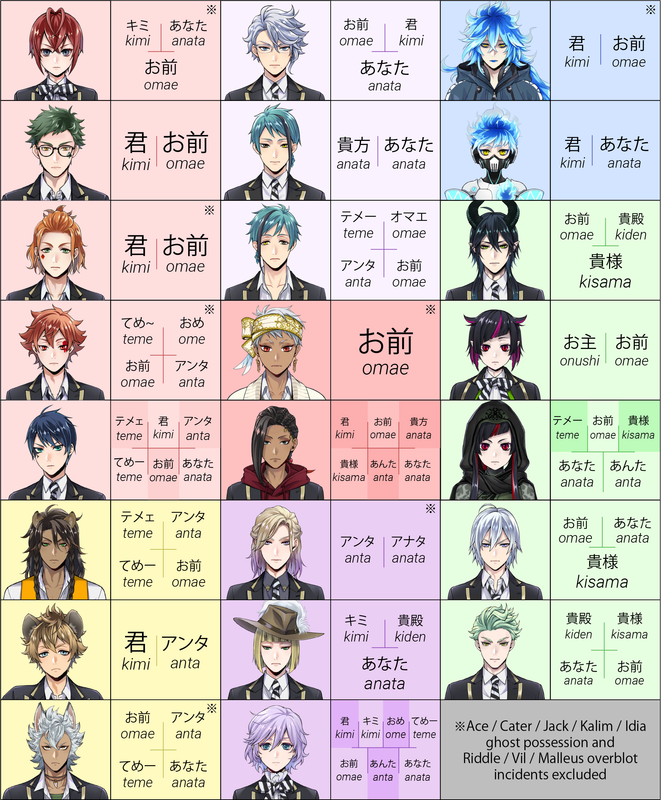
Much like pronouns and honorifics, another way that language is being personalized within Twst is how each character chooses to say “you,” and to whom.
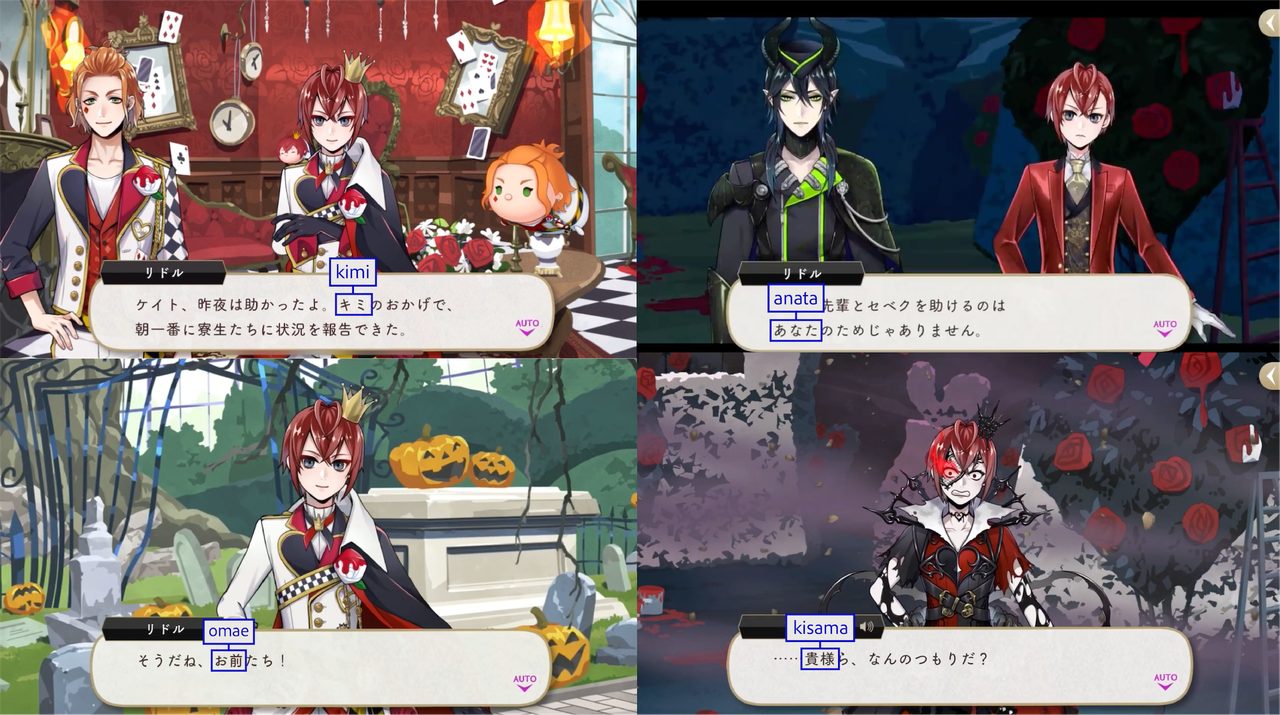
Riddle: キミ (kimi) / あなた (anata) / お前 (omae) (貴様 (kisama) during overblot)
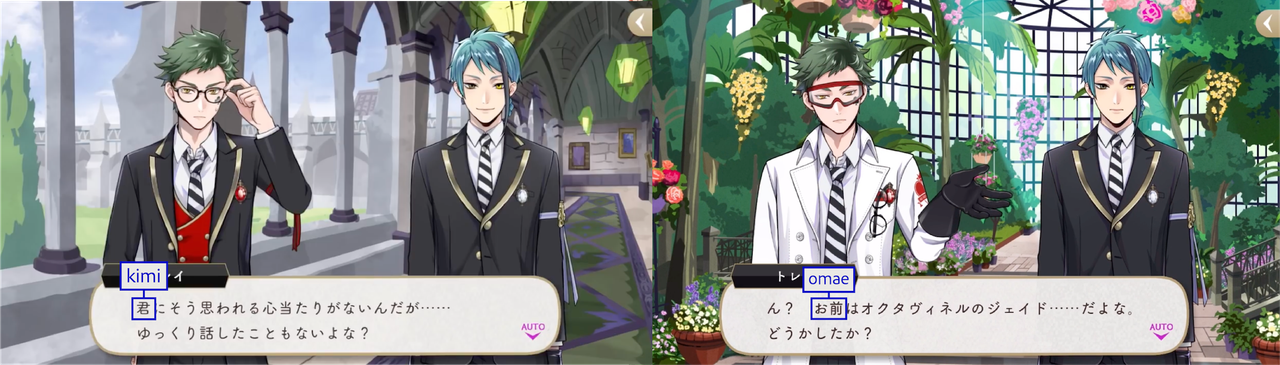
Trey: 君 (kimi) / お前 (omae)
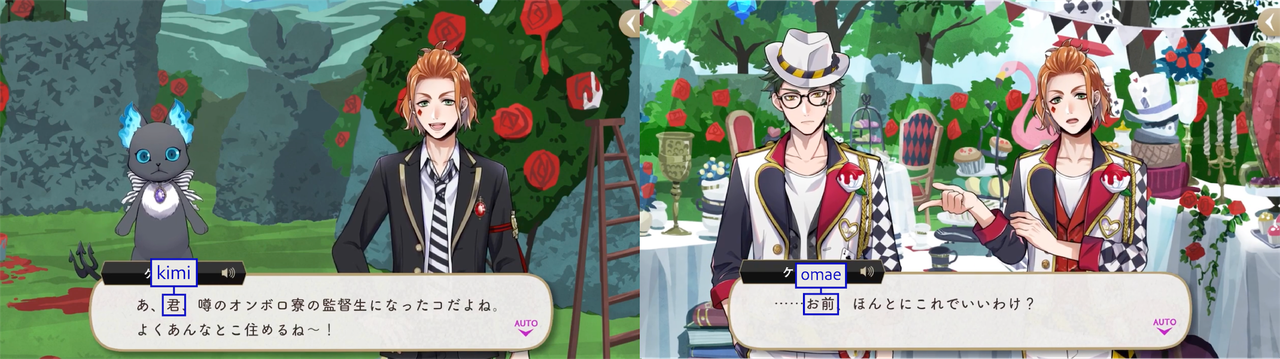
Cater: 君 (kimi) / お前 (omae)
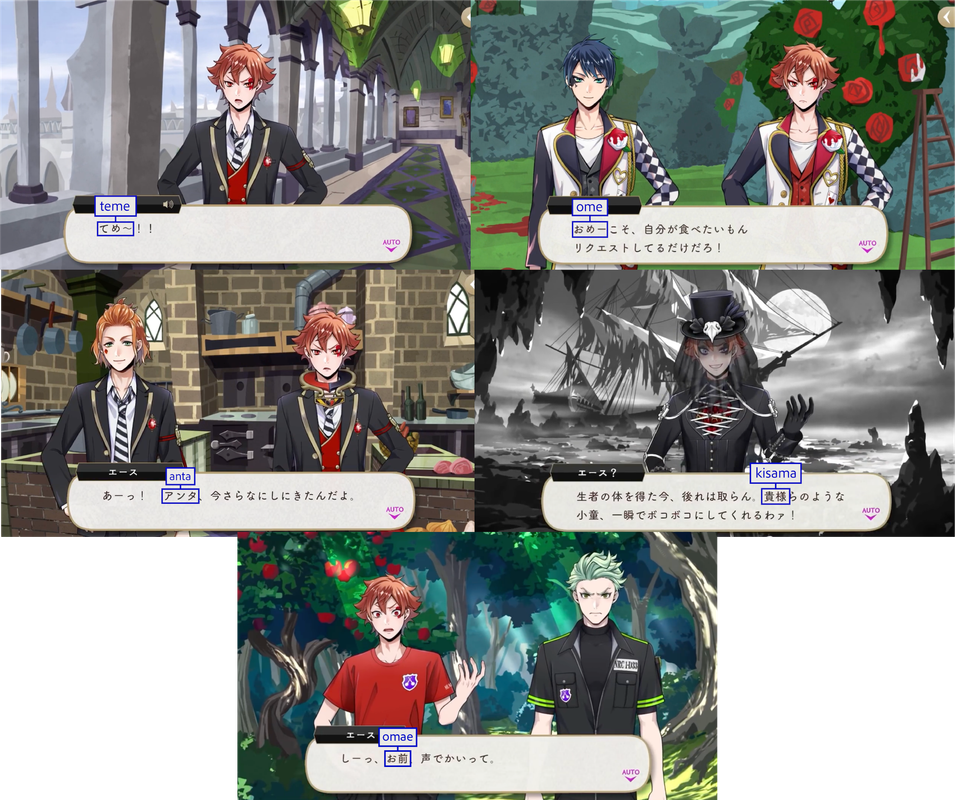
Ace: てめ~ (teme) / おめ (ome) / お前 (omae) / アンタ (anta) (貴様 (kisama) during ghost possession)
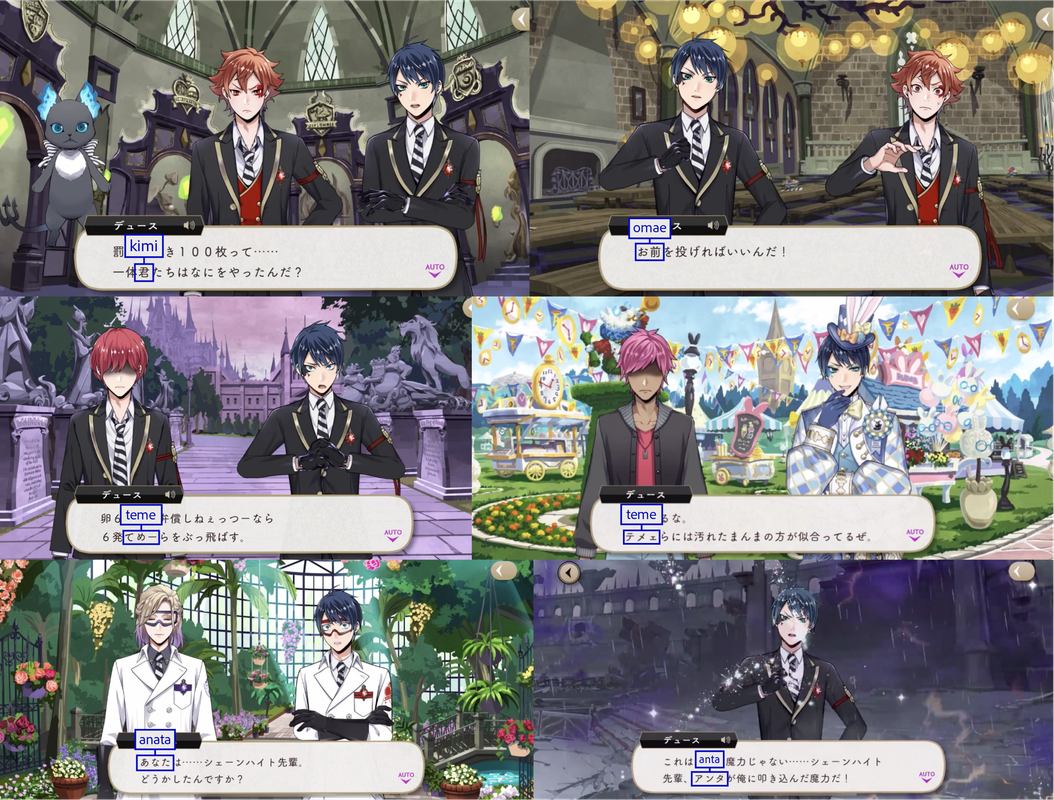
Deuce: テメェ / てめー (teme) / 君 (kimi) / あなた (anata) / アンタ (anta) / お前 (omae)
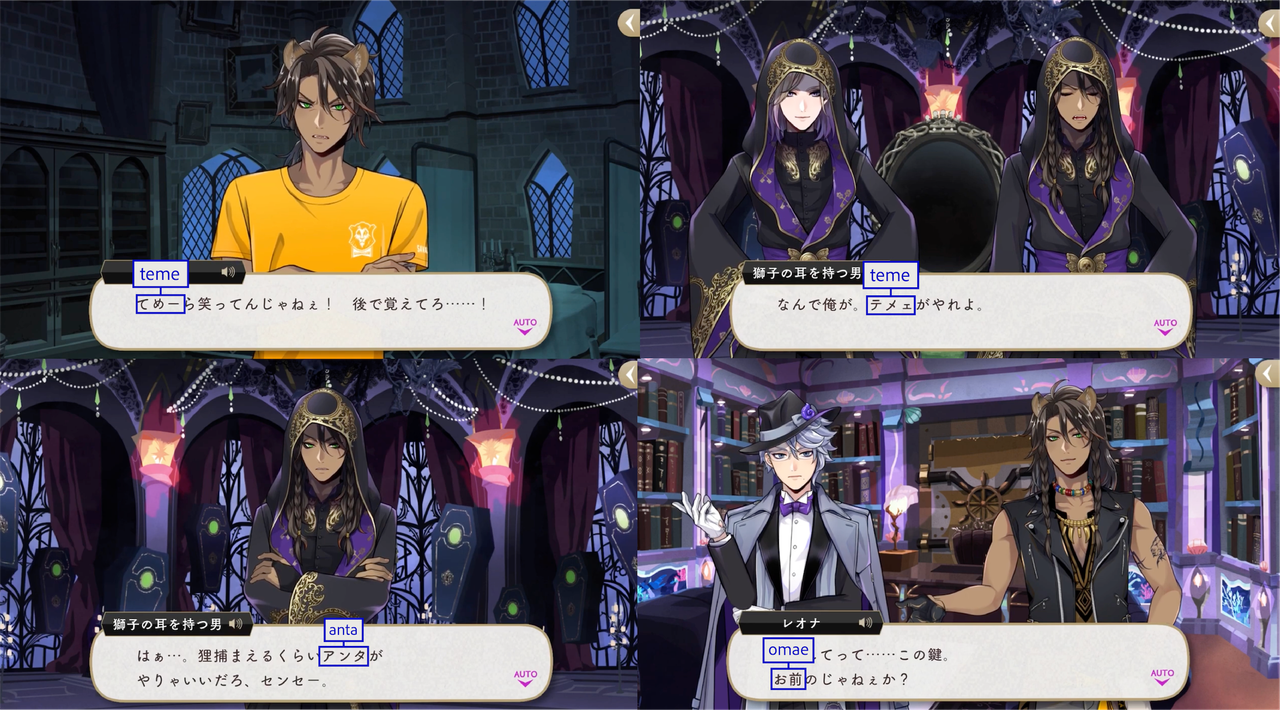
Leona: テメェ / てめー (teme) / アンタ (anta) / お前 (omae)
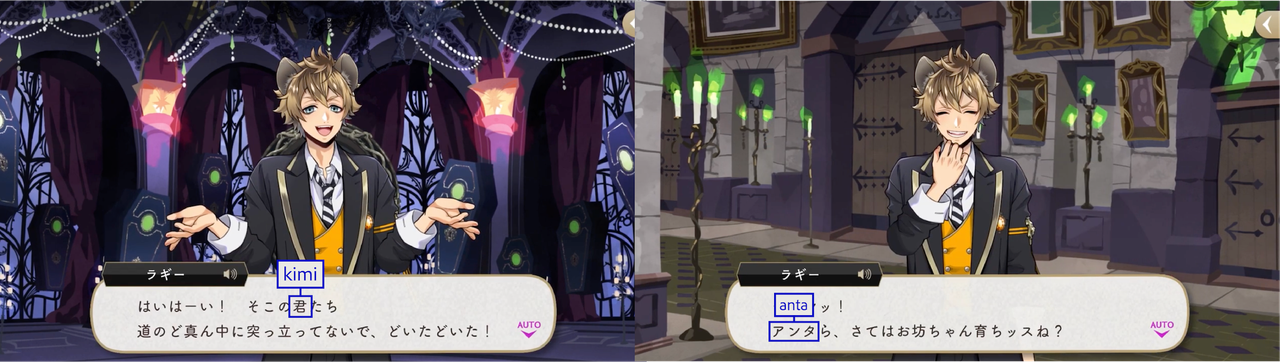
Ruggie: 君 (kimi) / アンタ (anta)
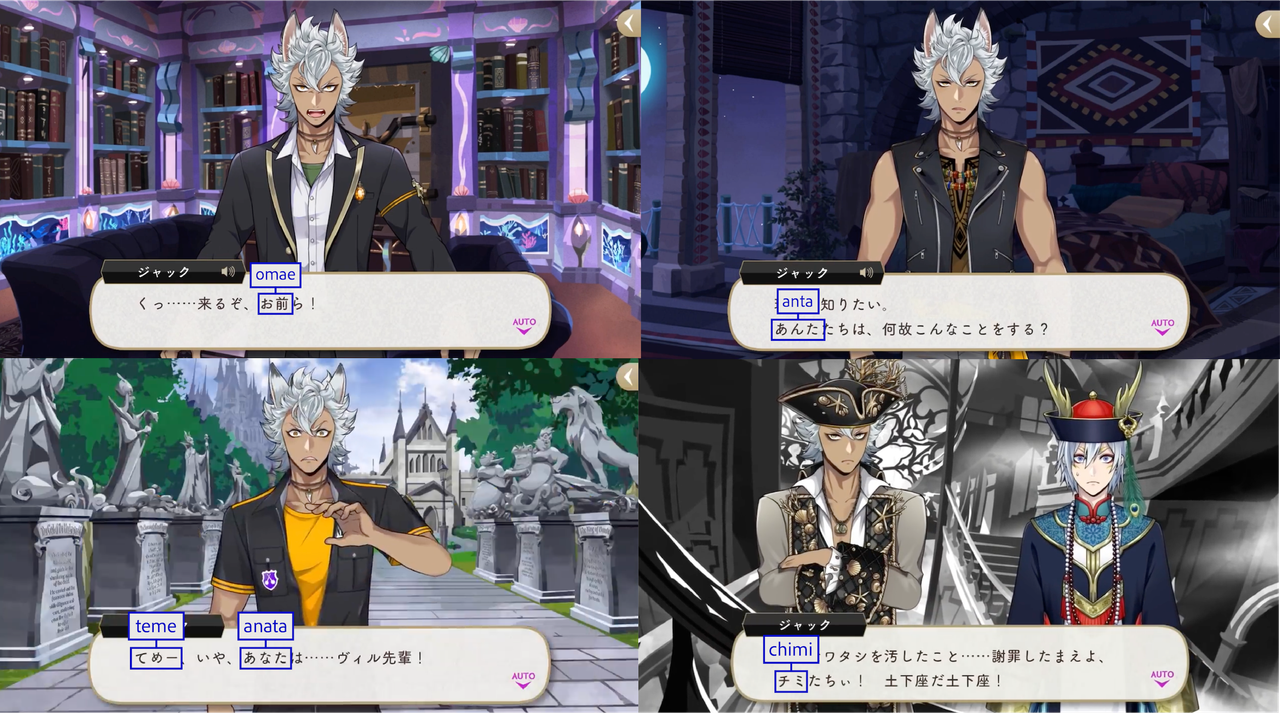
Jack: てめー (teme) / あなた (anata) / アンタ (anta) / お前 (omae) (チミ (chimi) during ghost possession)
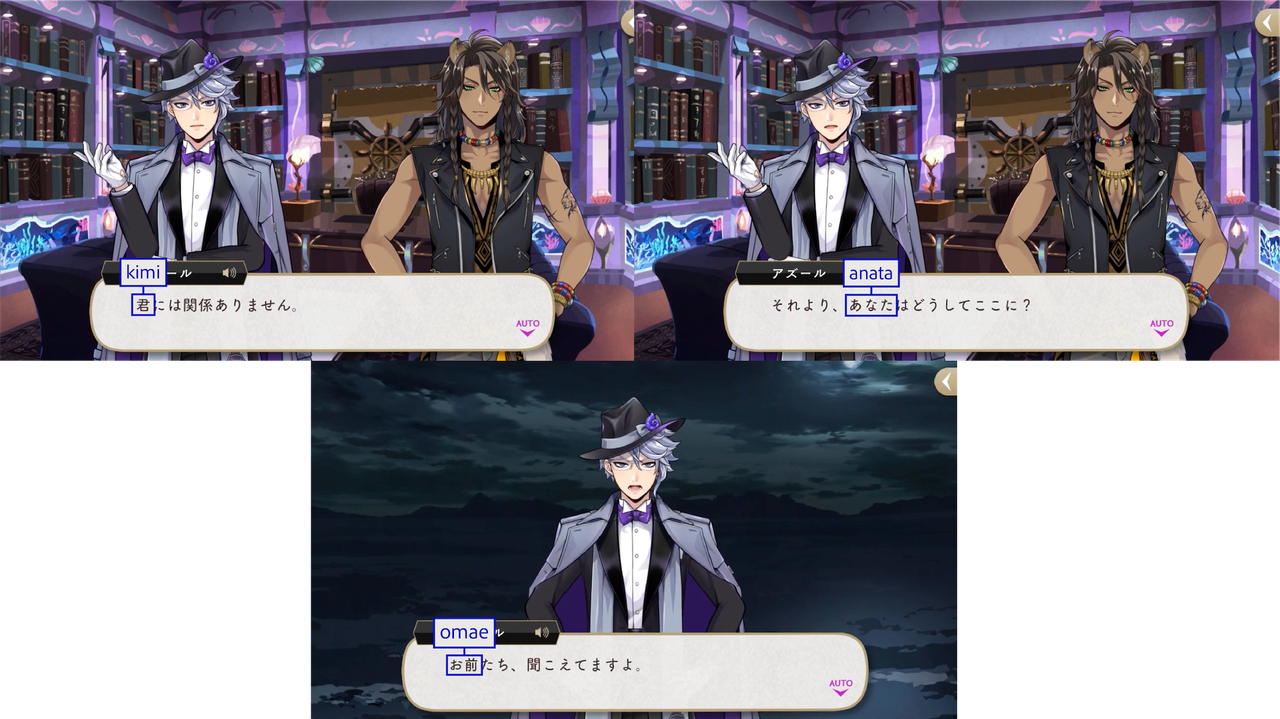
Azul: 君 (kimi) / あなた (anata) / お前 (omae)
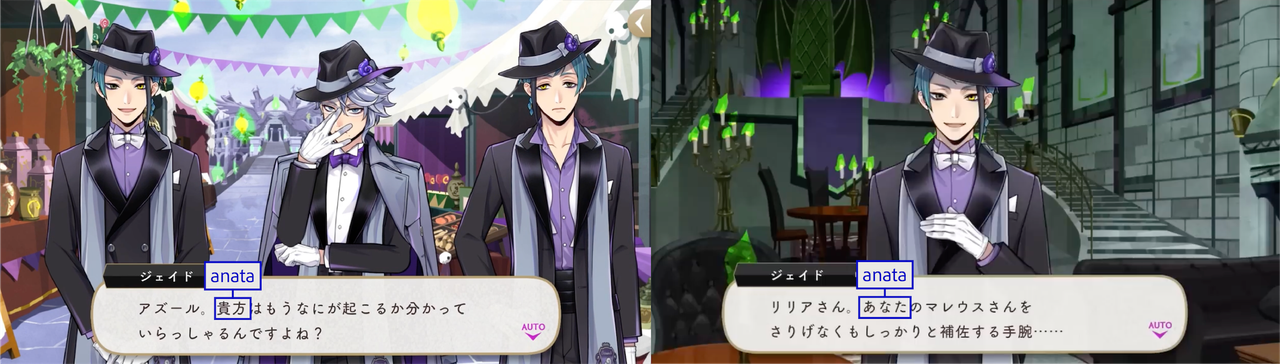
Jade: 貴方 / あなた (anata)
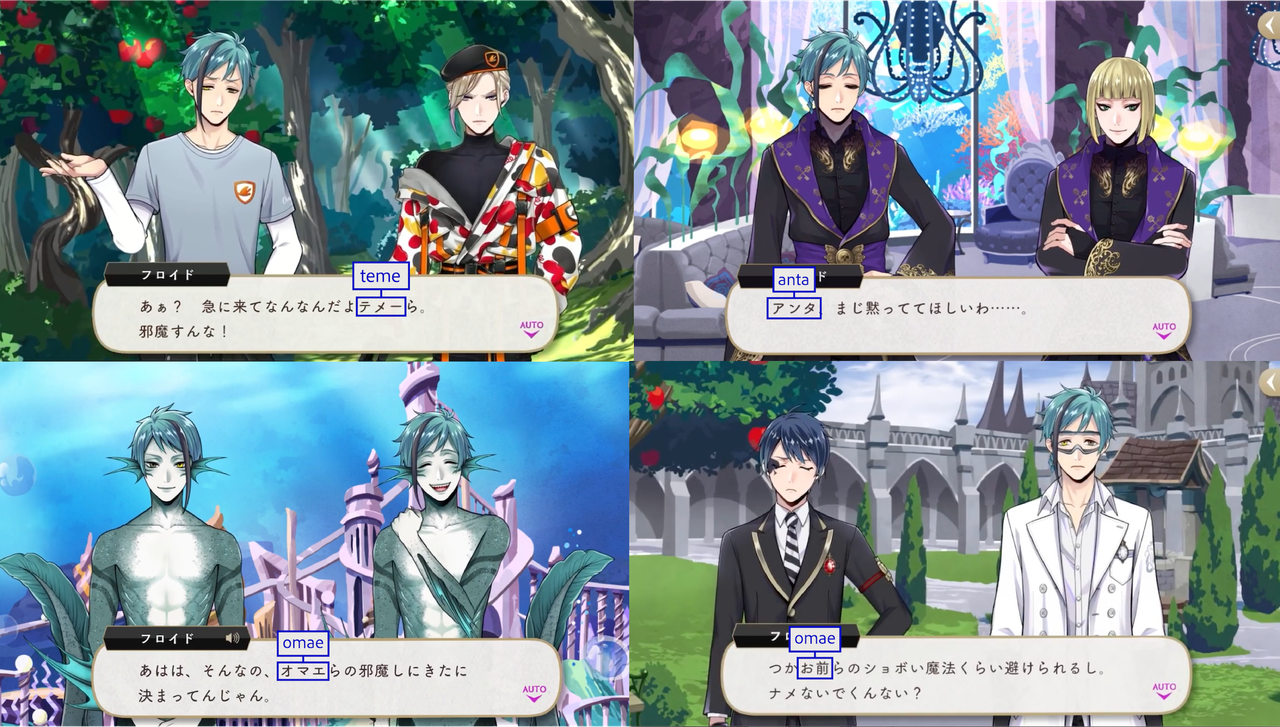
Floyd: テメー (teme) / アンタ (anta) / お前 / オマエ (omae)
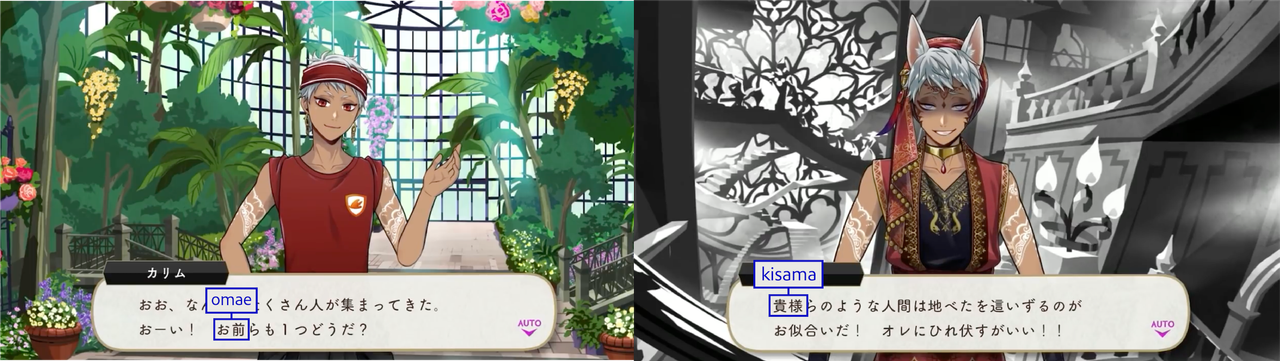
Kalim: お前 (omae) (貴様 (kisama) during ghost possession)
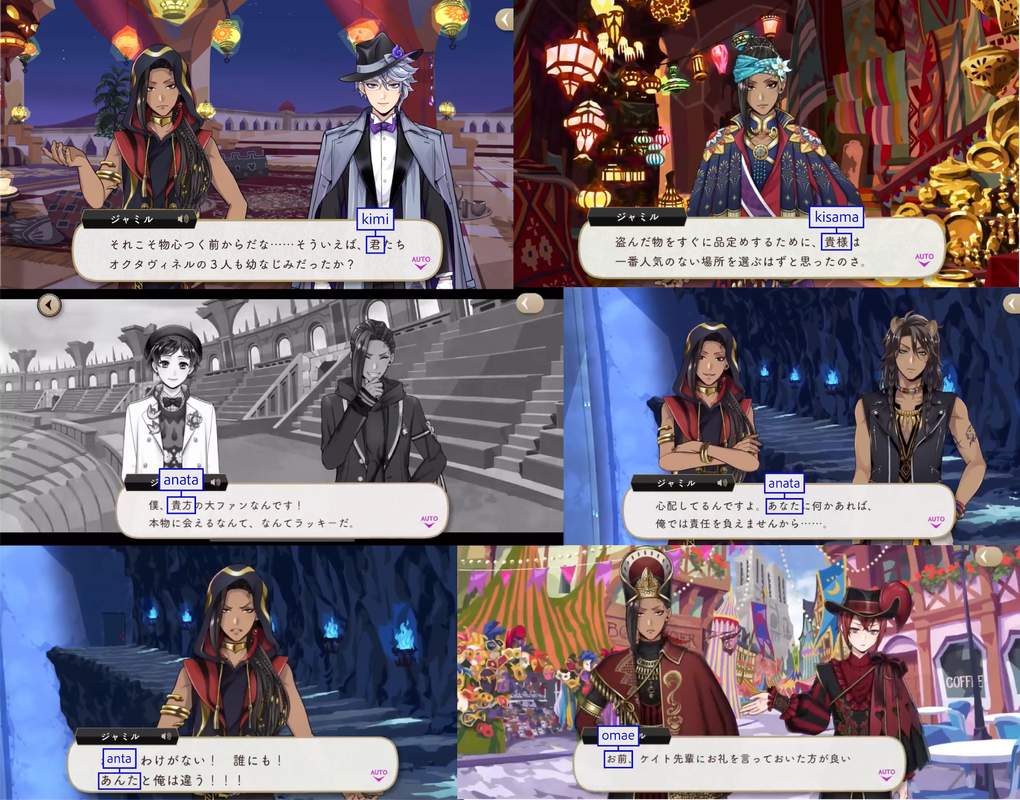
Jamil: 君 (kimi) / 貴方 / あなた (anata) / あんた (anta) / お前 (omae) / 貴様 (kisama)

Vil: アンタ (anta) / アナタ (anata) / (お前 (omae) during overblot)
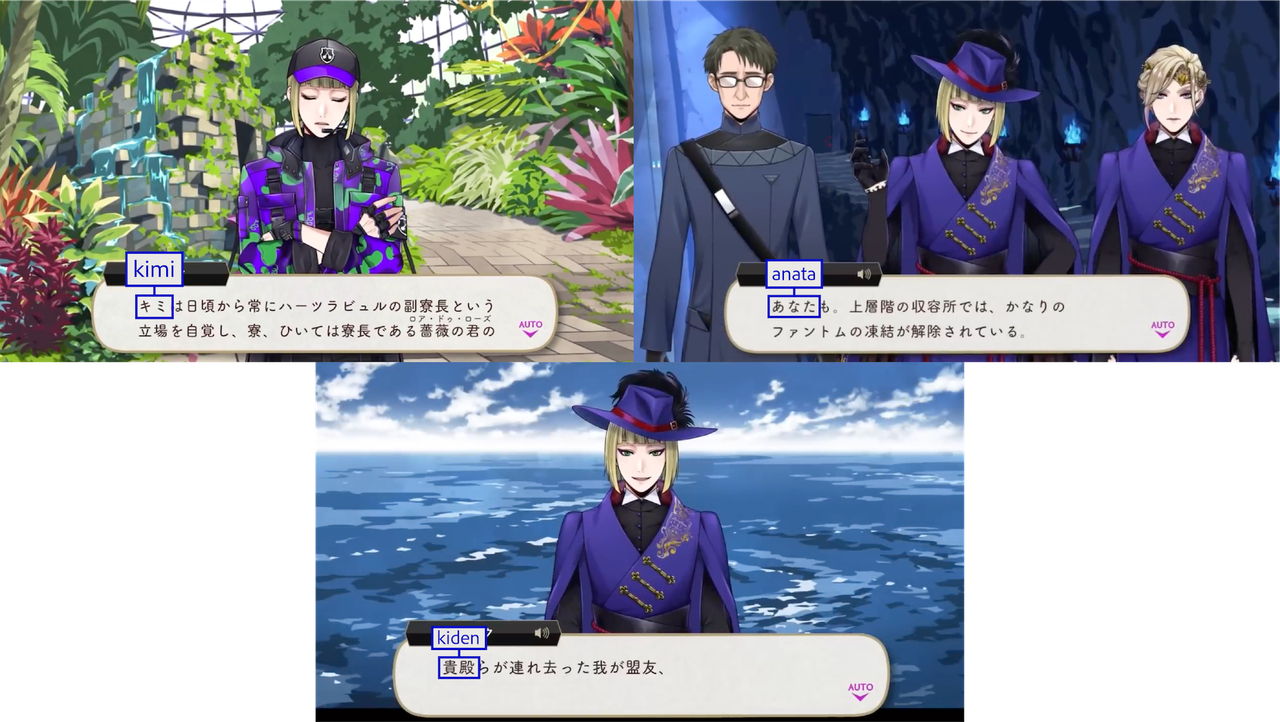
Rook: キミ (kimi) / あなた (anata) / 貴殿 (kiden)
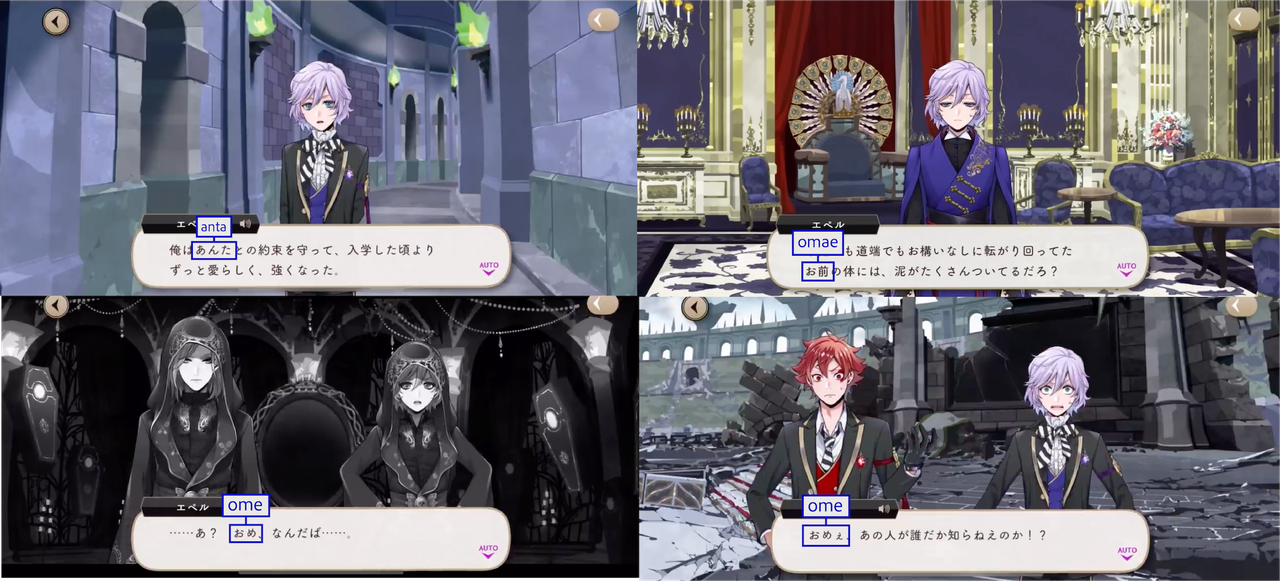
Epel: てめー (teme) / 君 (kimi) / キミ (kimi) / あなた (anata) / あんた (anta) / お前 (omae) / おめ (ome)
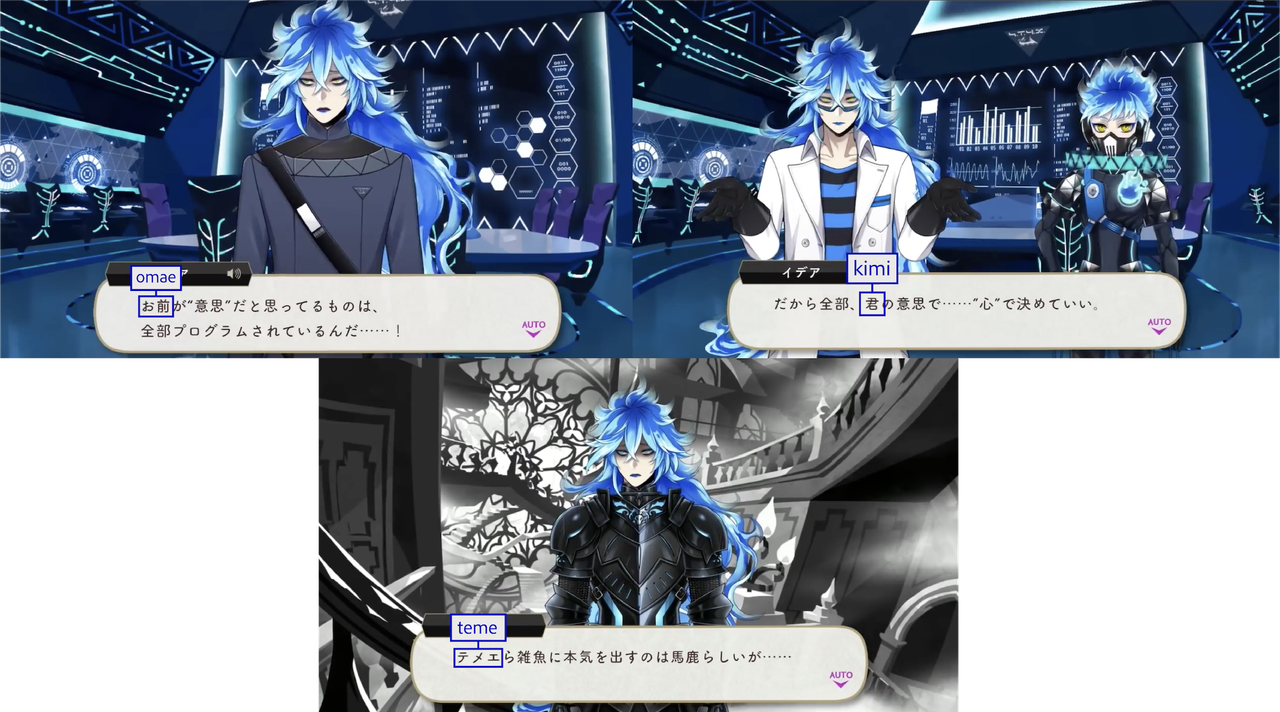
Idia: 君 (kimi) / お前 (omae) (テメェ (teme) during ghost possession)
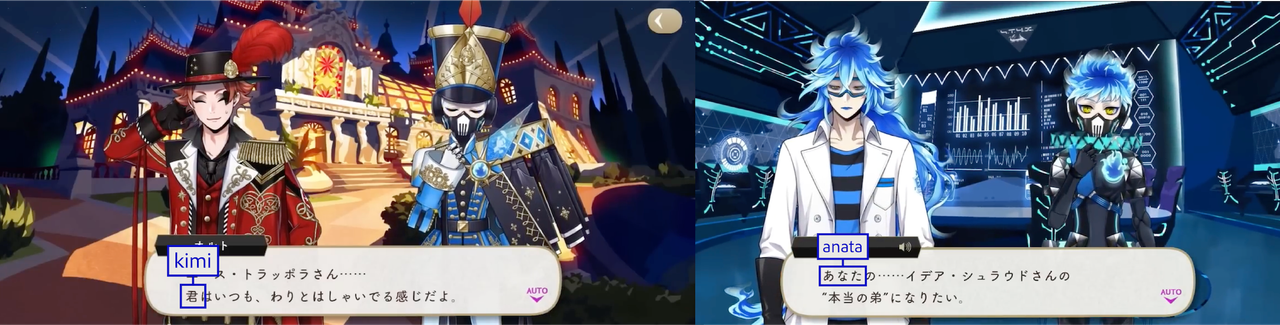
Ortho: 君 (kimi) / あなた (anata)

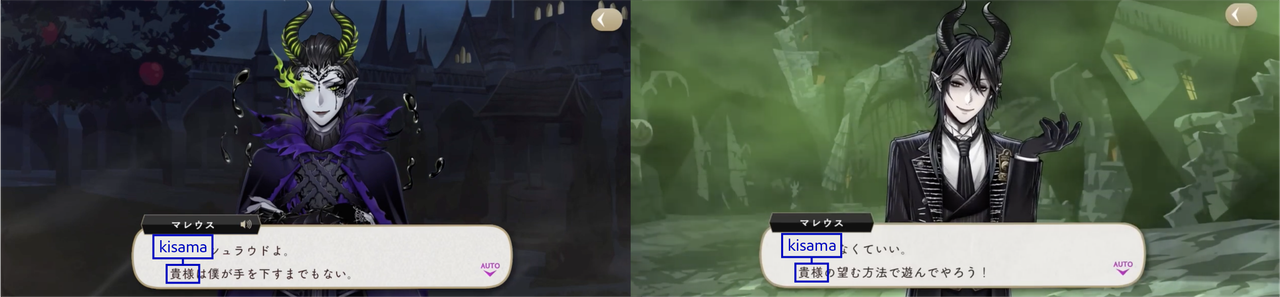
Malleus: お前(omae) / 貴様(kisama) / 貴殿(kiden)
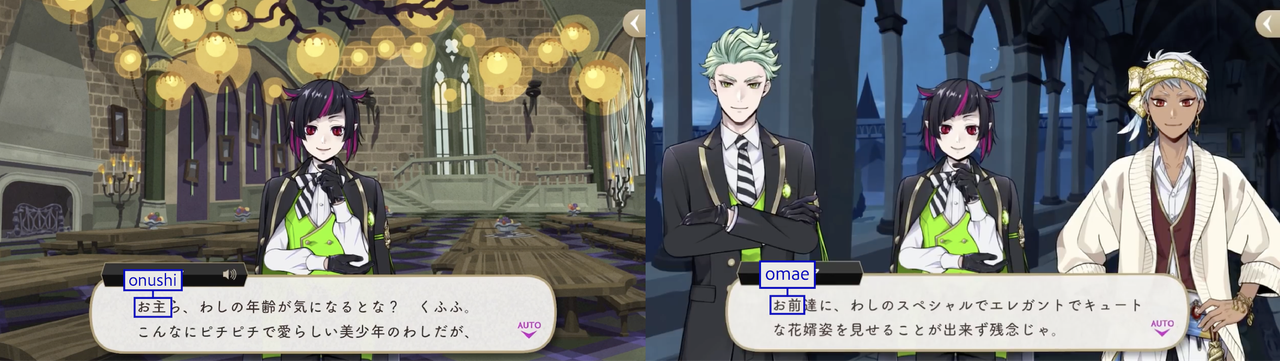
Lilia: お主 (onushi) / お前 (omae)
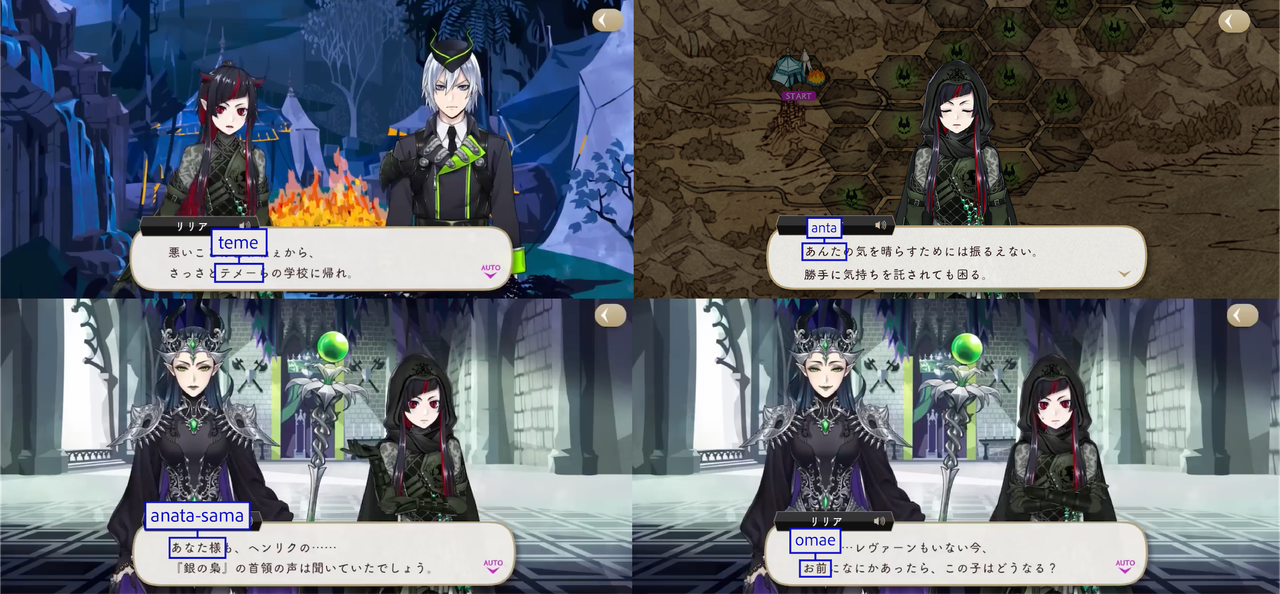
General Lilia: テメー (teme) / あなた (anata) / あんた (anta) / お前 (omae)
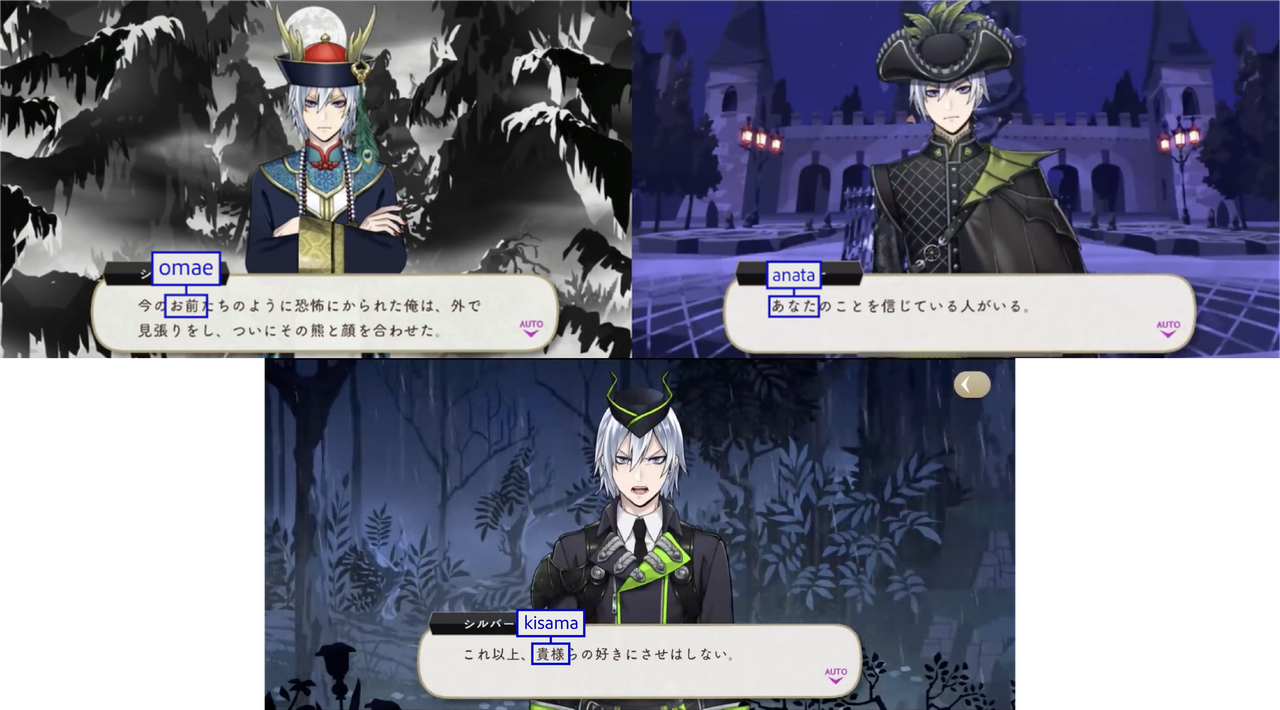
Silver: あなた (anata) / お前 (omae) (貴様 (kisama) just once, to Silver Owls preparing to kill Lilia)
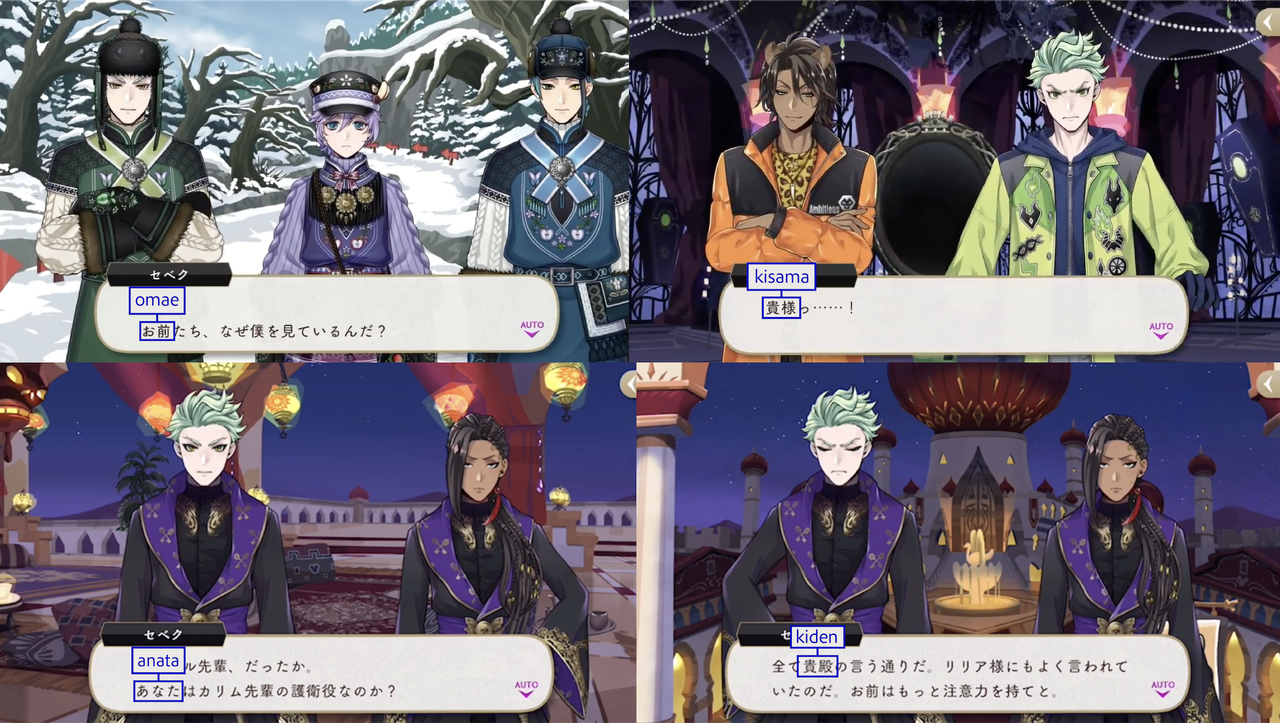
Sebek: あなた (anata) / お前 (omae) / 貴様 (kisama) / 貴殿 (kiden)
君 / キミ (kimi)
君 / キミ (kimi) is a casual form of “you” that isn’t overtly rude, but can sound condescending in certain contexts and isn’t appropriate to use in formal settings or when talking to superiors. It’s very common in pop culture (music/anime/etc.), and depending on the situation, it can imply closeness or emphasize the authority of the speaker, such as superiors using it with their subordinates in certain academic or professional settings.
Q: “So it can either imply the speaker is pretty close with the person they’re talking to, or even something totally different–that the speaker’s trying to assert their authority? And it’s used not only in love songs, but also by teachers to address their students? Basically, the meaning can change completely even though it’s the same word?”
A: Yes! The Japanese language’s various “you”s are extremely context dependent!
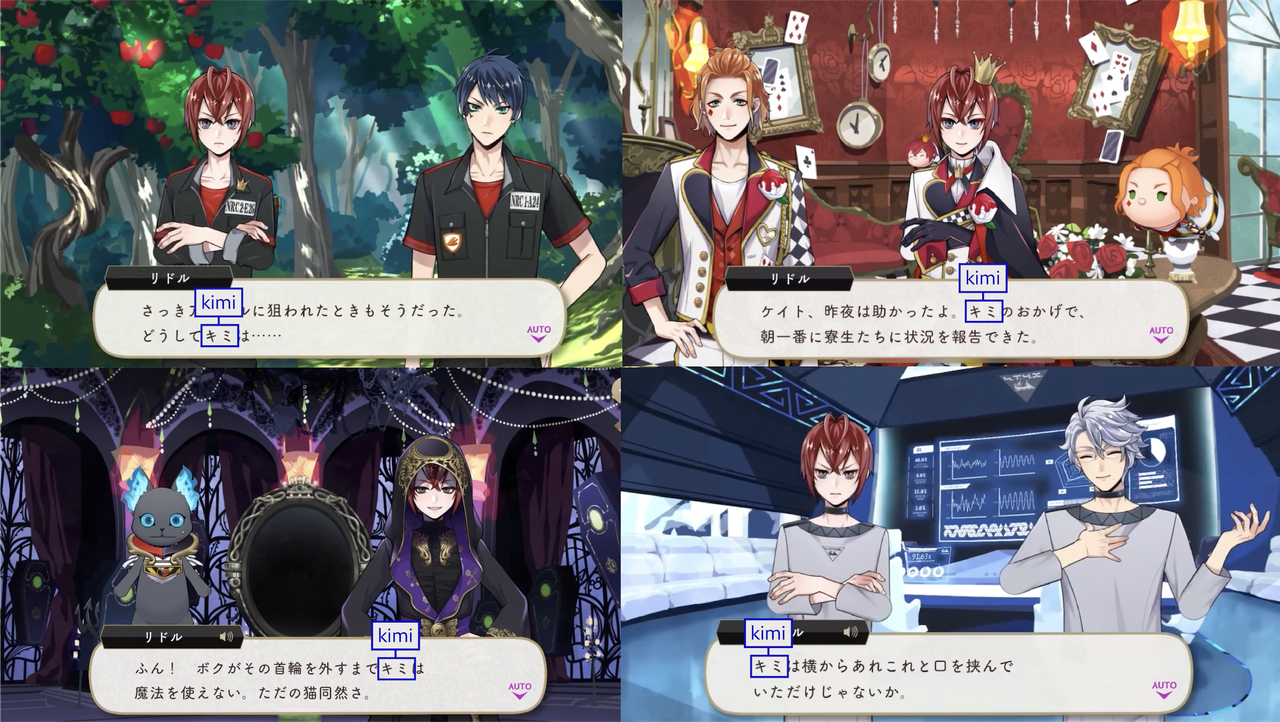
キミ (kimi) is the form that Riddle uses most, often with the non-housewarden students who are in or below his grade.

Trey uses 君 (kimi) with the dwarves in Book 5 as well as with Jamil and Jade, both during vignettes that are hinted at taking place at the very beginning of the school year, so it’s possible that he wasn’t very familiar with them at the time.
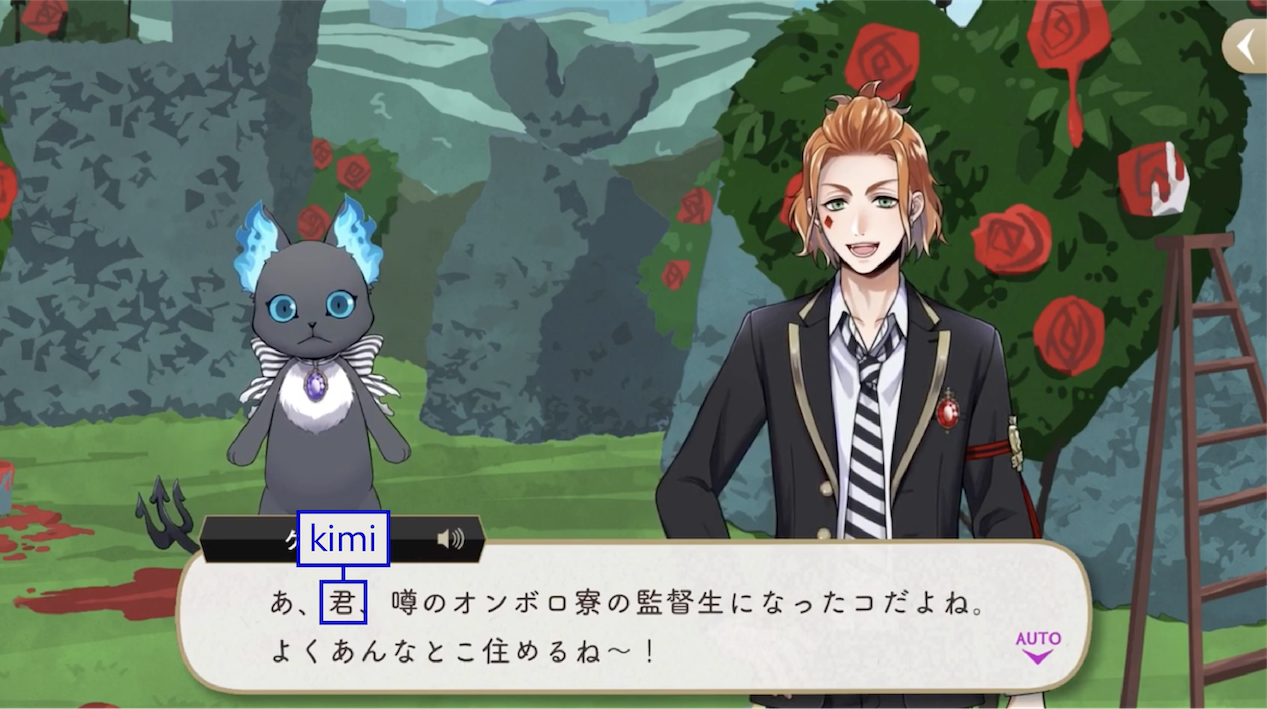
君 (kimi) is the main form of “you” used by Cater, with two exceptions: once with Trey, and once to thank the first-years for their help in handling Riddle in a whispered comment that the others don’t seem to hear (this doesn’t include his ghost possession during Spectral Soiree).

Deuce uses 君 (kimi) upon meeting Ace, Chenya, and Epel for the first time as well as three other forms of “you.”
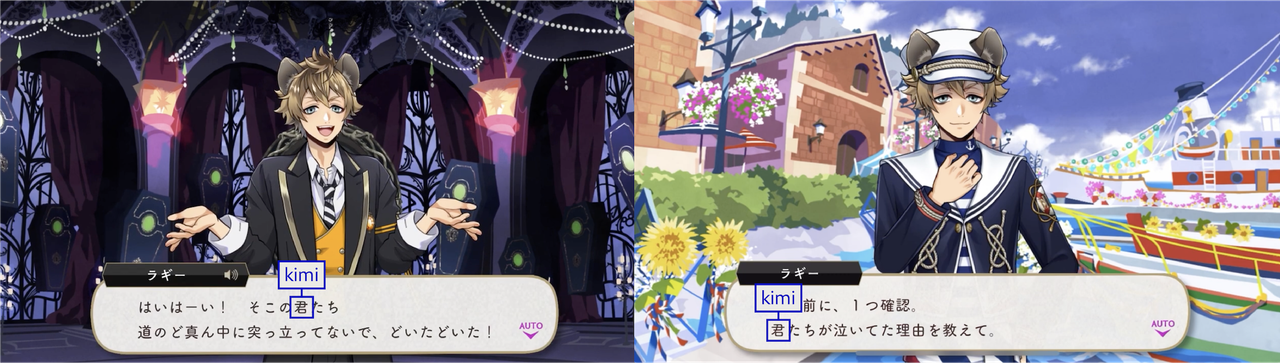
Ruggie shifts between two forms of “you,” and 君 (kimi) is one of them.
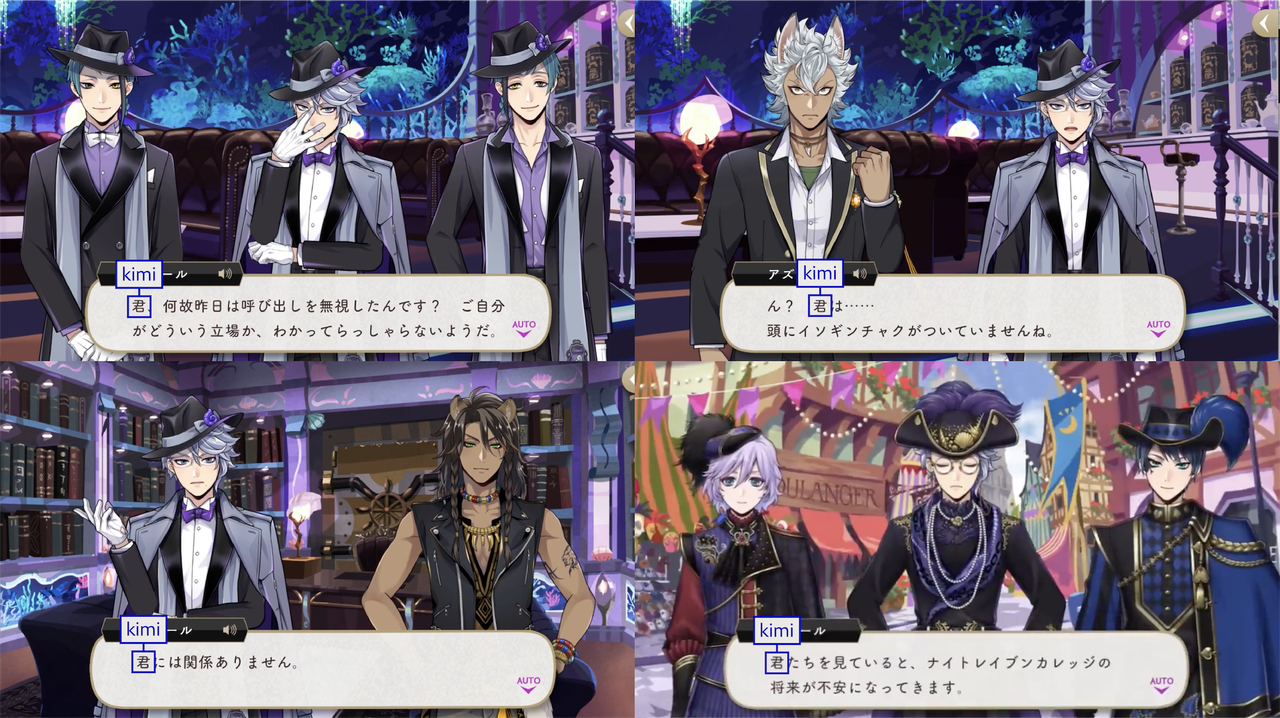
Azul uses three forms of “you” including 君 (kimi), Jamil uses 君 (kimi) plus four other forms of “you”, and it is possible that Rook uses キミ (kimi) almost exclusively (with at least two exceptions, both in Book 6).
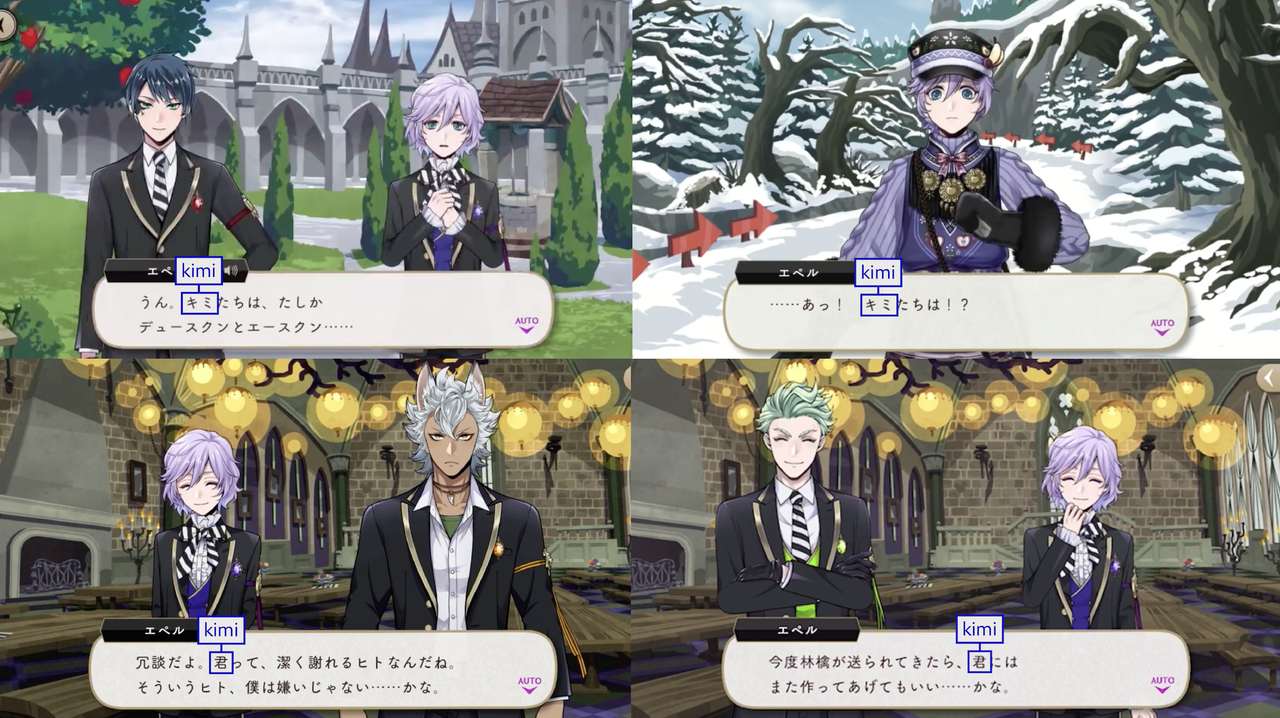
Epel uses 君 / キミ (kimi) in both kanji and katakana.
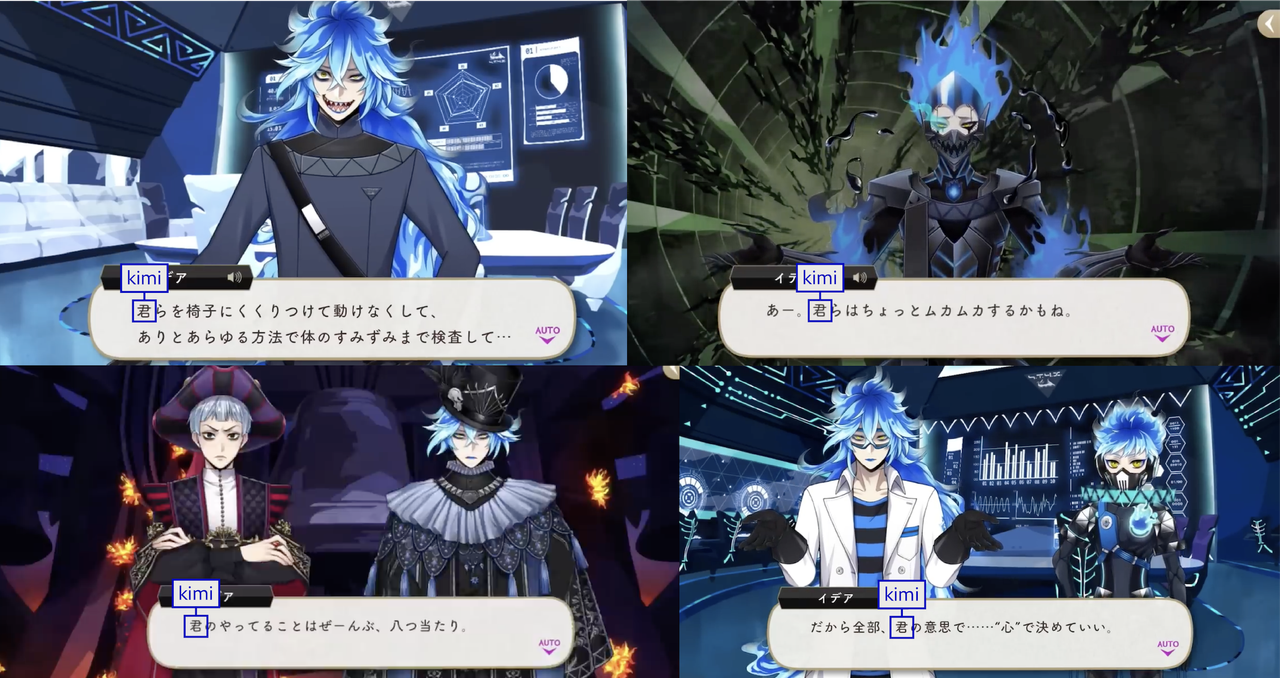
Idia also seems to use 君 (kimi) very often, also with two exceptions (Ortho and human-Ortho).
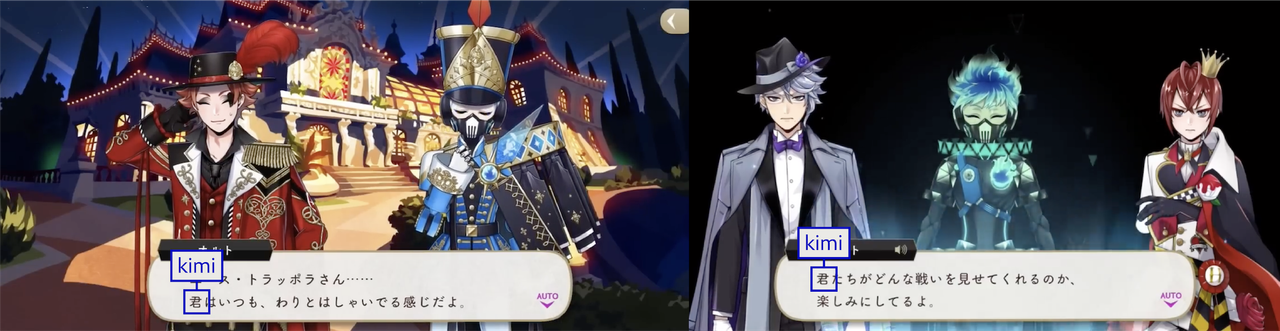
Ortho also seems to use 君 (kimi) almost exclusively, also with two exceptions (Idia and Malleus).
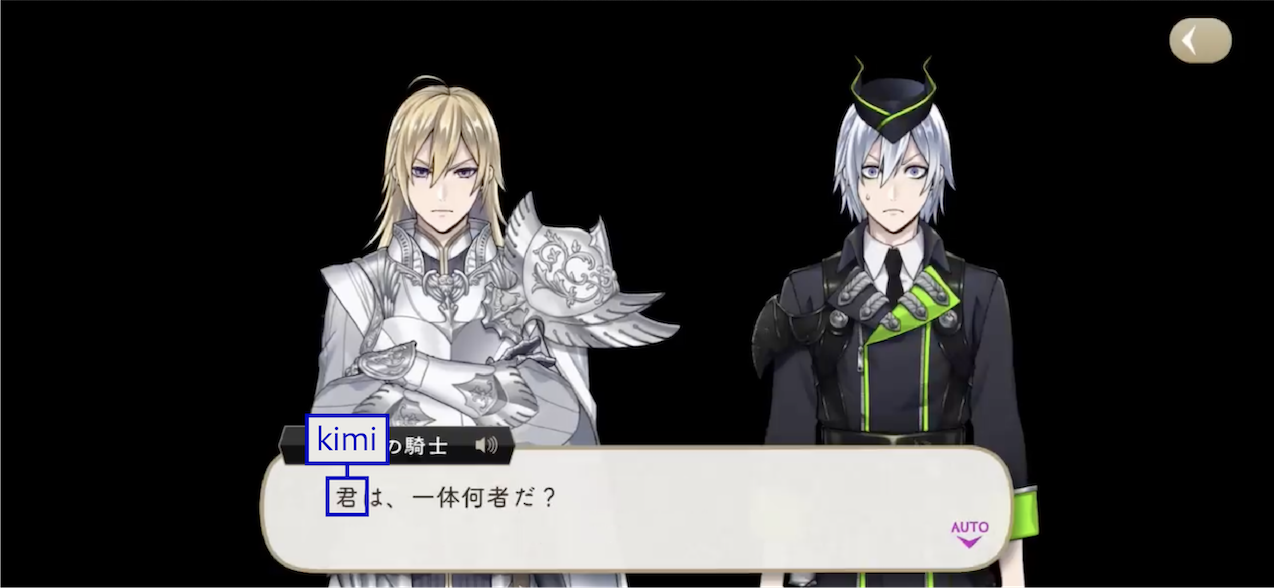
君 (kimi) is how the Dawn Knight addresses Silver.
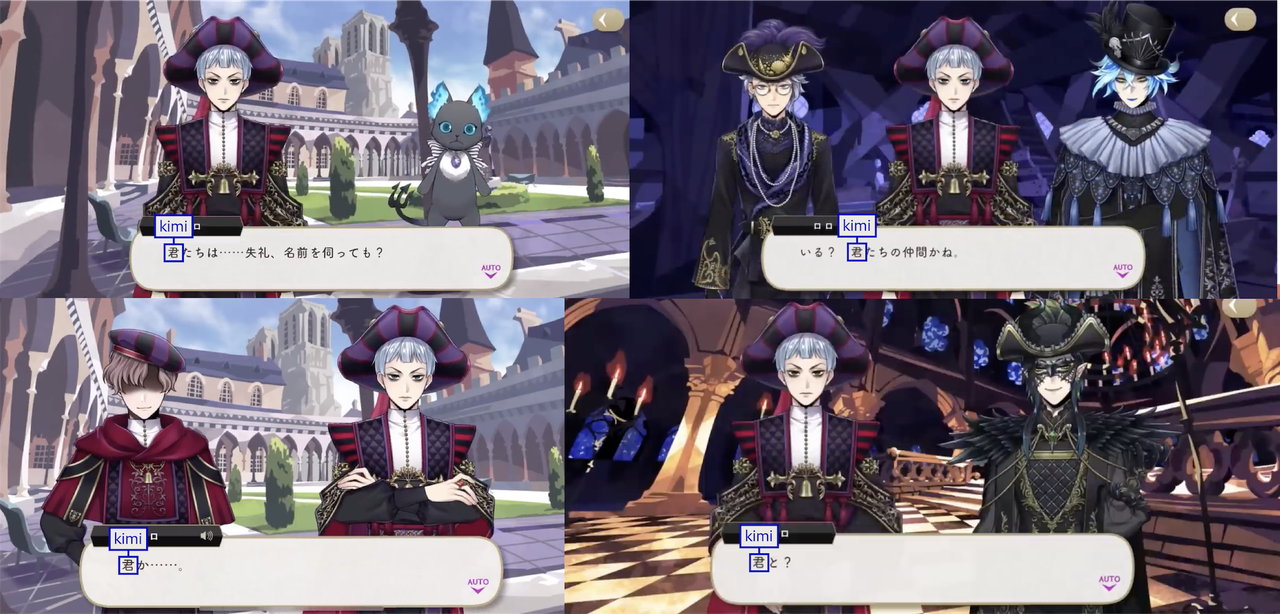
君 (kimi) is the form of “you” that Rollo uses for the first half of Glorious Masquerade (he rotates through three different forms in total).
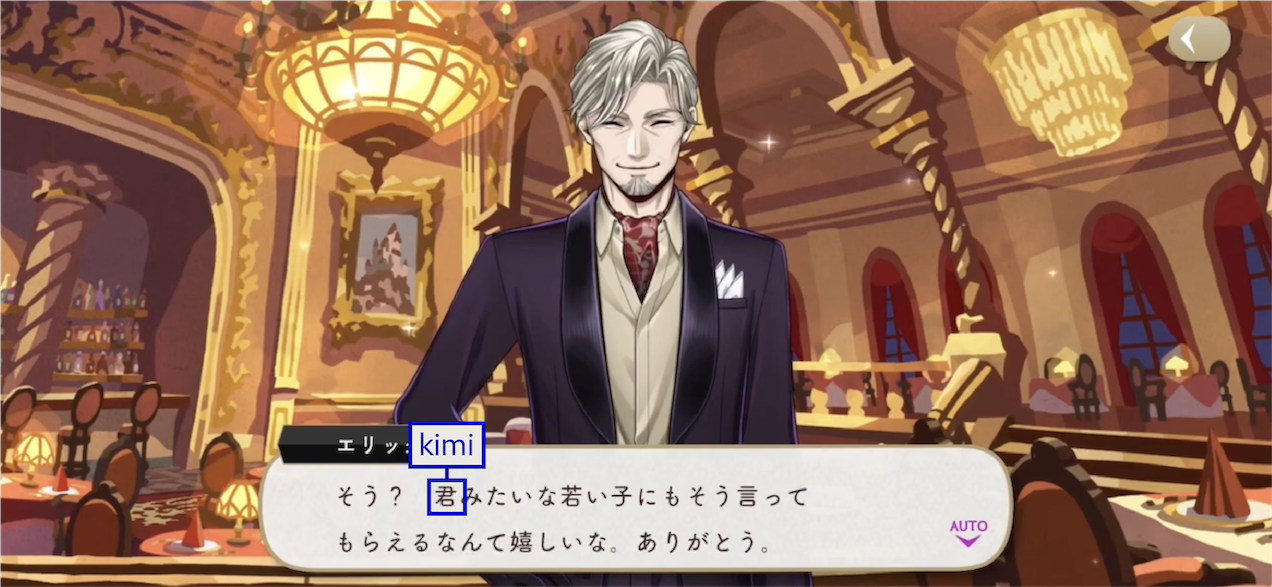
君 (kimi) also used by Vil’s father Eric.
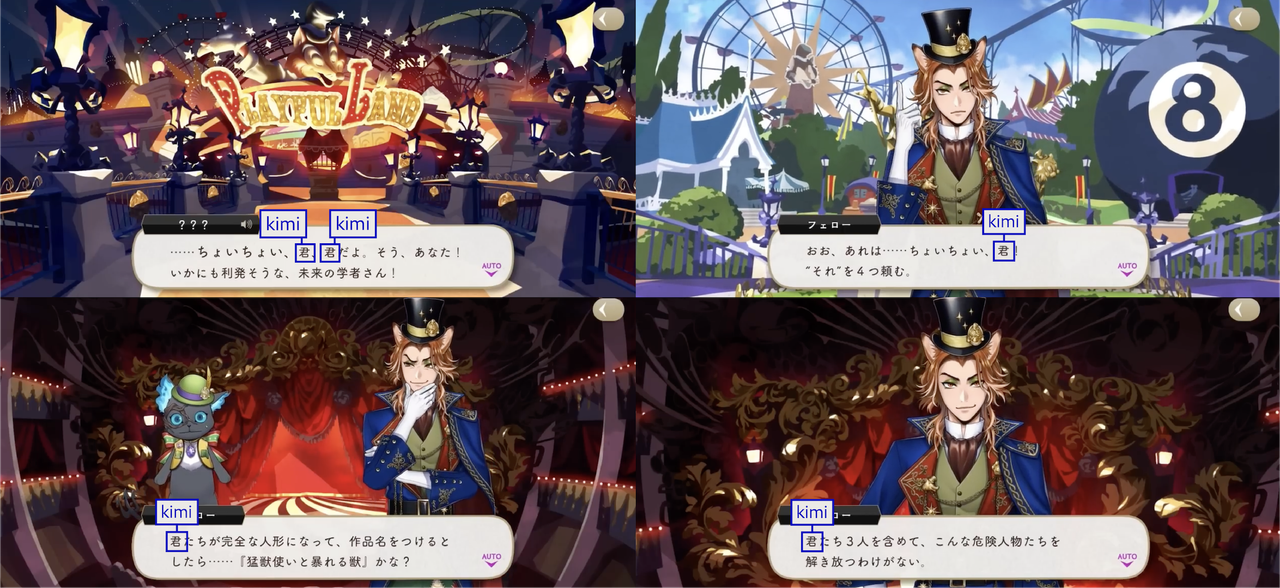
君 (kimi) is one of four different forms of “you” used by Fellow.
貴方 / あなた (anata) is more polite than 君 / キミ (kimi) but still not as polite as using a person’s name with an honorific.
Depending on the situation, it can sound either impersonal/distant or intimate, but like everything to do with language it depends heavily on context! It’s a common way for a wife to refer to her husband, for example, much like “honey” or “dear” in English, but it’s also used on public signage, in textbooks, etc., and can also come across as condescending depending on the role of the speaker in relation to the person being spoken to. Context is everything!
Q: “So it can sound BOTH distant AND intimate? And it’s used affectionately by married couples but can also be condescending?”
A: Yes! The Japanese language’s various “you”s are extremely context dependent!

Riddle switches to あなた (anata) when speaking to the invading CHARON and a STYX engineer, and when speaking to Malleus.
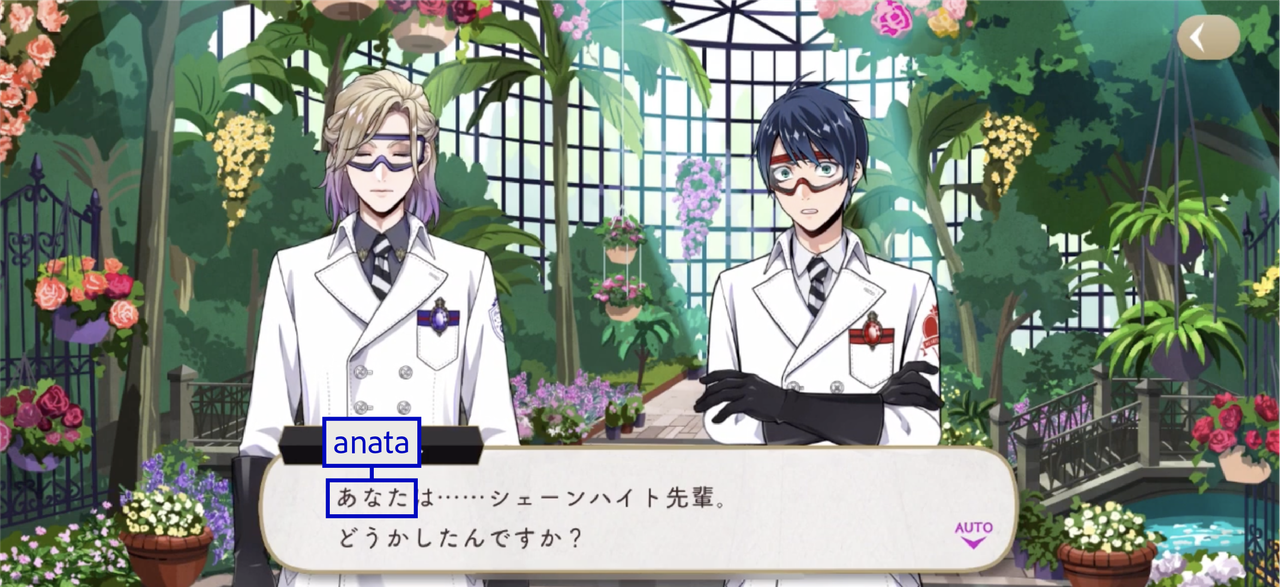
Deuce uses あなた (anata) with Vil in a vignette.
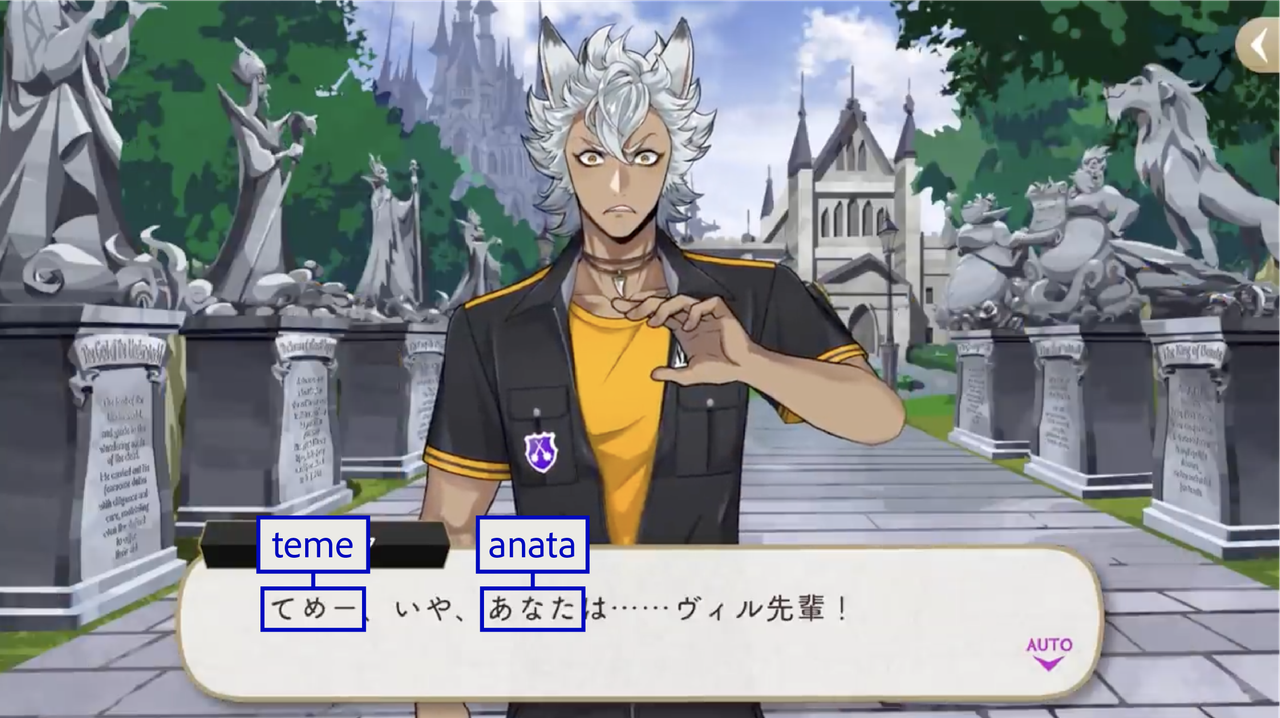
Jack also uses あなた (anata) with Vil, though he starts out with a very rude form of “you” (てめー (teme)) and self corrects once he realizes that it’s Vil to whom he is speaking.
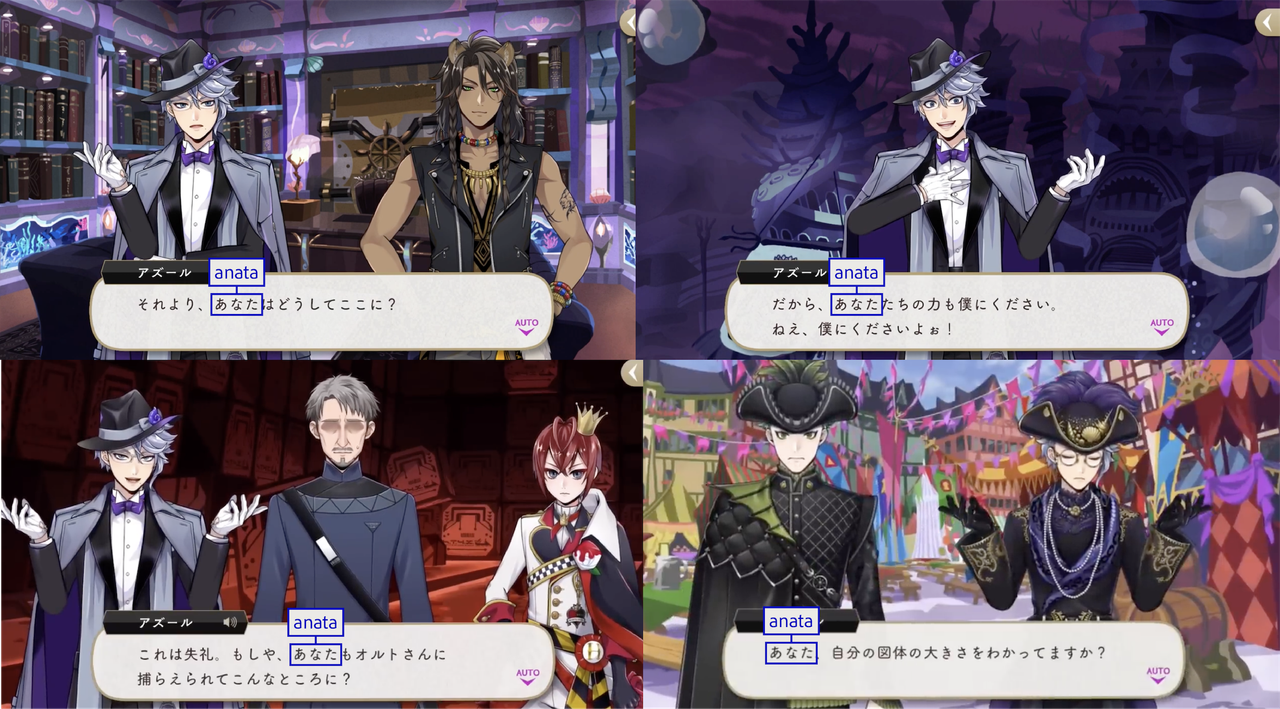
あなた (anata) is the main form of “you” used by Azul.
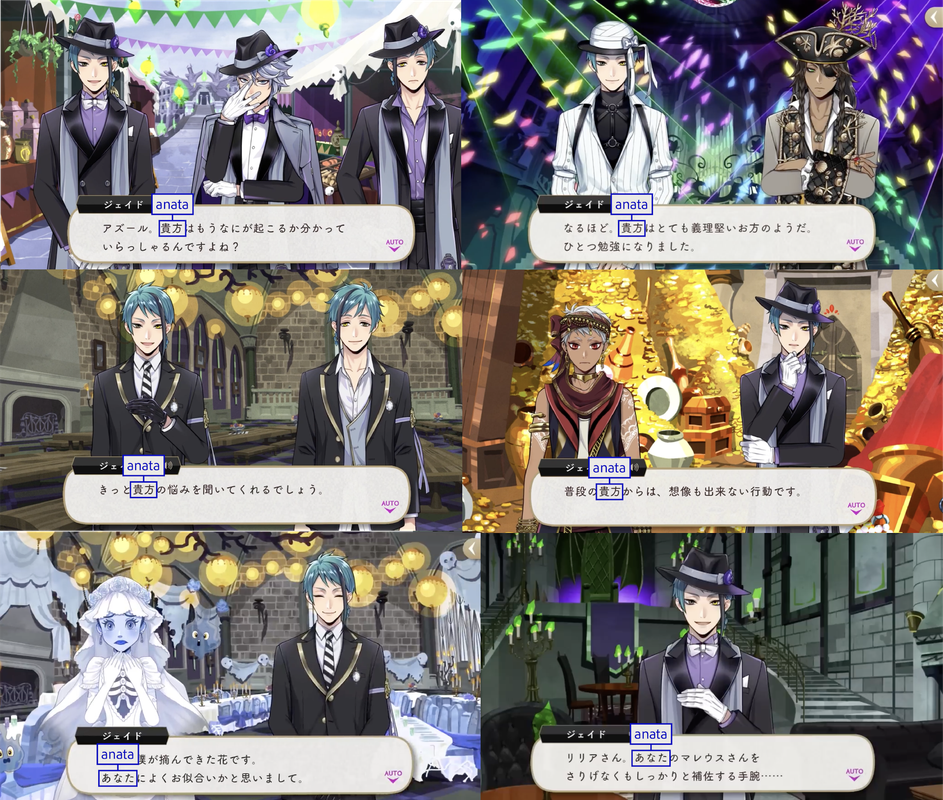
貴方 / あなた (anata) is the only form of “you” that Jade ever seems to use.
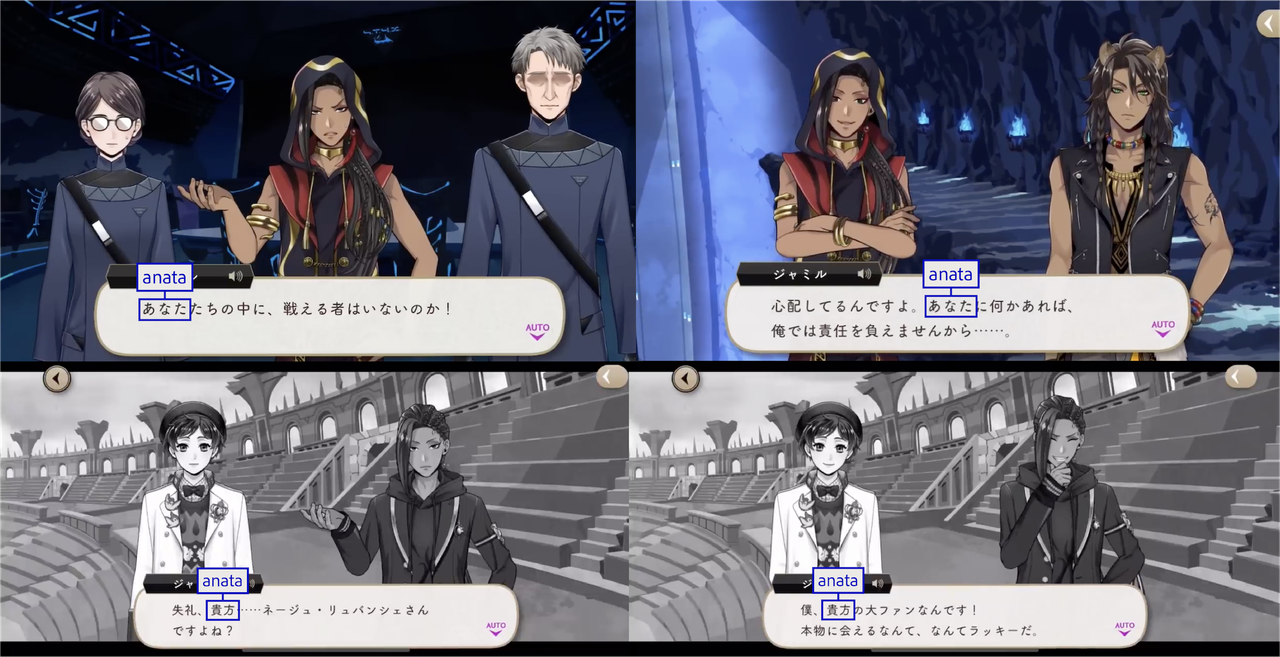
あなた (anata) is one of the various forms of “you” used by Jamil. He also uses it in kanji form (貴方) with Neige.
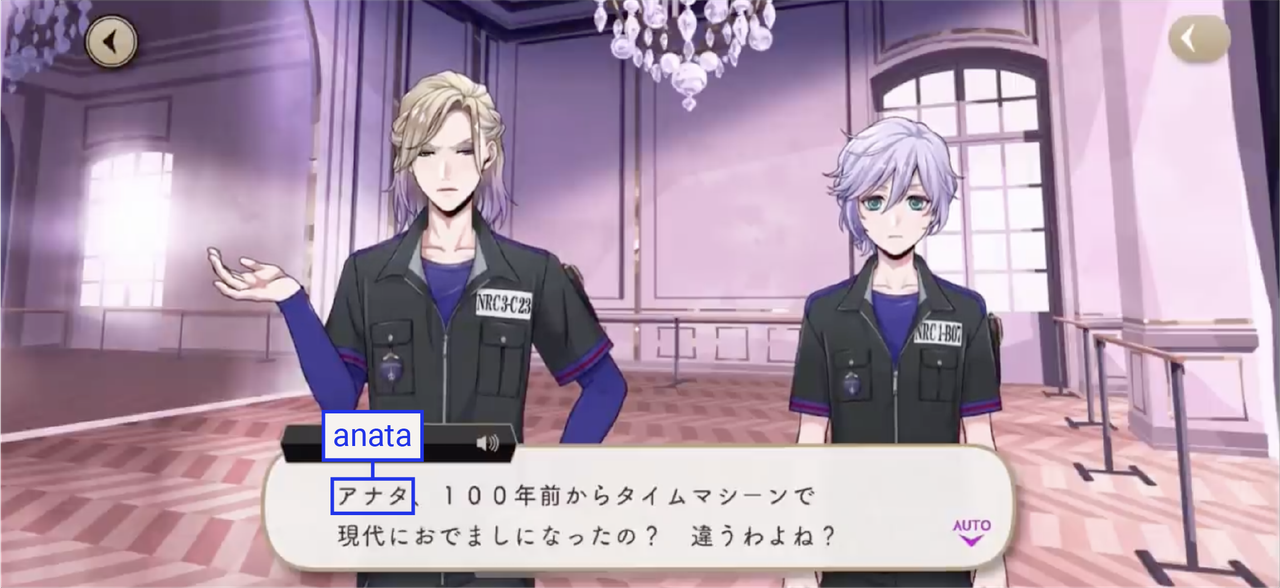
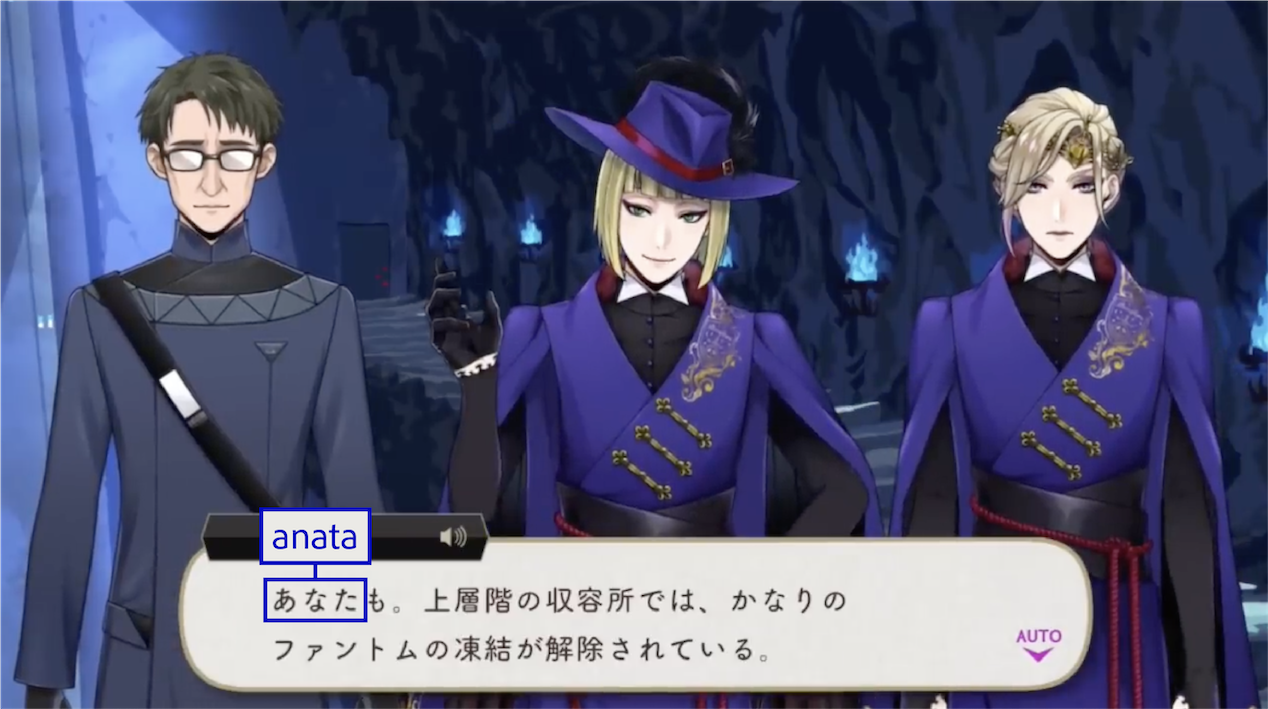
Vil mostly uses アンタ (anta), but アナタ (anata) has come up as well. Rook uses あなた (anata) with a STYX engineer.
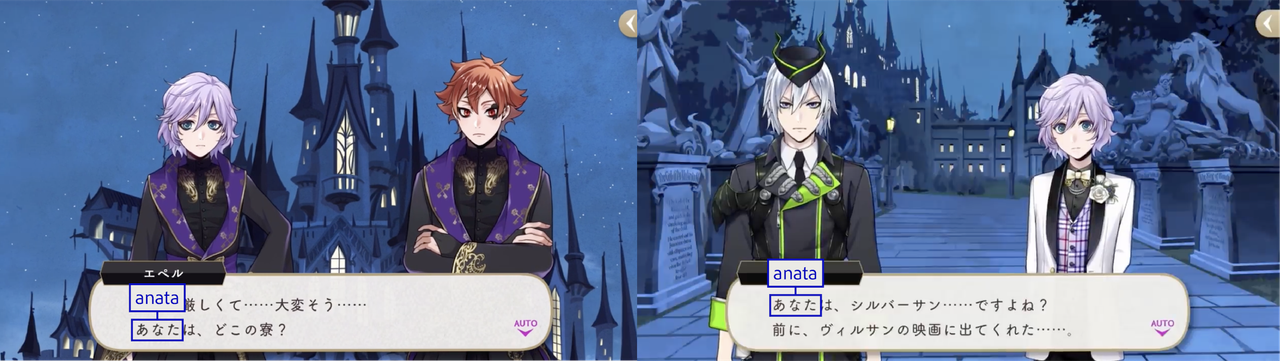
Epel uses あなた (anata) upon meeting Ace and Silver for the first time.
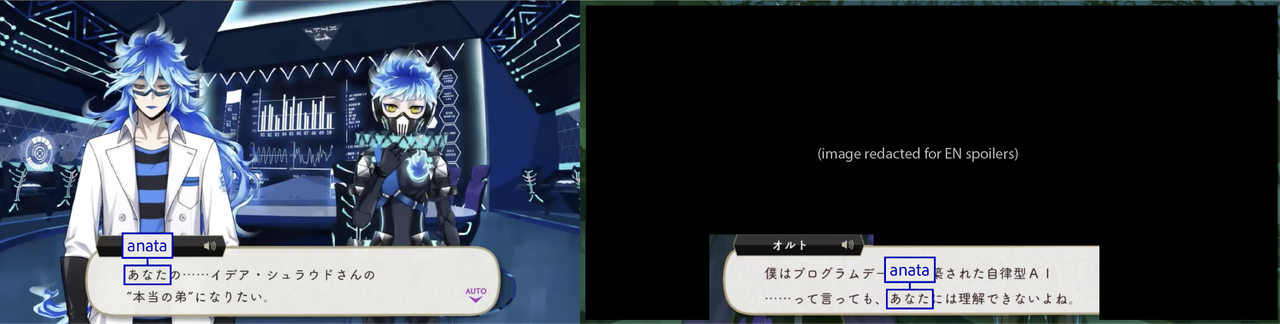
In a rare exception for Ortho (who usually uses 君 (kimi)), he refers to Idia as あなた (anata) after Idia dismisses him from his role as his little brother, and he uses it with Malleus.
General Lilia uses あなた (anata) just once when speaking with Maleanor.
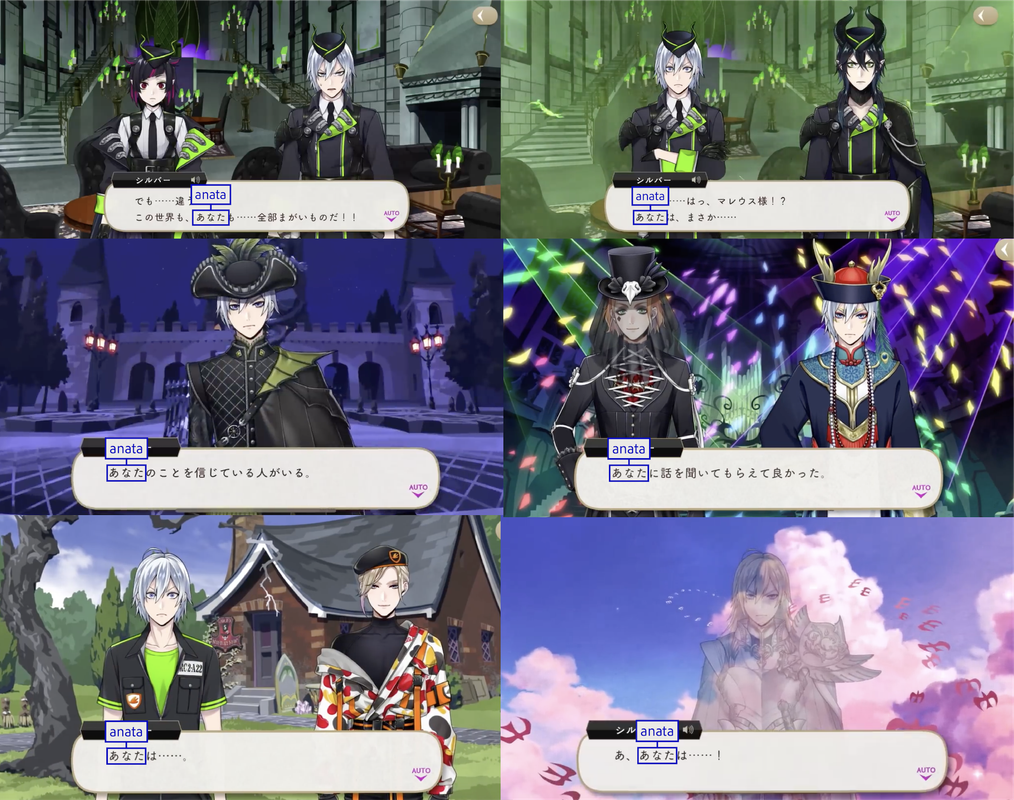
あなた (anata) is often Silver’s go-to form of “you” for upperclassmen such as Lilia, Malleus, Idia, Cater and Vil, and he also uses it for the Dawn Knight.
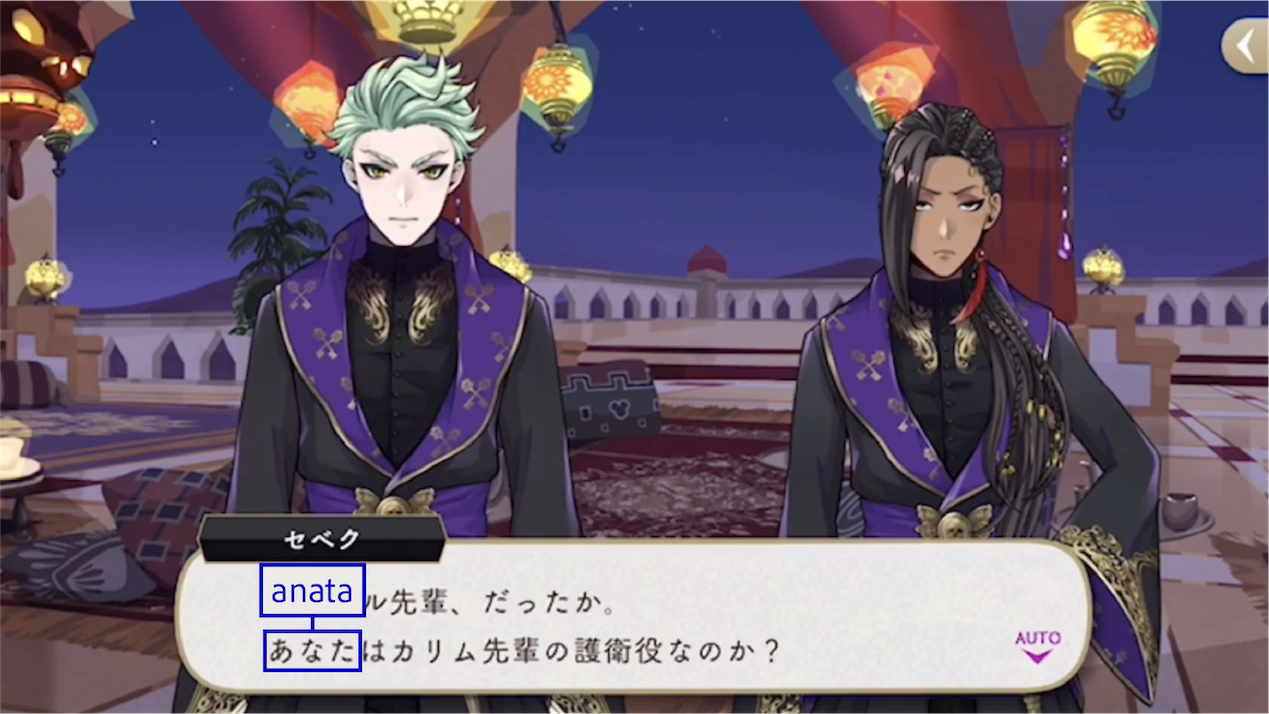
Sebek possibly only uses あなた (anata) rarely, such as after meeting Jamil for the first time and being impressed by his skills as Kalim’s bodyguard.
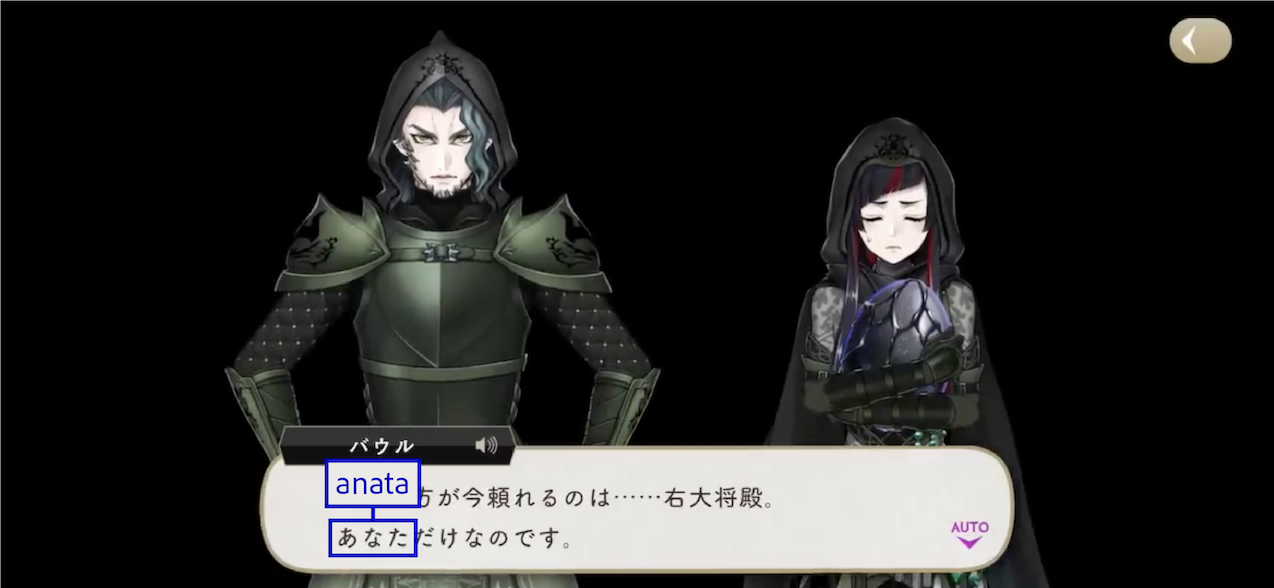
Baul does not seem to use あなた (anata) with anyone but Lilia.
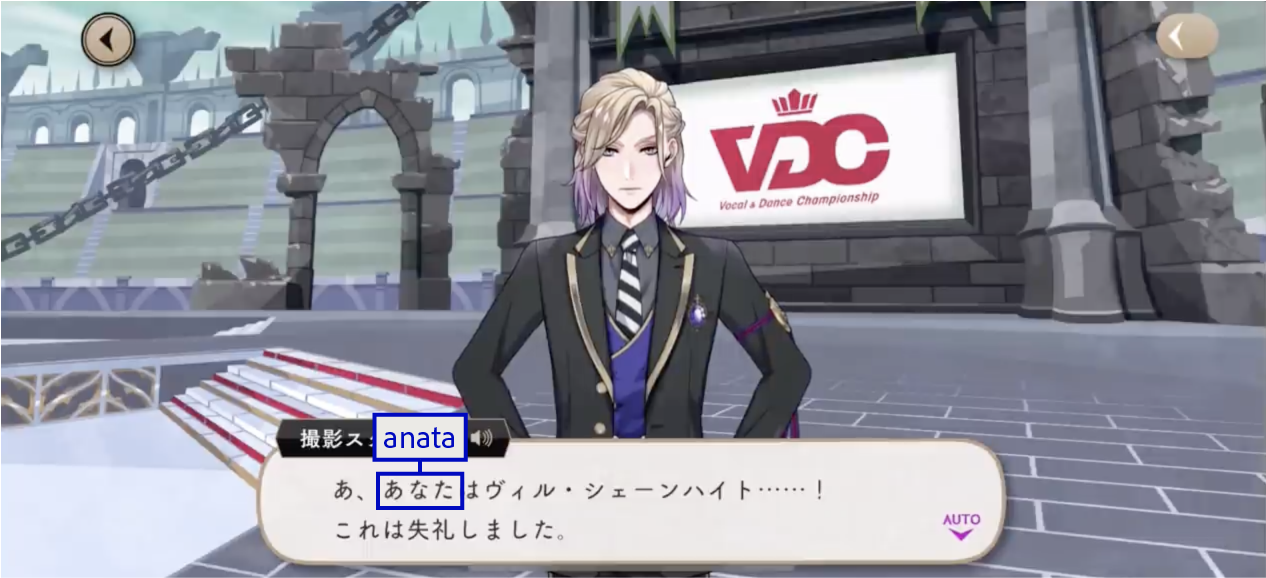
Television staff use あなた(anata) when speaking with Vil.
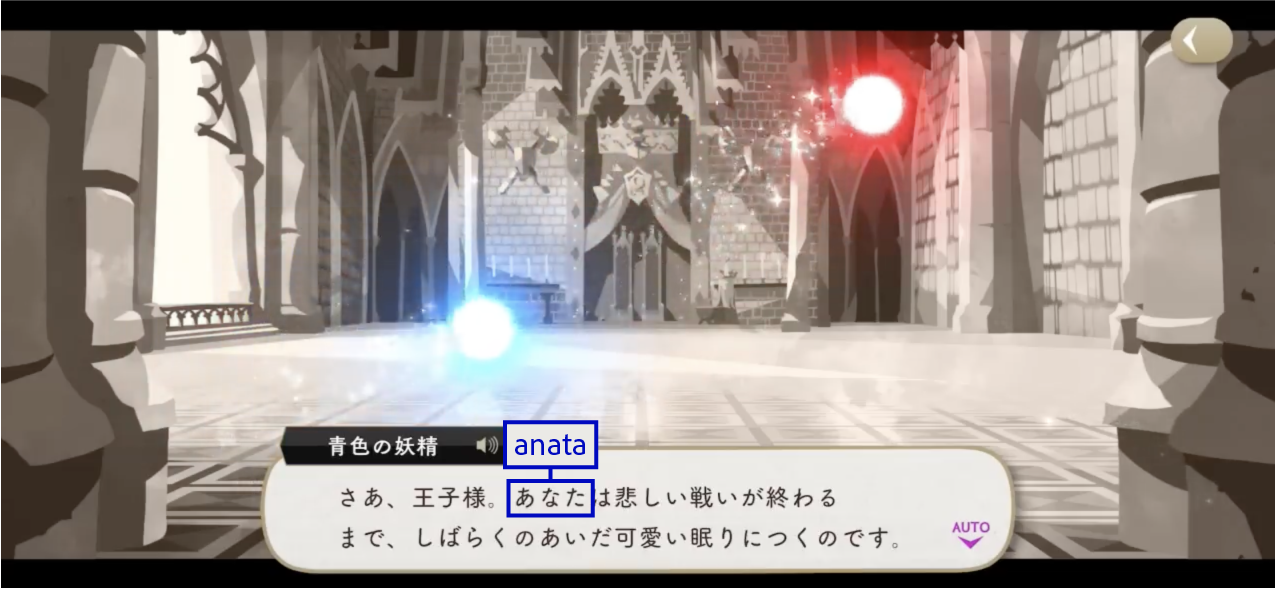
Diurnal fairies use あなた (anata) in reference to infant Silver.
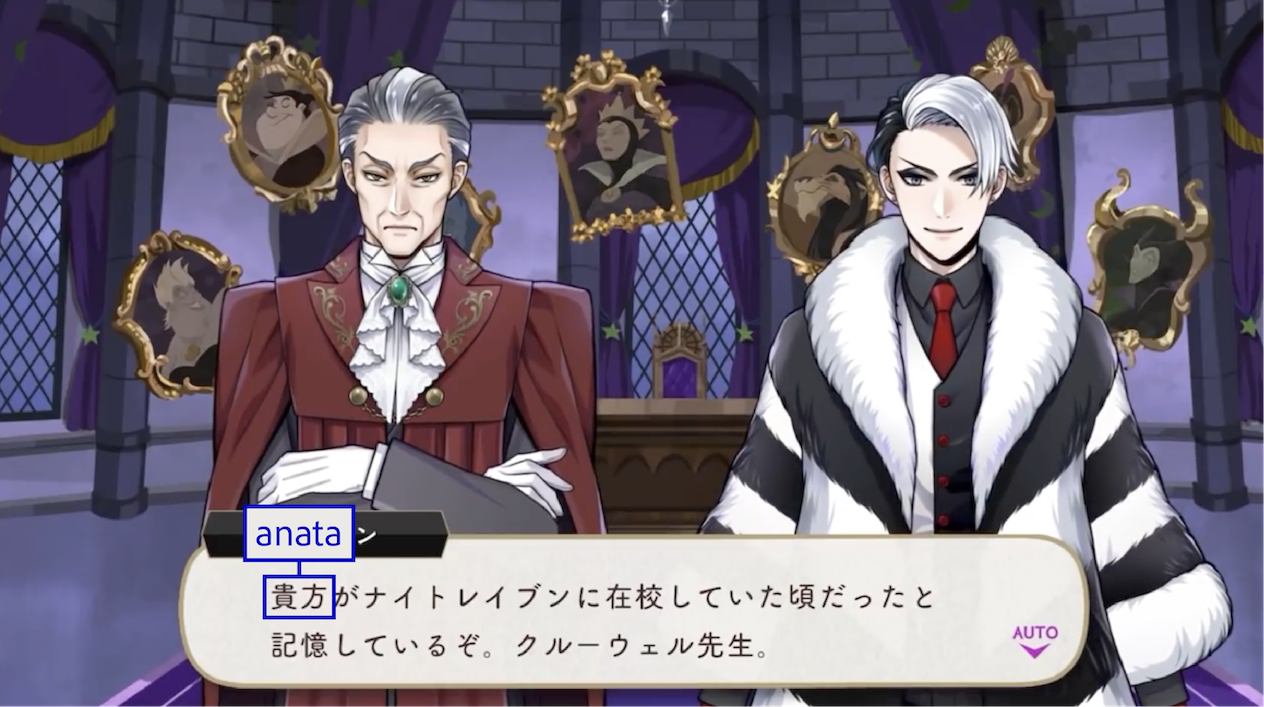
Trein uses あなた (anata) in reference to Crewel.
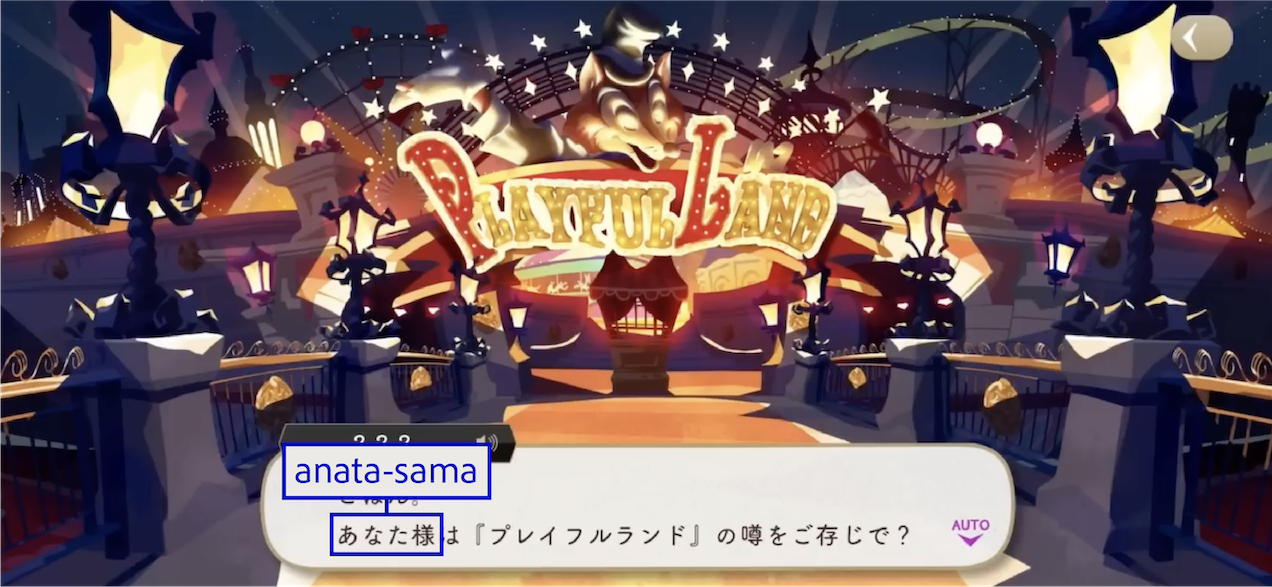
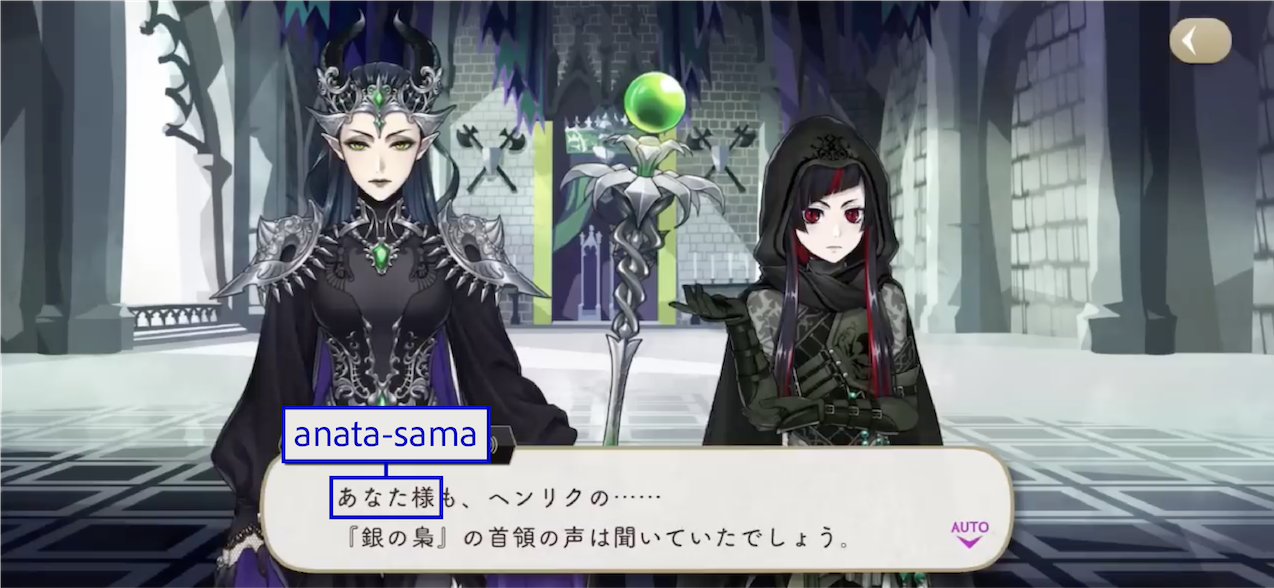
Fellow uses it with his employer as well as using あなた様 (anata-sama) when speaking with an unknown visitor.
あんた / アンタ (anta)
あんた / アンタ (anta) is a casual form of “you” that is less polite than あなた (anata). Much like 君 (kimi) and 貴方 (anata), it can also range from endearing to confrontational depending upon context! (Many thanks to @/irafuwas for so much help with this post!!)
It can be used between close friends and family but also to express anger and sound condescending or dismissive.
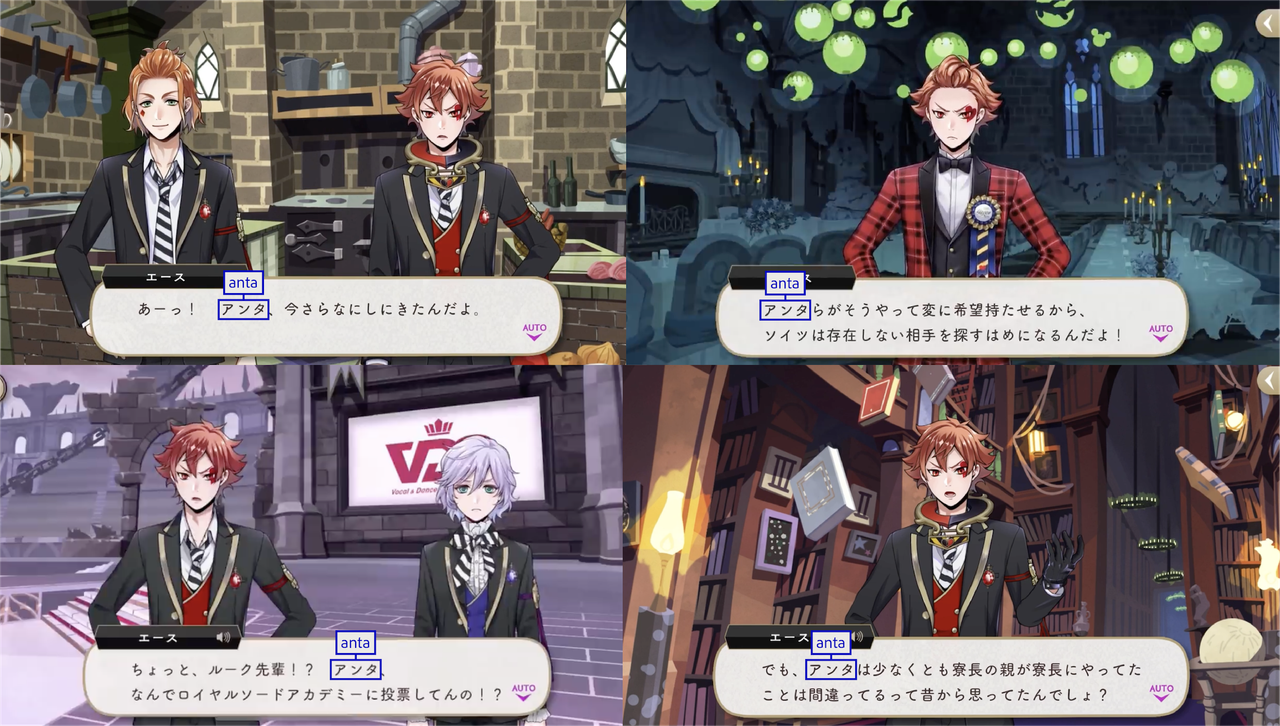
アンタ (anta) is one of Ace’s main forms of “you.”
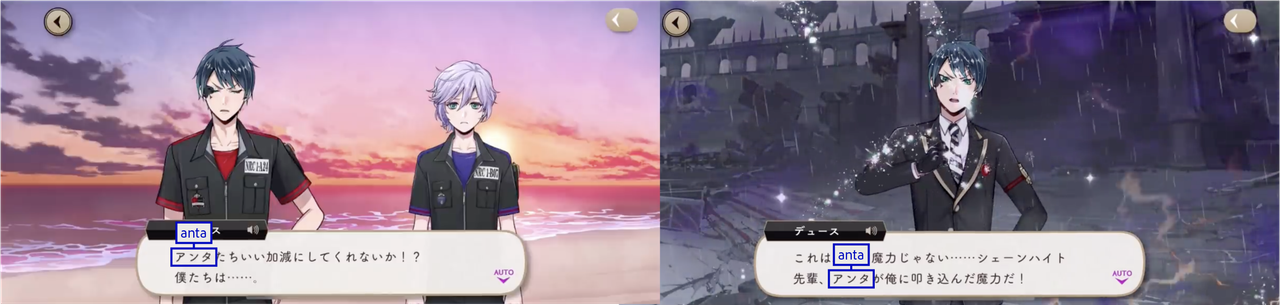
Deuce might use アンタ (anta) more rarely.
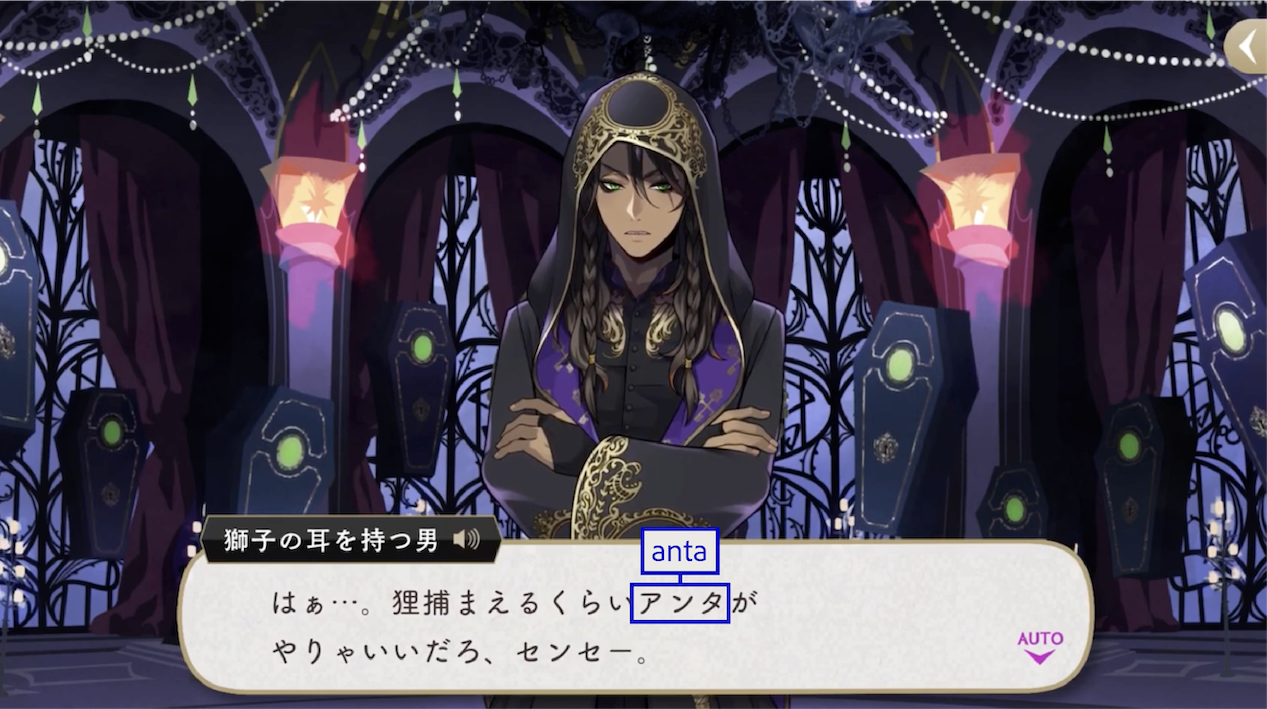
Leona also rarely uses アンタ (anta), such as with Crowley during the prologue.
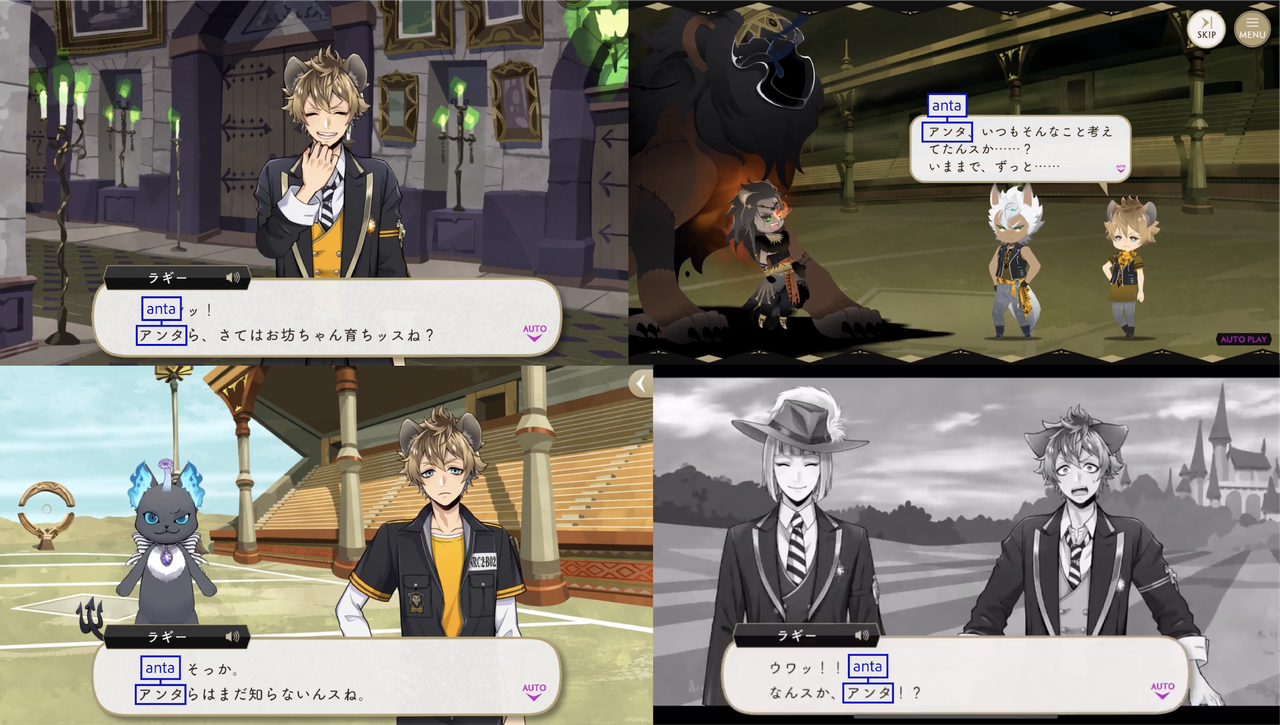
アンタ (anta) is one of Ruggie’s two preferred forms of “you,” and there’s a significant moment in Book 2 when he uses it to refer to Leona for the first time.
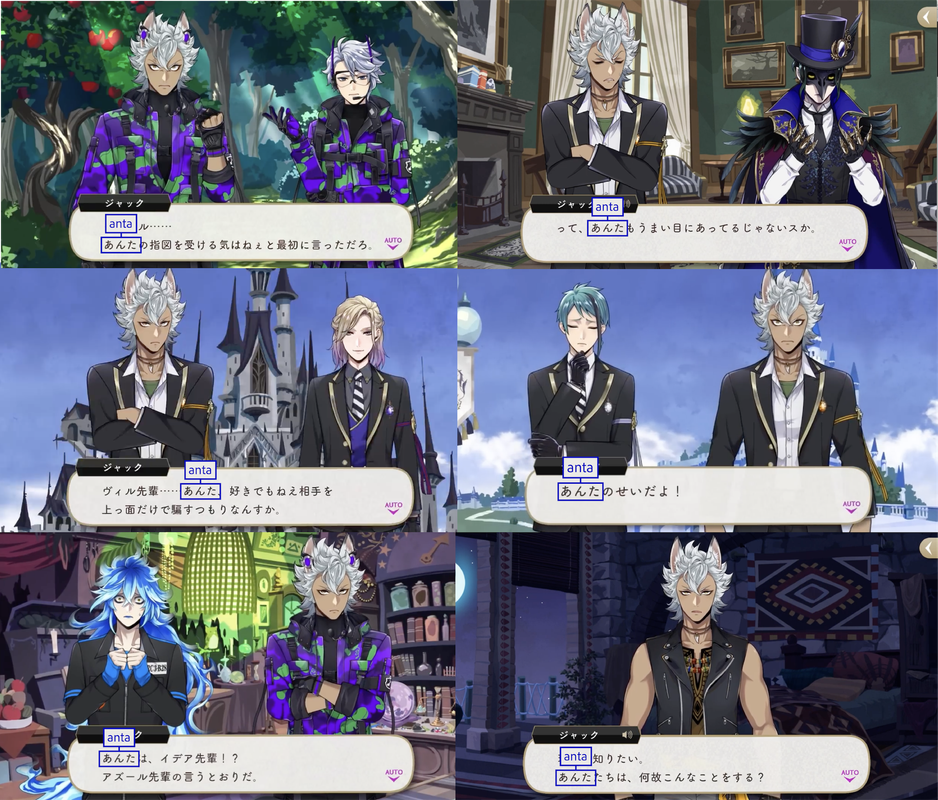
あんた (anta) is one of the four forms of “you” that Jack rotates through consistently, generally used with his upperclassmen.
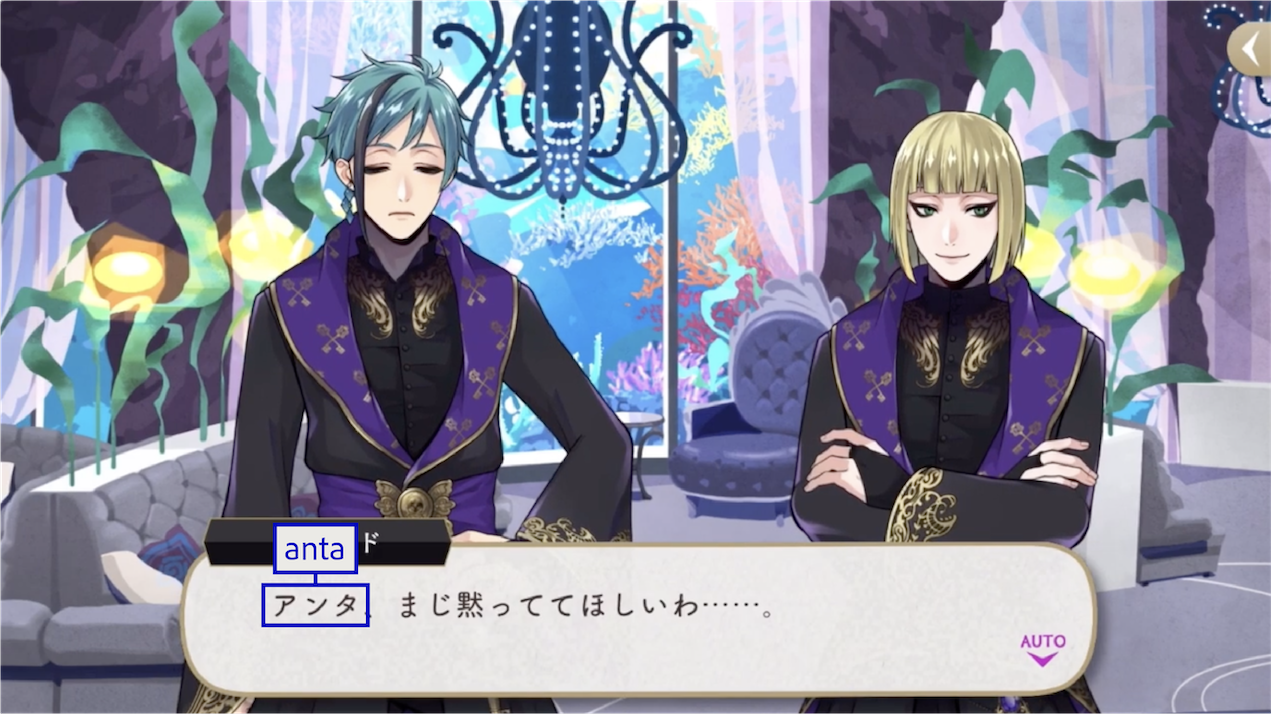
アンタ (anta) is also one of the forms used by Floyd.
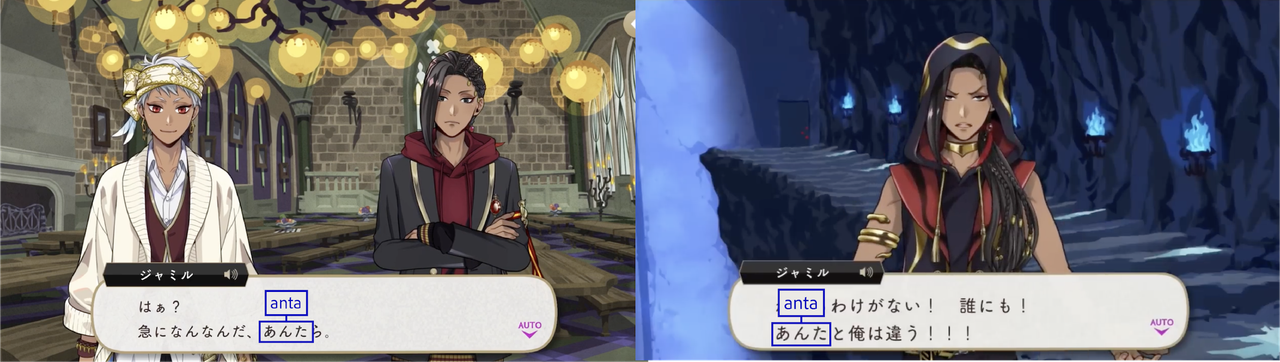
アンタ (anta) is also one of the five forms of “you” that we have seen Jamil use.
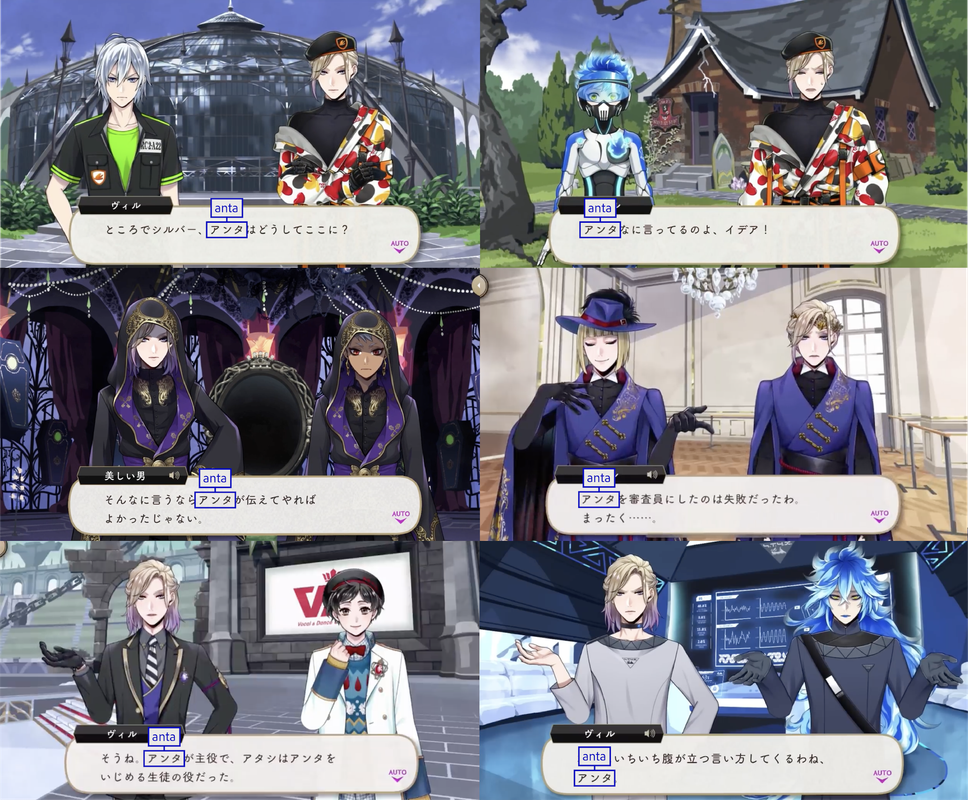
Vil seems to use アンタ (anta) almost exclusively, with at least one exception: during his overblot.
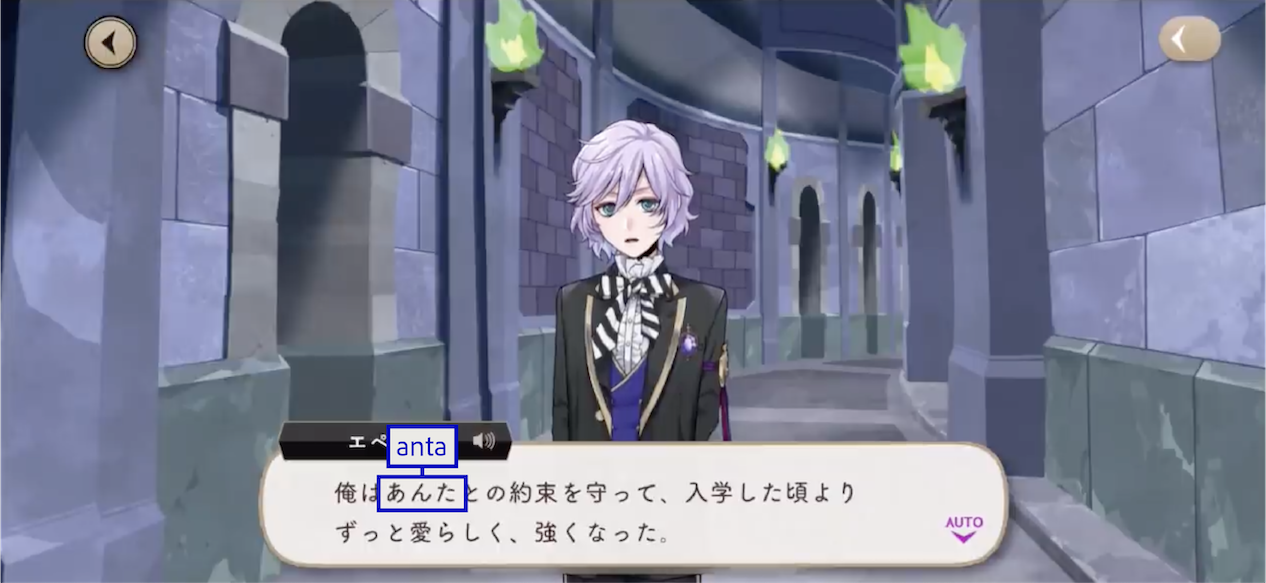
Epel will also use あんた (anta).
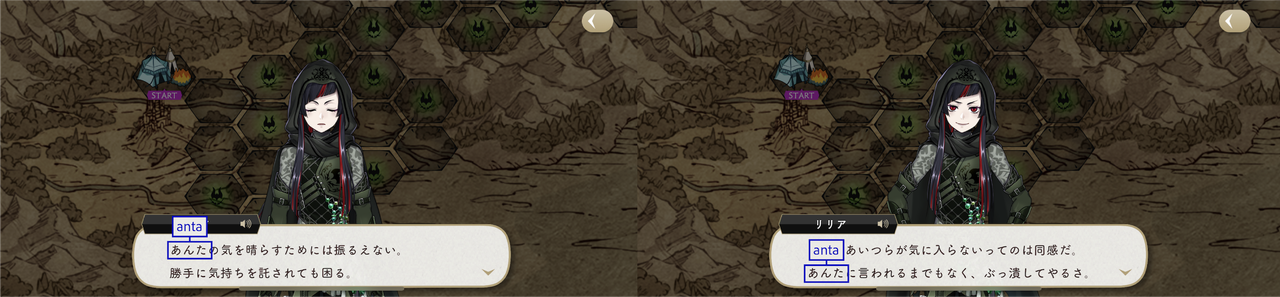
General Lilia uses あんた (anta) at least once, when speaking to a Land of Briar citizen.
お前 / おまえ (omae)
お前 / おまえ (omae) is very casual and blunt, less polite than both 君 (kimi) and 貴方 (anata), and can often be seen as rude or confrontational. (Many thanks to @/irafuwas for so much help with this post!!)
Like everything, however, it’s highly context-dependent, and can also be used to express closeness between friends. In other situations it can imply a position of superiority of the speaker over the person being spoken to, or it can sound aggressive or insulting.
It’s very region dependent and more accepted in some areas than others, but you shouldn’t use it in polite situations and can be seen as offensive if used to address a stranger or superior.
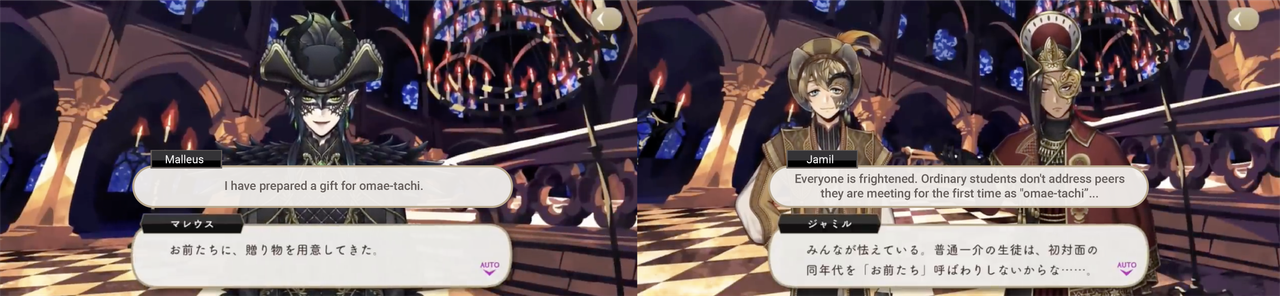
Malleus using お前 (omae) in an inappropriate situation is called out within the game itself: Jamil comments on how Malleus likely shocked the attendees of the Noble Bell College social by addressing them as the plural form of “omae.”
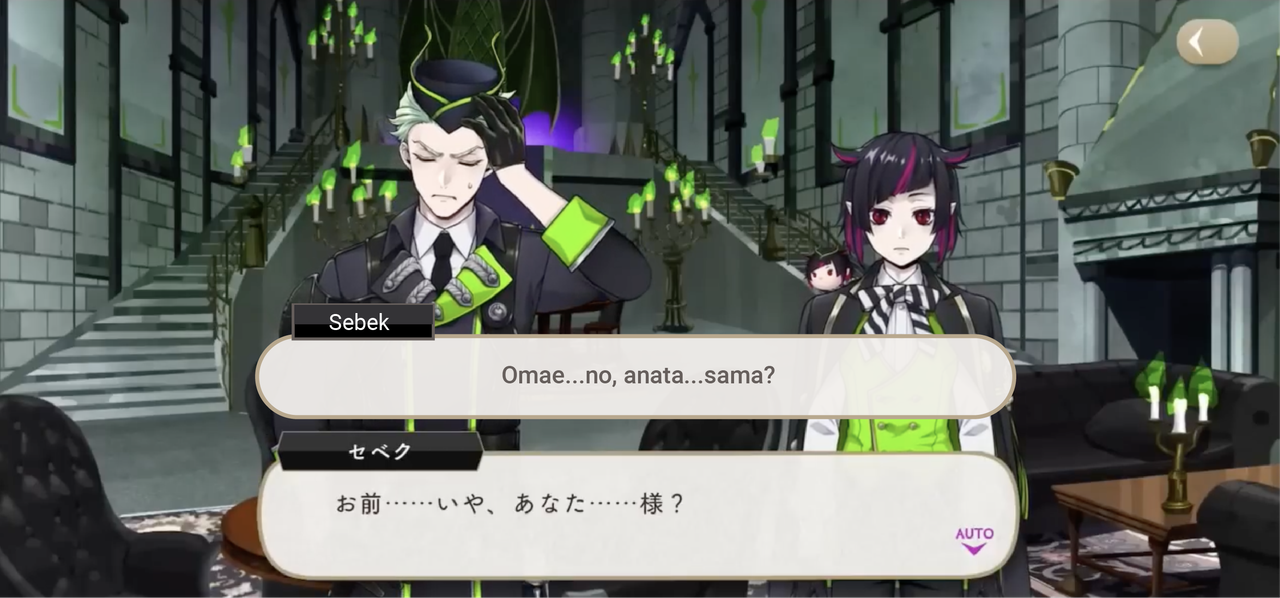
When met with Lilia’s tsum, Sebek struggles with whether or not to use the potentially condescending-sounding “omae,” wondering if he should use “anata-sama” instead as it is a tsum that looks like Lilia.
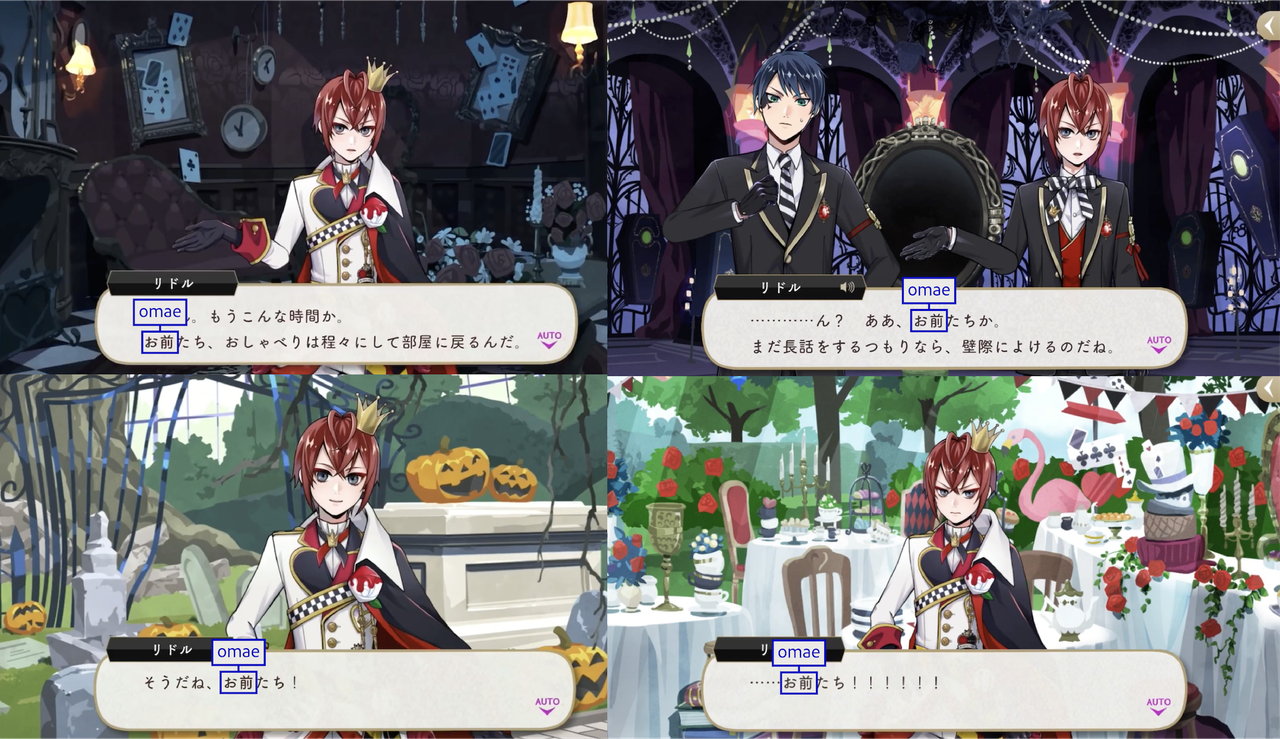
Riddle possibly uses お前 (omae) mostly with members of Heartslabyul.
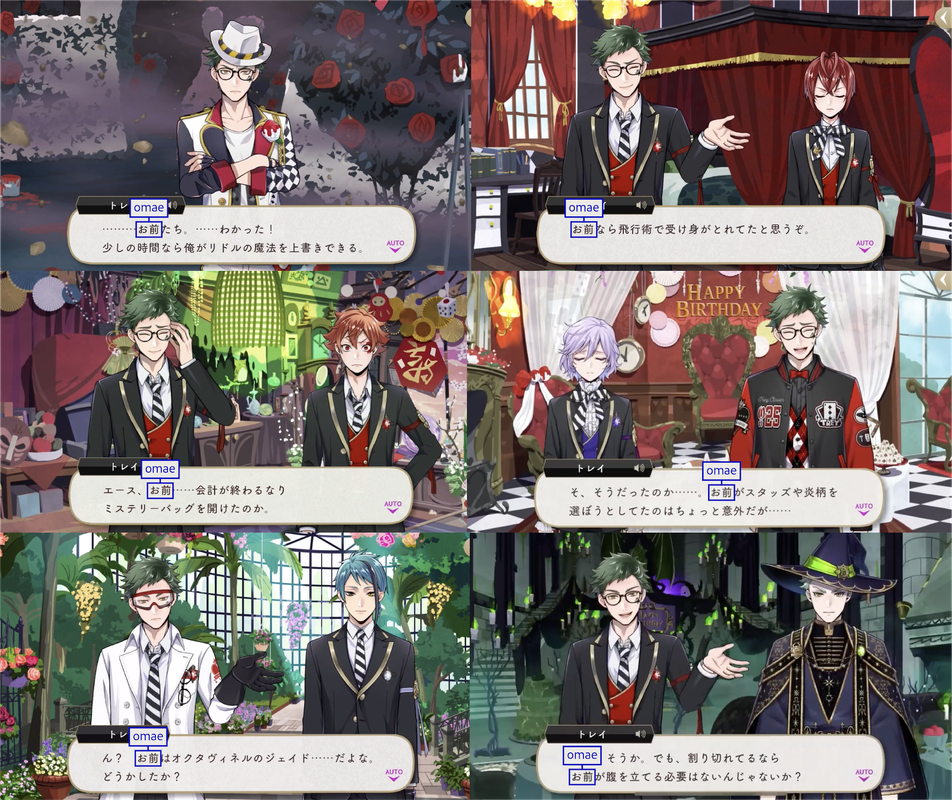
お前 (omae) seems to be Trey’s preferred form of “you.”
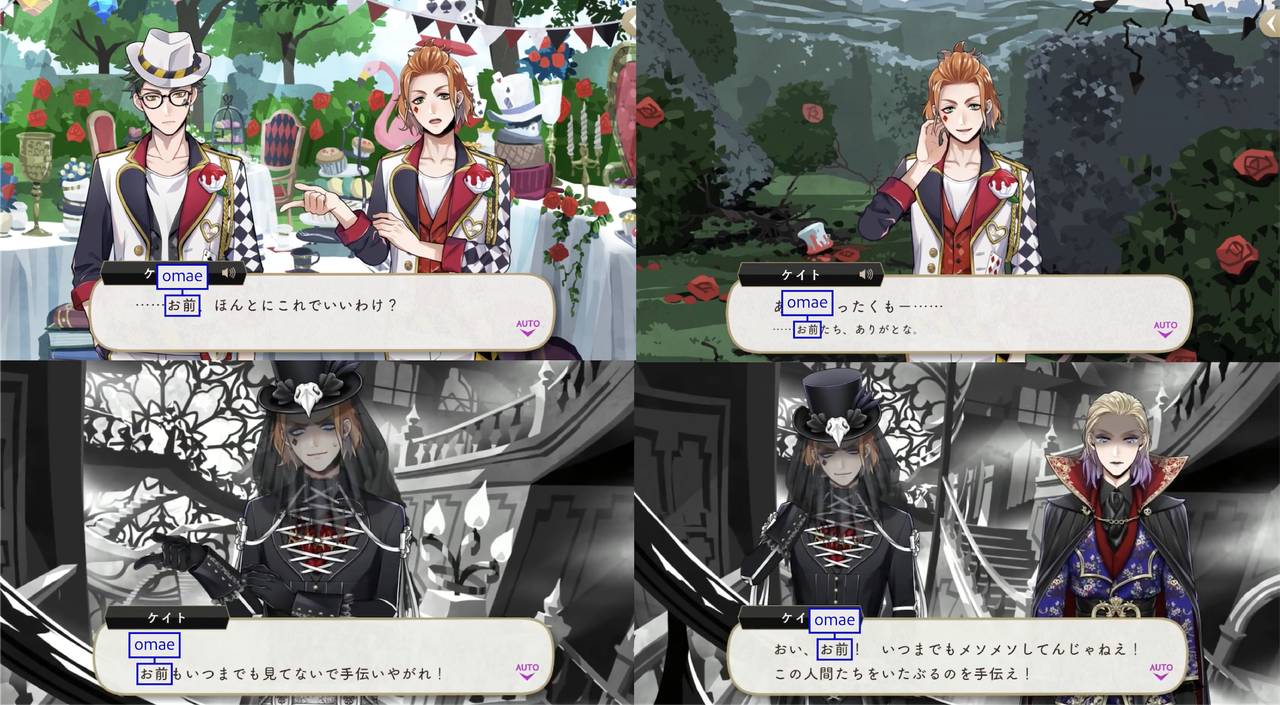
Not including his ghost possession, Cater possibly only ever uses this form of “you” twice: once when expressing concern about Riddle to Trey, and once when whispering his thanks to the first-year group for helping save Riddle from his overblot, though they don’t seem to hear him.
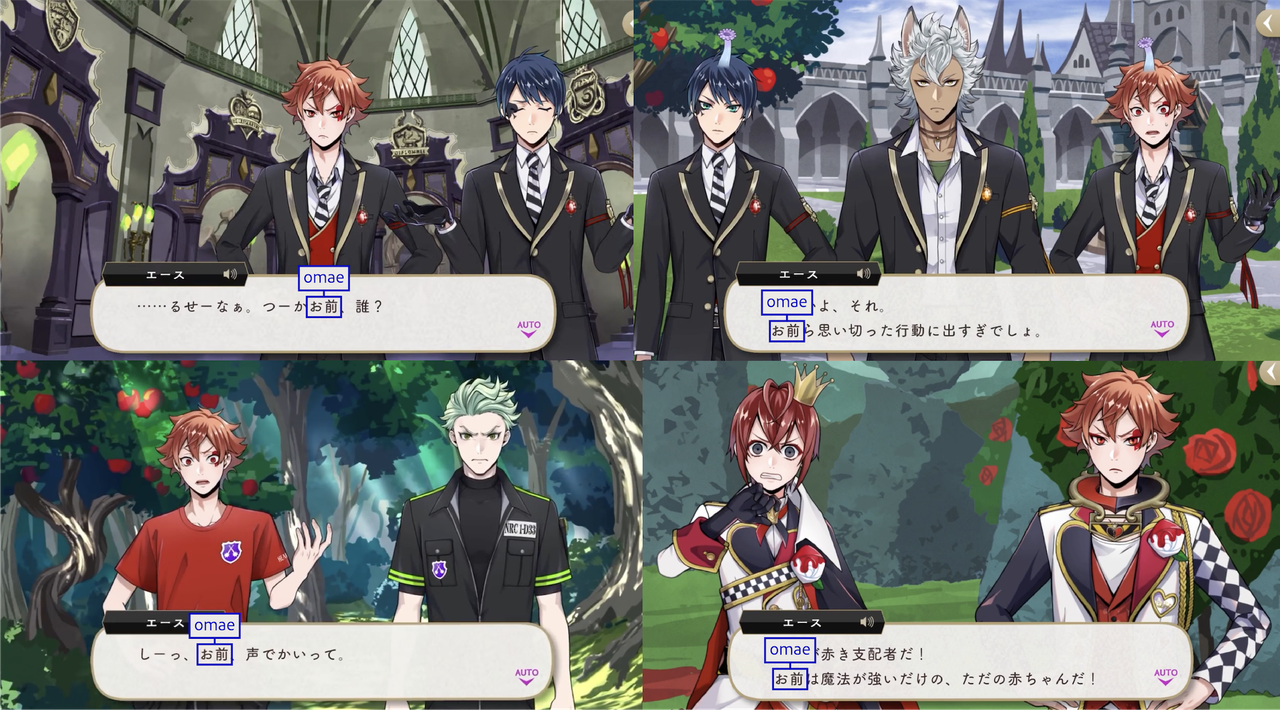
お前 (omae) is one of Ace’s two preferred forms of “you,” which he might use mainly with the other first-year students but also when talking down to Riddle.
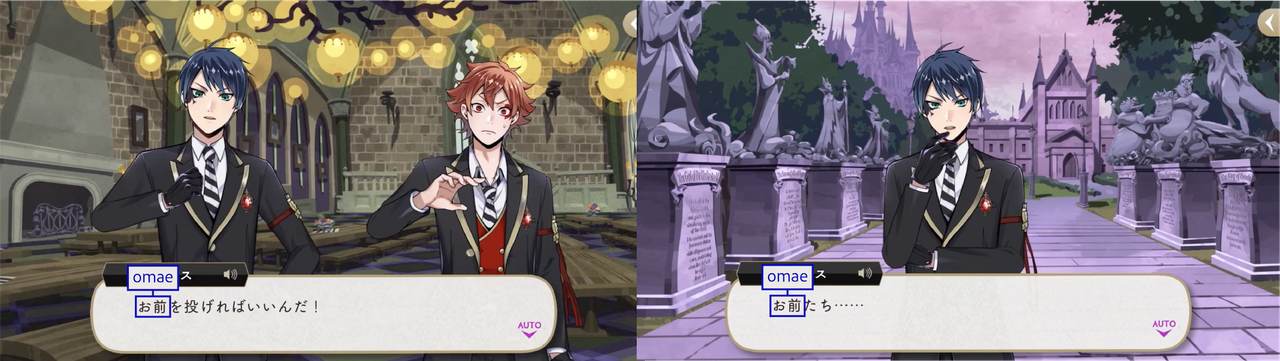
お前 (omae) is also a go-to form of “you” for Deuce, who uses five different forms in total.
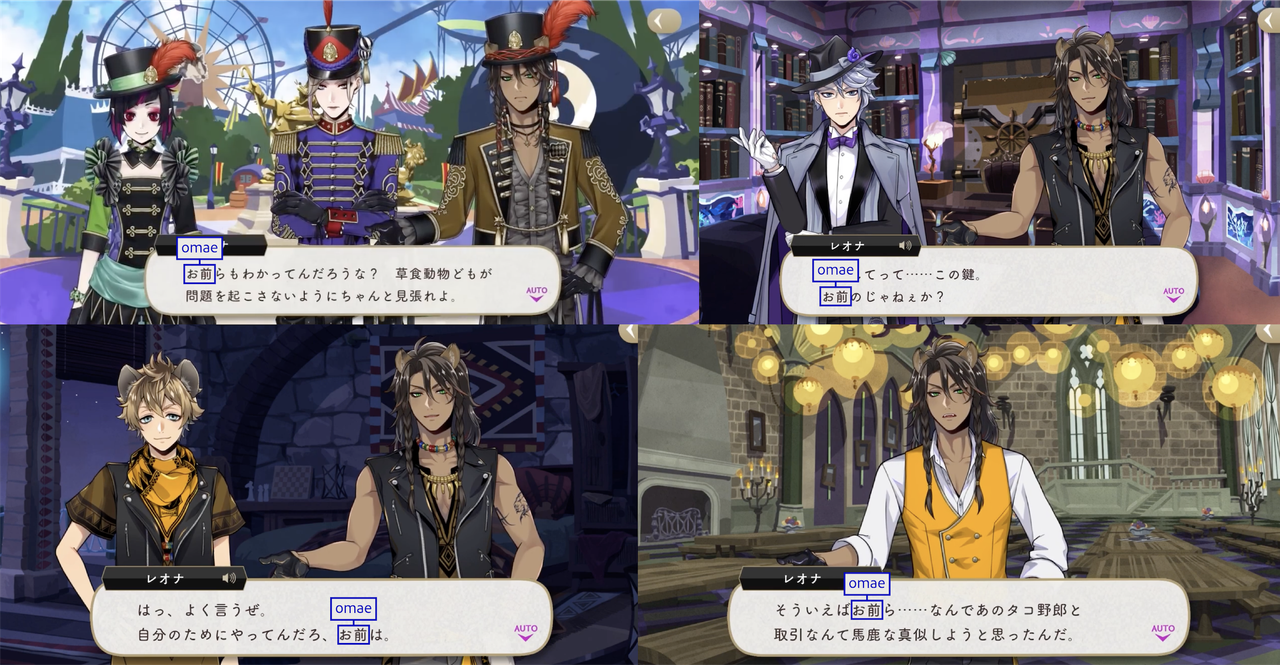
Leona seems to have two preferred forms of “you” and お前 (omae) is one of them.
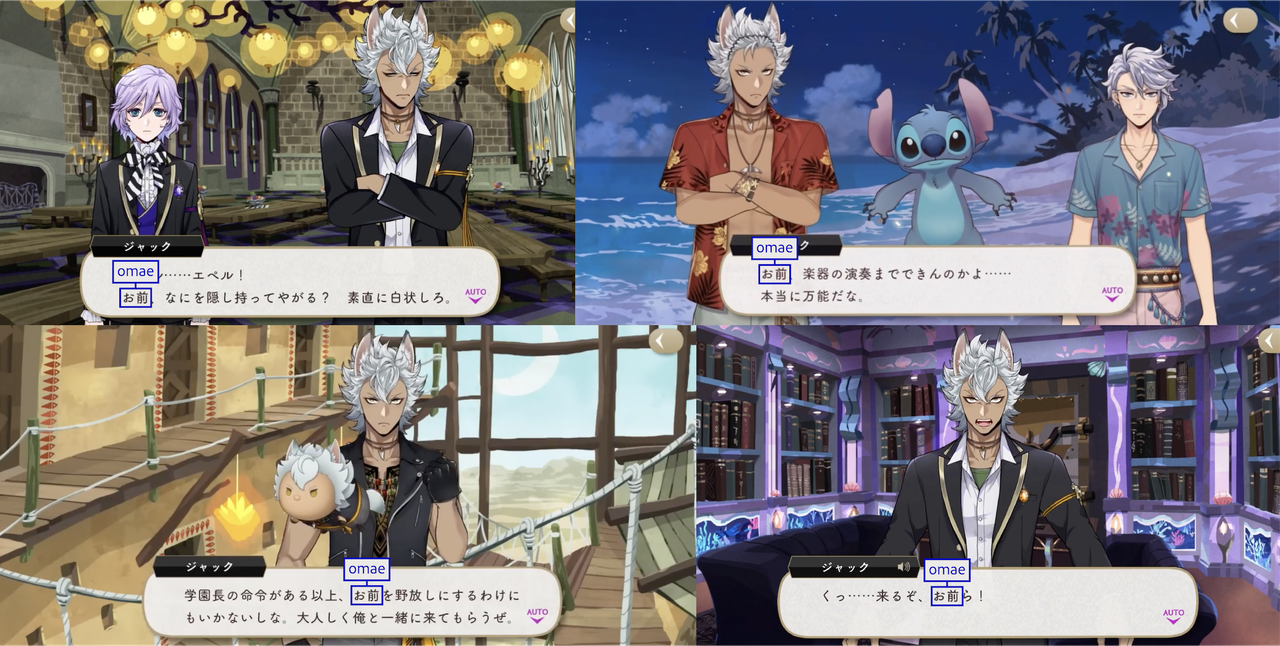
お前 (omae) is the form of you that Jack tends to use the most with other first-year students, and he additionally uses it with his tsum, Stitch, and sometimes with Octavinelle.
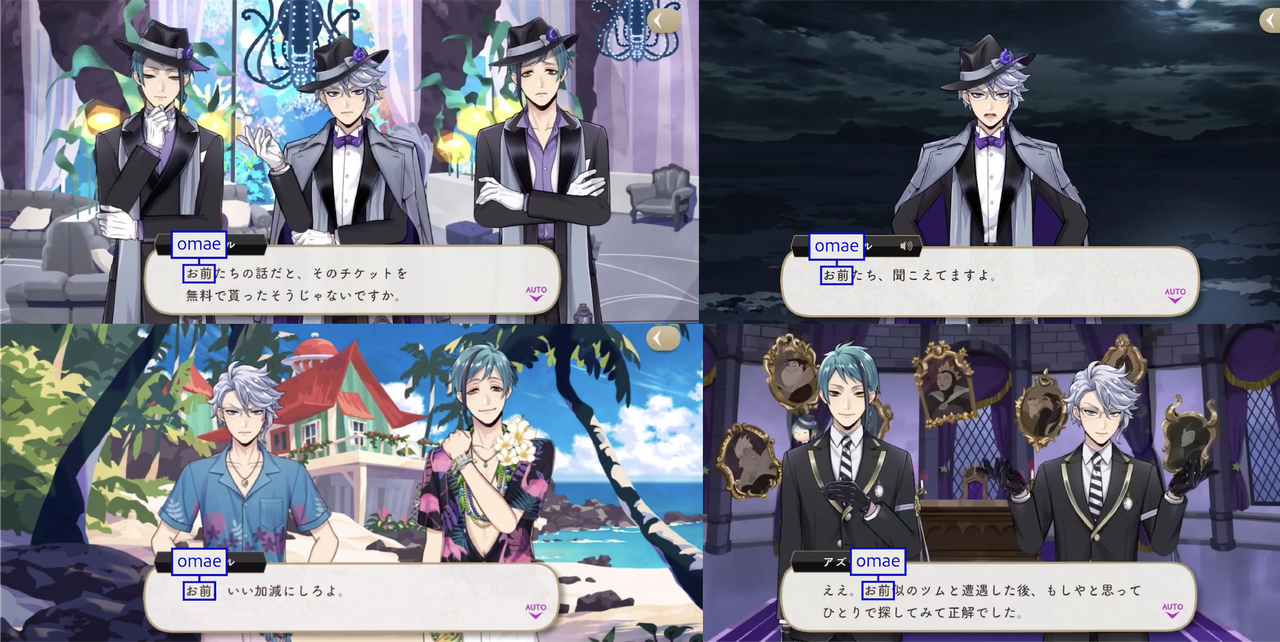
Azul will occasionally use the お前 (omae) form of “you,” though maybe mostly with Jade and Floyd.
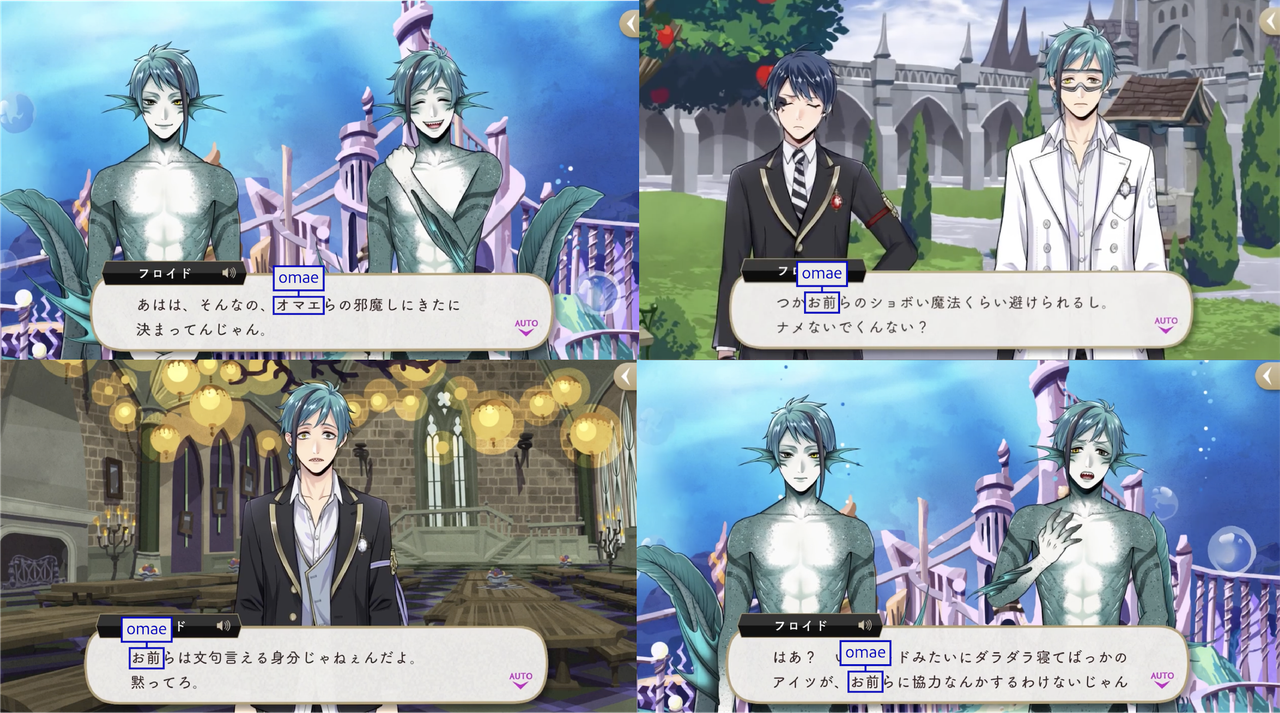
お前 / オマエ (omae) might be Floyd’s preferred form of “you” out of the three that he uses.
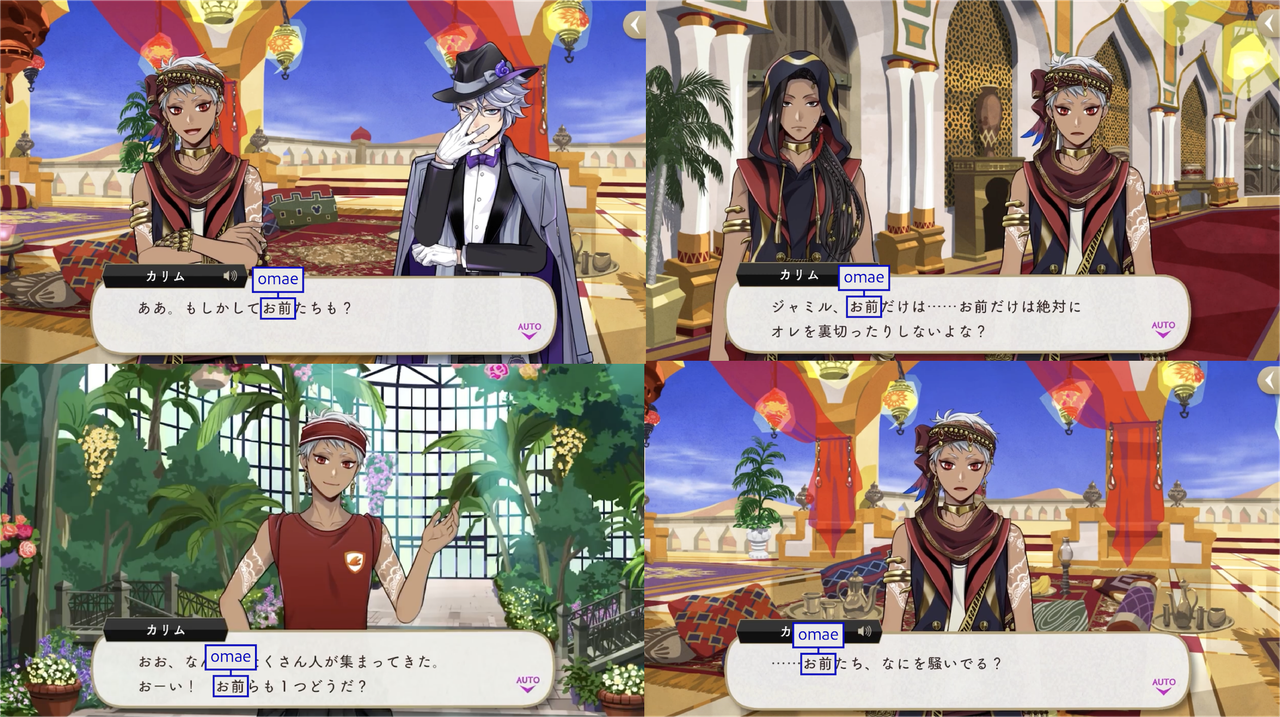
Kalim seems to use the お前 (omae) form of “you” exclusively (outside of when he was possessed by a ghost).
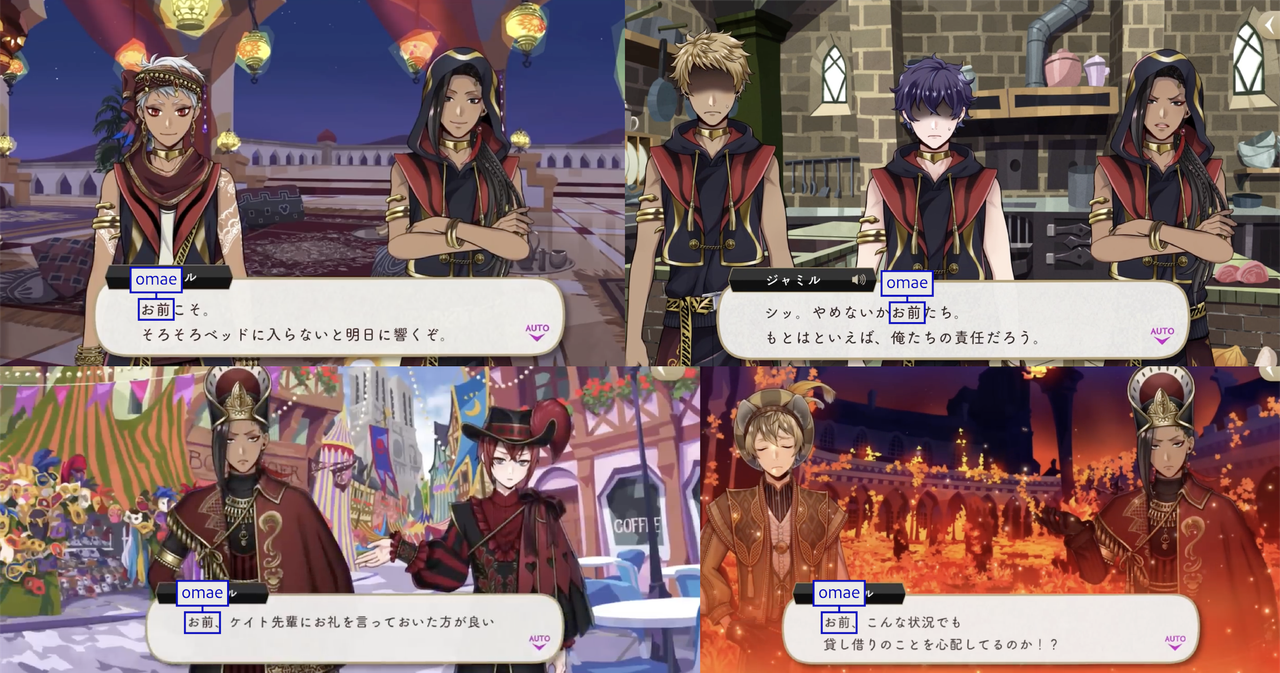
お前 (omae) is one of the five forms of “you” that Jamil uses.
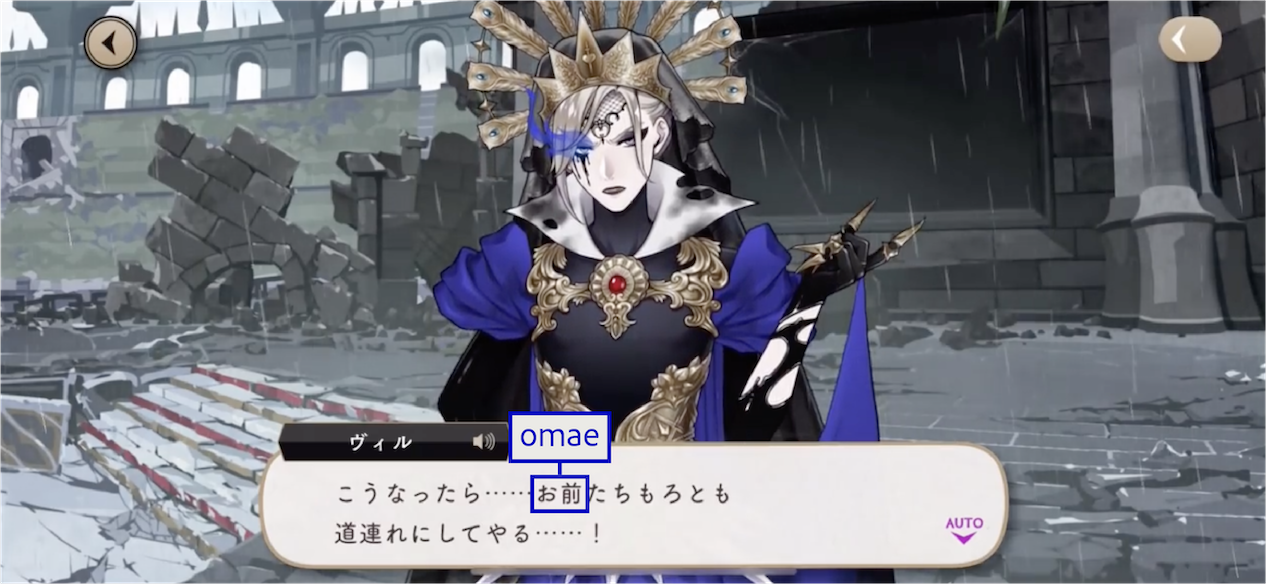
Vil maybe only ever uses お前 (omae) once, during his overblot.
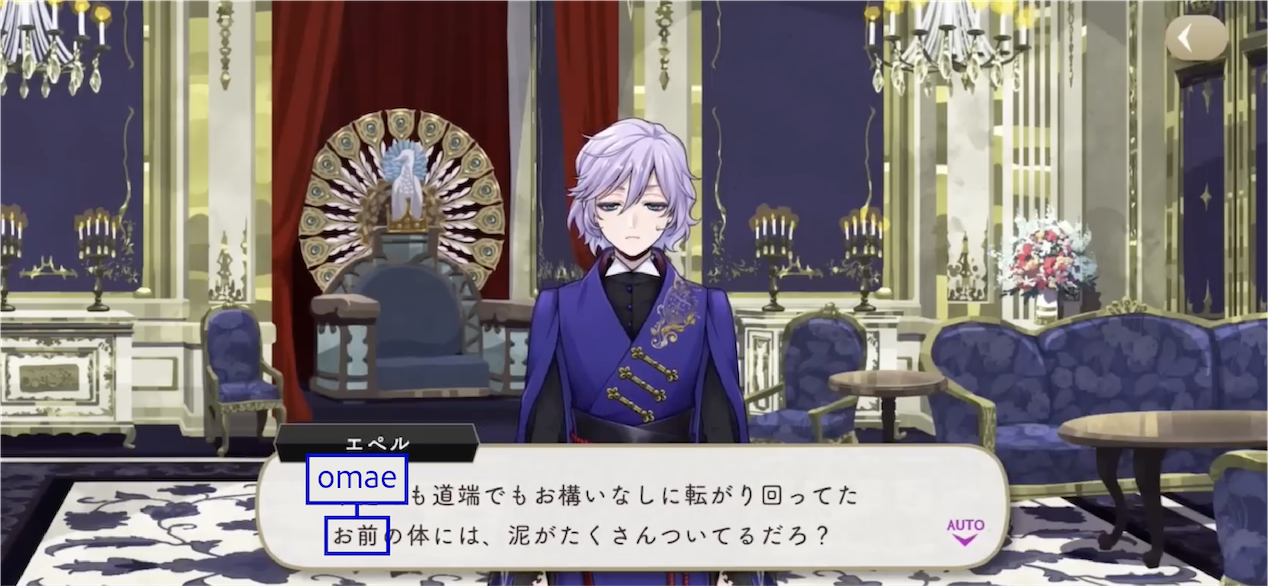
Epel will also use お前 (omae), one of six variations of “you” that he uses.
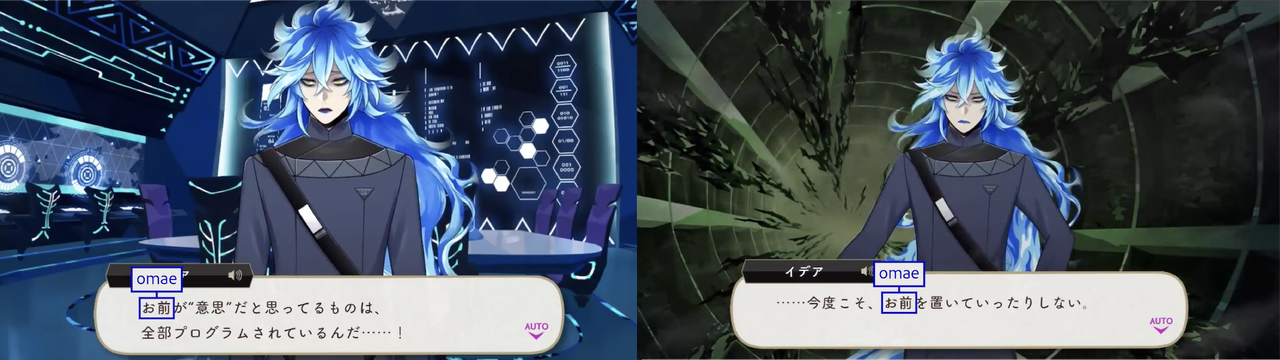
Idia seems to only use お前 (omae) with Ortho and human-Otho.
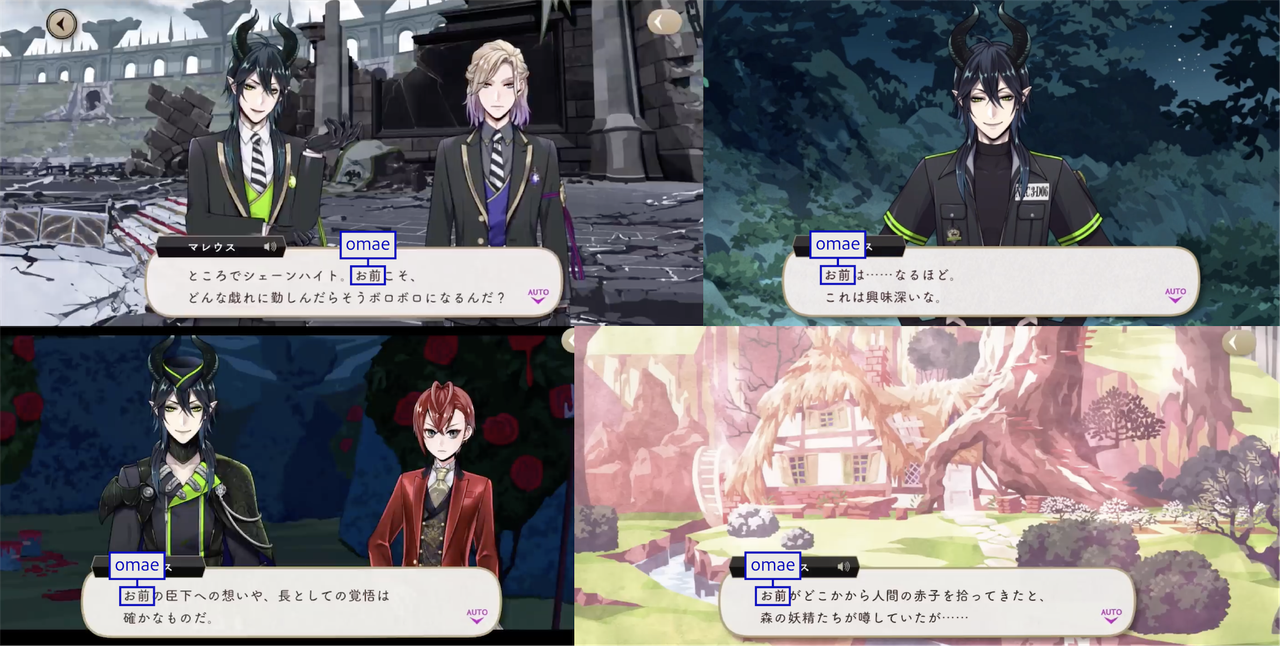
For a while Malleus seemed to use お前 (omae) exclusively when not overblotting.
This changed in 2024, however, when he used it just once during Halloween.
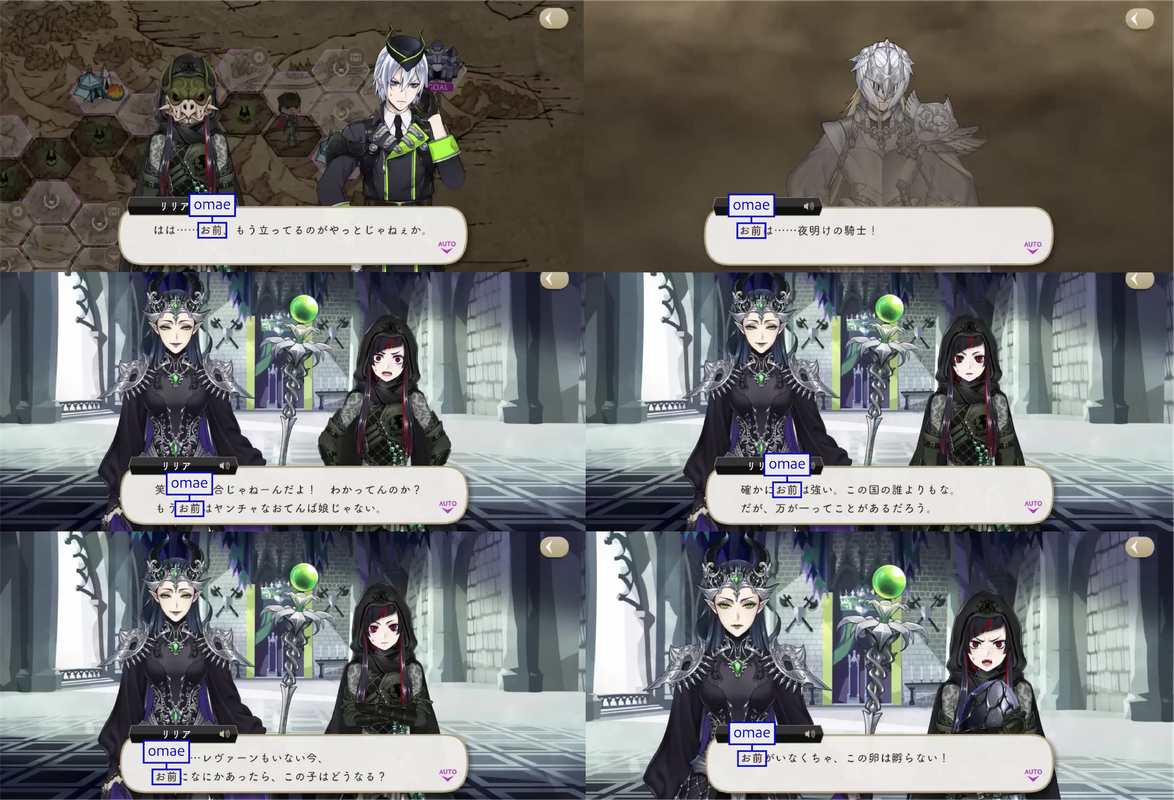
お前 (omae) seems to be the go-to version of “you” for General Lilia, which he even uses with Maleanor after she refuses to heed his pleas (he opens their conversation by referring to her as あなた (anata) before switching to お前 (omae)).

お前 (omae) is one of two forms of “you” used by School-Lilia.
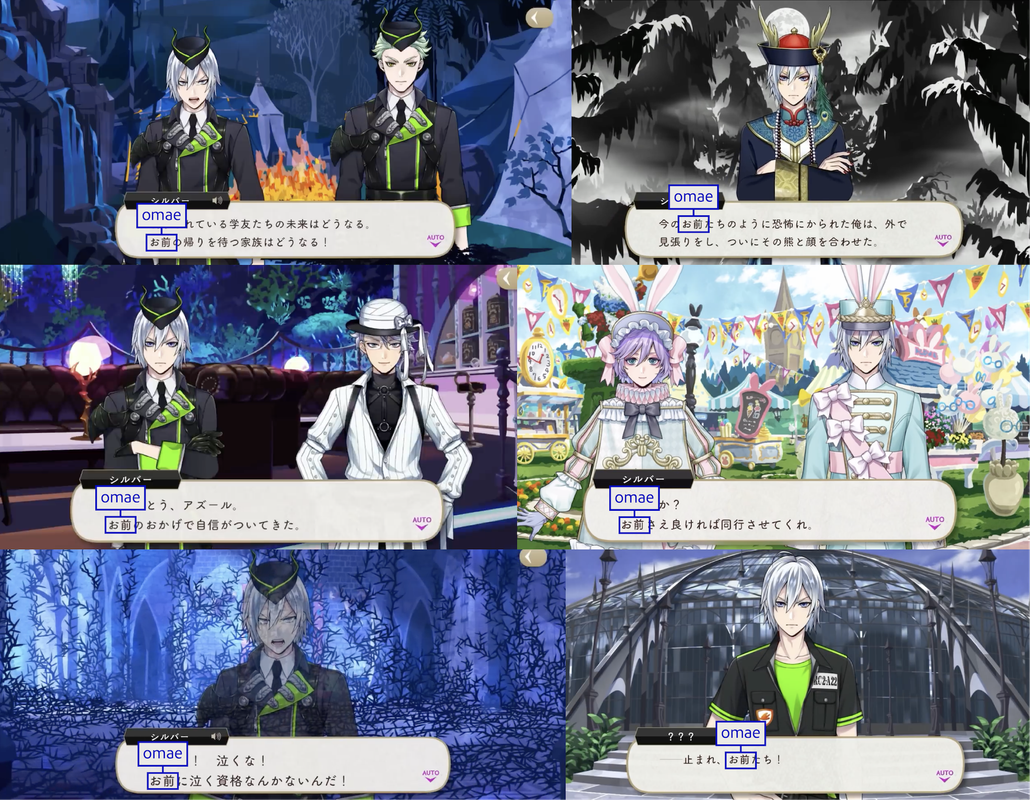
Silver might mainly use お前 (omae) with students in the second year or lower, with exceptions: he uses it during Beanfest to address Vil’s group.
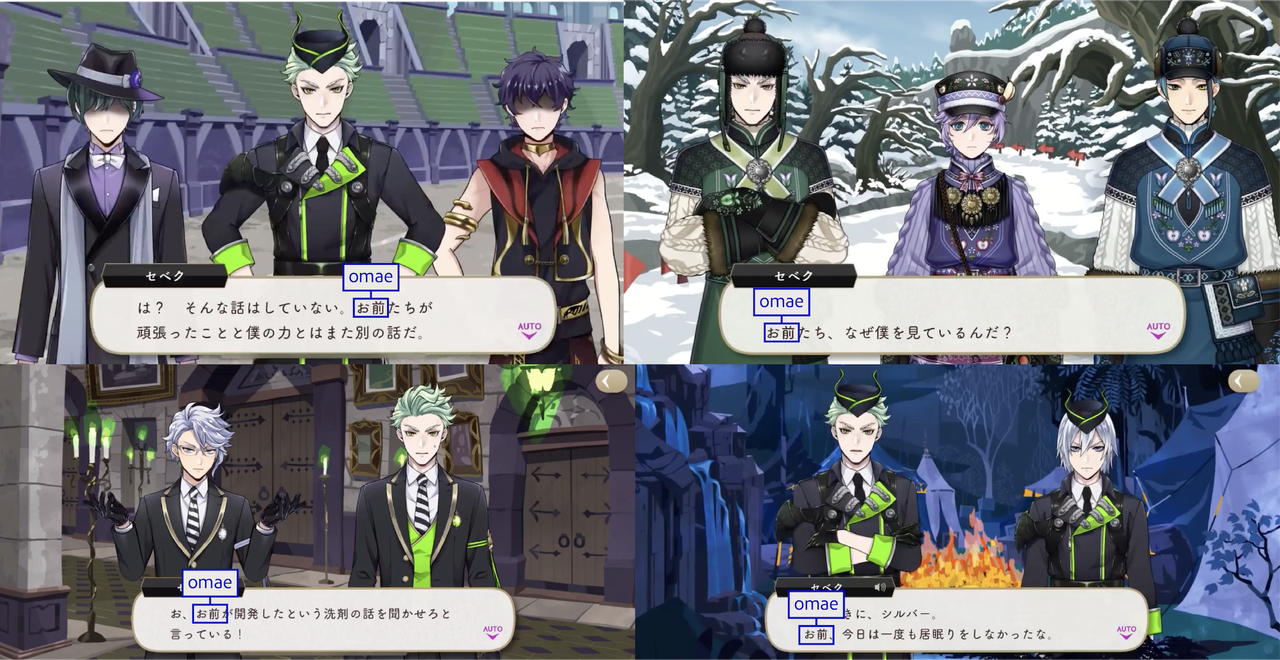
お前 (omae) is also one of Sebek’s preferred versions of “you.”
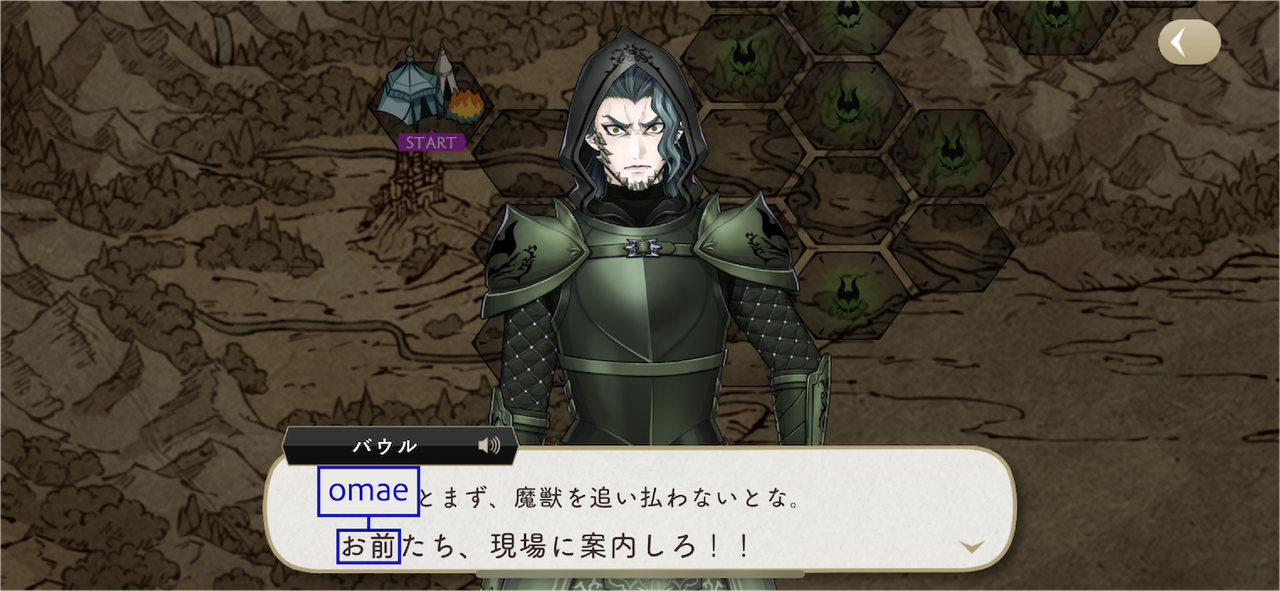
Baul will occasionally use お前 (omae).
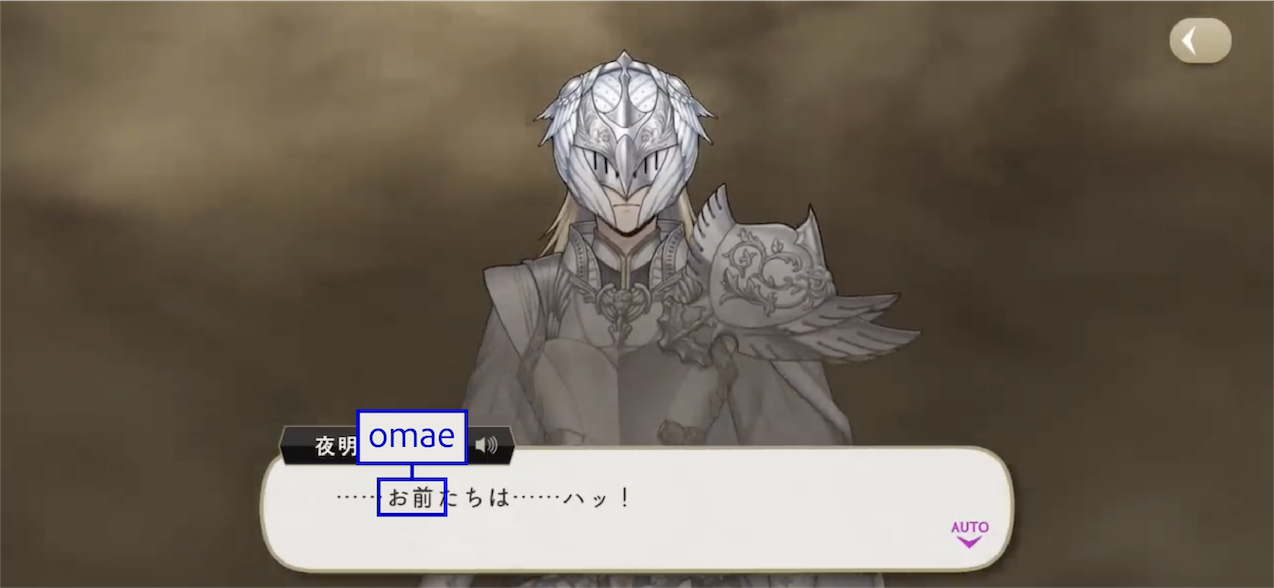
The Dawn Knight uses お前 (omae) upon discovering Lilia’s group during their escape.
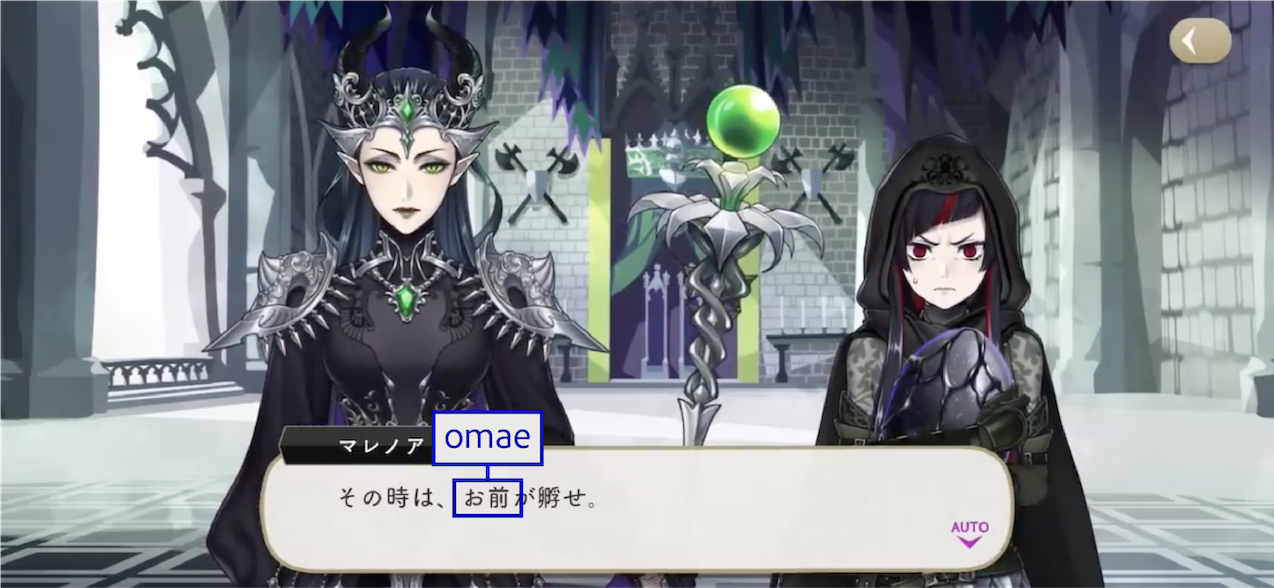
Maleanor uses お前 (omae) with Lilia and his group.
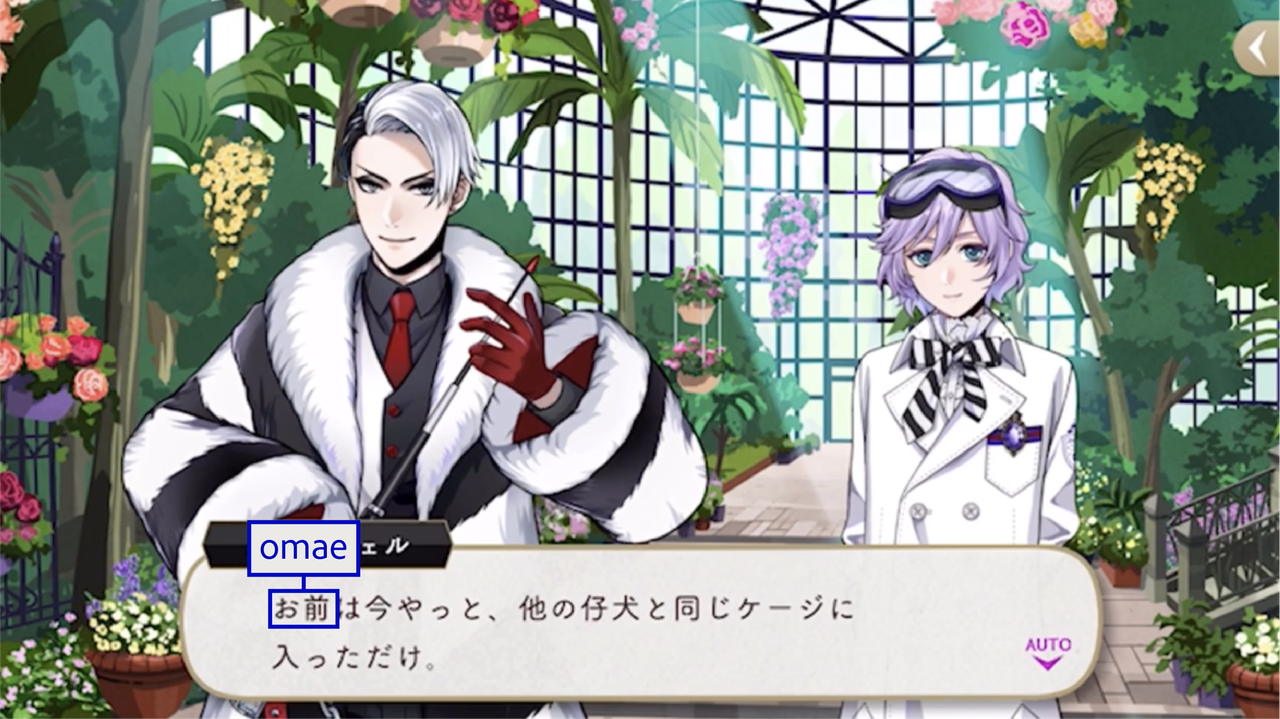
Crewel uses お前 (omae) with students.
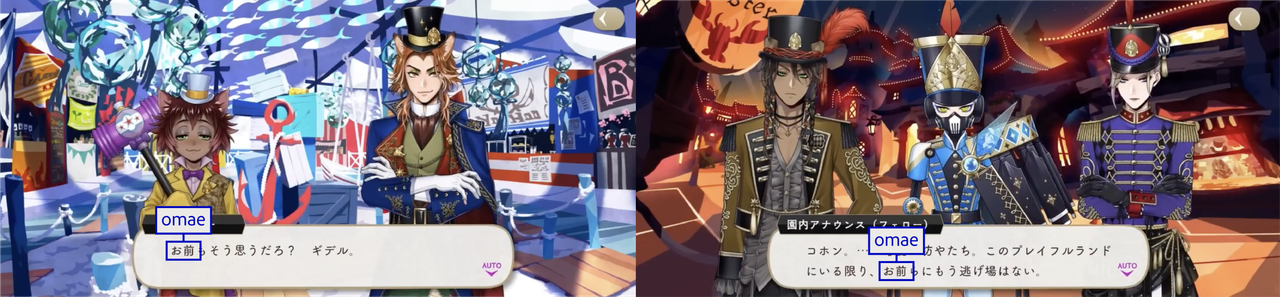
Fellow uses お前 (omae) with Gidel and at least once in reference to the students.
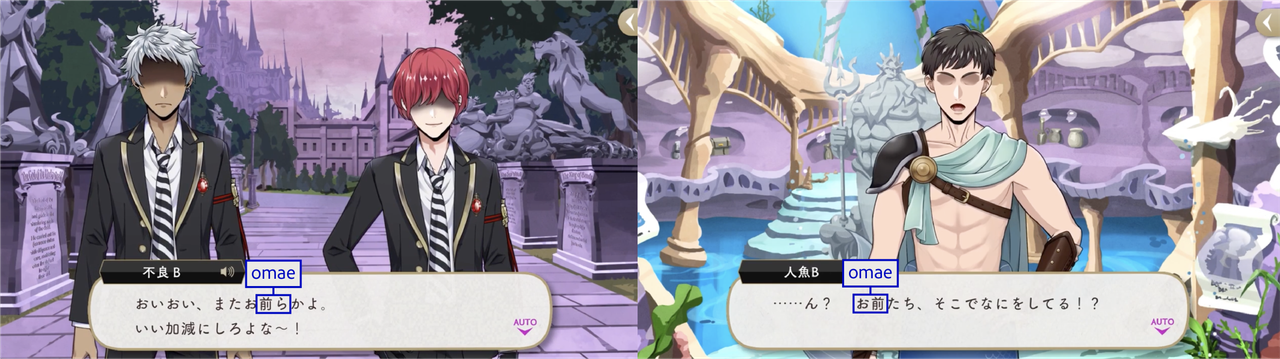
お前 (omae) is used occasionally by background characters.
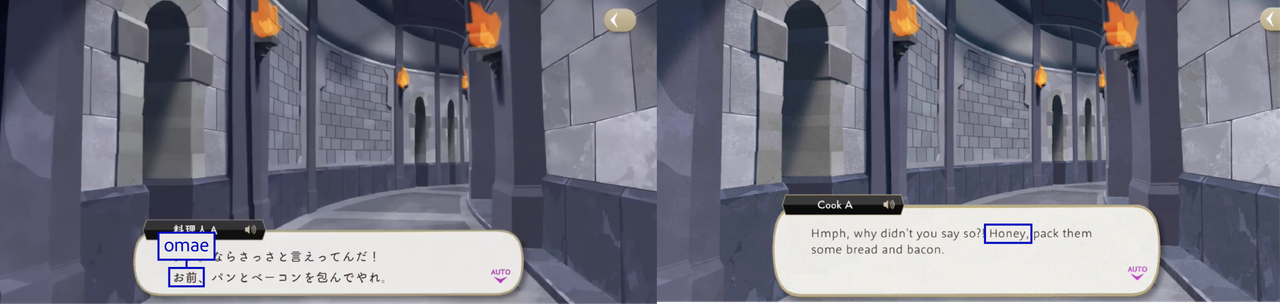
During Book 7 a cook uses お前 (omae) in reference to his wife, which EN translated as “dear” – an example of the importance of context!
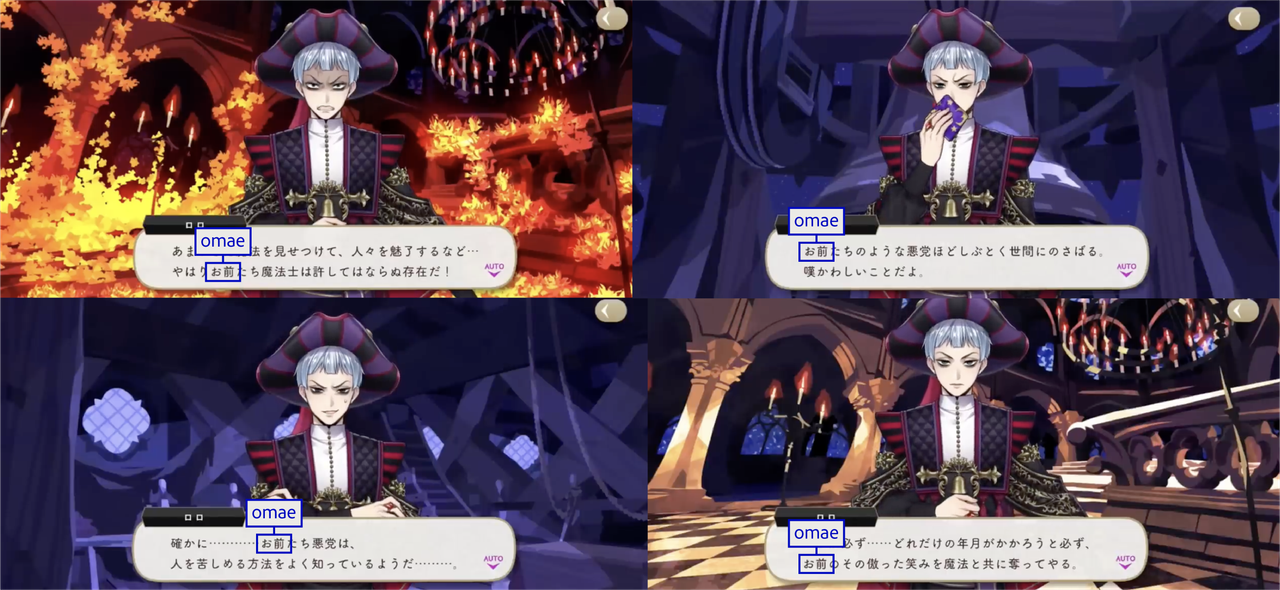
お前 (omae) is the form of “you” that Rollo switches to halfway through his event, and he uses three forms in total.
テメェ (teme)
テメェ (teme) is an informal and rather aggressive-sounding version of “you,” generally used in confrontational situations in order to intimidate or insult, though it can be used between close friends, too. (Many thanks to @/irafuwas for so much help with this post!!)
While not counted in the “swear word ranking”, it could possibly be considered a near-equivalent to a swear word in English, as its usage is seen as highly disrespectful in certain contexts.
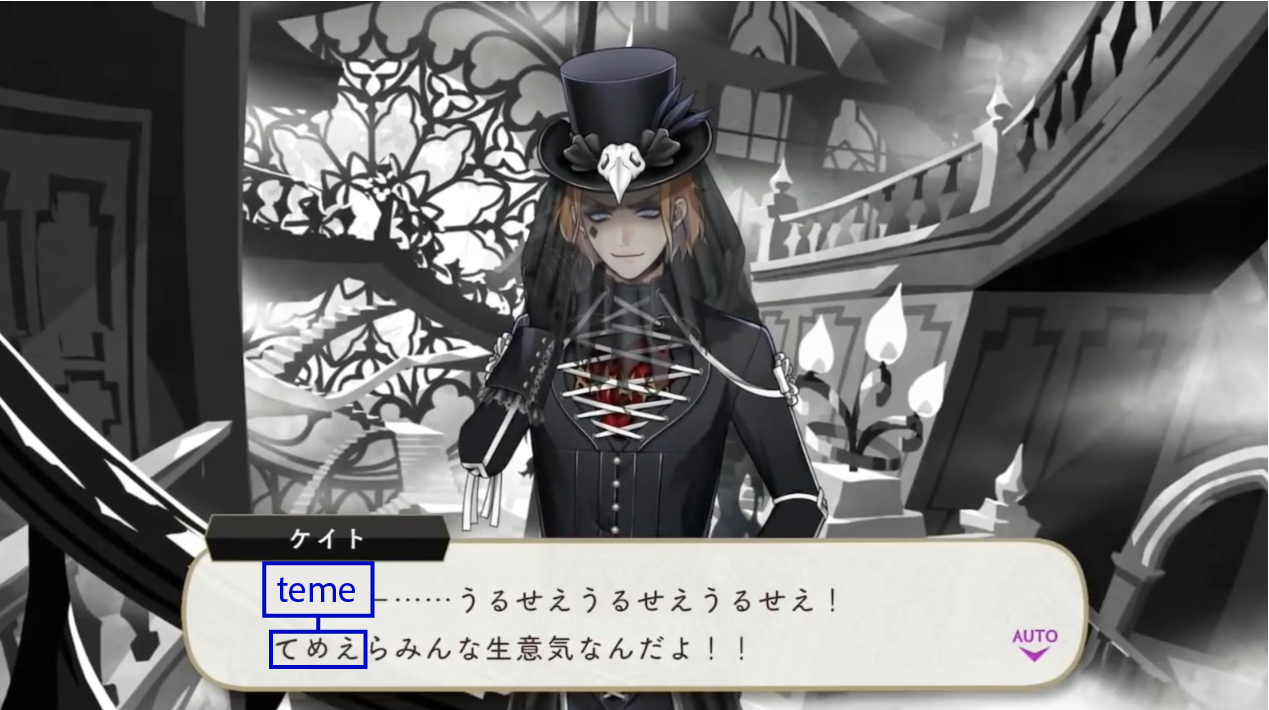
Cater uses てめえ (teme) when possessed by a ghost.
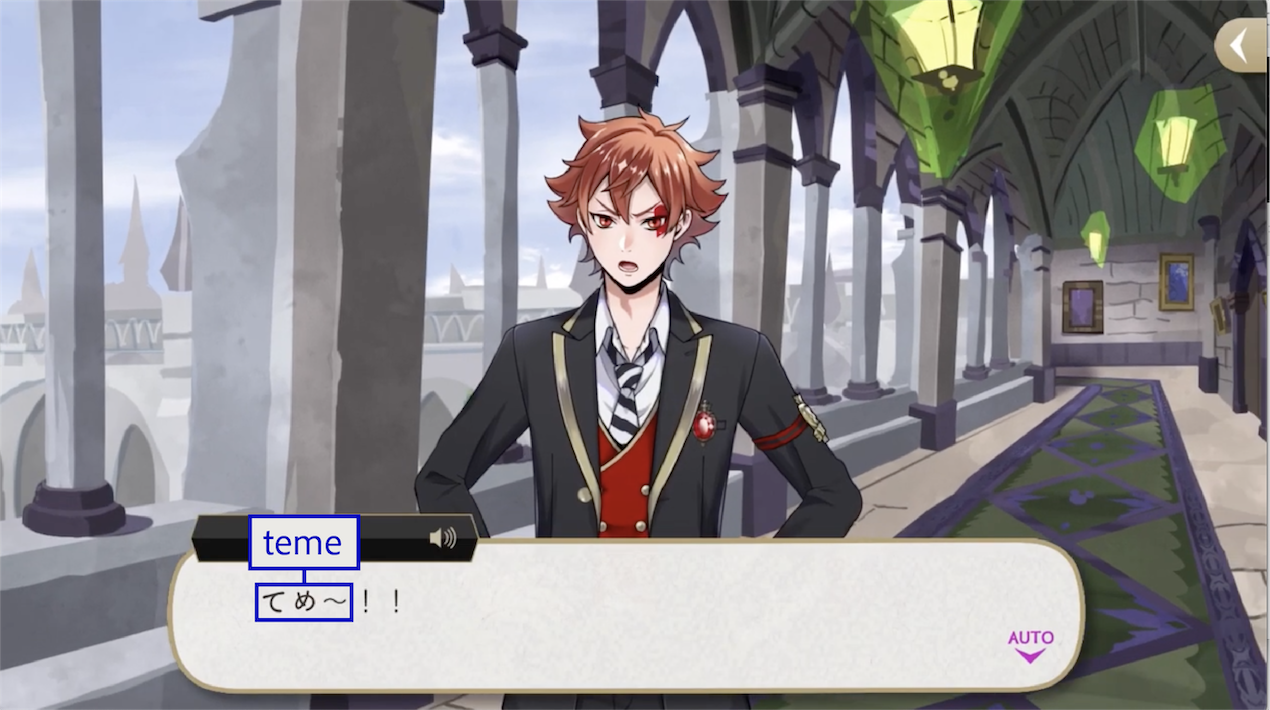
Ace will often use てめえ (teme).
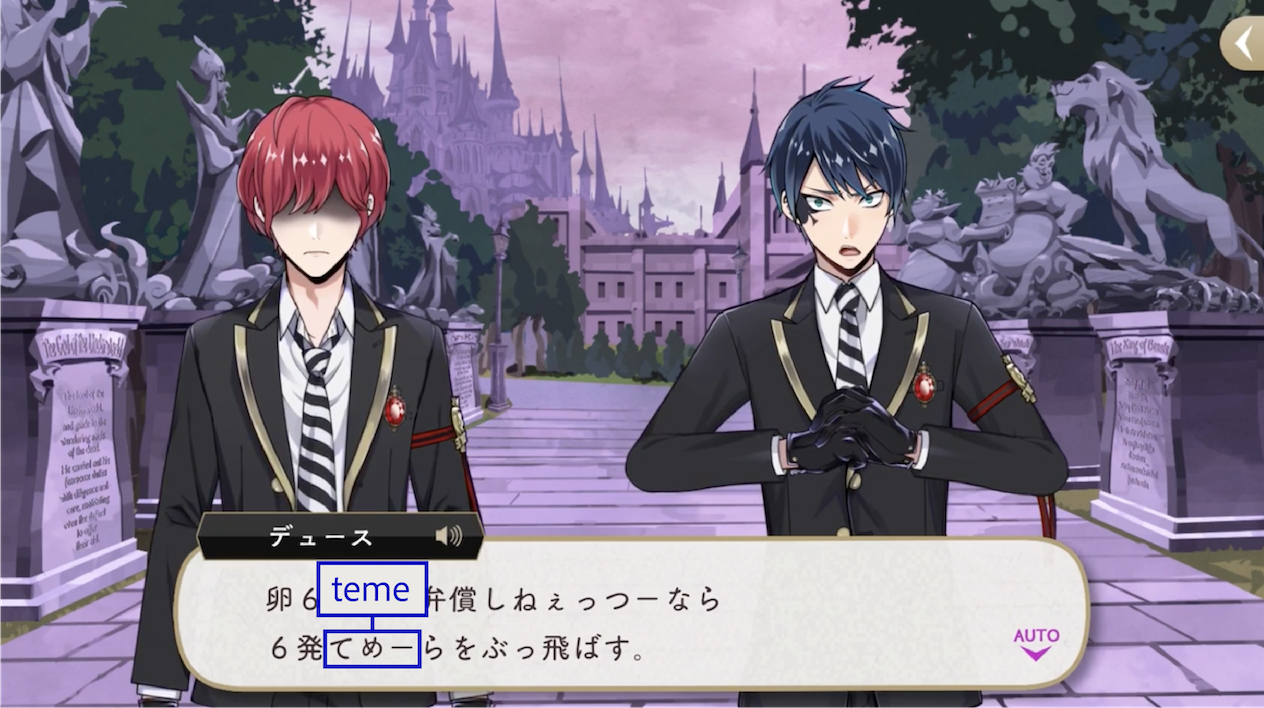
Deuce uses てめぇ (teme) when he is ready to fight.
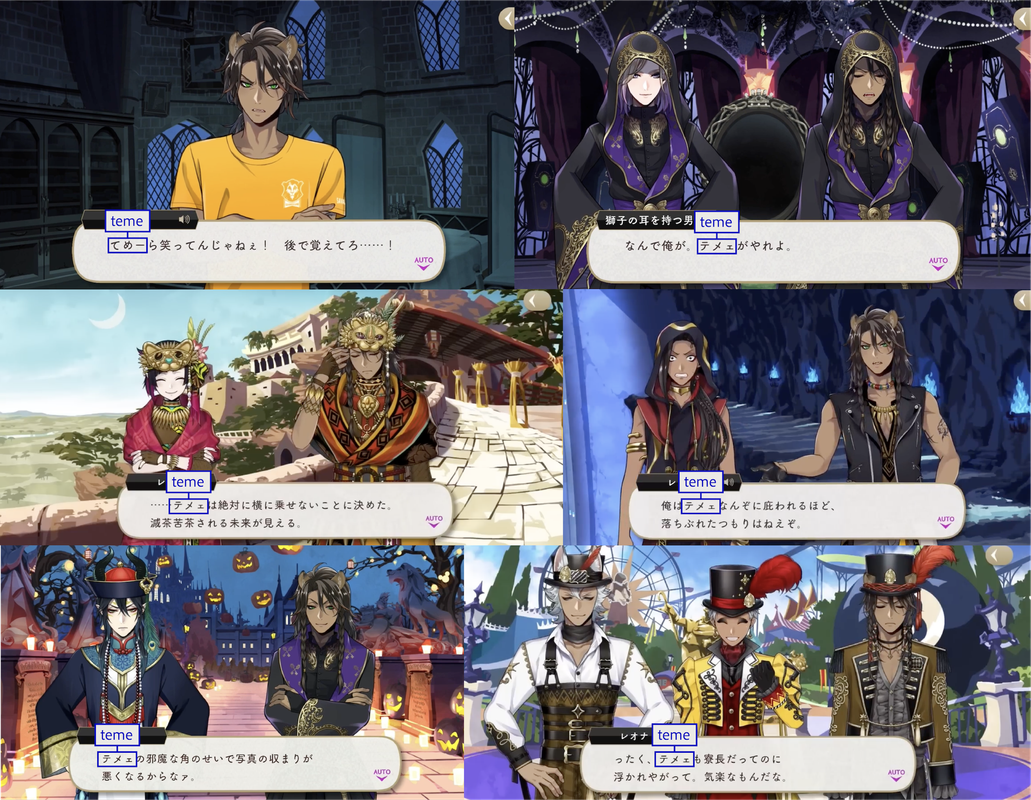
Leona uses テメェ / てめー (teme) often.
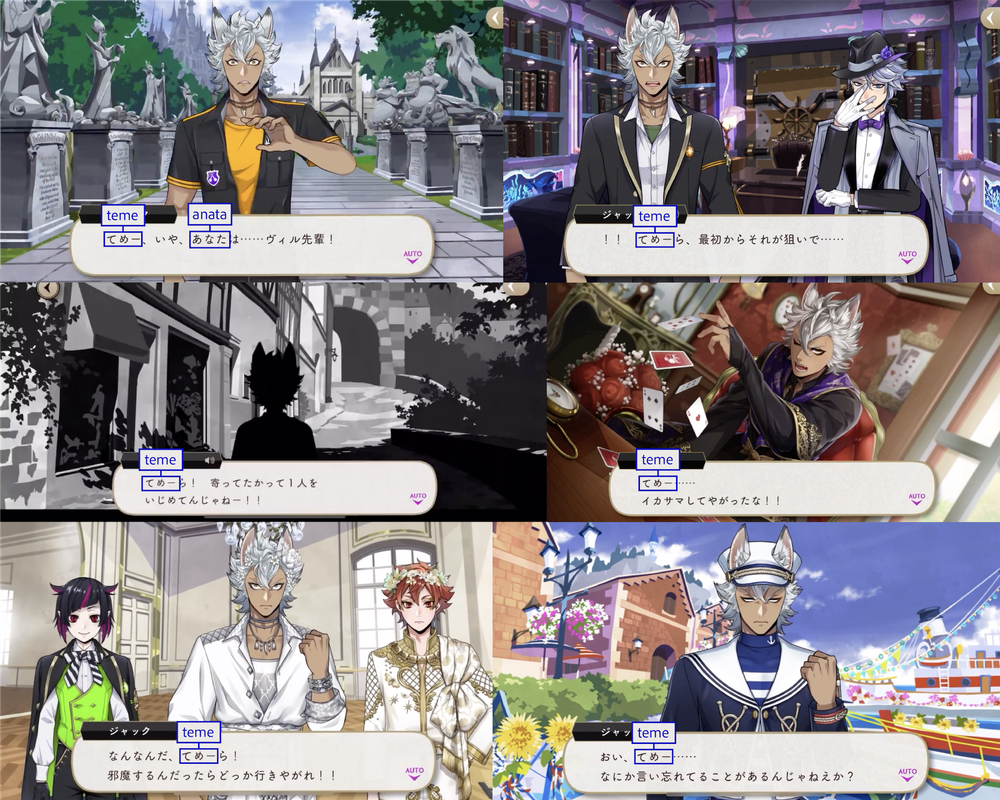
Jack will also use てめー(teme) often, even with upperclassmen like Azul, Floyd, Lilia, and a stranger during Port Fest, usually when he is angry.
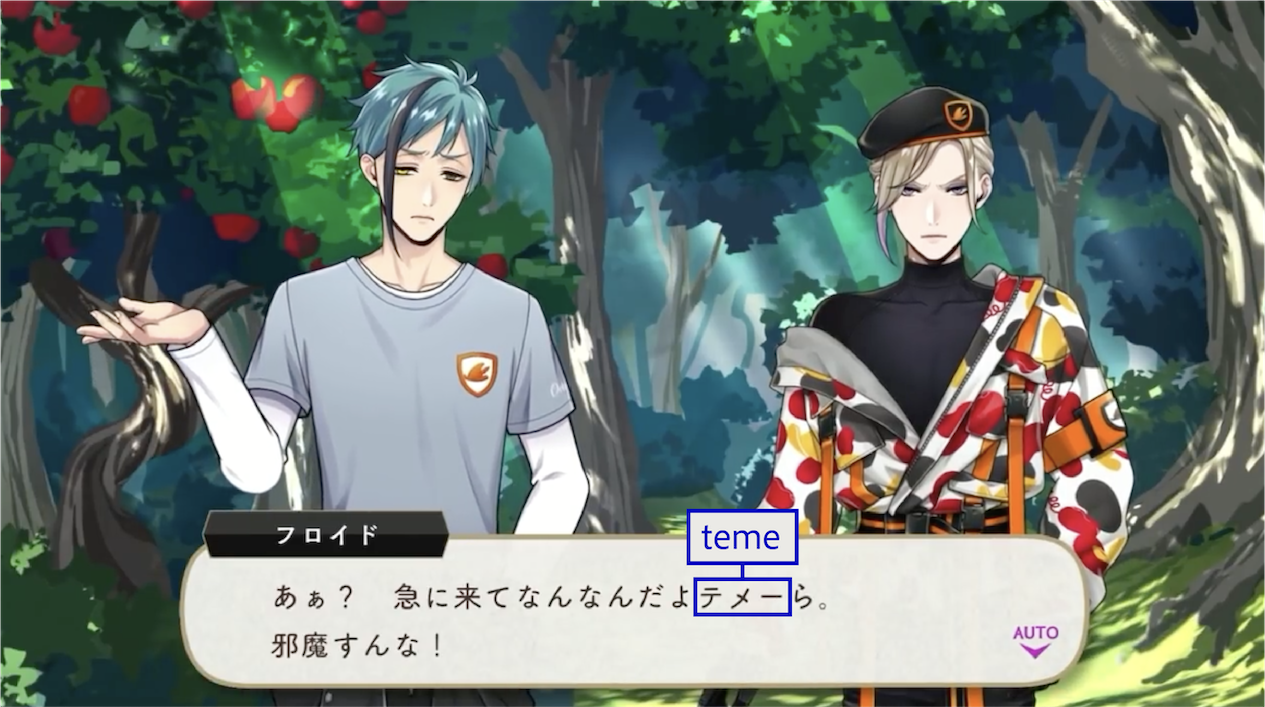
テメー (teme) is also one of the three forms of “you” that Floyd will use.
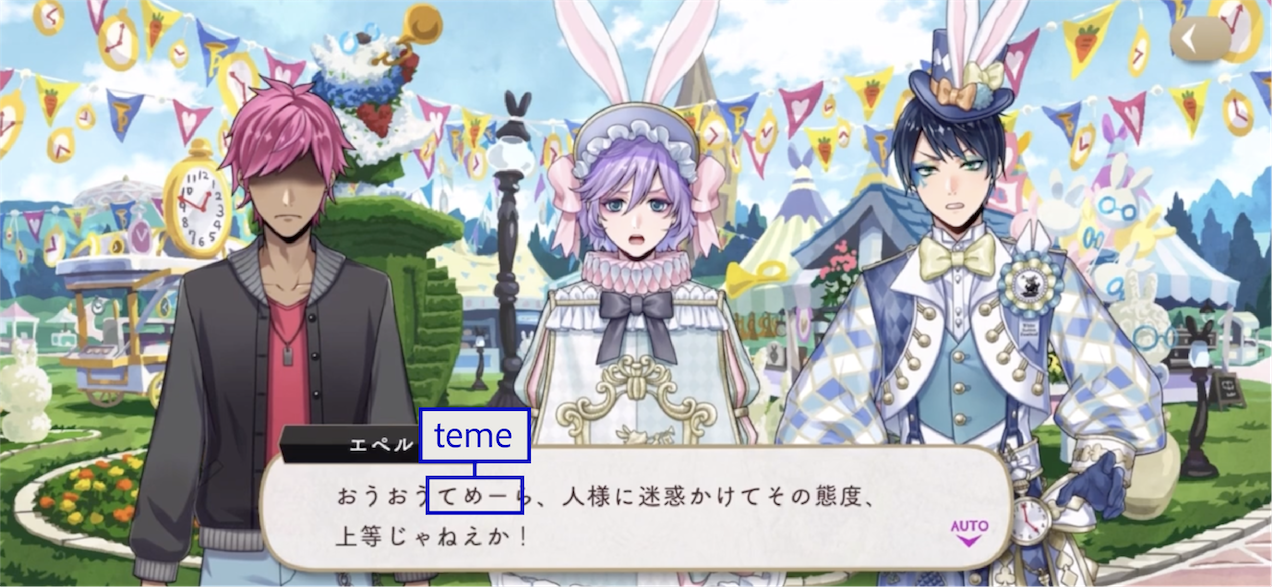
Like Deuce, Epel also uses てめー (teme) when he is ready to fight.
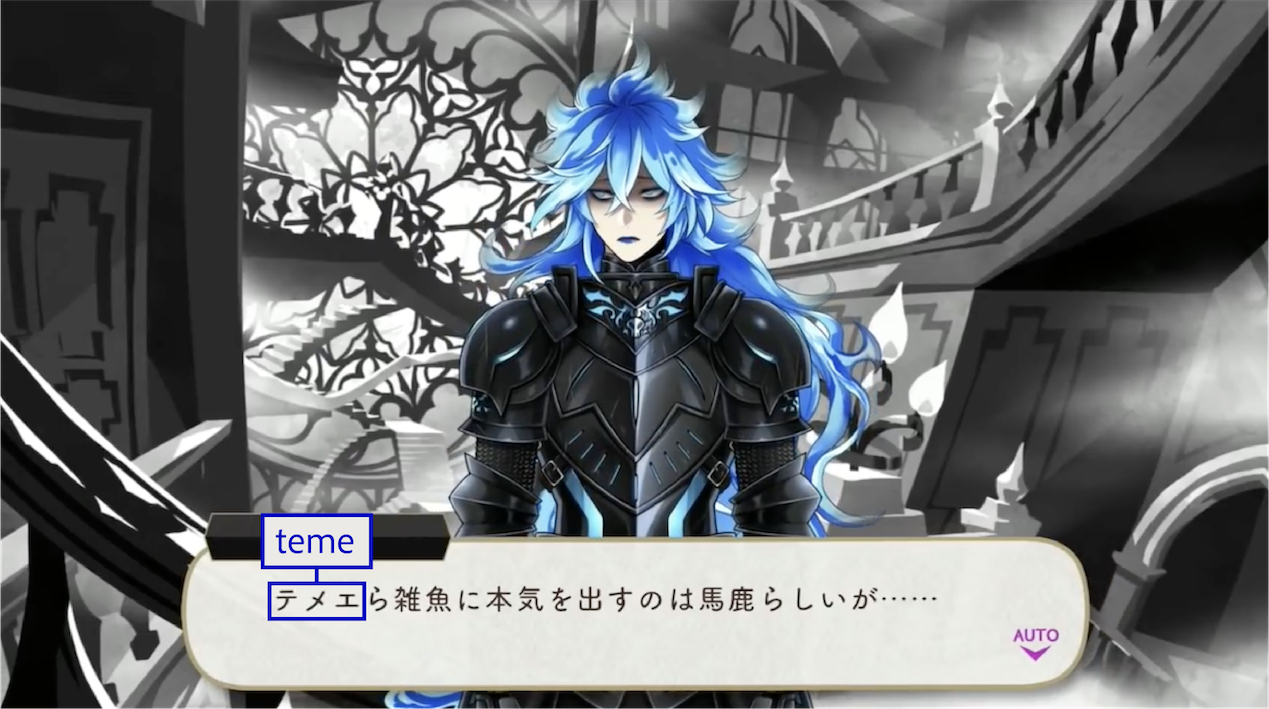
Idia uses テメェ (teme) when he is possessed by a ghost.
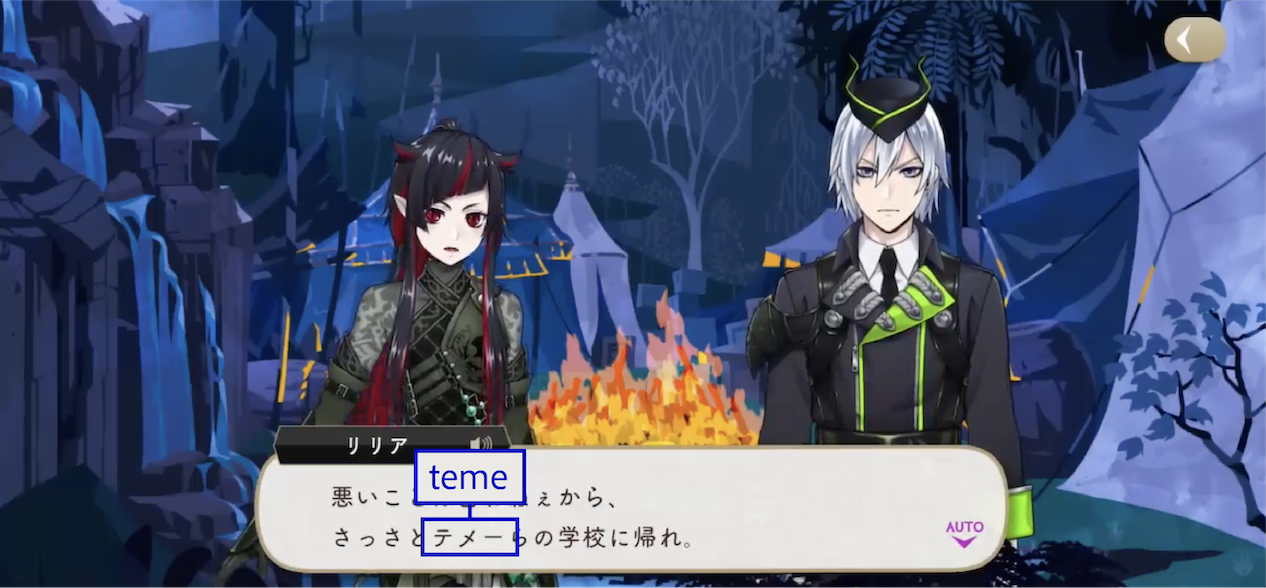
General Lilia also uses テメー(teme).
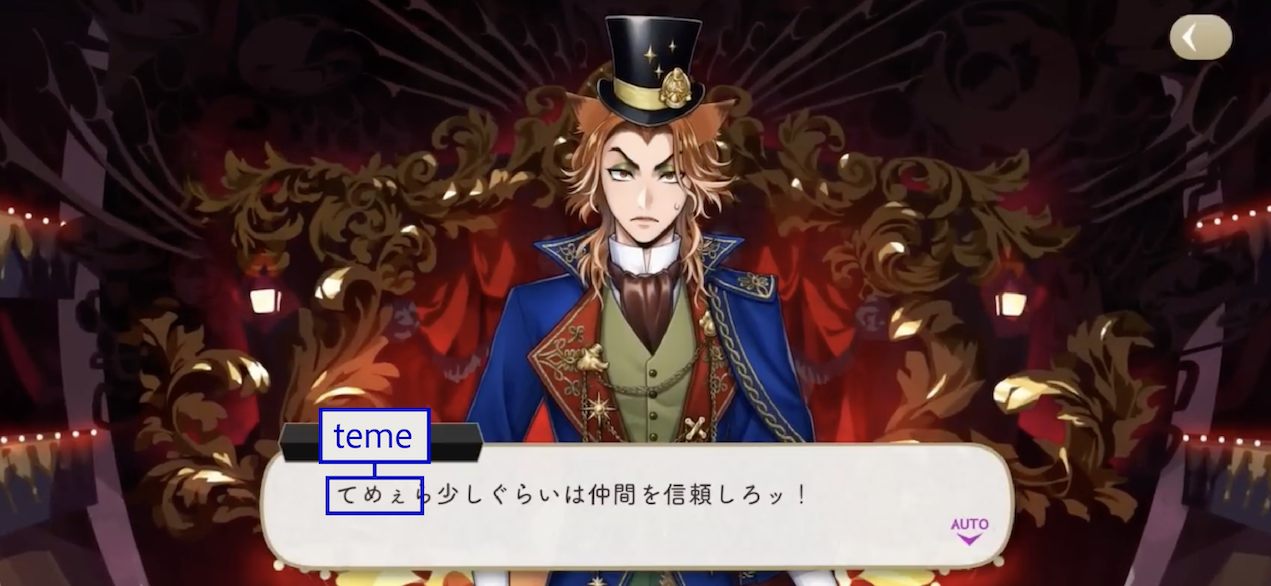
てめぇ (teme) is also one of the four forms of “you” used by Fellow.
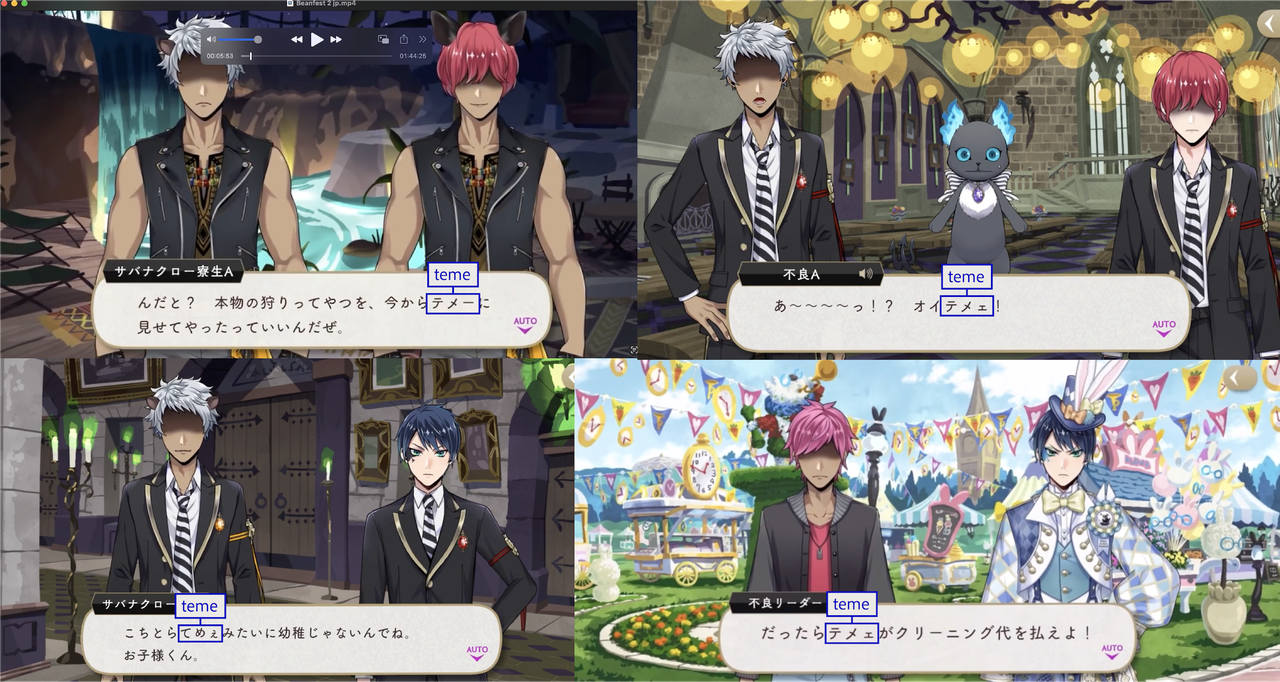
Background characters will also use テメェ / てめぇ(teme).
貴様 (kisama)
貴様 (kisama) is very rude, confrontational, and rarely used outside of fiction. It’s generally used when a character is intentionally trying to start a fight, be intimidating, or insult someone.
It’s very rude and practically a swear word (though it was not counted as a part of the swear word ranking).
Unlike other forms of “you”, this meaning does not change depending on context: it doesn’t really come up in real life and is used for expressing hostility in stories, generally by villainous characters.
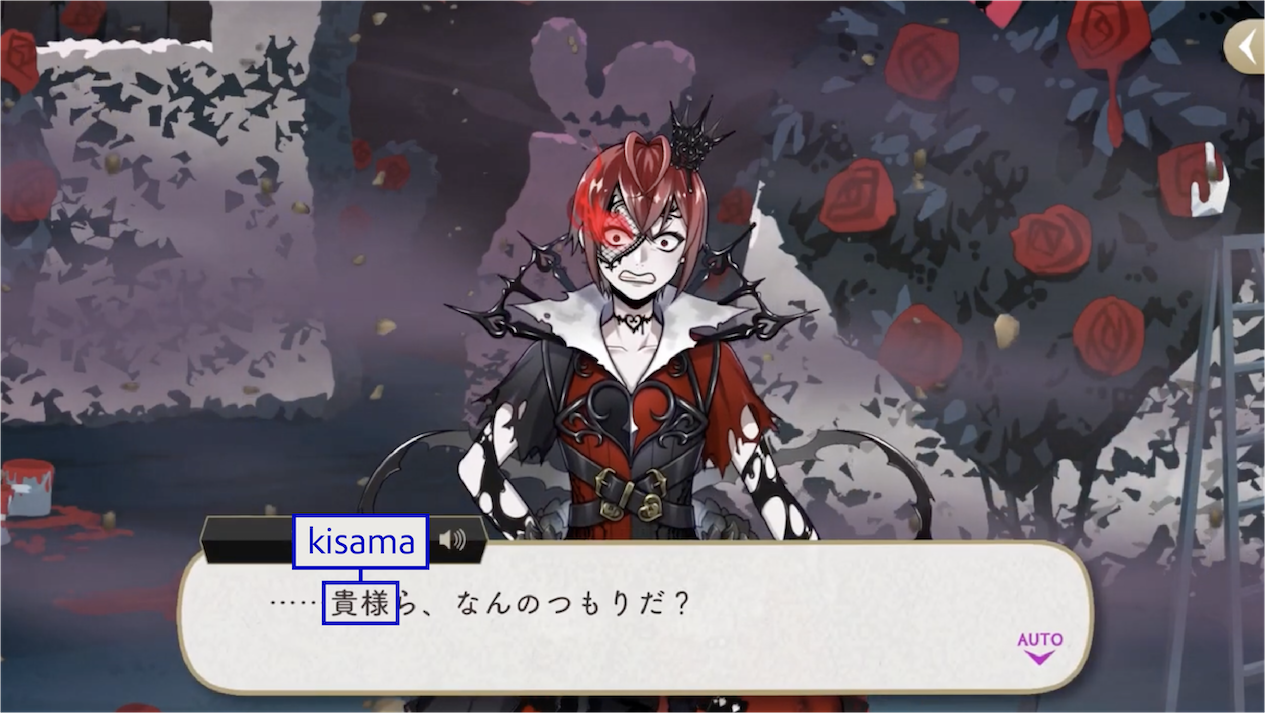
Riddle uses 貴様 (kisama) during his overblot.
Malleus also uses 貴様 (kisama) during his overblot.
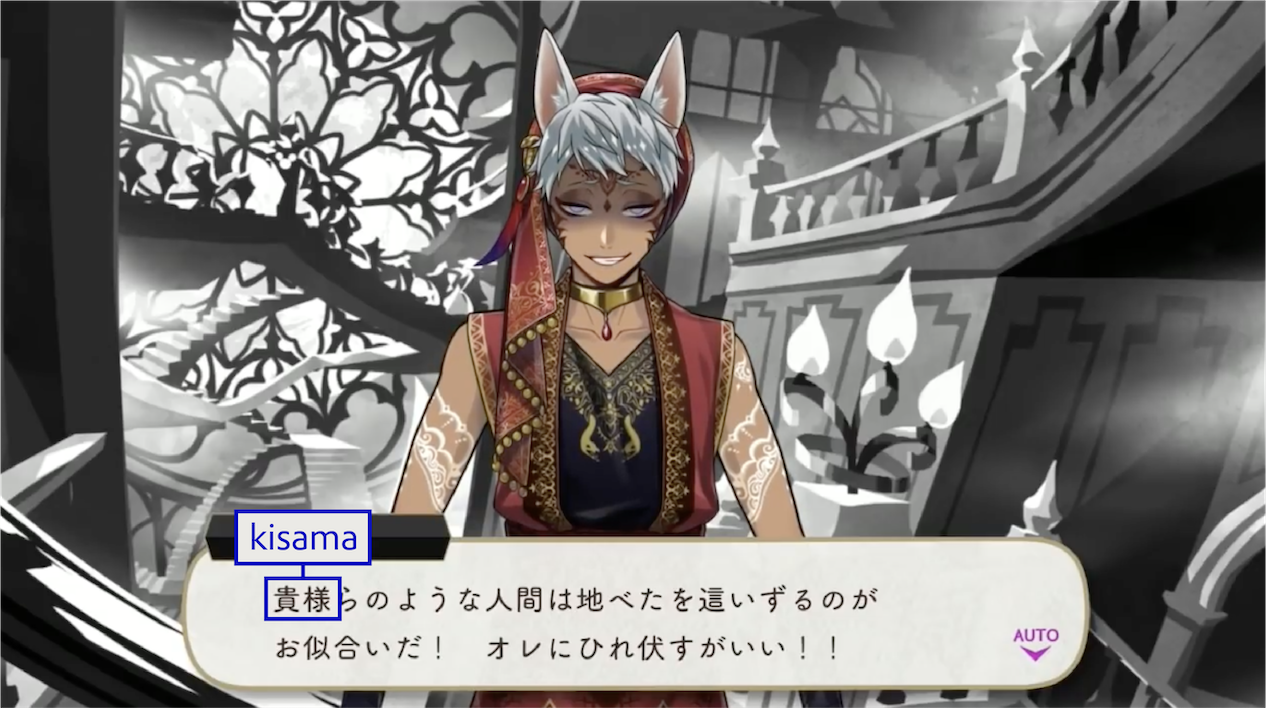
Kalim uses 貴様 (kisama) while possessed by a ghost.
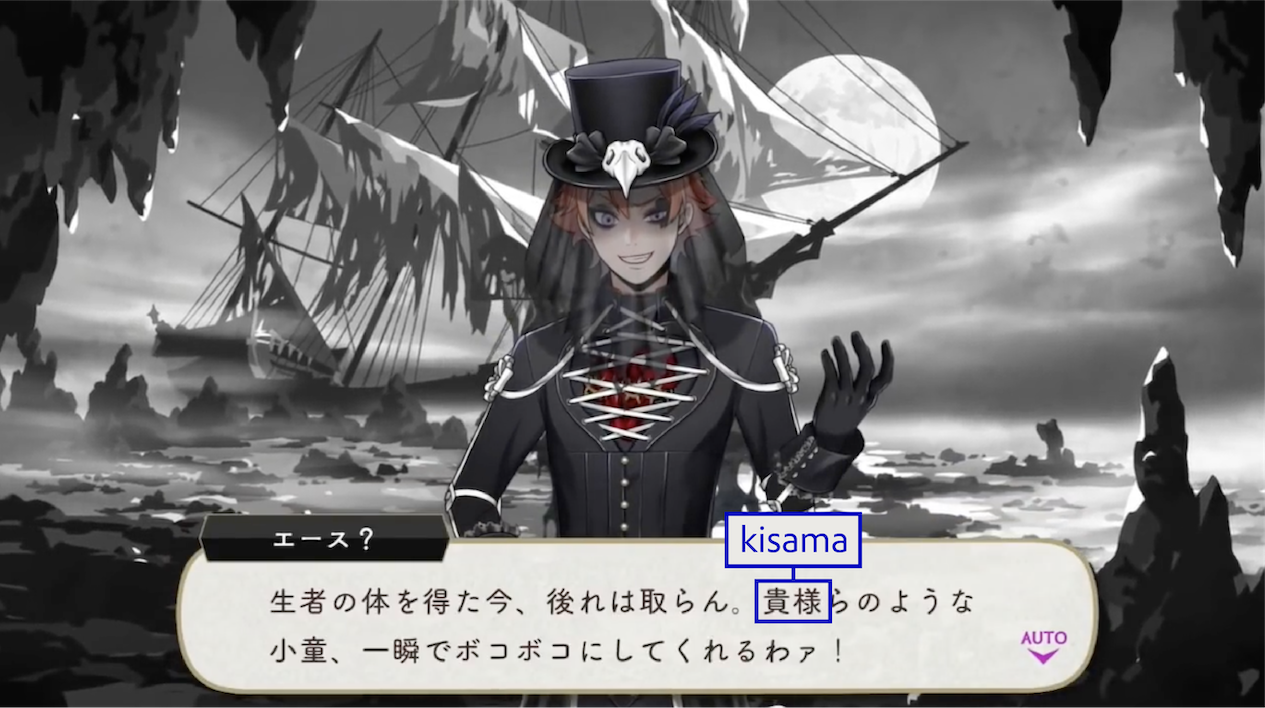
Ace also uses 貴様 (kisama) while possessed by a ghost.
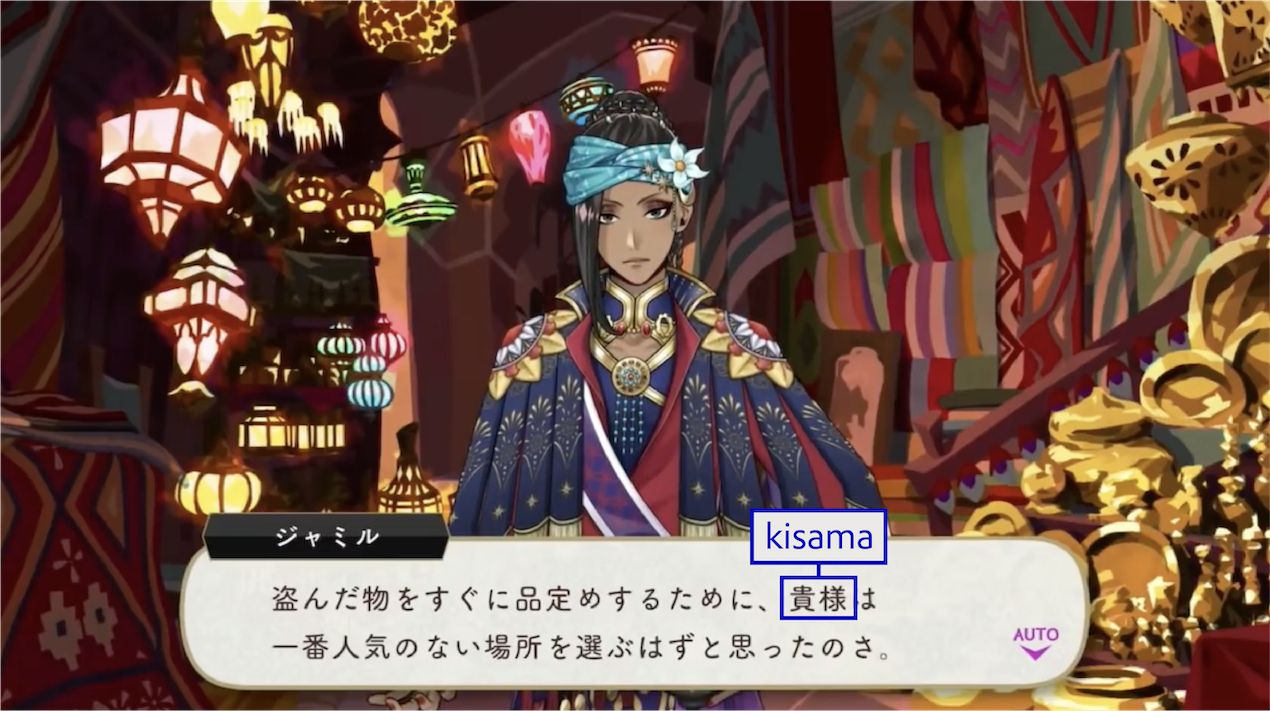
Jamil 貴様 (kisama) when addressing the thief during Firelit Sky.
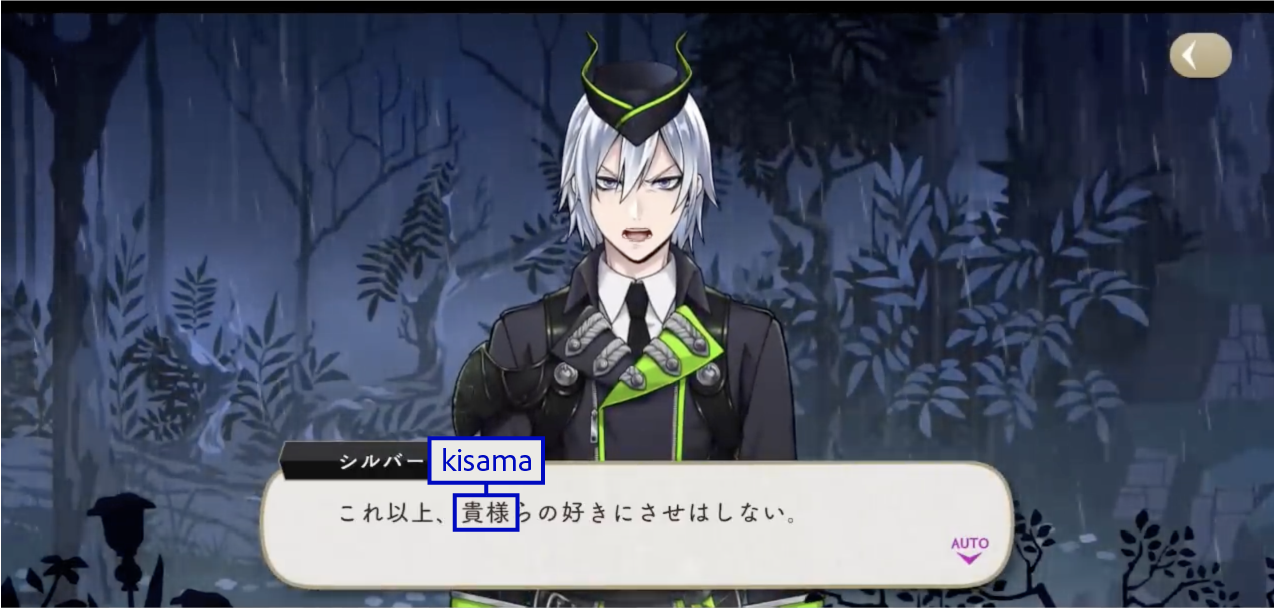
Silver uses 貴様 (kisama) possibly just once as of Book 7, chapter 100, when saving Lilia from being executed by the Silver Owls.
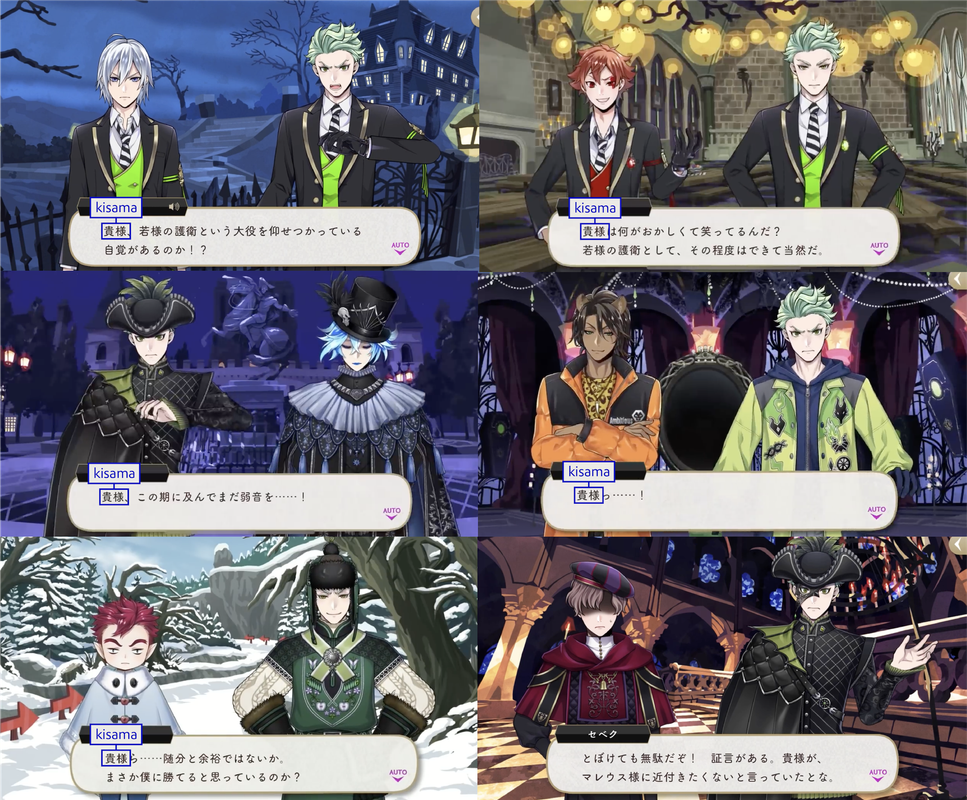
Sebek uses 貴様 (kisama) very, very often, generally with Silver, but he will also use it with other students and even with upperclassmen and strangers.
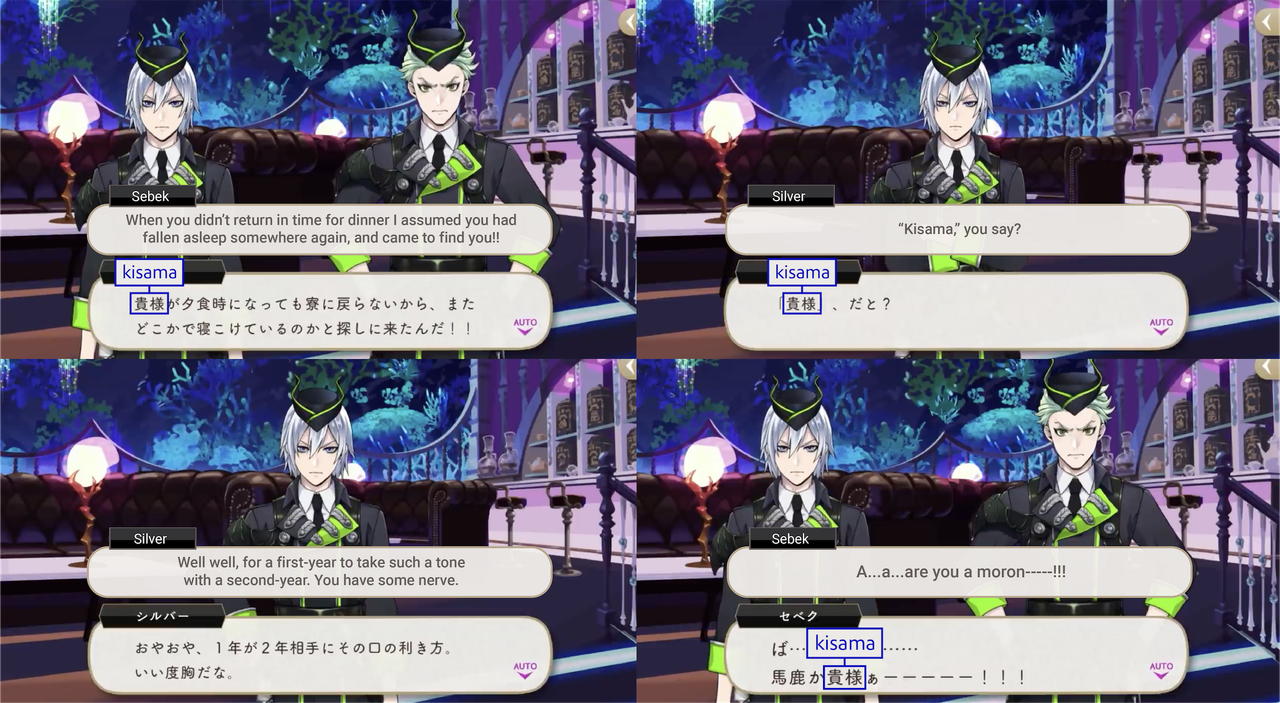
Silver goes to Azul for help with becoming respected as a leader, and the first thing he does after Azul’s coaching is call Sebek out for saying 貴様 (kisama) to refer to him, an upperclassman.
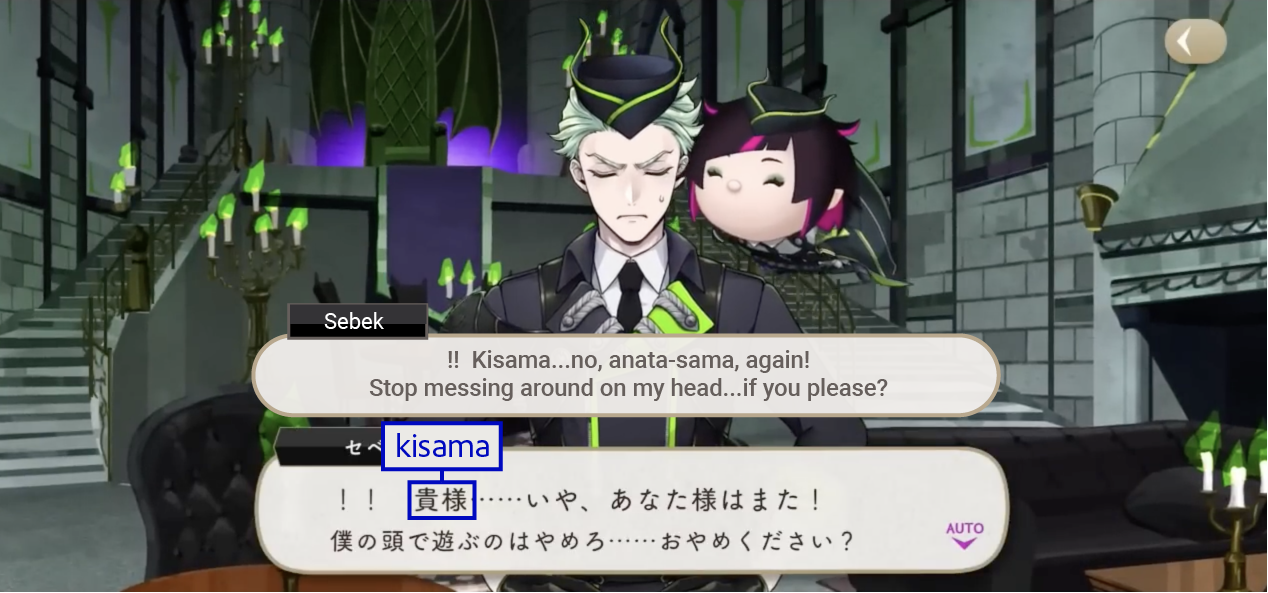
Sebek uses 貴様 (kisama) with Lilia’s tsum, correcting himself mid-sentence to say あなた様 (anata-sama) instead.
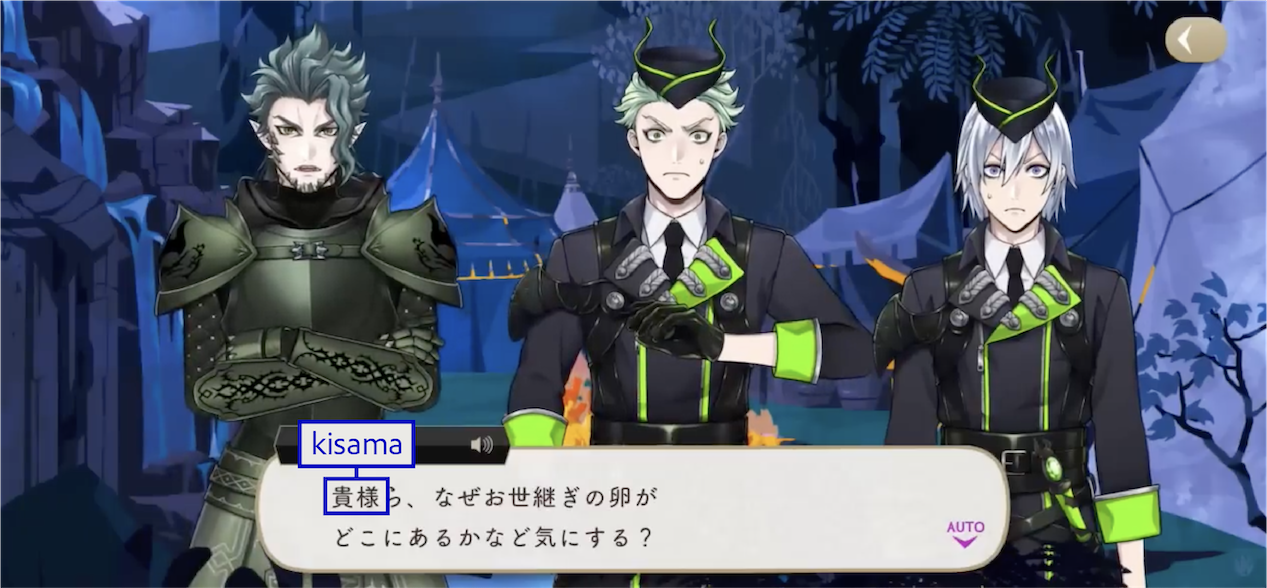
Baul is also often using 貴様 (kisama).
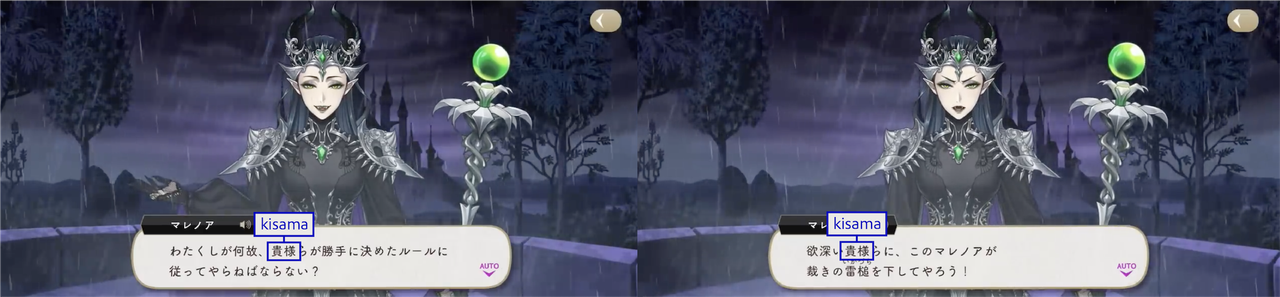
Maleanor uses 貴様 (kisama) in reference to Henrick and the armies besieging her palace.
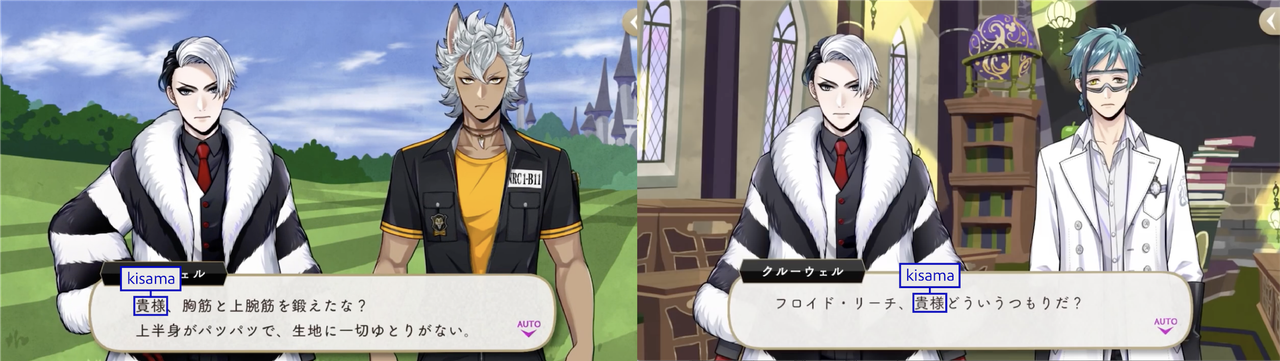
Crewel will use 貴様 (kisama) with students when he is annoyed.

Background characters also use 貴様 (kisama), as does Henrick in reference to the fae.
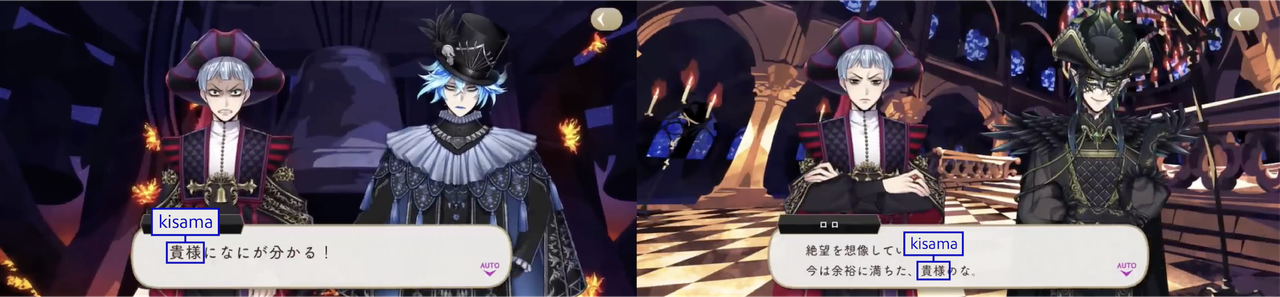
貴様 (kisama) is also one of the three versions of “you” used by Rollo that he adopts towards the end of the event.
おめー(ome) / 貴殿 (kiden) / お主 (onushi)
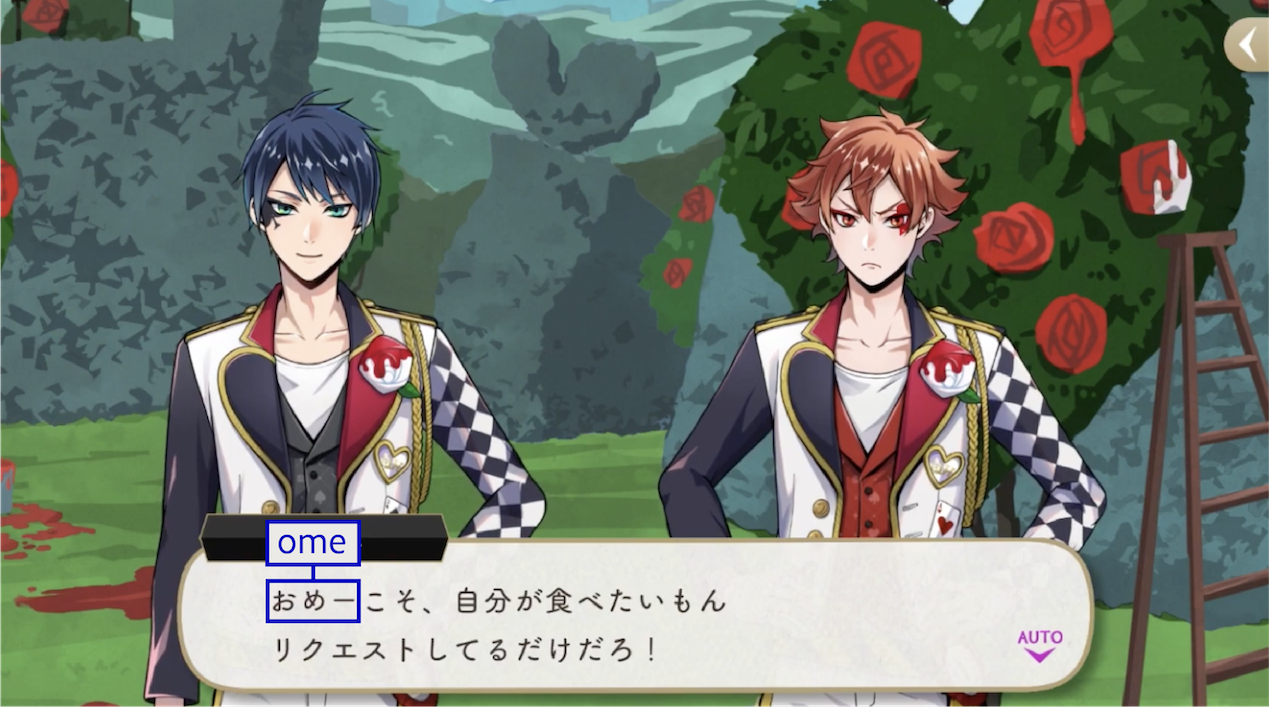
おめー(ome), a casual form of “you” derived from お前 (omae), similarly sounds rude or confrontational in the wrong situation or tone, though it can also be used among peers.
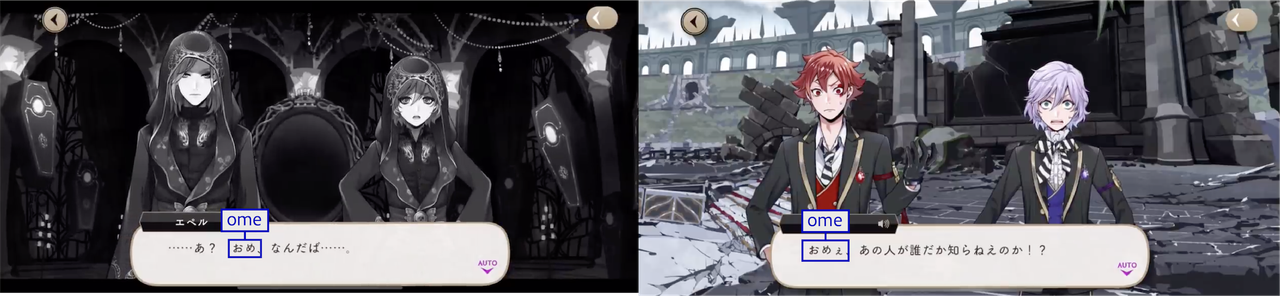
おめ (ome) from the Tsugaru dialect is similar (it can also sound overly blunt if used in the wrong context) and that is where much of Epel’s dialect comes from.
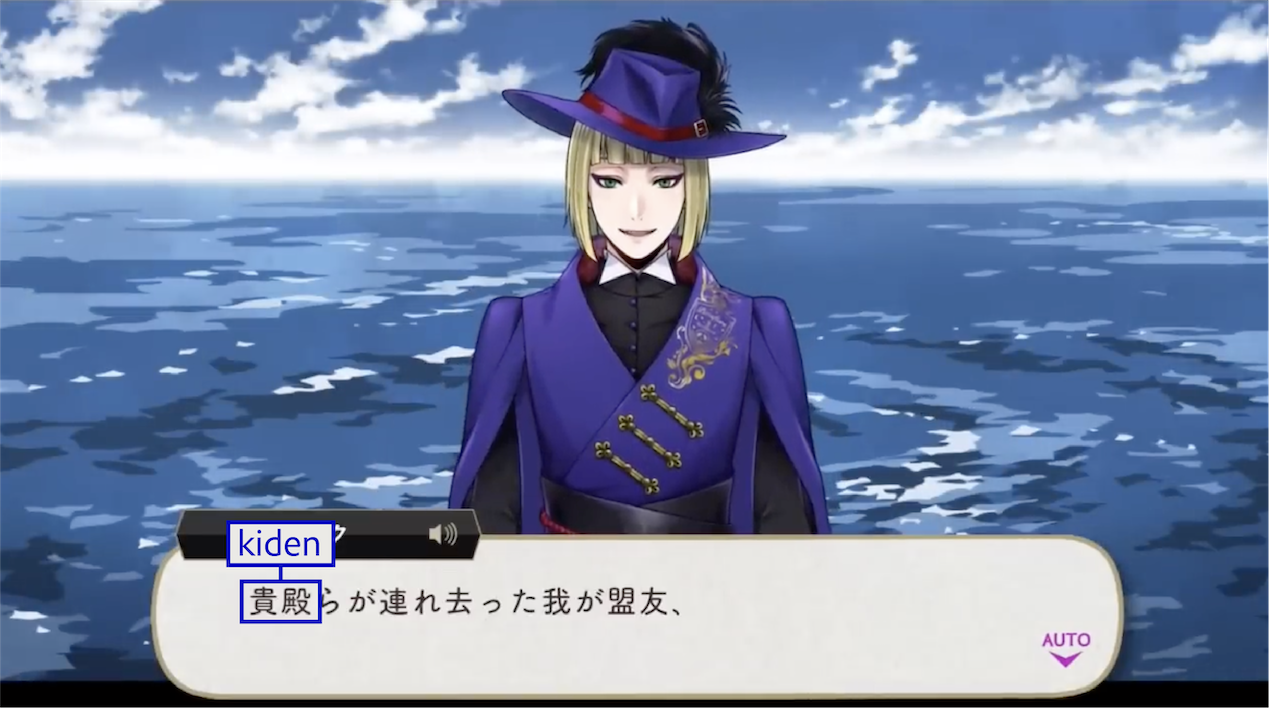
貴殿 (kiden) is very formal, polite, and not typically used in everyday life outside of written communications like formal announcements.
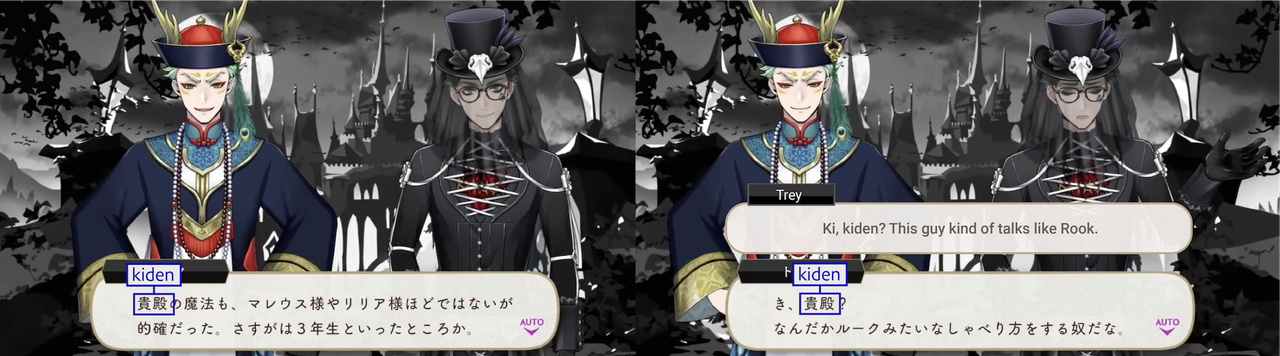
Rook uses 貴殿 (kiden) to greet the Island of Woe, and Sebek uses it when complimenting people who impress him. Trey comments that Sebek sounds like Rook.

Sebek says it to Trey, Rook, Riddle, and Jamil.
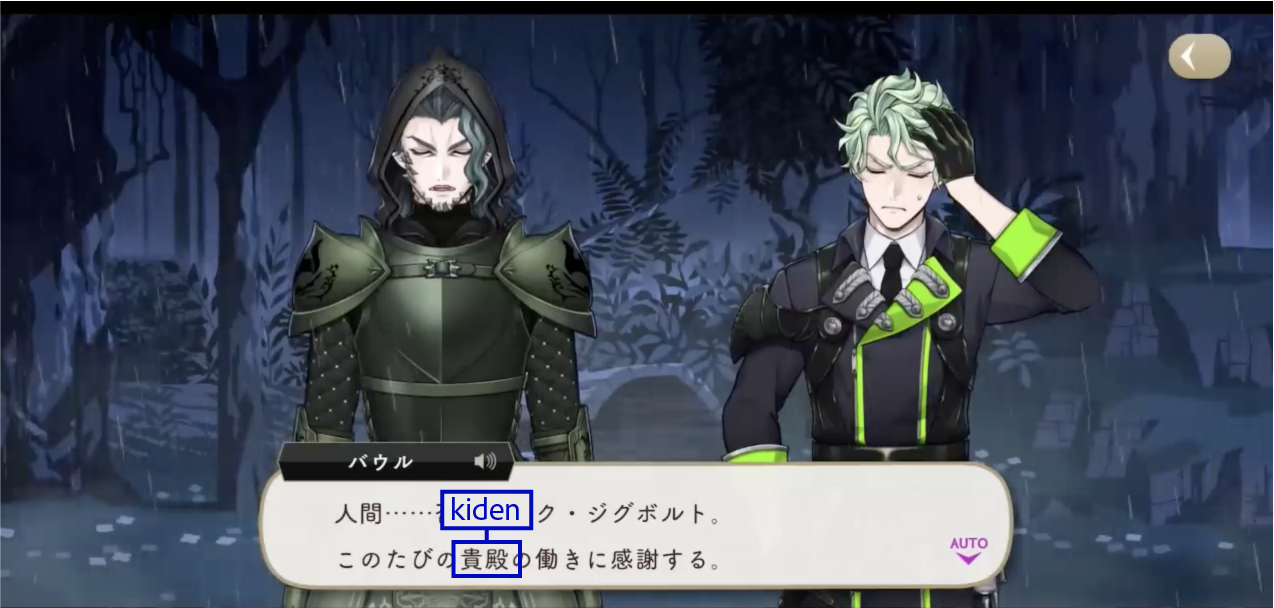
It is possible that this is a speech pattern (and one of many) that Sebek has picked up from his grandfather: Baul uses 貴殿 (kiden) to refer to Sebek after Sebek saves his life in Book 7.
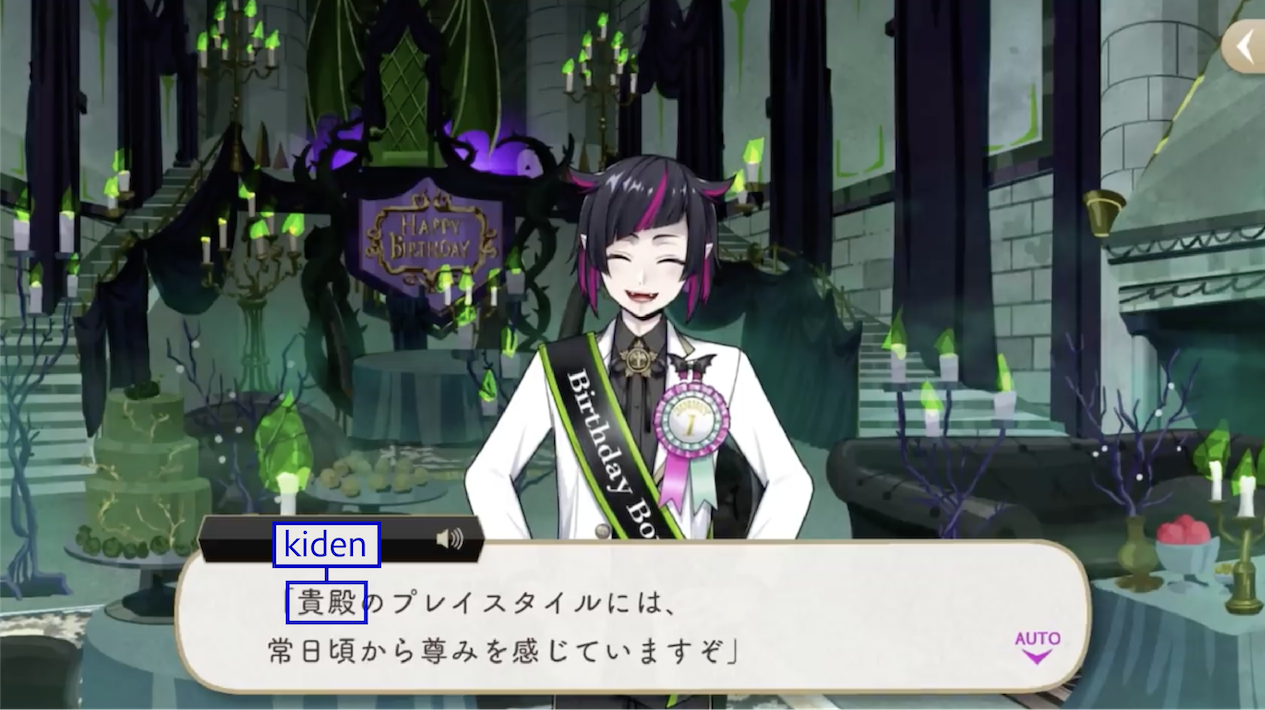
Lilia says that he received a message from Gloomurai that referred to him as 貴殿 (kiden), so it seems that Idia may use it online.
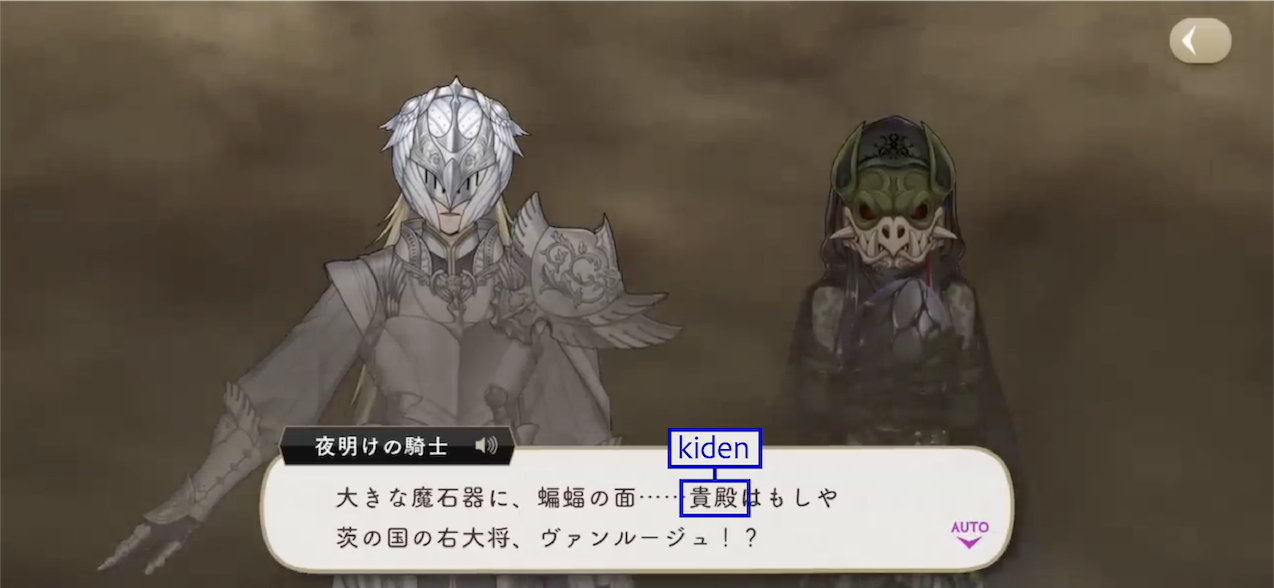
The Dawn Knight also uses it in reference to Lilia.
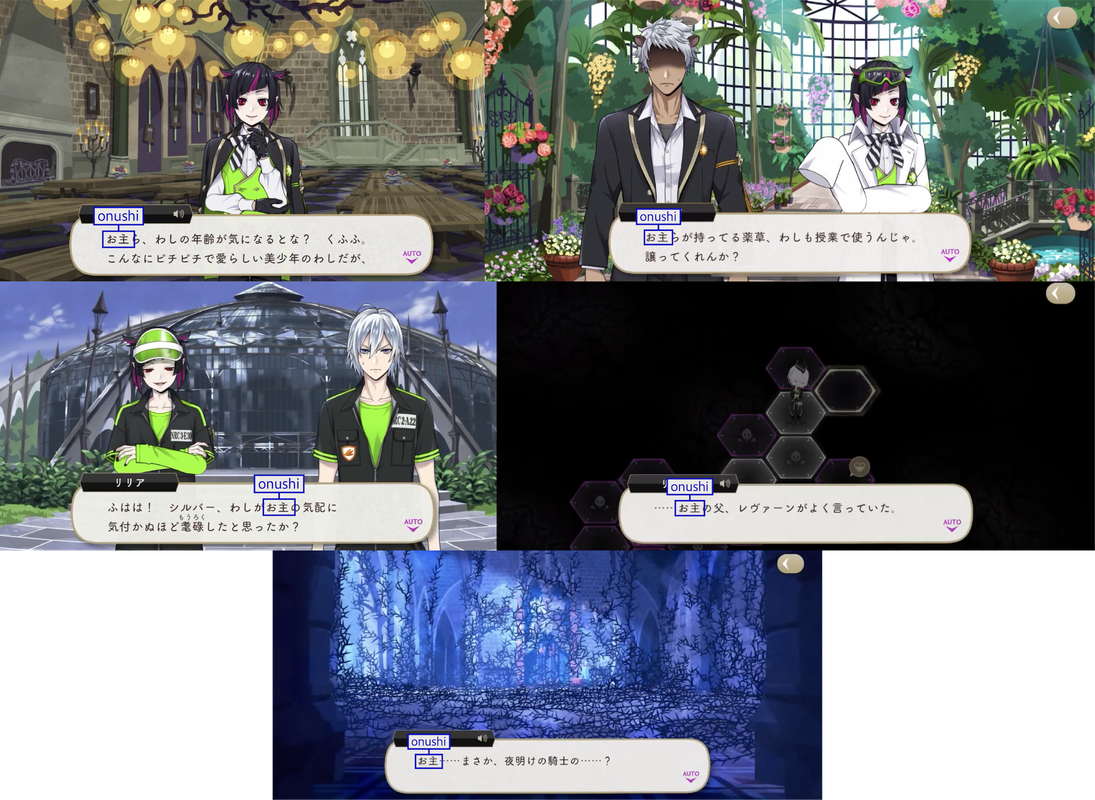
お主 (onushi), used only by Lilia, is an archaic form of “you” that is no longer used outside of places like historical dramas to mimic samurai speech patterns. It has a slightly authoritative tone, but can also suggest familiarity.
The earliest we see Lilia use it is possibly with infant Silver, and in modern day he uses it often.
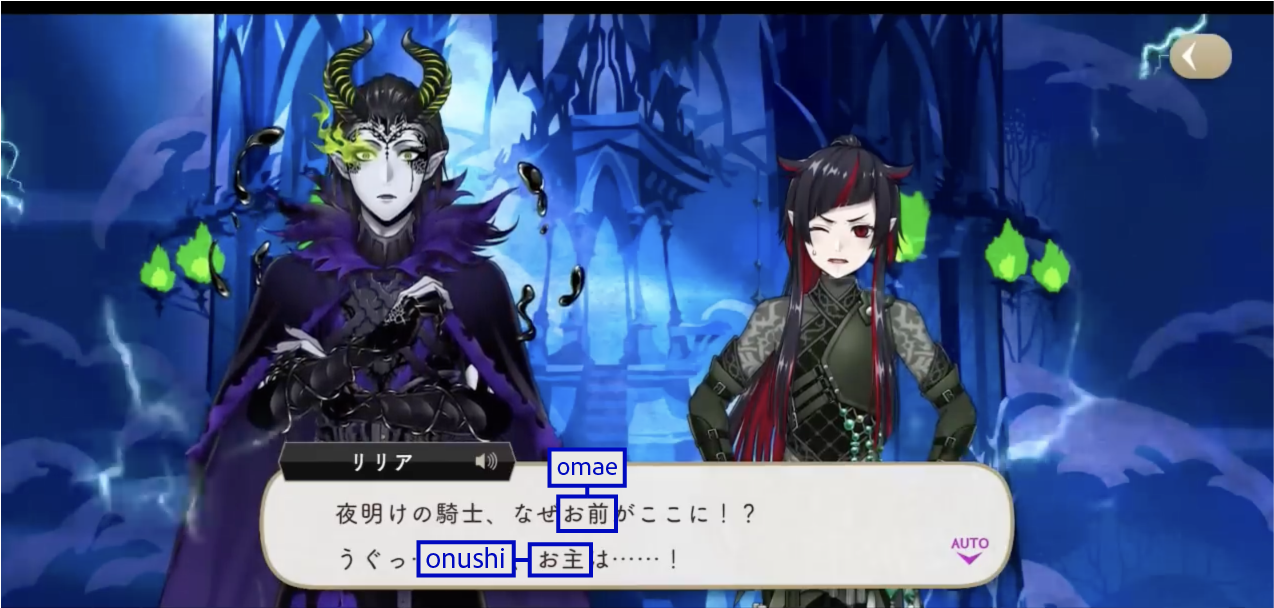
There is a moment in Book 7 where Lilia begins to wake up from his dream and starts shifting to お主 (onushi) in-dream for the first time.
 Twisted Wonderland Reference Note