


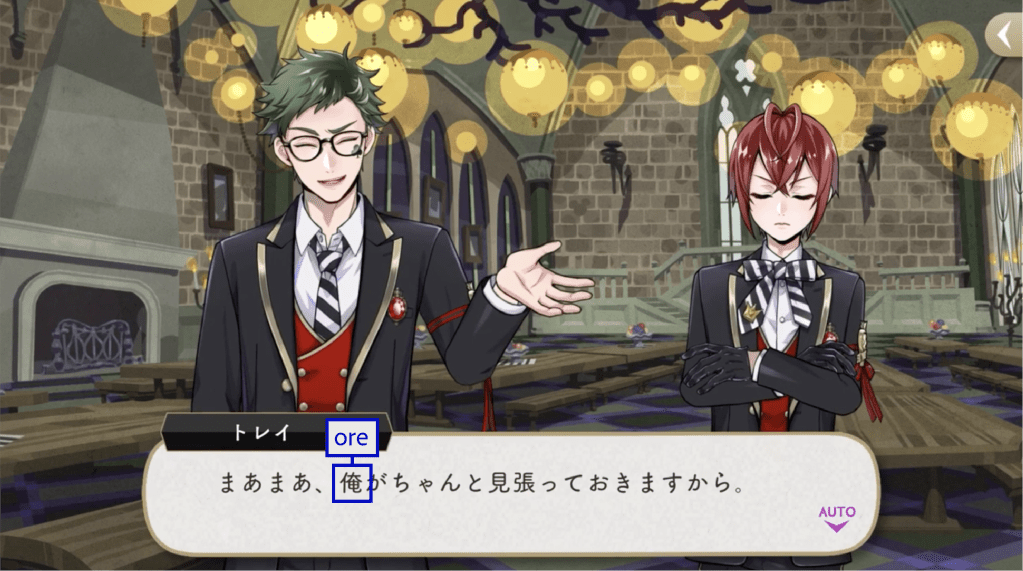


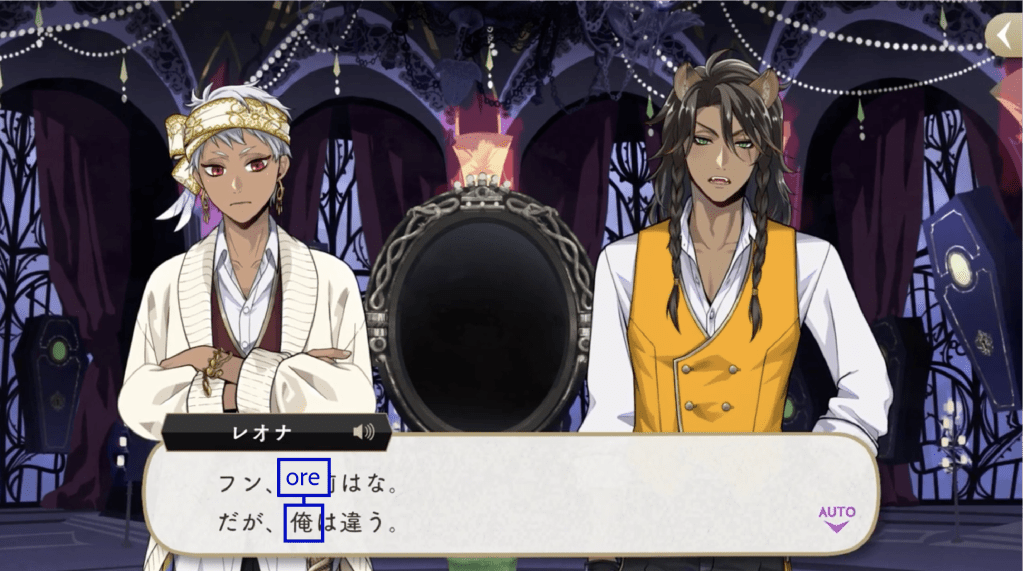
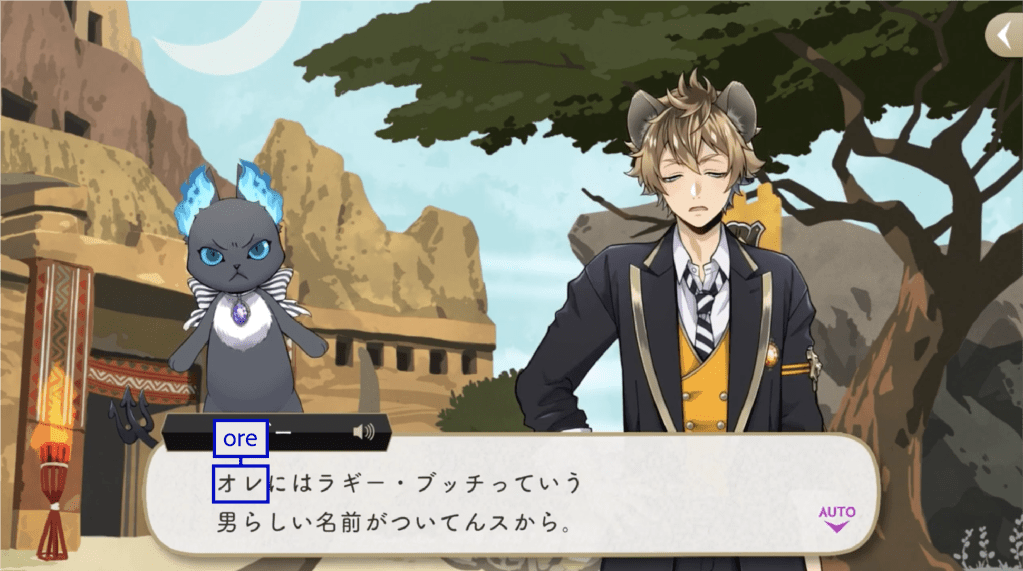
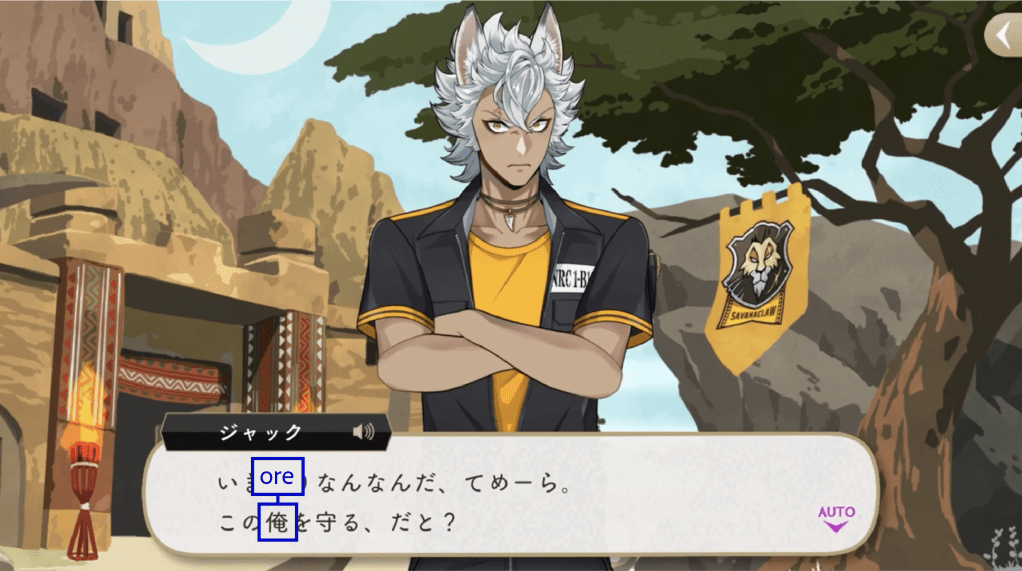








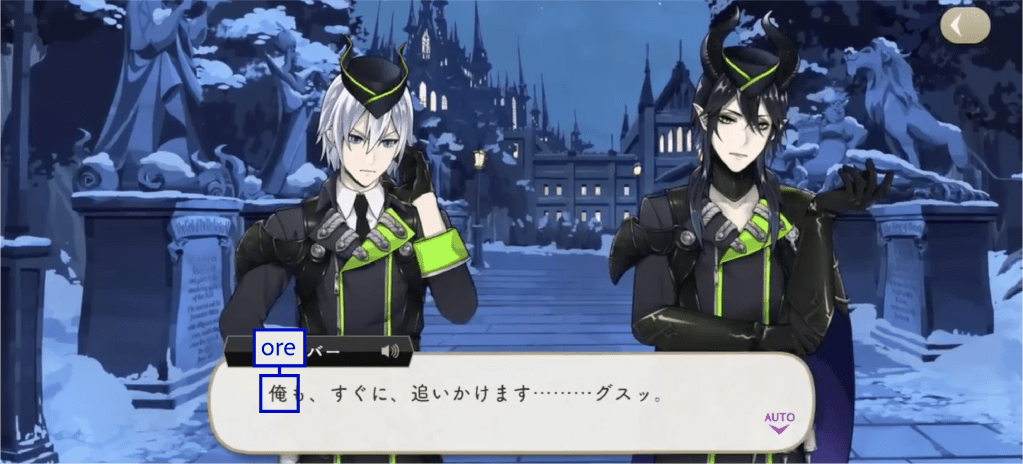

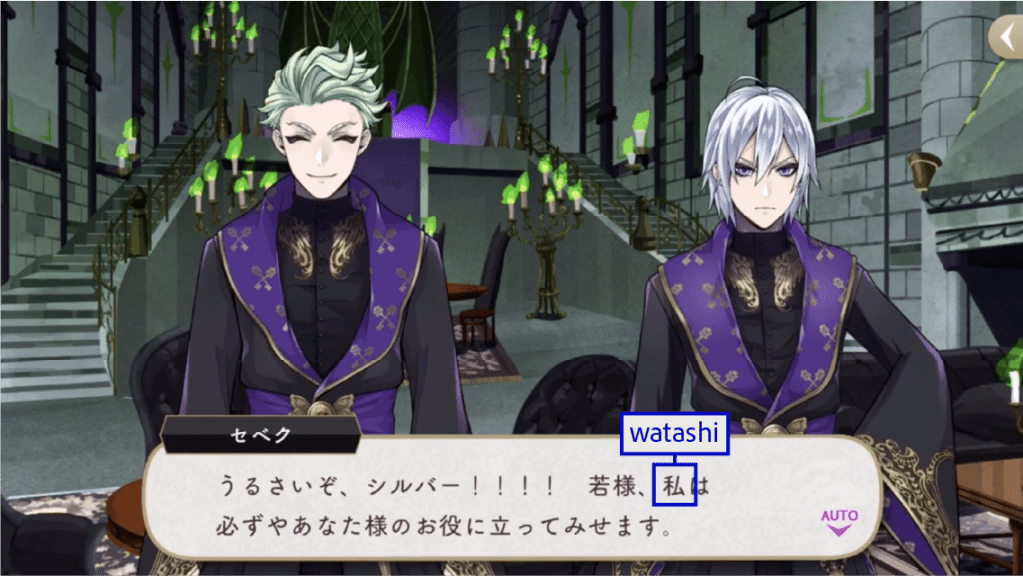
Pronouns can vary by person depending on age, gender and context, but they also vary based on personal preference and how a person wishes to present themselves.
In casual situations there is not really such a thing as using the “wrong” personal pronoun, as Japanese is not a romance language. Outside of those situations it is all about being polite.
Frequently Asked Questions:
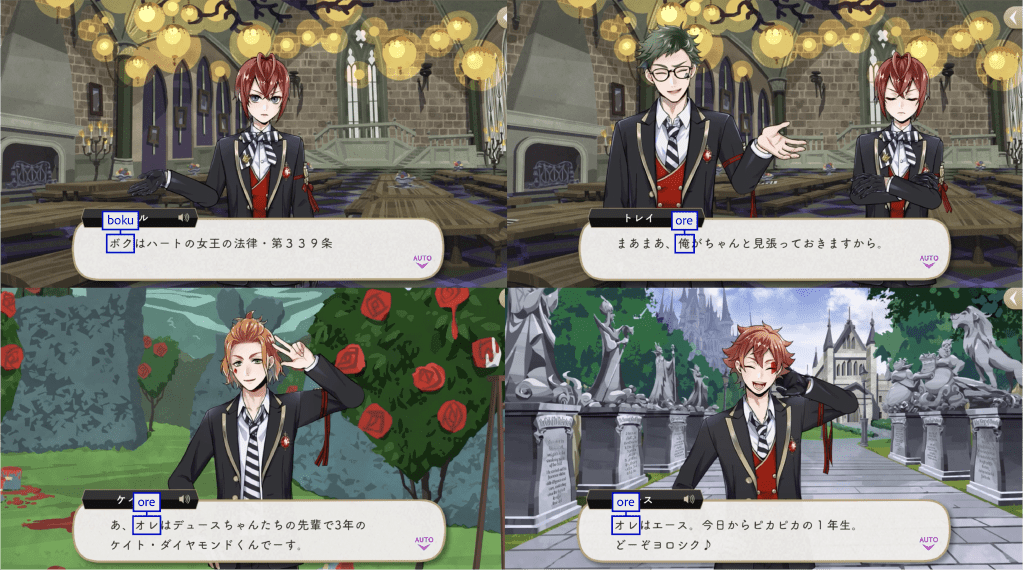
Q: Why are some of them in kanji and some of them in katakana/hiragana?
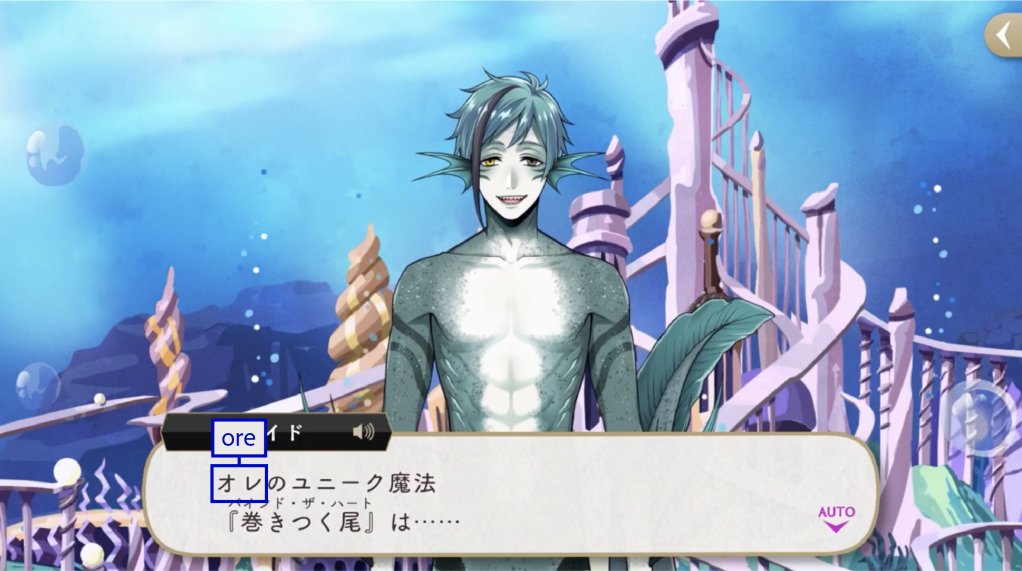
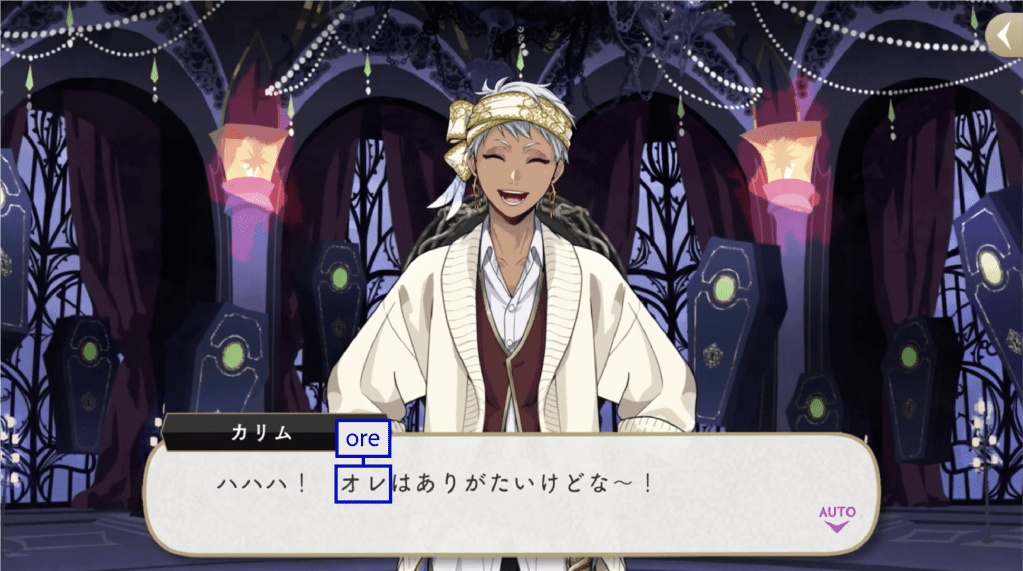
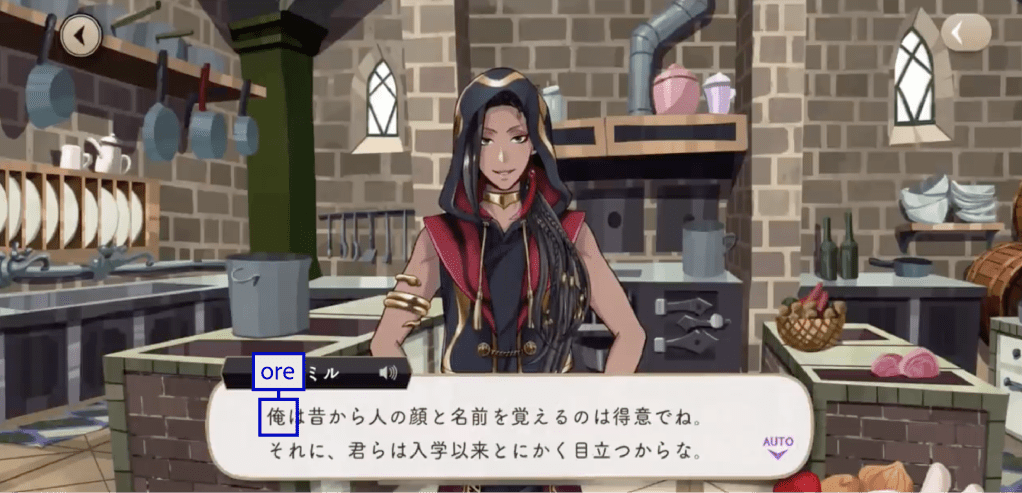
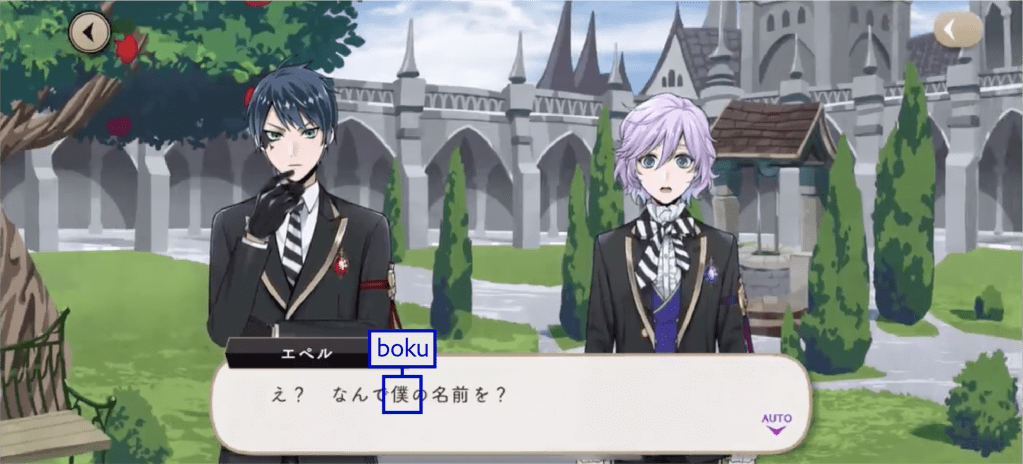
A: This is a stylistic choice to reflect the different personalities. Kanji can be used to make something seem more serious/mature/traditional(Trey/Jamil/Silver) or confident/assertive(Deuce/Epel/General Lilia/Leona/Jack). Katakana is being used to add personal flair to reflect the characters who are more laid back and emphasize differences in attitude. Both Leona and Kalim say “Ore,” for example, and while it is technically the same word, the atmosphere/tone between the two could not be more different.
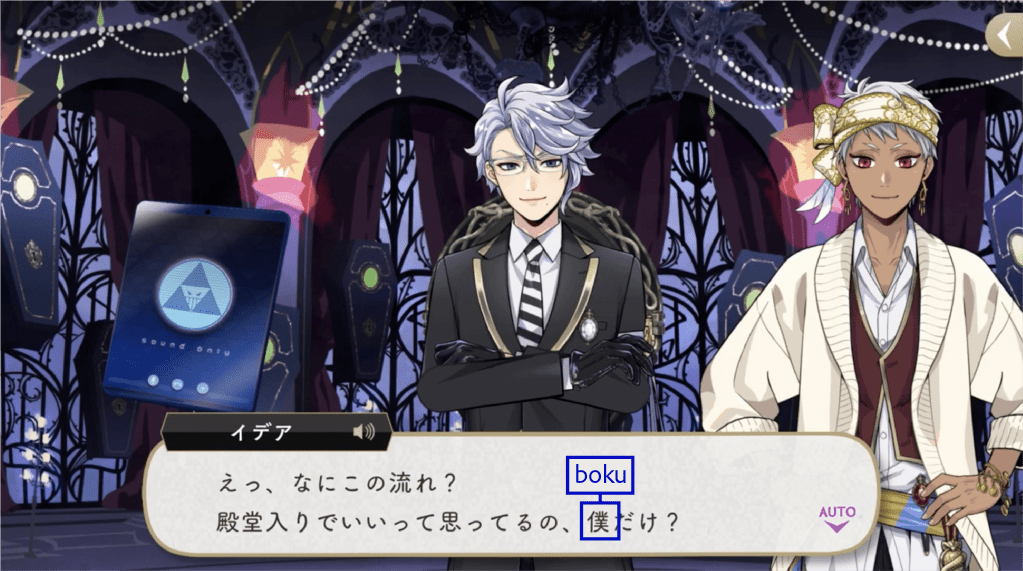
On the opposite side of the spectrum Riddle’s “Boku” in katakana is lending him a sophisticated air.
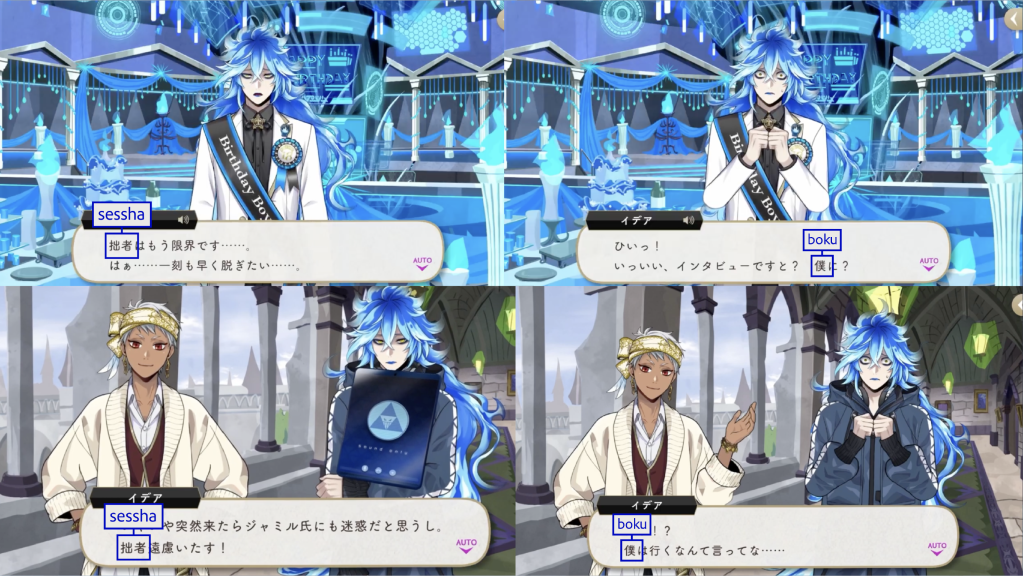
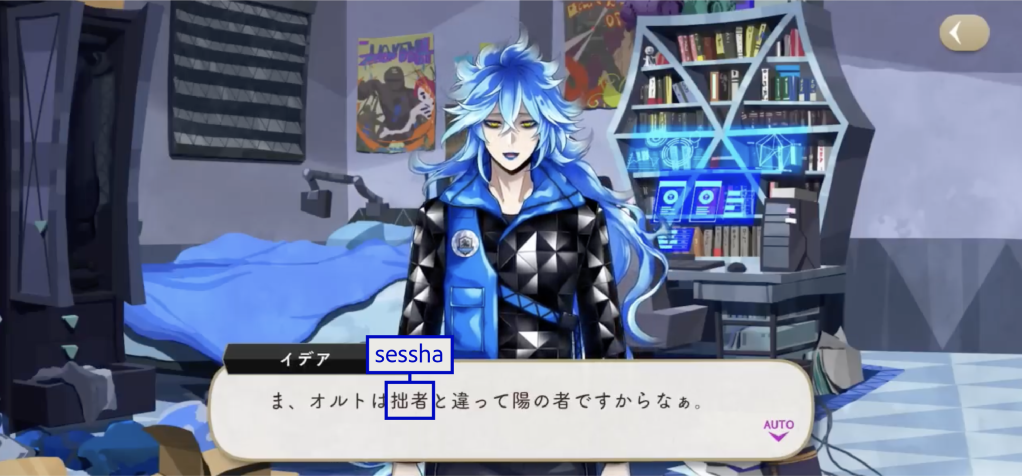
Q: Why does Idia use “Sessha” sometimes?
A: “Sessha” used to be used by samurai, and it was adopted by people who identify as otaku several years ago. It is a part of the otaku/net-slang in which Idia speaks.
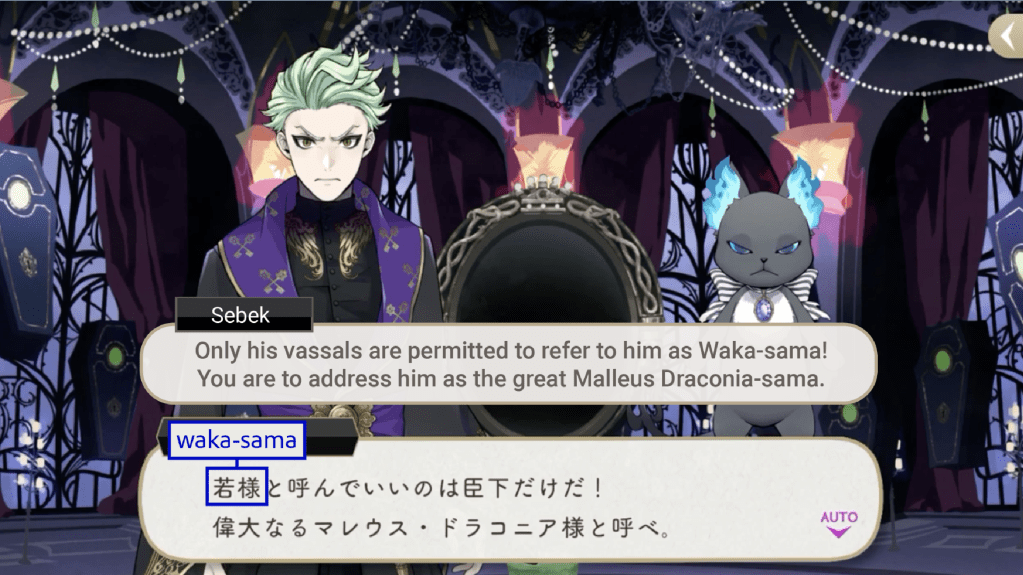
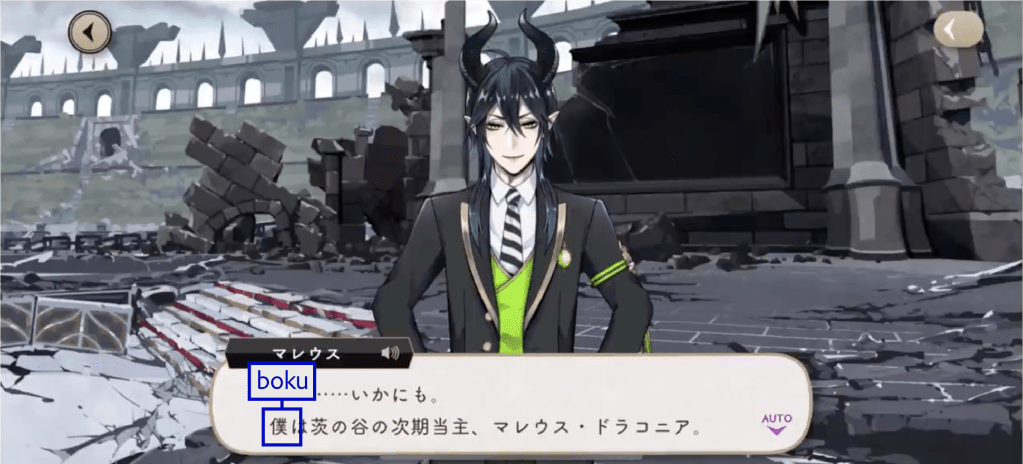
Q: Why does Malleus use “Boku”?
A: Malleus’ use of “Boku” may be tied to how he has yet to take on the adult responsibilities that await him in Briar Valley. Malleus is not yet a ruler, and this may be a reason his title reflects his relationship to Maleficia (waka-sama). He has yet to become a Lord in his own right or take on the responsibilities of adulthood, which is possibly being reflected in his use of “Boku,” which is commonly associated with younger boys (though it can be used by adults in casual situations who prefer it, and it is often heard in work environments).
Another example of this would be Vil using “Boku” during Phantom Bride, as a part of the role he is portraying as a prince looking to win Eliza’s hand in marriage.
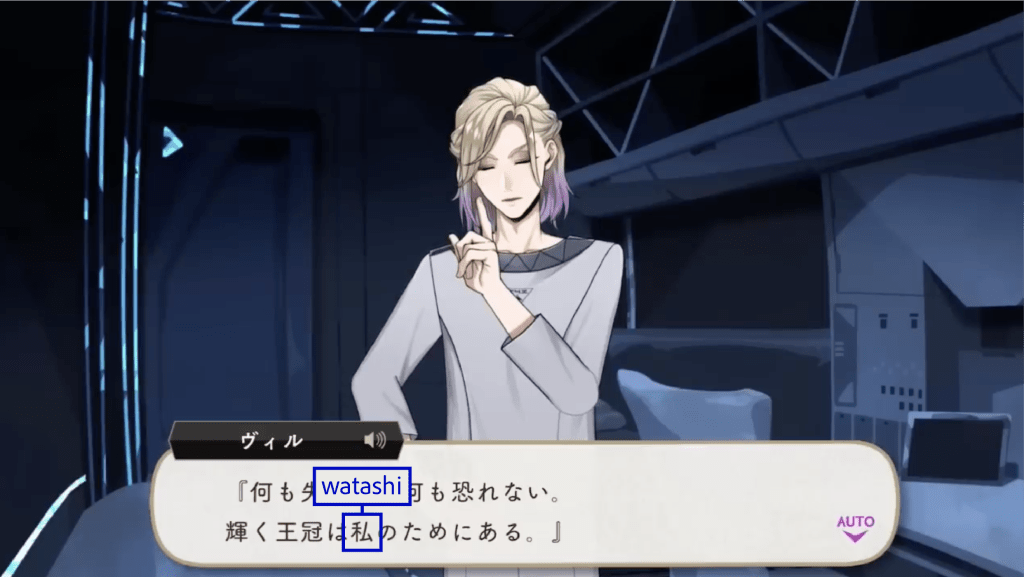
Q: Is “Atashi” only used by women?
A: When not using his unique magic Vil uses “Atashi,” which is generally considered to have a more feminine-sounding tone, but it is not exclusive to women; language is not black and white.
It is more casual than “Watashi” and usually doesn’t arise in professional situations. “Atashi” comes up a lot in dramas, often used by female characters that are being portrayed as assertive or youthful. In present-day it will also appear during rakugo performances.
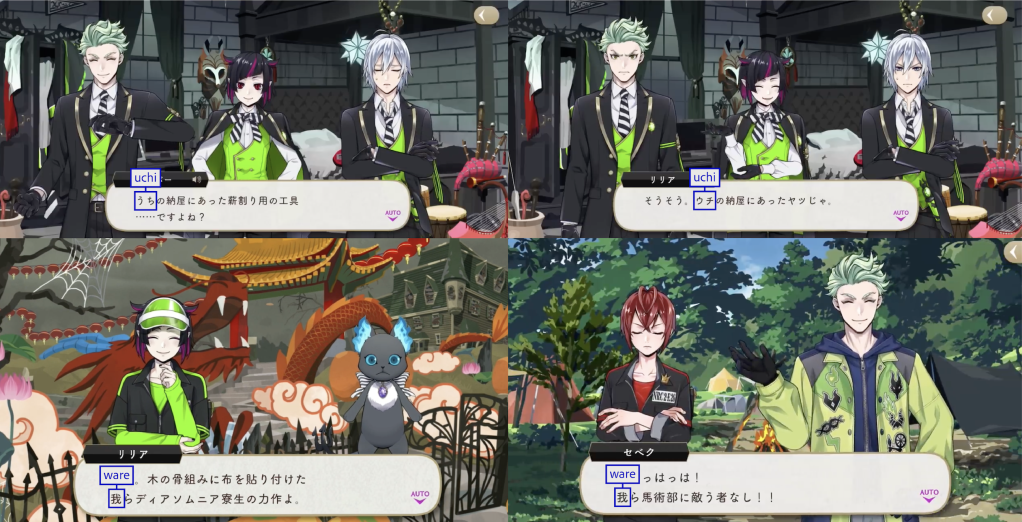
Q: I think I saw Lilia use “Ware” at one point?
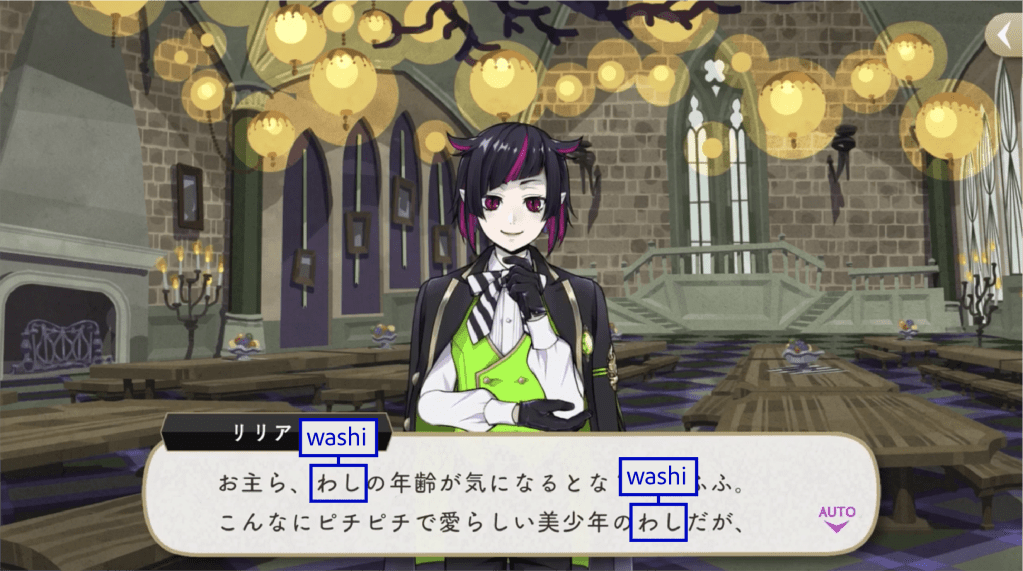
A: This might tie in to plurals. Pronouns can change sometimes when someone is speaking on behalf of a group, with Silver changing to “Uchi” when talking about himself and Lilia, Sebek changing to “Ware” when talking about the Equestrian Club, etc., and this list is only for singular pronouns only.
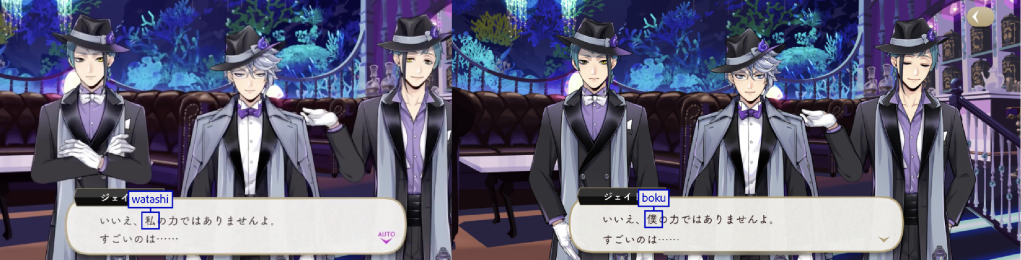
Exceptions: There was at least one instance of Jade using “Watashi” that was corrected to “Boku” in an update.
Both volumes of the Magical Archives Game Guide include a pronouns list but they are incomplete, with no reference of Azul’s “Watashi,” Epel’s “Wa” or Lilia’s “Ore.”
If you come across conflicting reports on character pronouns, that is maybe why.
 Twisted Wonderland Reference Note