
Silver says outright that Sebek can be prejudiced at times and Lilia states in the beginning of Book 7 that Sebek is the very picture of his grandfather, from the way he talks to the way he thinks.
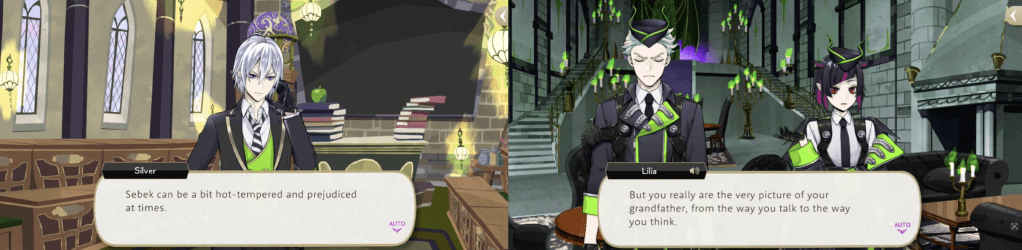
We as the players do not realize how literally he means this comment until later in Book 7 when we meet Baul Zigvolt and realize that their speech patterns have a lot in common:
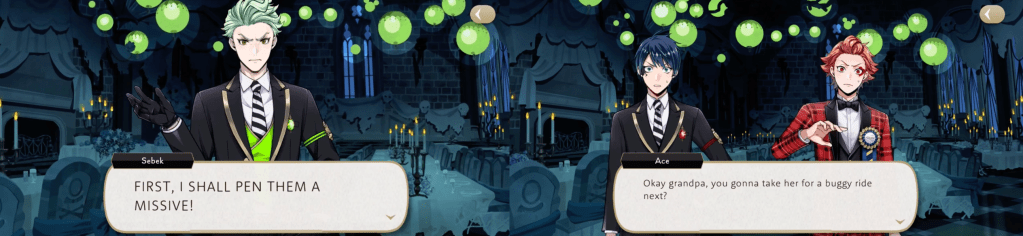
While maybe difficult to put across in the English-language adaptation of the game, Sebek can speak very old fashioned. (Ace: “Okay grandpa, you gonna take her for a buggy ride next?”)

He will occasionally say “this Sebek” in reference to himself, which Baul also does.

(They are also both canonically quite loud, possibly another trait that Sebek adopted from Baul).

Sebek will also infamously refer to others using the 貴様 form of “you,” which doesn’t really exist outside of fiction and is such a rude form that it is practically a swear word. More here ->
Sebek uses it constantly, in everyday conversation. And see Baul using it in Book 7 just all the time, with everyone except his superiors such as Lilia and Maleanor (there is even a time he becomes very angry and uses it with the senate).

Also like Baul, Sebek will switch to the extremely old-fashioned and formal “kiden” to refer to people who have impressed him.

Sebek’s battle cry of “I’ll swallow you whole” might have also come from Baul!

And another thing Baul did in Book 7: refer to Sebek as human rather than by his name until Sebek earned his respect, which we have also seen happen between Sebek and Azul.


(In a Nightmare Before Christmas voiceline Sebek refers to Zero as a ghost and then a dog, eventually settling on his name, while refering to Jack Skellington as “Bones” and to Grim as “dire beast.” Is Sebek not just calling out humans, but referring to everyone by what they are rather than who they are?*)

(Does he simply yell human more than “dog,” “ghost,” etc., because humans are the species we have seen him interact with the most? It was confirmed in the novels that mermaids, beast-people, etc., are all referred to as “human” within the Twst universe, which has yet to be confirmed by the game but also has yet to be disproved.)
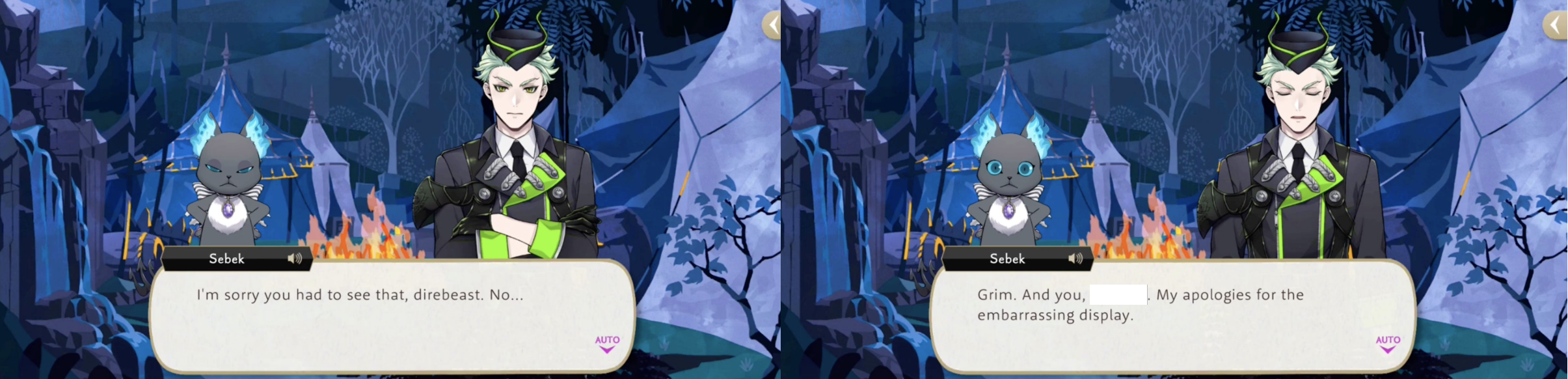
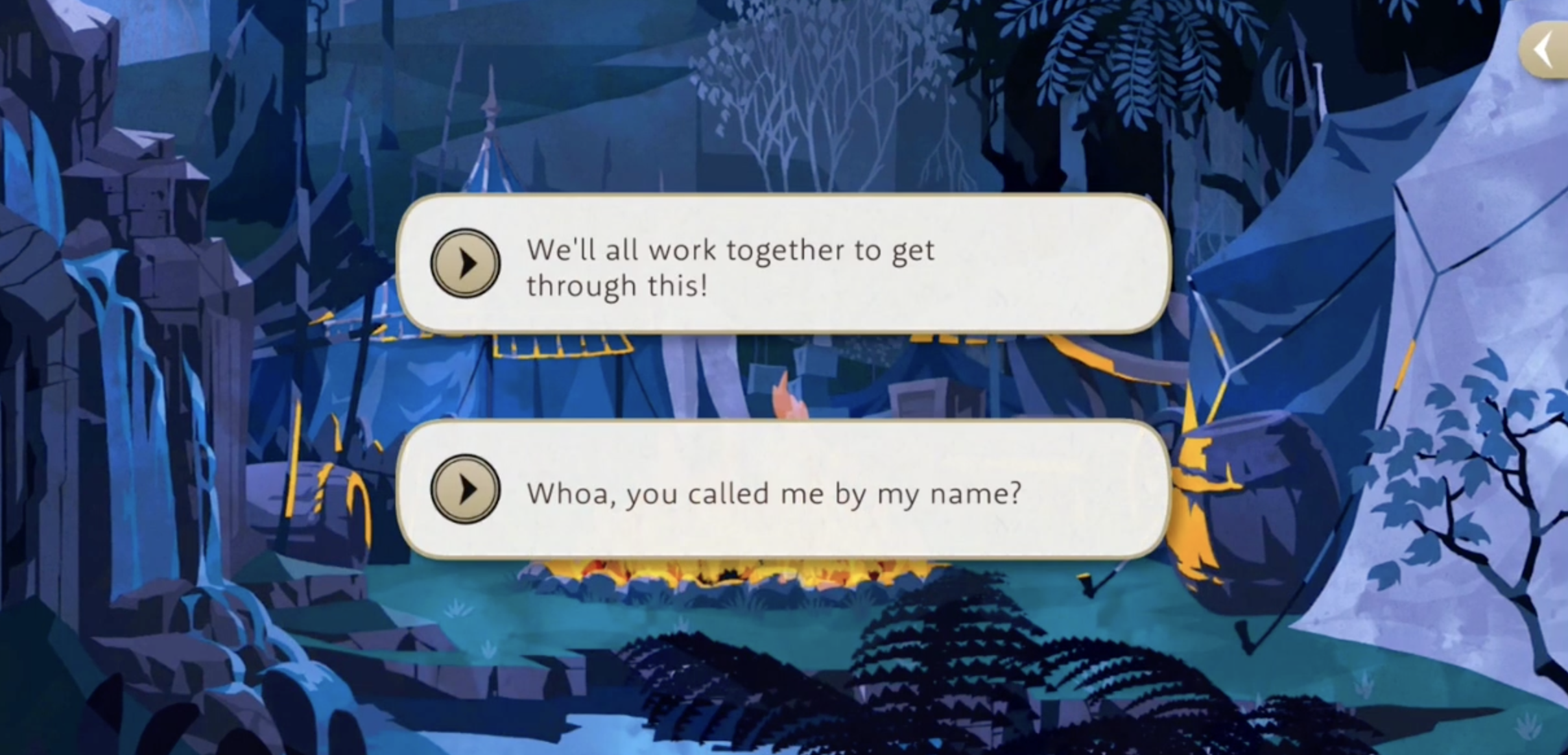
There is a significant moment where he shifts to calling both Grim and the prefect by their names in Book 7, which the prefect even has the option of acknowledging aloud: “Whoa, you called me by my name?,” so it was possibly his first time ever doing so.
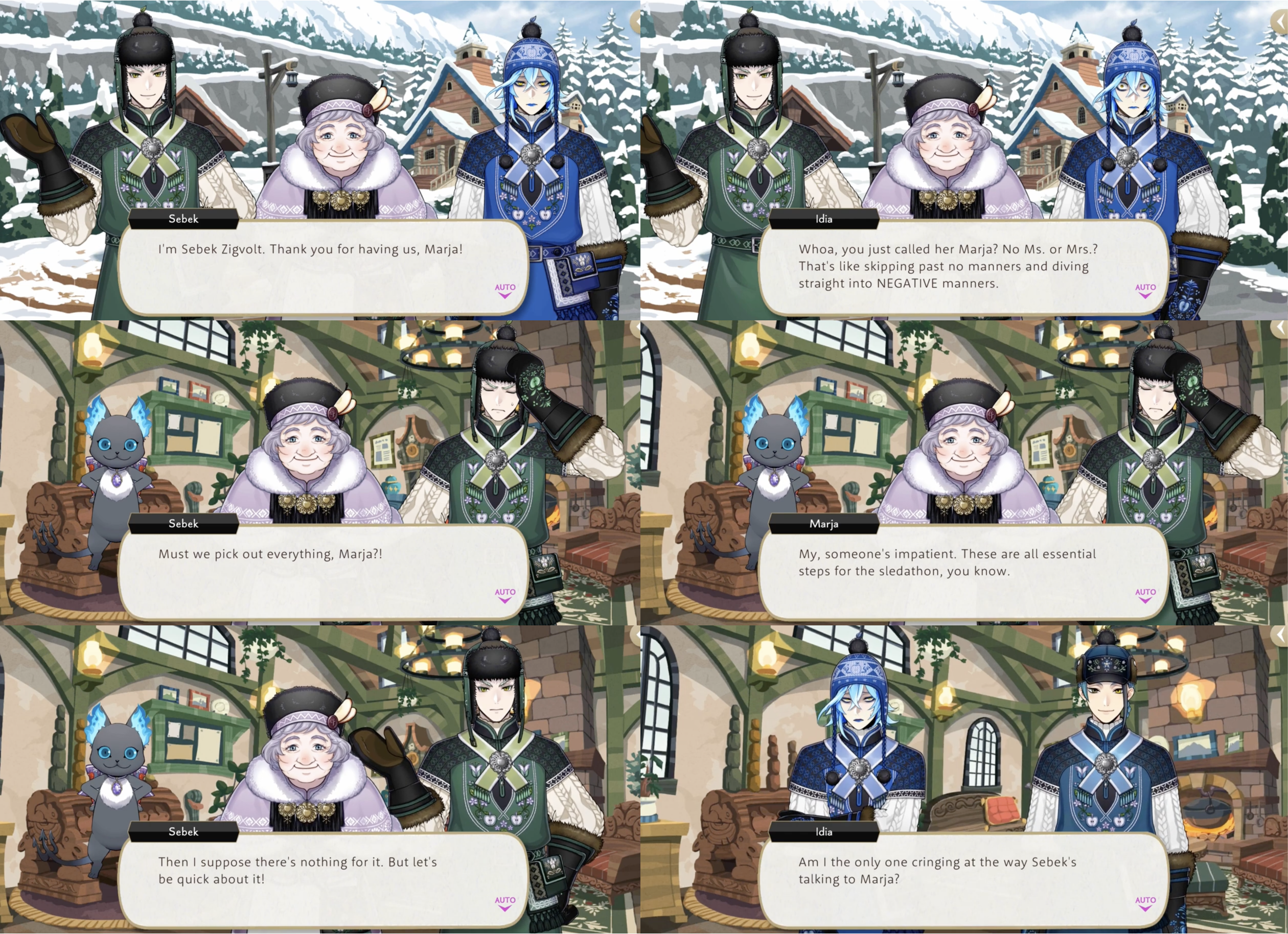


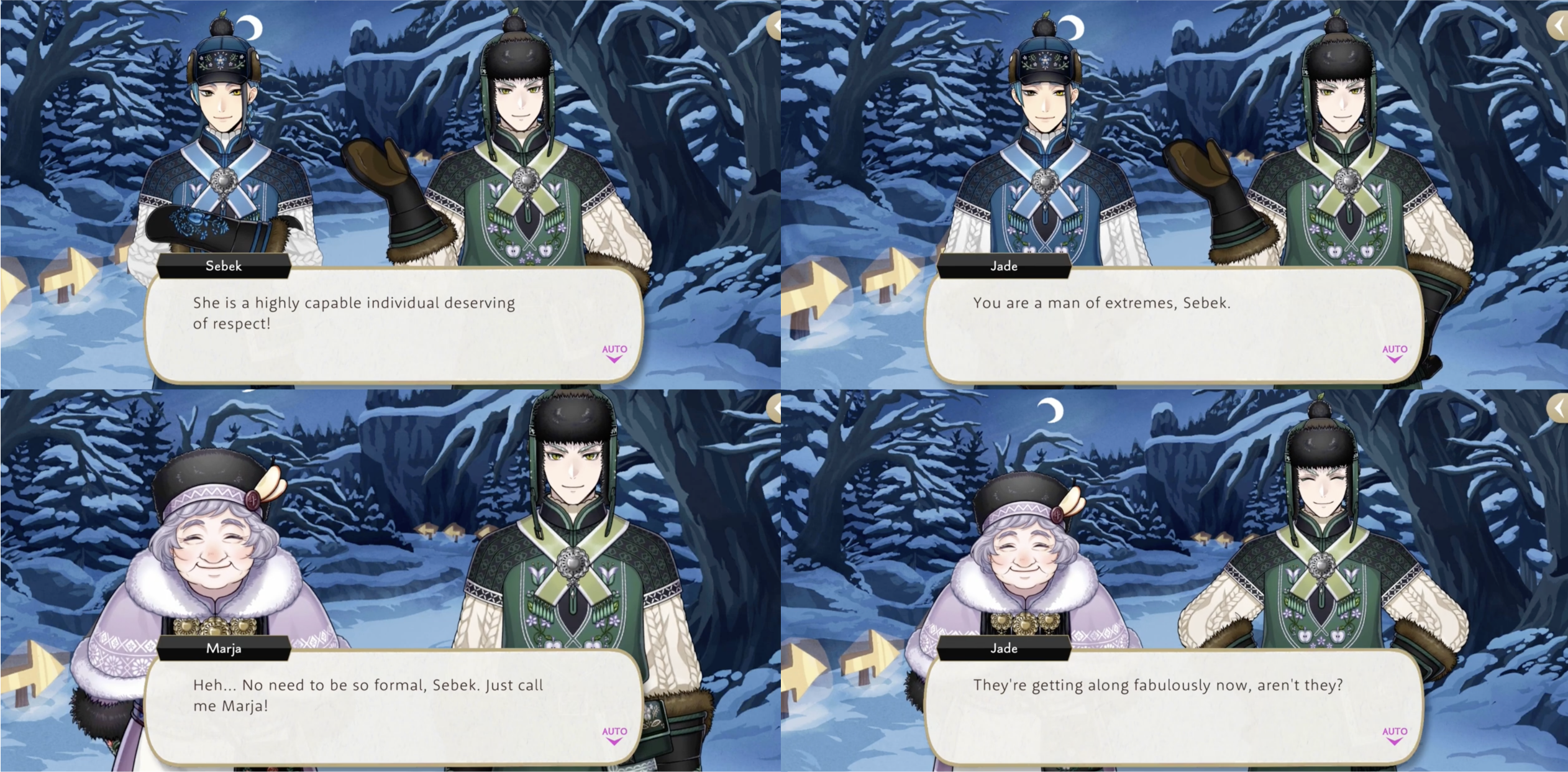
At Harveston Sebek even refuses to use an honorific with Epel’s grandmother Marja until she proves herself worth of his respect.
This is a fascinating subplot that gives us as step-by-step walkthrough of Sebek’s approach to those around him on high speed, with Sebek transitioning from rude to formal to friendly.


Silver calls Sebek out on his inappropriate use of “kisama,” while both Riddle and Sebek scold him for referring to people as “humans.”

Whereas Epel’s rude speech patterns can be explained by how it is a part of the dialect he was raised to speak and therefore he doesn’t know any better (more here ->) Sebek is consciously and intentionally speaking down to others until they prove themselves worthy–is this something he learned from Baul? Sebek says that Baul provided him with “an enriching education,” but what exactly did that education entail?

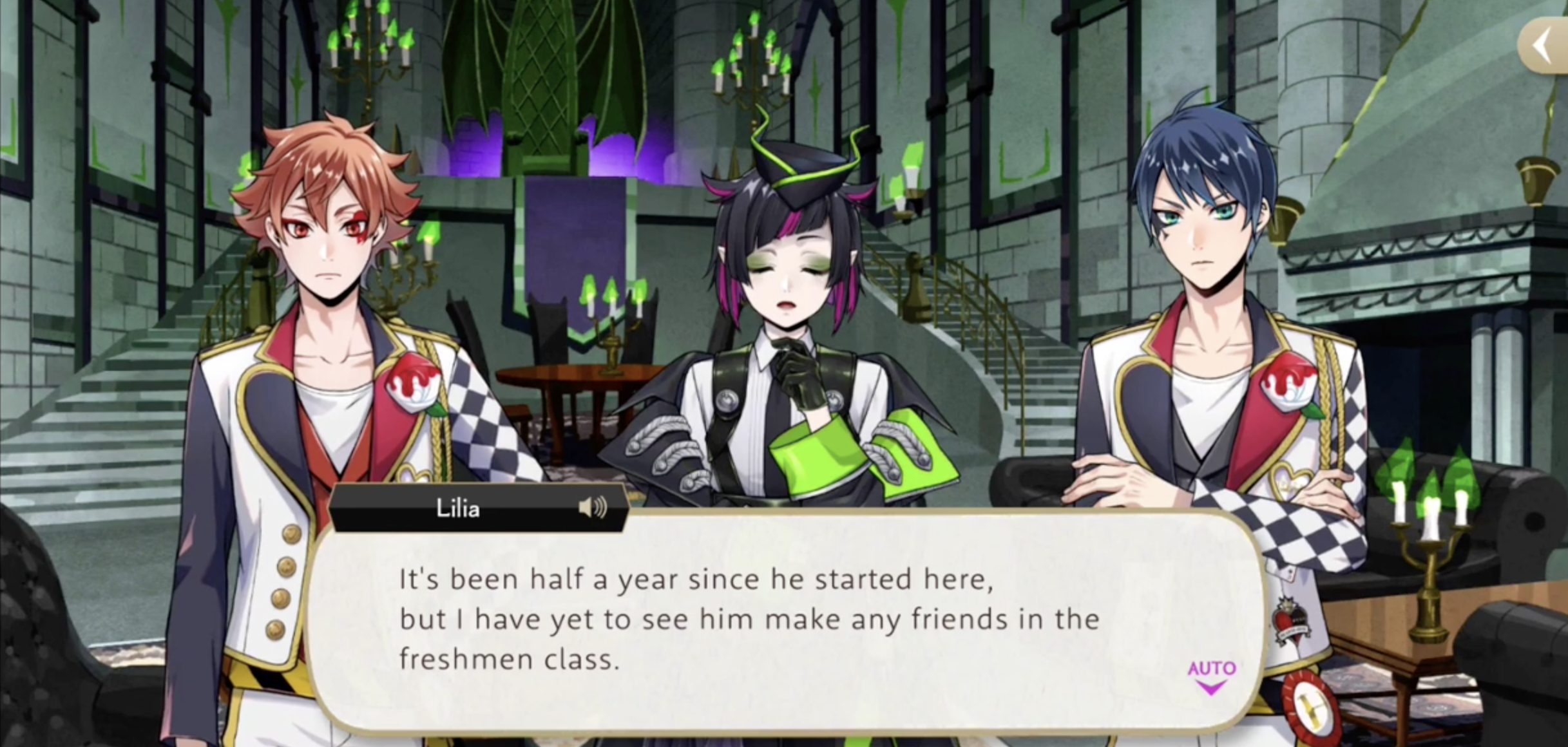

Lilia expresses frustration with Sebek’s inability to adapt to society, but canonically Sebek has only been outside of Briar Valley for 6 months, while he’s been emulating his grandfather for 16 years. Lilia says that Sebek has always been close to Baul and Jamil has a line of, “When admiration goes too far, the consequences can be dire.”
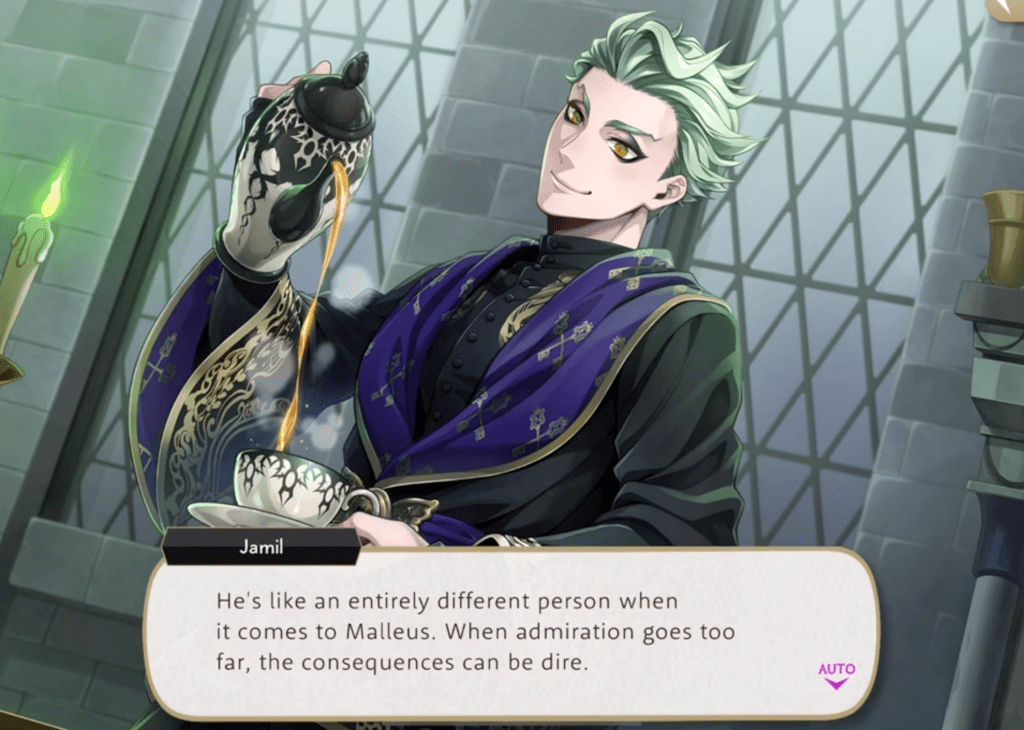
He was speaking about Malleus at the time, but might it also a reference to Sebek’s devoted imitation of his beloved grandfather? And we can go even deeper if we want, though this goes into theoretical territory: Sebek was born after Briarland had already fallen to its invaders, but he was raised in a community where the war is still living memory.

Baul fought to protect his home against those who overran the land, exploited its resources, labeled him a monster, and drove them all into a fraction of their former territory. He remembers what Briarland was before it the invasion, he fought to save it, he failed, and he survived to help put what was left of the country back together.

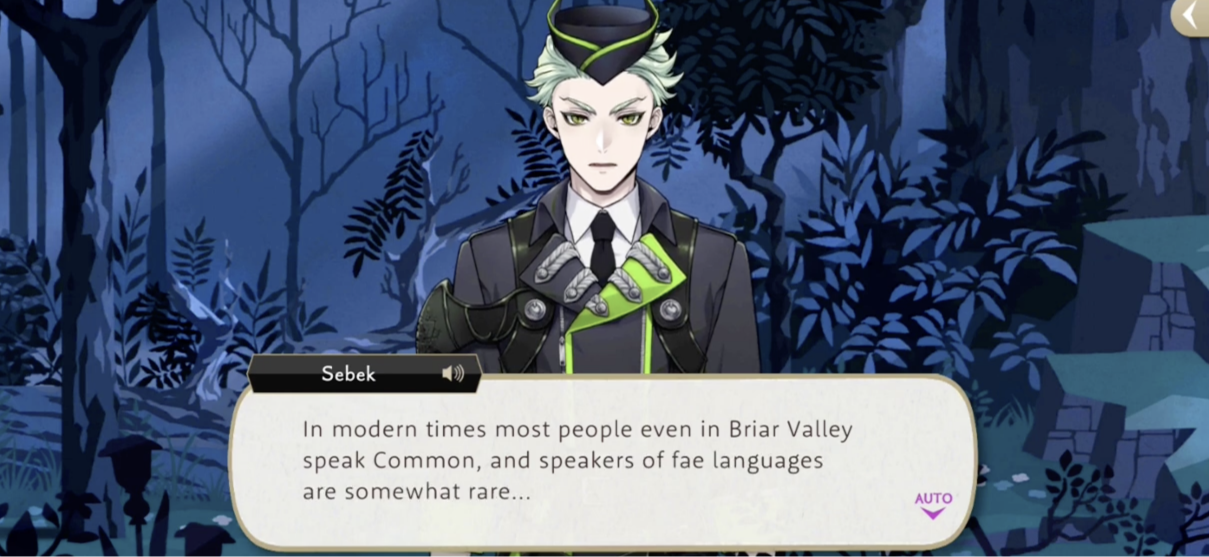
And then his only child married someone who is potentially a direct descendent of the very invaders who had spent years killing anyone who looked like him and destroying everything he’d known (with even his native language possibly disappearing: Sebek says that speakers are “somewhat rare” in modern day, as the fae have generally adopted Common as their language of choice, and what he knows is what he was taught by his mother and grandfather.

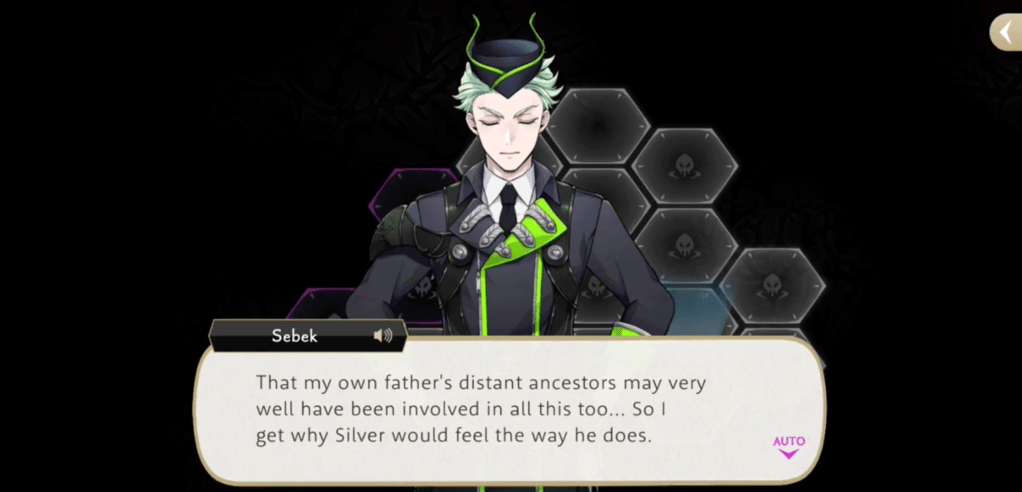
Sebek: “This has been weighing on me ever since we entered Lilia’s dream. That my own father’s distant ancestors may very well have been involved in all this too…”
And due to the long lifespans of the fae he isn’t the only one with trauma and loss that feels both recent and personal.
Sebek and his siblings were not raised amongst the offspring of those who survived the war but the literal survivors themselves, unlike the humans to whom the wars are ancient history.
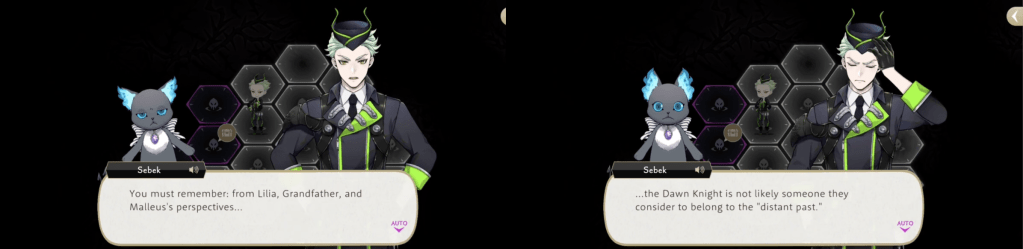
Sebek: “You must remember: from Lilia, Grandfather, and Malleus’s perspectives…the Dawn Knight is not likely someone they consider to belong to the ‘distant past.'”

While not confirmed in-game, it is not too wild to imagine that Sebek has chosen to ally himself with the survivors rather the invaders, and especially when he has been raised to idolize Malleus, whose own mother they killed not very long ago by fae standards.

While humans have been reproducing and dying at such a rapid pace that the current generation might not know that dragons are real, the same fae that managed to escape the slaughter are still there, and are now being met with the people born of those who stole their country but to whom there doesn’t seem to be much significance to it all beyond a chapter in a history book.
And that might all be very well tied up in Sebek’s use of “human”! (Disclaimer: this is all just a personal analysis and one of many possible explanations!)

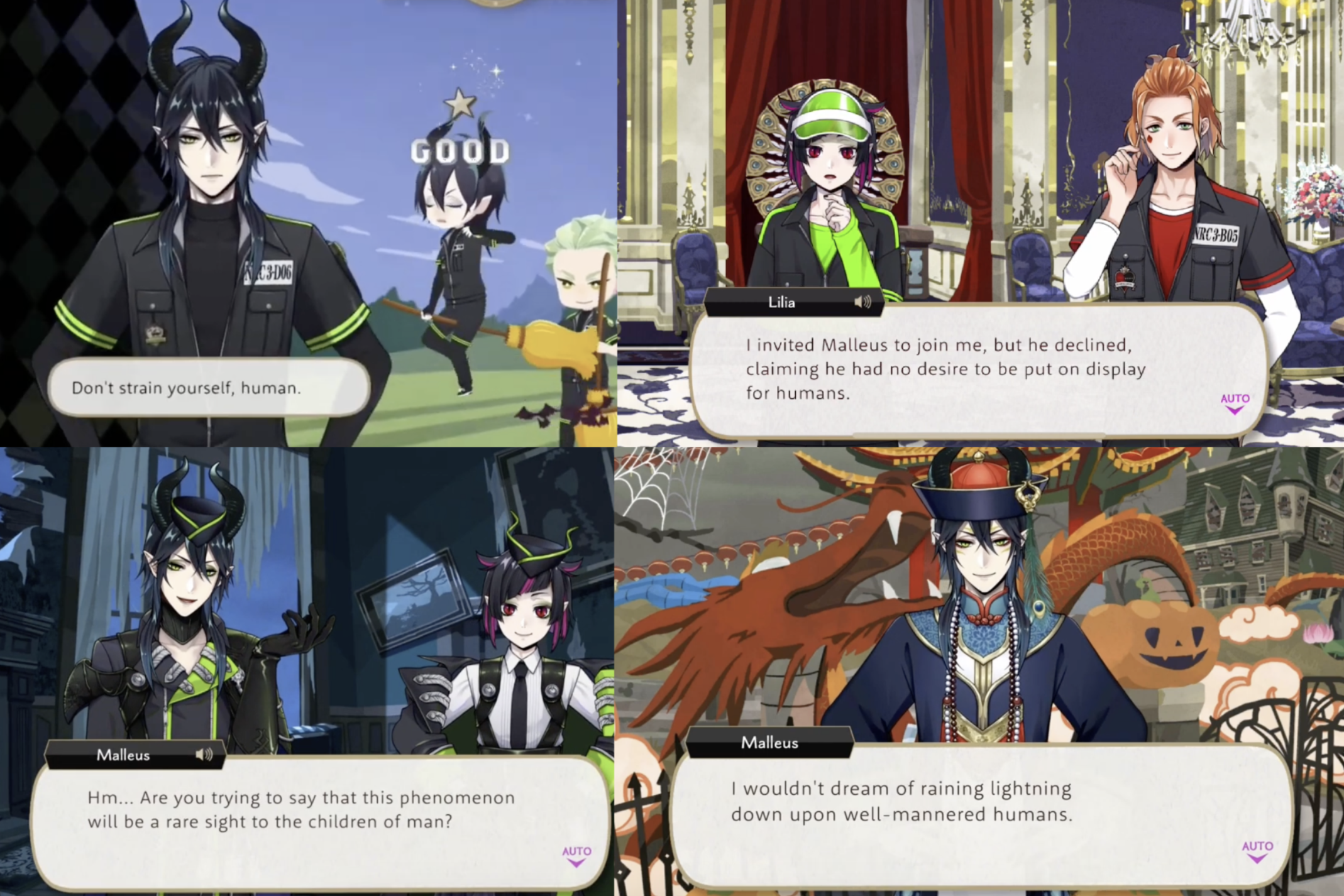
Not only does it seem to be a speech pattern that Sebek has adopted directly from the grandfather he adores (and from Lilia and Malleus, who are also known to refer to non-fae as “humans” and whom he idolizes), but it may also be a reminder both to himself and to everyone around that while he may be two worlds in one, he does not approve of those that tore apart the community he grew up in, lest someone wrongfully assume that he agrees with the actions of his human ancestors.
Which would make it a form of self-preservation while growing up in a predominantly fae area.
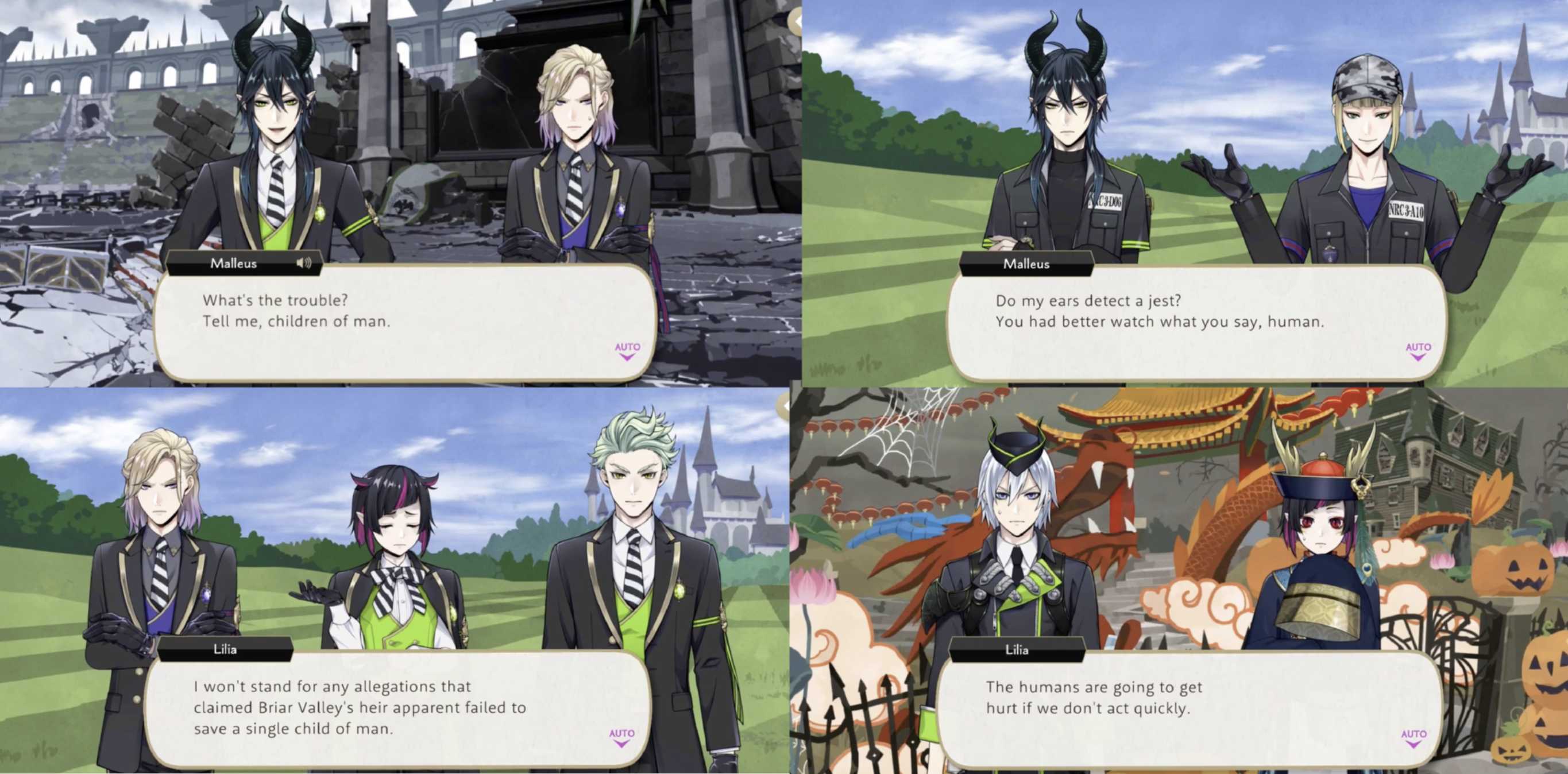
Sebek’s speech patterns and behaviors might be serving as a way for him to assert his loyalty to the fae, the people whom he admires, identifies with and was raised by, and distance himself from the humans who tried to eradicate them.
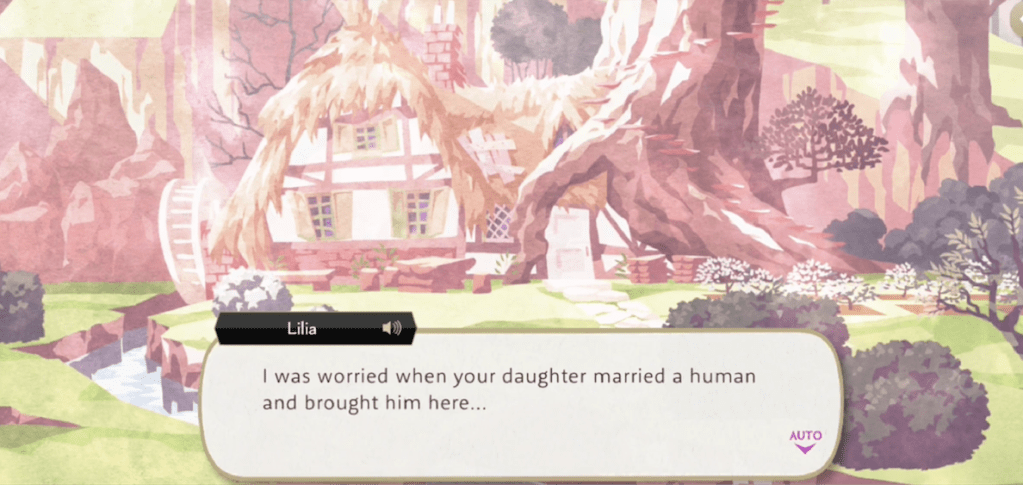
(If Sebek’s mother brought his father to Briar Valley from somewhere else (possibly Sunset Savanna) as has been implied, it’s possible Sebek’s human lineage isn’t tied to the invaders at all, but this is still vague.)
*Sebek refers to Sally as “Sally” throughout the Halloween event, using her name without an honorific but at least using it, much like he did with Marja. He also chastises Trey for failing to offer his hand to Sally and help her to her feet when she falls to the ground. Does Sebek possibly have a chivalrous side, not dissimilar to Leona? Memo: must check.
 Twisted Wonderland Reference Note